
Tehran is where most journeys through Iran begin and end. It is a capital of more than fourteen million people, pressed against the southern slopes of the Alborz mountains, and it carries the country's contradictions in plain view: Qajar mirror halls a few metro stops from glass-fronted shopping towers, the roar of the Grand Bazaar a short walk from a quiet tea house, and snow on the peaks while the boulevards below bake in the afternoon sun. This guide covers how to arrive, how to move around, what deserves your hours, and how to build a Tehran itinerary that works rather than exhausts.
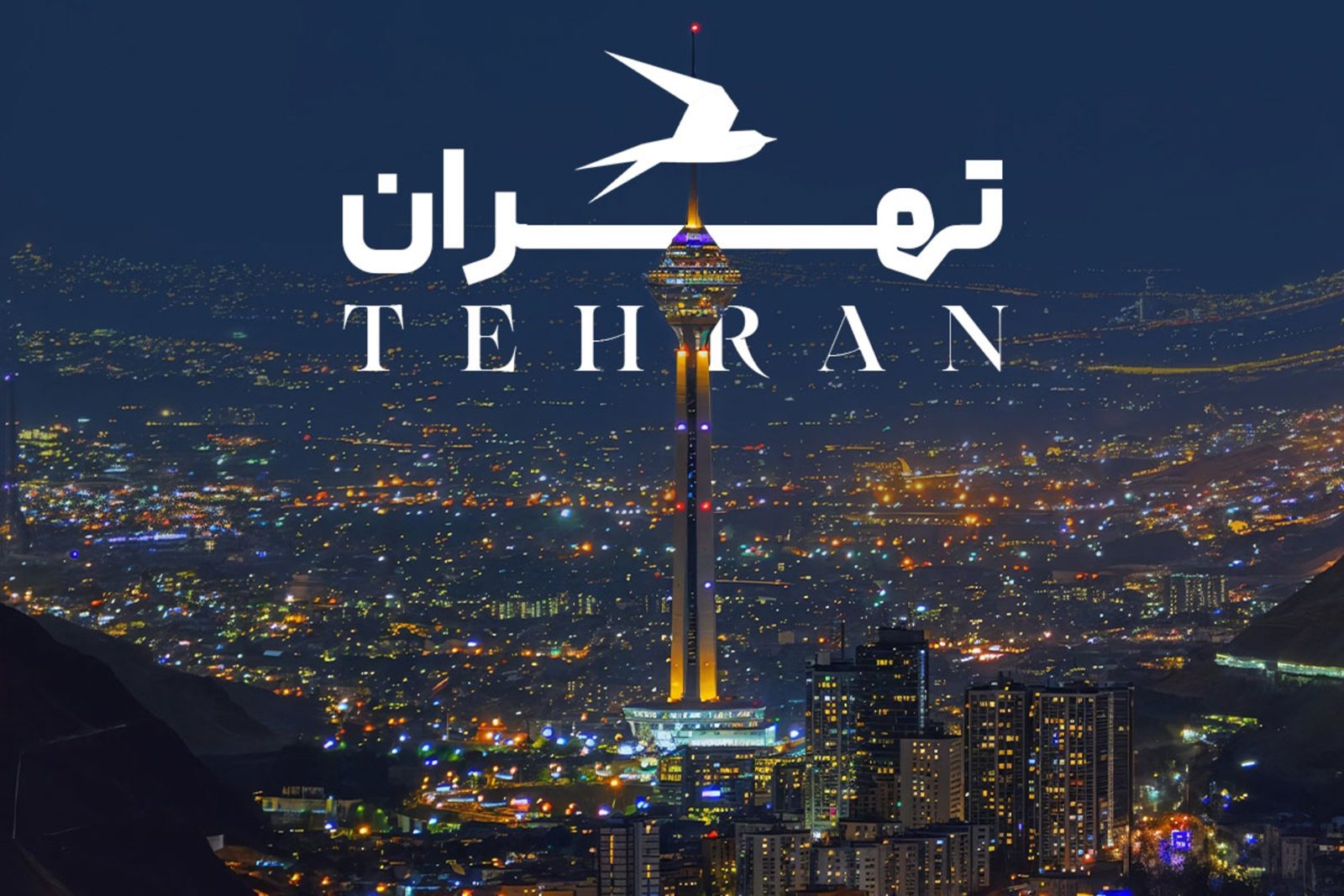
Where is Tehran?
Tehran sits on the northern edge of the Iranian plateau, in Tehran Province, with the Alborz range forming its northern wall. The city climbs steadily uphill from south to north, which shapes almost everything about visiting it. The historic core, the Grand Bazaar and most of the major museums lie in the lower southern districts. The wealthier, cooler and more modern neighbourhoods, including Tajrish, Zafaranieh and the palace complexes of Sa'dabad and Niavaran, sit in the north where the altitude brings fresher air and a mountain view from many streets.
This slope matters for planning. A day spent entirely in the south and a day spent entirely in the north are two different days, and crossing between them eats time. Group your sights by district and let the metro or a Mehyar Taxi handle the long north-south jumps.
How to get to Tehran
Almost every international visitor lands at Imam Khomeini International Airport (IKA), about 30 kilometres southwest of the city centre. The drive into central or northern Tehran normally takes an hour to an hour and a half, and considerably longer in peak traffic. The most comfortable option is to arrange the ride before you land. Open Mehyar, choose Taxi, and book an airport transfer to your hotel so a driver is waiting when you clear arrivals. This removes the guesswork over fares after a long flight. Mehrabad Airport, closer to the centre, now handles mainly domestic flights, and is useful if you are continuing to Shiraz, Isfahan or Mashhad.
If you arrive by train, Tehran Railway Station sits in the south of the city and connects to the metro, with a taxi rank outside for the last leg to your hotel. Long-distance buses pull into one of several terminals depending on your origin, including the Western Terminal near Azadi Square and the Beihaghi Terminal near Argentina Square in the centre. For domestic flights onward through Iran, compare schedules in Mehyar Flights, and for intercity coaches, Mehyar Buses shows what is running and lets you reserve in advance.
Once you are in the city, the metro is the fastest way to beat the traffic, with clean carriages and English signage on the main lines. The BRT bus network covers long north-south and east-west corridors. For anything the rails do not reach, a Mehyar Taxi is the straightforward choice, and it is far easier than explaining an address in Persian to a shared cab. For a wider look at arrival procedures and money matters, see our guide to a first trip to Iran and to paying in Iran.
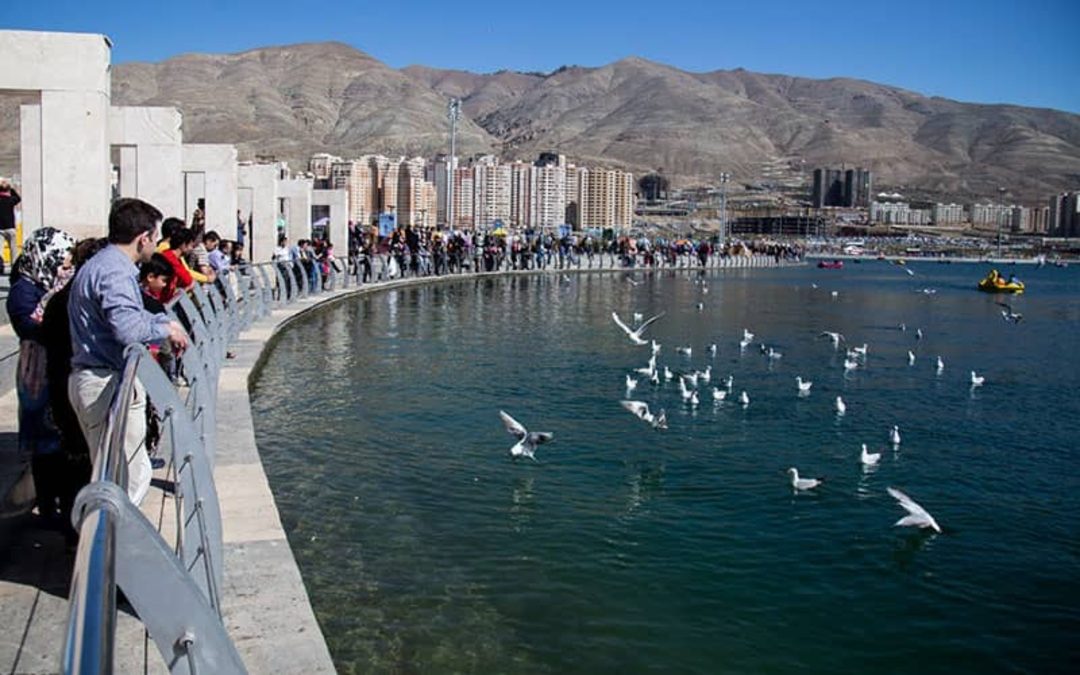
A short history of the capital
Settlement in the Tehran area reaches back thousands of years, but the town rose to real importance as a stop on the trade routes that crossed the plateau. It grew under the Safavids, and in 1786 the Qajar court made it the capital of Iran, a status it has held ever since. The Qajar era gave the city Golestan Palace and much of its ceremonial architecture. The Pahlavi period that followed pushed modernisation at speed, widening boulevards, founding universities and expanding the city far beyond its old walls. The result is a capital where four centuries of building sit side by side, and where a single afternoon can move from a nineteenth-century throne room to a contemporary art gallery.
What to see in Tehran
Golestan Palace
The UNESCO-listed Golestan Palace is the single sight most visitors should not miss. It is not one building but a complex of around seventeen structures arranged around a courtyard, built and rebuilt across the Qajar period. The Marble Throne terrace, the Mirror Hall and the windcatchers crowned with turquoise tile are the images most people carry away. Entry is ticketed, and several of the individual halls and museums charge separately, so decide in advance which interiors you want and budget accordingly. It sits in the old centre, a five-minute walk from the Panzdah-e Khordad metro station, which makes it an easy pairing with the Grand Bazaar. Rules and opening hours shift with the season and with restoration work, so confirm before you set out, and our dedicated article on Golestan Palace goes deeper into what each hall holds.
The Grand Bazaar and the old centre
South of Golestan, the Grand Bazaar is a maze of covered lanes, caravanserais and halls that has been the commercial heart of the city for centuries. Come on a working day, ideally in the morning, when the light falls through the domed ceilings and the lanes are busy but not impassable. Copperware, carpets, spices and gold are all traded here, and the experience is as much about the architecture and the crowd as about buying anything. The nearby National Museum of Iran, the Coin Museum and the former parliament building at Baharestan are all within a short walk or a single metro hop.
Sa'dabad and Niavaran
In the north, two palace complexes occupy the cooler slopes. Sa'dabad is a large, wooded estate of eighteen palaces and buildings, once a summer retreat for the royal family, with several of the smaller pavilions now open as museums. Niavaran, further east, is more modern, built in the Pahlavi era with a main palace whose design still feels contemporary. Both are half-day visits in themselves, and both sit within reach of Tajrish. From the Tajrish metro station, a short Mehyar Taxi ride brings you to the gates.
Tajrish, Darband and the northern edge
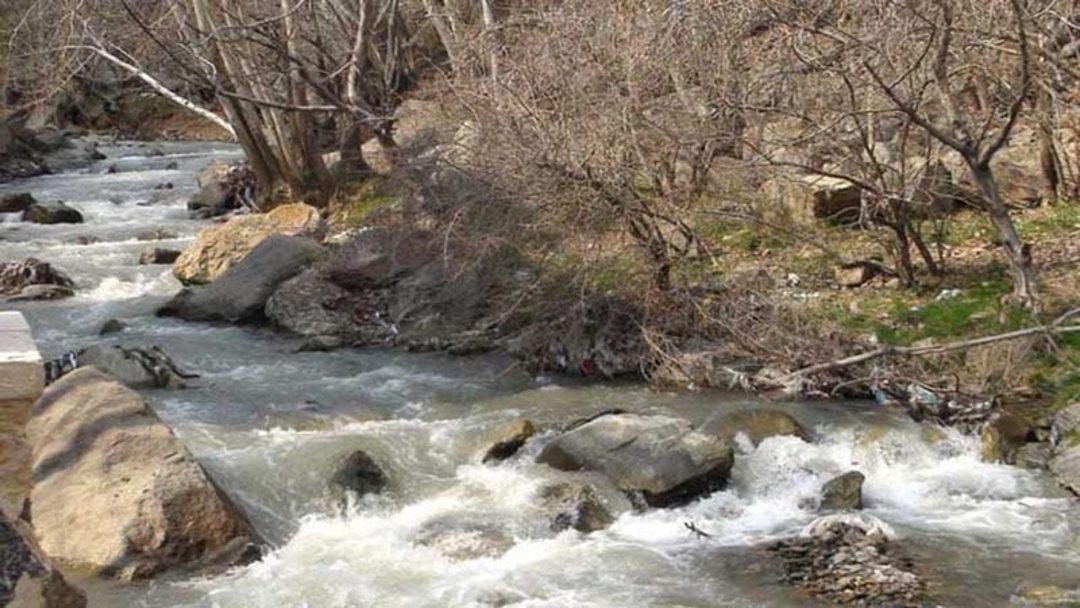
Tajrish Square is the gateway to the north. Its bazaar, smaller than the Grand Bazaar but lively, is a good place to buy fruit, nuts and sweets, and the Imamzadeh Saleh shrine with its turquoise dome stands right beside it. From Tajrish, taxis climb to Darband, where a stream runs between open-air restaurants and a walking path leads up into the foothills. Tochal, at the end of Velenjak, offers a cable car up the mountain and, in winter, some of the easiest access to skiing of any capital in the world.
Contemporary art and modern landmarks
The Tehran Museum of Contemporary Art holds a collection that surprises almost every first-time visitor, with major Western and Iranian works gathered in a striking concrete building. Milad Tower, at 435 metres, gives a wide view over the city from its observation deck, though queues and lifts can be slow on busy days, so allow more time than you expect. The Tabiat Bridge, a three-level pedestrian crossing over a northern highway, is best at sunset when the lights come on and the city spreads out below.
Food and drink in Tehran
Tehran's table reflects its role as a capital of migrants. Classic Persian cooking is everywhere, from chelow kabab and ghormeh sabzi to fesenjan and tahchin, served in both grand traditional restaurants and modest local kitchens. The city's café culture is strong and old: historic tea rooms and pastry shops, some running for decades, sit alongside modern coffee bars in the northern neighbourhoods. For a slow afternoon, a traditional restaurant with carpeted benches and live music gives a fuller sense of the city's hospitality than a quick meal. Street food, from roasted corn along the northern trails to fresh bread from neighbourhood bakeries, is worth seeking out.
Nearby and day trips
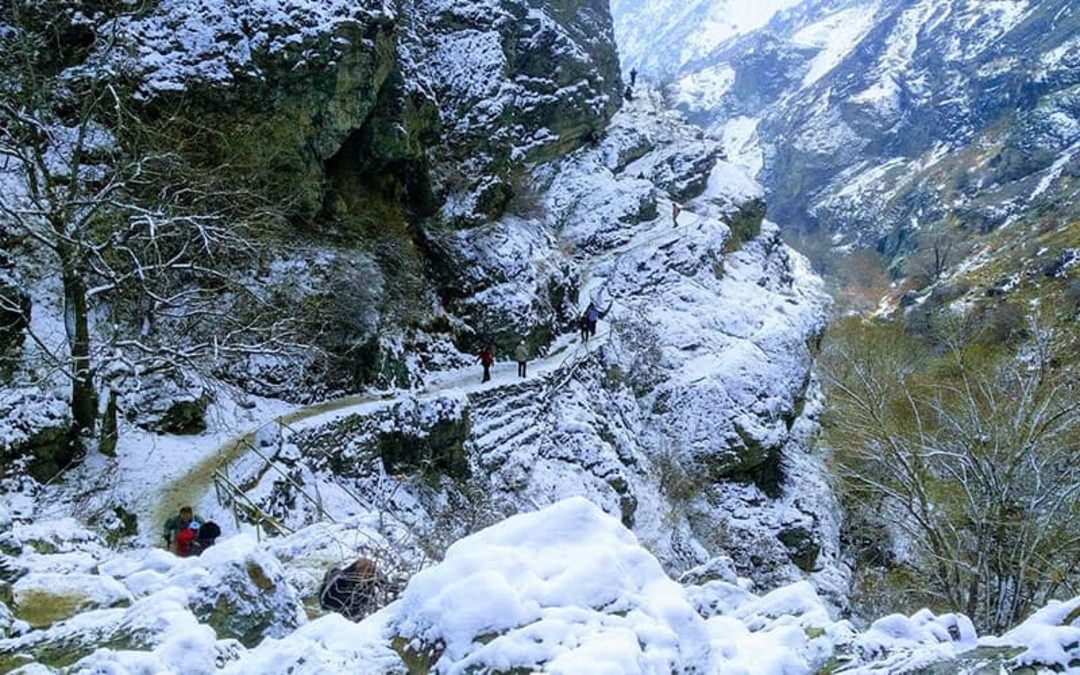
The Alborz and the desert both lie within reach of a day out. To the north, the villages along the Jajrud and Lar valleys, such as Ahar, Lavasan and Vardij with its strange rock formations, offer cool air and hiking in the warmer months. In winter, the same roads become ski country. To the south and east, the edge of the central desert begins within a few hours, with salt flats and caravanserais that make a long but rewarding day trip. For a classic multi-city route from the capital, see our Iran 7-day classic loop.
When to go
Spring, from late March through May, is the most pleasant season, with mild temperatures and the city at its greenest, though the Nowruz holidays bring their own rhythm as residents travel and the roads empty. Autumn, from September into November, is equally good, with clear skies and comfortable days. Summer is hot and dry in the city, but it is the best time to head for the mountain villages. Winter is cold, occasionally snowy, and offers skiing close to town. If you are booking accommodation, Mehyar Hotels lets you compare options by district, which matters a great deal given how far apart the north and south can feel.
Practical notes
Traffic is the defining feature of Tehran and the single biggest threat to a well-planned day. Build in more travel time than the distance suggests, use the metro for the long hops, and cluster your sights by area. Carry small cash for bazaar purchases and small vendors, and set up your payments in advance: the Mehyar wallet, with easy top-up and a tourist card, is the simplest way to handle day-to-day spending without hunting for a money changer. For connectivity, Mehyar SIM, when available, keeps you online for maps, bookings and the app itself. Our guide to internet, SIM and apps walks through the details.
Start your trip the easy way. Open Mehyar, set up your wallet, and book your airport transfer and first nights in Tehran before you fly.