
Tabriz is the kind of city that rewards travelers who look past the obvious. As the capital of East Azerbaijan province and the largest city in Iran's northwest, it has spent centuries as a crossroads of empires, trade routes, and ideas. The historic bazaar is a UNESCO World Heritage Site, the Blue Mosque still glows with turquoise tilework after six hundred years, and within a day's reach you can sleep inside a volcanic rock cone in the village of Kandovan. This guide covers what to see, how to get there, when to go, and how to use Mehyar to handle flights, hotels, taxis, and payments along the way.
Where is Tabriz?
Tabriz sits in a valley in the northwest of Iran, surrounded by mountains on three sides and open plains to the west. It is the administrative center of East Azerbaijan province and lies roughly 620 kilometers northwest of Tehran, about a seven-hour drive at average speed. The city has a population of over 1.5 million people, making it the fourth-largest city in the country. Its location near the borders with Azerbaijan, Armenia, and Turkey has shaped it into a commercial and cultural hub for the entire region. The local language is Azerbaijani Turkish, though Persian is widely understood, and you will find that many people in the tourism and hospitality sectors speak some English.
How to get to Tabriz
By air
Tabriz International Airport, officially named Shahid Madani International Airport, is the largest airport in northwestern Iran. It handles around 200 domestic and 20 international flights per week, with connections to Tehran, Mashhad, Isfahan, Shiraz, and several international destinations. The airport is located about 10 kilometers from the city center, and a taxi ride takes roughly 20 to 30 minutes depending on traffic. You can book flights to Tabriz through the Mehyar app, where you can compare schedules and prices in one place. Once you land, open Mehyar and request a taxi to your hotel. The app shows you the fare upfront, so you do not have to negotiate or wonder whether you are being overcharged.
By bus
Iran has an extensive intercity bus network, and Tabriz is well connected to major cities. From Tehran, the journey takes about seven to eight hours on comfortable overnight buses. From Isfahan, expect around 12 to 14 hours. From Rasht, the trip is roughly six hours. Bus terminals in Tabriz are served by local taxis, and you can use Mehyar to arrange your ride from the terminal to your accommodation. Bus tickets can be booked through the Mehyar app, which lets you reserve your seat in advance, especially useful during holidays when routes fill up quickly.
By train
Tabriz has a railway station with connections to Tehran, Mashhad, and other cities. The train from Tehran takes around 11 to 12 hours, often overnight. It is a comfortable option if you prefer to avoid long drives and want to see the landscape unfold. The station is located a few kilometers from the city center, and a short taxi ride will get you to your hotel. You can arrange that taxi through Mehyar as soon as your train arrives.
Getting around Tabriz
Tabriz has a growing metro system, a network of buses, and a BRT line that connects major parts of the city. Taxis are plentiful, but for visitors the easiest way to get around is to use Mehyar Taxi. The app works like a local ride-hailing service, with clear pricing and the ability to pay through your Mehyar wallet. This means you do not need to carry large amounts of cash for every ride, and you do not need to explain your destination in a language you may not speak. For longer stays, you can top up your wallet in the app and use it for taxis, hotels, and other services throughout your trip.
A short history of Tabriz
Tabriz has been a city of importance for well over a thousand years. It served as the capital of several dynasties, including the Ilkhanids, the Aq Qoyunlu, the Safavids, and the Qajars. During the Ilkhanid period, it was one of the most important cities in the entire region, a center of trade, scholarship, and art. The city was a key stop on the Silk Road, and its bazaar grew into one of the largest covered markets in the world. Tabriz was also the birthplace of the Constitutional Revolution in the early twentieth century, a movement that reshaped Iran's political landscape. Today, the city's museums, mosques, and historic houses tell the story of that long and layered past.
What to see in Tabriz
Tabriz Historic Bazaar Complex
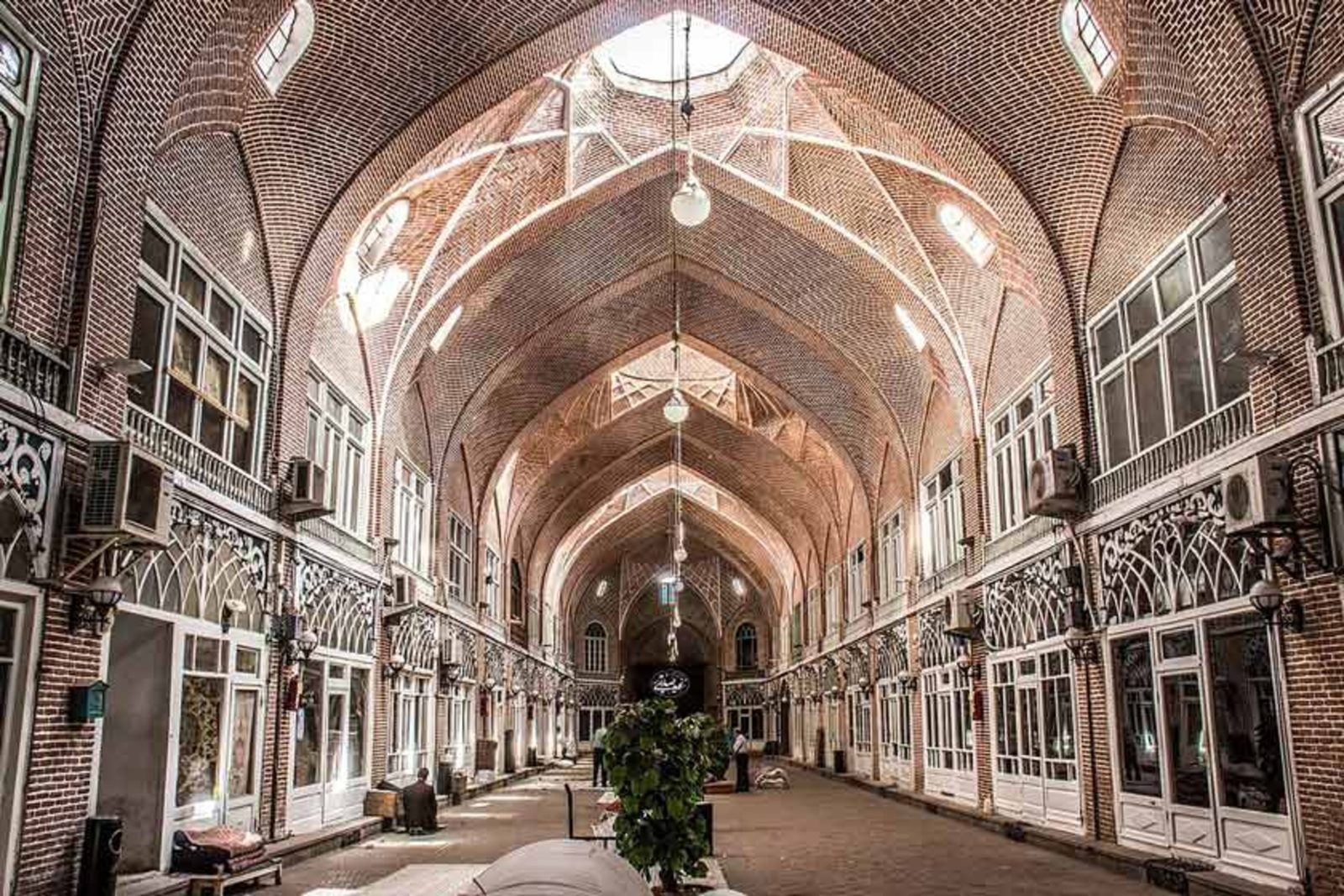
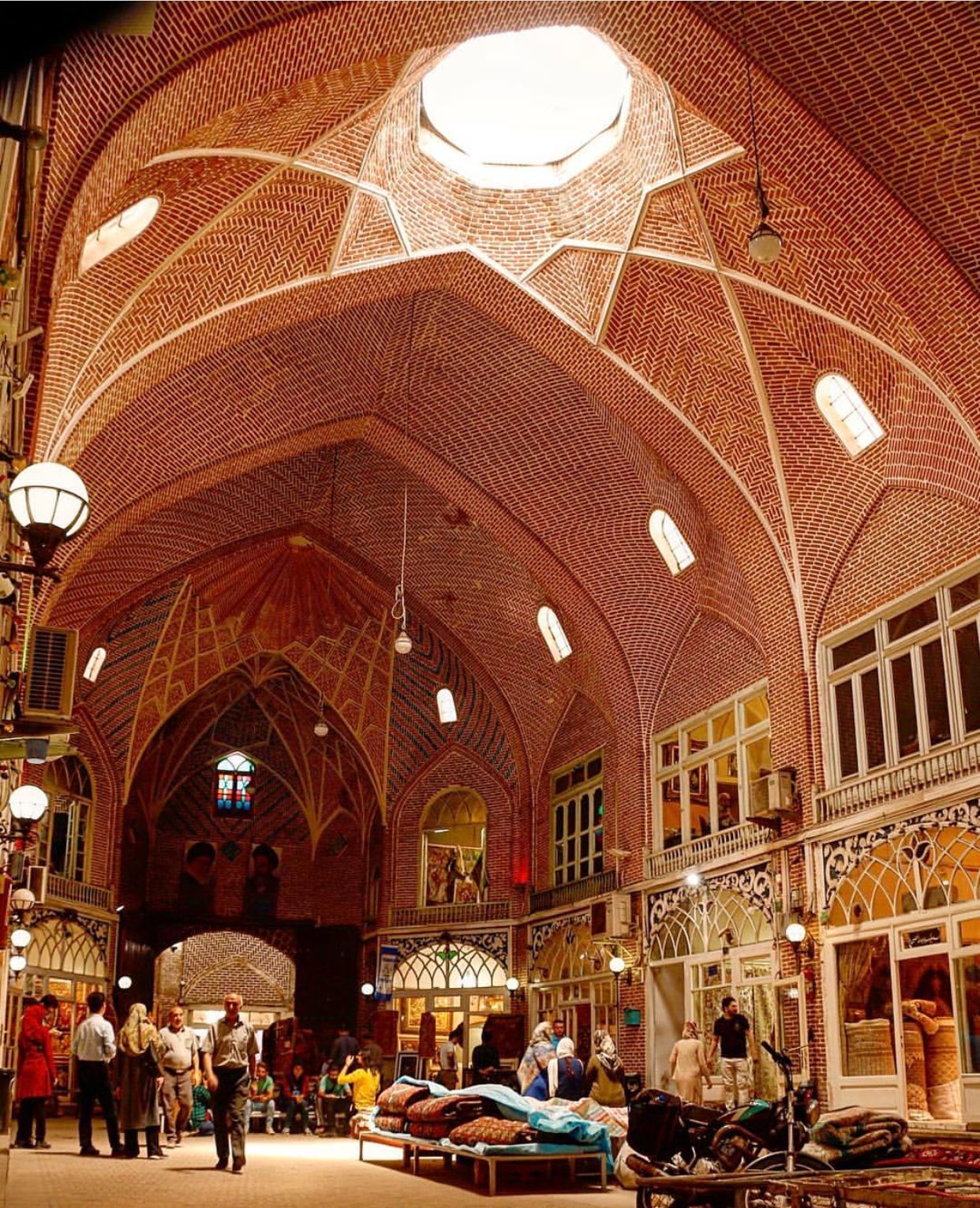
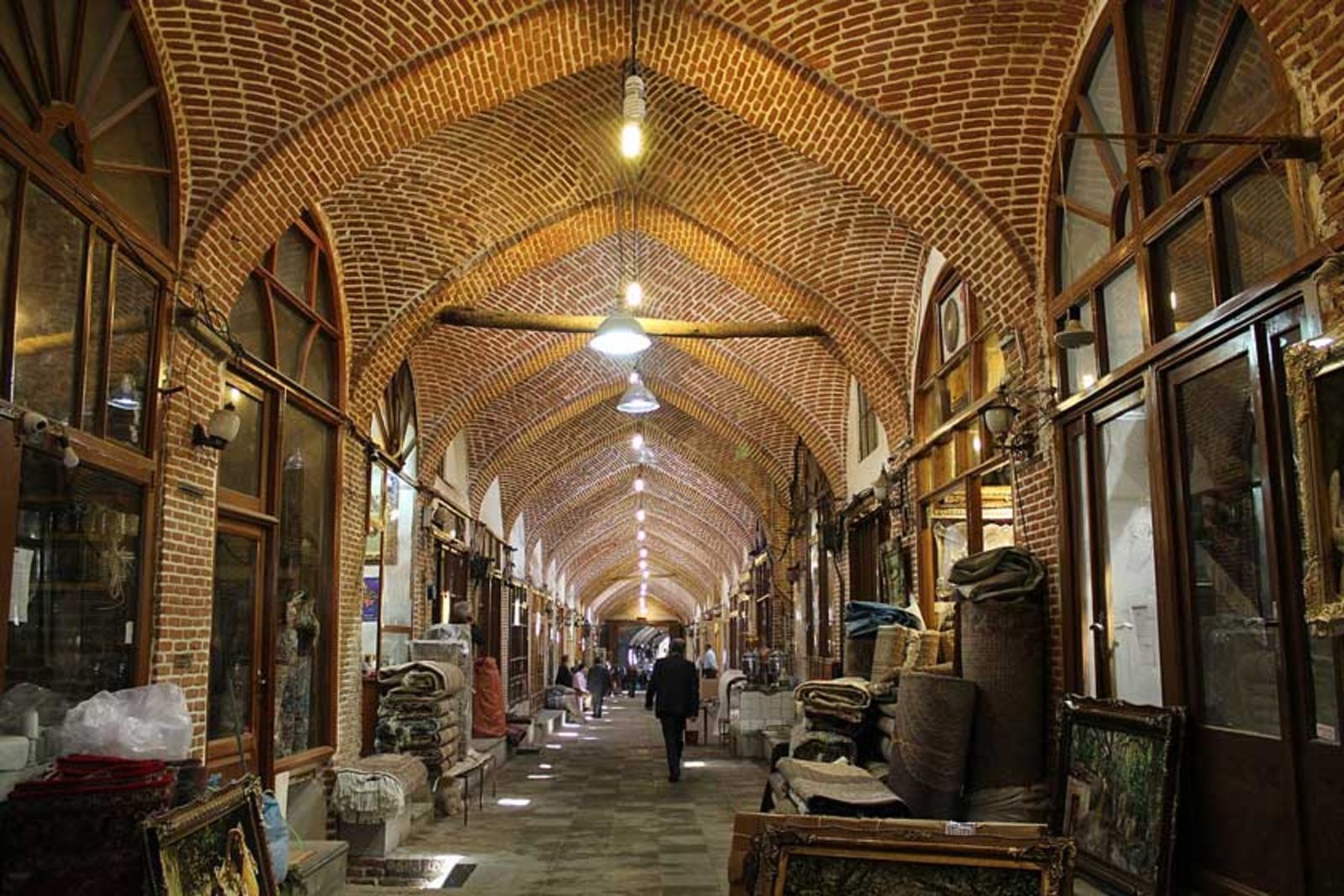
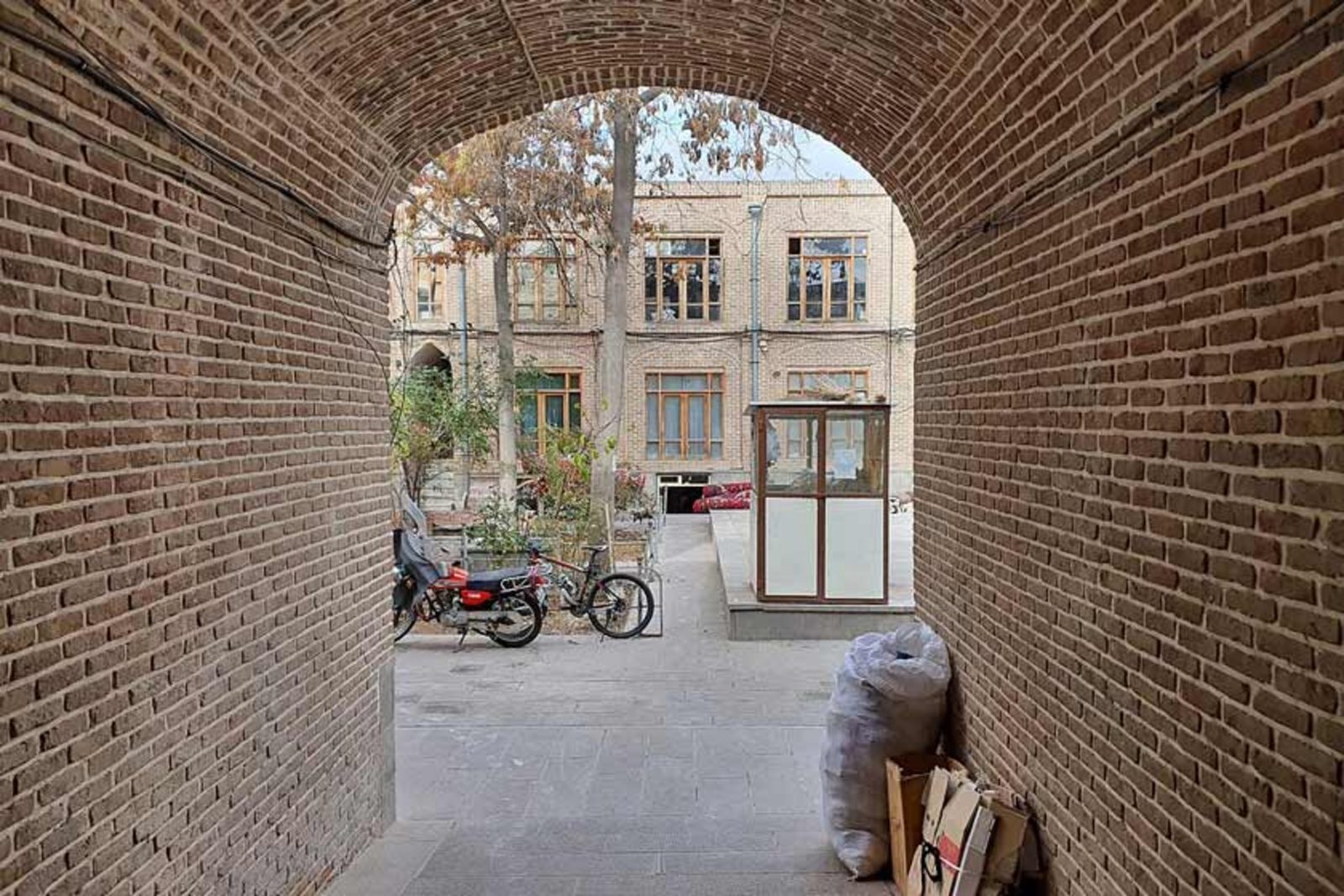
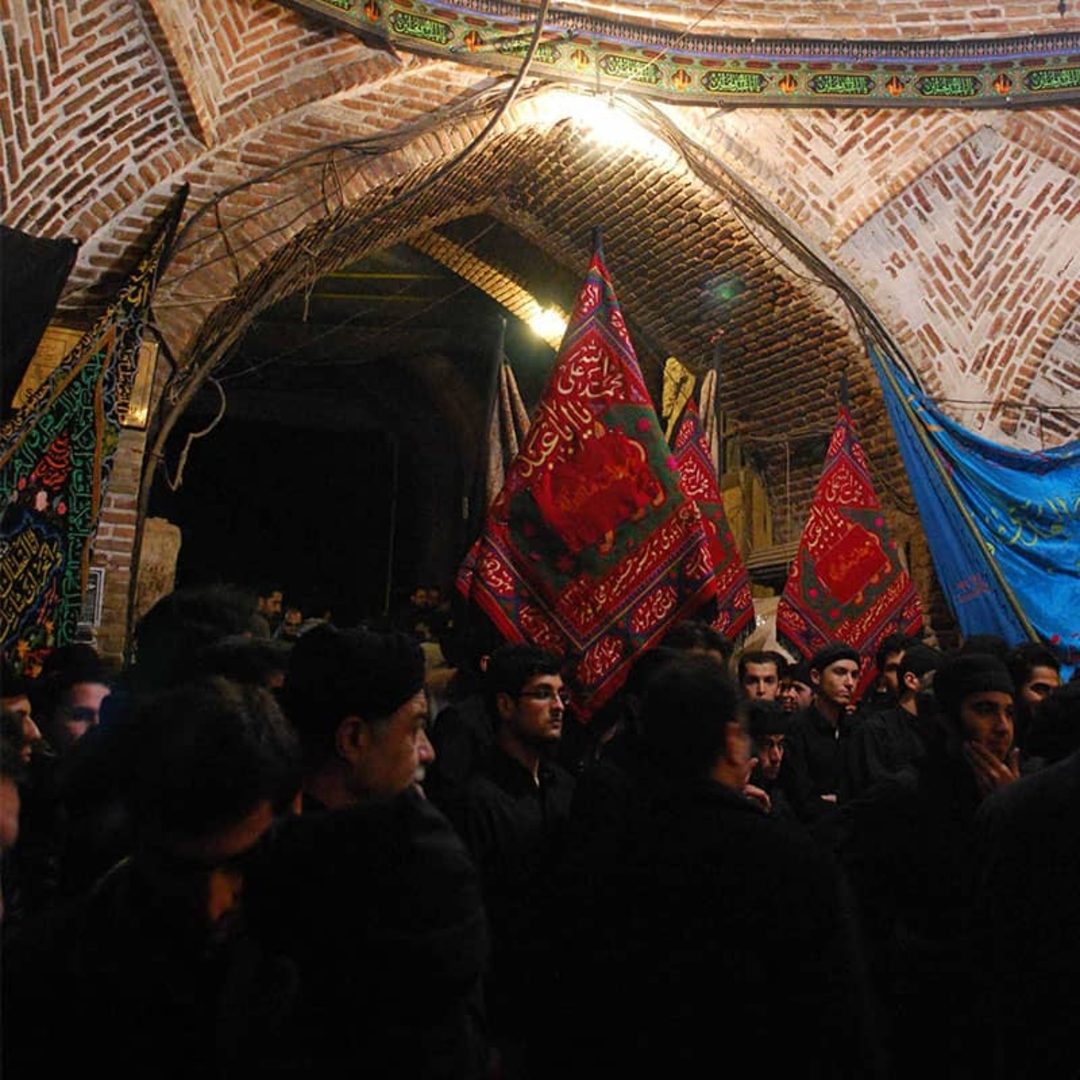
The Tabriz Historic Bazaar is the heart of the city and its most famous landmark. It is the largest covered bazaar in the world, spanning over one square kilometer, and it was inscribed as a UNESCO World Heritage Site in 2010. The bazaar is not a museum piece. It is a living, working market where you can buy carpets, leather goods, silver jewelry, dried fruit, nuts, spices, and almost anything else you might need. The brick vaults and domes create a remarkable atmosphere, especially in the early morning when the light filters through the openings and the corridors are quiet.
Some travelers describe the bazaar as a maze, and they are not wrong. It has dozens of entrances and hundreds of shops, caravanserais, and timchehs, which are smaller covered halls. Notable sections include the Amir Bazaar, the Mozafarieh Timcheh, and the Sadeghieh Bazaar. If you are looking for a specific item, ask a shopkeeper for directions. People are generally helpful, and many will walk you part of the way themselves. The bazaar is busiest in the late morning and afternoon. It is closed on Fridays, and some sections close earlier on Thursdays. For a deeper look at how to navigate Iran's markets, see our guide to paying in Iran, which covers cash, cards, and the Mehyar wallet.
Blue Mosque (Masjed-e Kabud)
The Blue Mosque, known locally as Masjed-e Kabud, is one of the most beautiful buildings in Tabriz and a masterpiece of Timurid architecture. It was commissioned in the fifteenth century by Abu Muzaffar Jahan Shah of the Qara Qoyunlu dynasty, at the request of his daughter. The mosque was severely damaged by an earthquake in 1779, and much of it was rebuilt over the following decades. What remains is still extraordinary. The interior is covered in some of the finest turquoise and lapis lazuli tilework in Iran, with intricate calligraphy and geometric patterns that have survived centuries of wear. The mosque has no minarets, but its two domes and the surrounding courtyard give it a distinctive silhouette. It is located on Imam Khomeini Street, near the city center, and is easy to reach by taxi or on foot from the bazaar.
Constitution House (Khaneh-e Mashrouteh)
The Constitution House is a museum housed in a Qajar-era mansion that belonged to Haj Mehdi Koozehkanani, a prominent merchant and supporter of the Constitutional Revolution. During the early twentieth century, this house became a gathering place for leaders of the movement, including Sattar Khan and Baqer Khan. Today, it displays documents, photographs, and personal items from that period, including Sattar Khan's waist gun. The building itself is a fine example of Qajar architecture, with stained glass windows, ornate plasterwork, and a peaceful courtyard. It is located on Shahid Motahari Street, opposite the Jameh Mosque, and is open to visitors daily except Fridays.
Jameh Mosque of Tabriz
The Jameh Mosque, or Friday Mosque, is one of the oldest religious buildings in the city. Its construction dates back to the Seljuk period, with additions and restorations in later centuries. The mosque has a large courtyard, a prayer hall with thick columns, and a dome that shows the influence of different architectural eras. It is less ornate than the Blue Mosque, but its age and atmosphere make it worth a visit. It is located at the end of the bazaar, on Shahid Motahari Street, and is open throughout the day.
Arg-e Alishah (Tabriz Citadel)
The Arg-e Alishah is the remains of a massive citadel that dates back to the Ilkhanid period. It was originally intended to be a mosque, but construction was halted after the roof collapsed and the patron, Alishah, died. Later, during the Qajar era, it was converted into a military fortress. Today, only the southern wall and a large arched portal remain, but they are enough to convey the scale of the original structure. The citadel is located near Sa'at Square in the city center and is a popular spot for photographs, especially in the late afternoon light.
El Goli Park
El Goli, also known as Shah Goli, is a large park in the southeast of Tabriz. It is built around a small lake, with a pavilion in the middle that dates back to the Qajar era. The park is a favorite gathering place for locals, especially in the evenings and on weekends. You can walk around the lake, rent a boat, or simply sit in one of the many tea houses and watch the fountains. In winter, the lake sometimes freezes, and the park takes on a different kind of beauty. It is easily reachable by taxi, and you can use Mehyar to get there and back without worrying about parking or directions.
Azerbaijan Museum
The Azerbaijan Museum is the second-largest archaeological museum in Iran, after the National Museum in Tehran. It houses a collection that spans from the prehistoric period to the Islamic era, including pottery, metalwork, coins, and seals. Highlights include artifacts from the Hasanlu archaeological site, which date back to the fifth millennium BCE, and a pair of stone "money bags" from the Bronze Age that are as mysterious as they are beautiful. The museum is located on Imam Khomeini Street, near the Blue Mosque, and is open daily except some public holidays.
Maqbarat-o-Sho'ara (Cemetery of Poets)
The Maqbarat-o-Sho'ara is a memorial and cemetery dedicated to poets, writers, and scholars from Tabriz and the surrounding region. More than 400 notable figures are buried here, including the poet Shahriar, whose verses are beloved across Iran. The current structure, a modern monument with a distinctive design, was completed in the late 1980s. It is a quiet, contemplative place, and the views over the city from its elevated position are worth the trip. It is located in the Sheshgelan district, and a taxi from the center takes about 15 minutes.
Day trip to Kandovan
Kandovan is a village about 60 kilometers southwest of Tabriz, near the town of Osku. It is one of the few places in the world where people still live in houses carved directly into volcanic rock cones. These cone-shaped formations, known locally as "karan," were formed by ancient eruptions of Mount Sahand. The village is often compared to Cappadocia in Turkey, but Kandovan has its own character. It is a living community, not an abandoned tourist site, and the rock houses are still used as homes, storage rooms, and guesthouses.
The architecture is remarkable in its simplicity and efficiency. The volcanic rock naturally regulates temperature, keeping interiors cool in summer and warm in winter. Many of the dwellings have two to four levels, with the lower level used for livestock, the middle levels for living and guests, and the top level for storing food. Narrow stone paths wind between the cones, and you can often see villagers going about their daily lives. There are small shops selling honey, herbs, and handicrafts, and a few tea houses where you can sit and take in the view.
To get to Kandovan from Tabriz, you can take a bus or shared taxi to Osku and then hire a local taxi to the village, or you can book a private car through Mehyar for a more comfortable and direct journey. The drive takes about an hour. If you prefer to stay overnight, the Laleh Kandovan Rock Hotel offers rooms carved into the rock, combining modern comforts with a truly unique setting. You can book hotels in Kandovan and Tabriz through the Mehyar app, and use Mehyar Taxi to arrange your transport. For more on planning a first trip to Iran, including visa and payment basics, see our article on first trip to Iran.
Food and souvenirs
Tabriz has a rich culinary tradition, and food is one of the best ways to experience the city's culture. The most famous local dish is kufteh Tabrizi, a large meatball stuffed with rice, split peas, and dried fruit. It is hearty and flavorful, and you will find it in many traditional restaurants. Other local specialties include dizi, a lamb and chickpea stew served in a stone pot, and various types of dolma, which are stuffed vegetables. The city is also known for its sweets, particularly qurabiya, a type of almond cookie, and noga, a nougat-like confection. You can find these in the bazaar and in specialty shops around the city.
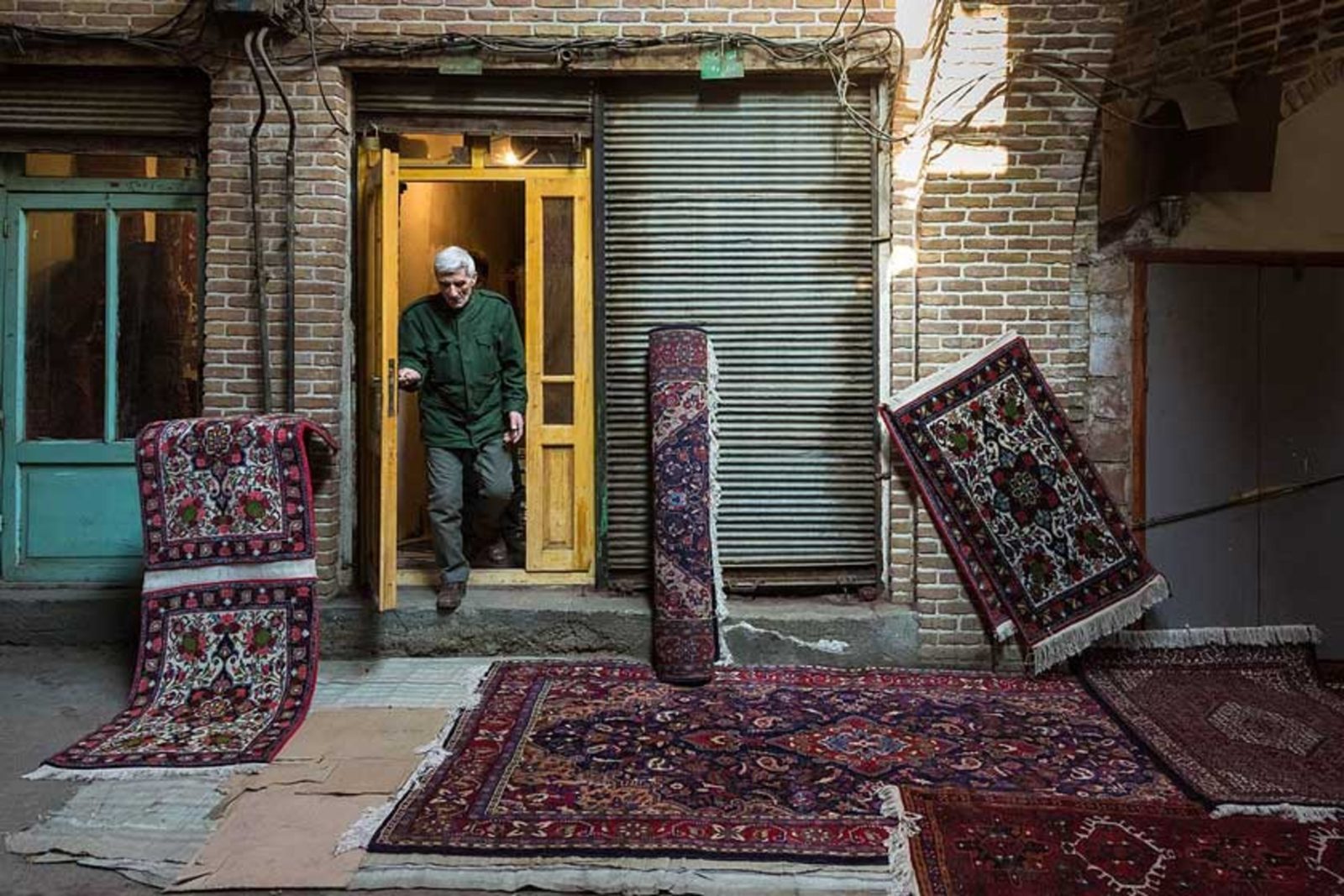
For souvenirs, Tabriz is famous for its carpets. Tabriz carpets are among the finest in Iran, known for their intricate designs and high knot density. They are not cheap, but they are a genuine investment. If you are not in the market for a carpet, you can find leather goods, silver jewelry, and traditional handicrafts in the bazaar. Dried fruit and nuts from Tabriz are also excellent, and make for easy gifts to bring home. When you shop, you can pay with your Mehyar wallet at participating merchants, or withdraw cash if needed. For more on how to handle money in Iran, see our guide to paying in Iran.
When to go
The best time to visit Tabriz is from late spring to early autumn, roughly from May to September. Summers are mild and pleasant, with average temperatures around 24 degrees Celsius, making it a comfortable escape from the heat of central and southern Iran. Spring and autumn are also good, with cooler weather and fewer crowds. Winters in Tabriz are cold, with temperatures often dropping below freezing, and snow is common from December to February. If you visit in winter, pack warm clothing and be prepared for icy conditions. The city is less crowded in winter, and hotel prices are often lower, but some outdoor attractions may be less enjoyable.
Practical notes
Tabriz is generally a safe city for travelers, and locals are known for their hospitality. As in the rest of Iran, women are required to wear a headscarf and modest clothing in public. Men should avoid shorts. Alcohol and pork are not available. International credit and debit cards do not work in Iran, so you will need to rely on cash or a local payment solution. The Mehyar wallet is designed for exactly this situation. You can top up your wallet at authorized locations, and use it to pay for taxis, hotels, and other services. The app also lets you book flights, buses, and hotels, and you can use the Mehyar planner to organize your itinerary.
If you are planning a longer trip through Iran, Tabriz fits naturally into a route that includes Tehran, Isfahan, Shiraz, and Yazd. Our 14-day grand tour of Iran covers those cities in detail, and you can use Mehyar to book the flights and buses that connect them. For travelers starting in the capital, our Tehran guide explains how to navigate the city and what to see.
Tabriz is a city that rewards curiosity. Whether you are wandering through the bazaar, standing in the shadow of the Blue Mosque, or sipping tea in a rock-carved house in Kandovan, you will find that the northwest of Iran has a character all its own. Open Mehyar, book your flight or bus, find a hotel, and let the app handle the logistics. The rest is yours to discover.