
The Day of Hope and the Birth of a Prophet
On the sixth day of Farvardin, the first month of the Iranian calendar, a quiet but deeply significant celebration takes place across Iran. This day, known as Khordadegan or the Day of Hope, marks the birth of Zoroaster, the ancient prophet whose teachings shaped one of the world's oldest monotheistic religions and left an imprint on Iranian civilization that persists to this day. In the Zoroastrian tradition, Zoroaster was not only born on this day but also received his prophetic calling on the same date, making it doubly sacred. For Zoroastrians in Iran, India, and Pakistan, Khordadegan is an occasion for prayer, pilgrimage to fire temples, family gatherings, and the preservation of rituals that reach back thousands of years.
Who Was Zoroaster?
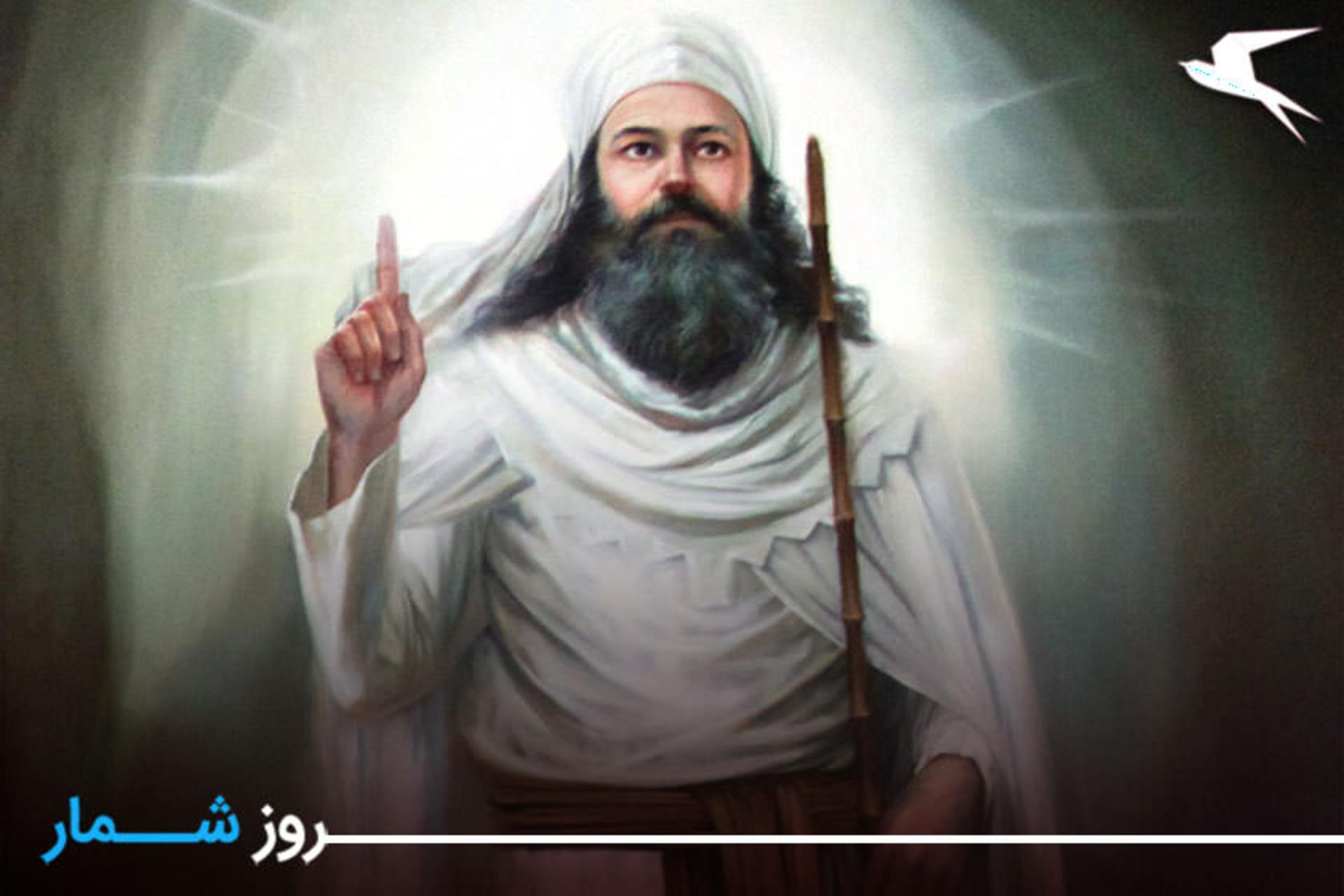
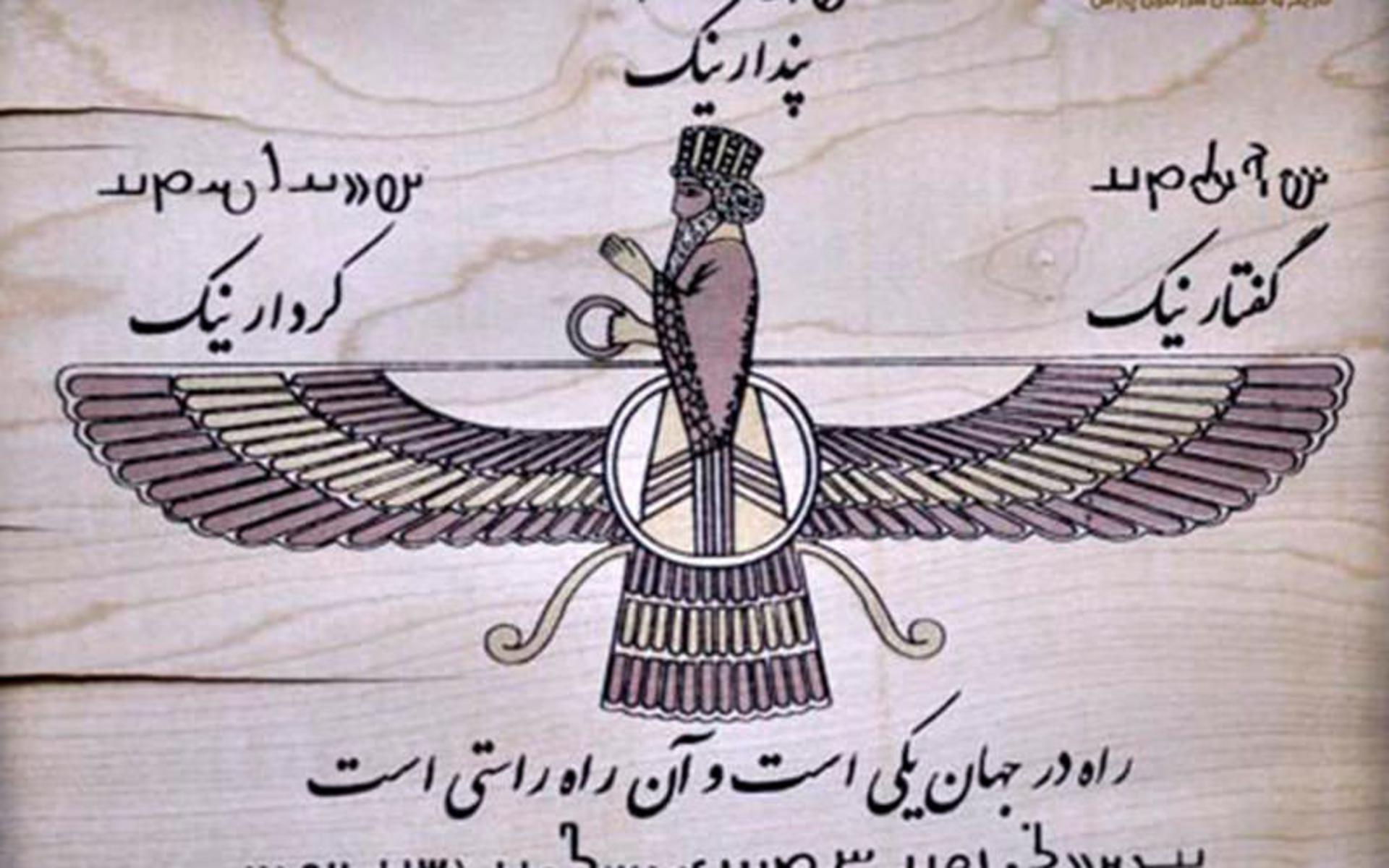
Zoroaster, known in the Avestan language as Zarathushtra, was a prophet and religious reformer whose exact historical dates remain debated by scholars. According to Zoroastrian tradition, he was born beside the Dargi River near Urmia in northwestern Iran, during the reign of King Lohrasp. His father's name was Spitaman, and the prophet was known as Zarathushtra Spitaman in his early years. The central message he preached was deceptively simple in its formulation yet profoundly demanding in its application: Humata, Hukhta, Hvarshta, which translates to Good Thoughts, Good Words, Good Deeds.
Zoroaster presented himself not as a divine being but as a teacher, someone who called humanity toward the light of wisdom and away from the darkness of deceit. He taught that each person is the creator of their own destiny, responsible for the moral quality of their thoughts and actions. The concept of divine justice, in his system, was not arbitrary but rooted in the natural consequences of ethical or unethical behavior. He also taught that truth and righteousness are attributes of the divine, and that the highest purpose of human life is to align oneself with these qualities.
According to tradition, Zoroaster received his prophetic mission on this same day, the sixth of Farvardin, during the reign of King Goshtasb. The confluence of birth and calling on a single date is what gives Khordadegan its extraordinary significance in the Zoroastrian calendar. Mobed Kourosh Niknam, a prominent Zoroastrian scholar, has described the entirety of Zoroaster's message as encapsulated in the triple formula of good thoughts, good words, and good deeds, and has noted that the prophet's emphasis on wisdom, equality, freedom, and equal rights for all humans makes his teachings remarkably relevant to modern concerns.
The Avesta: Scripture of an Ancient Faith
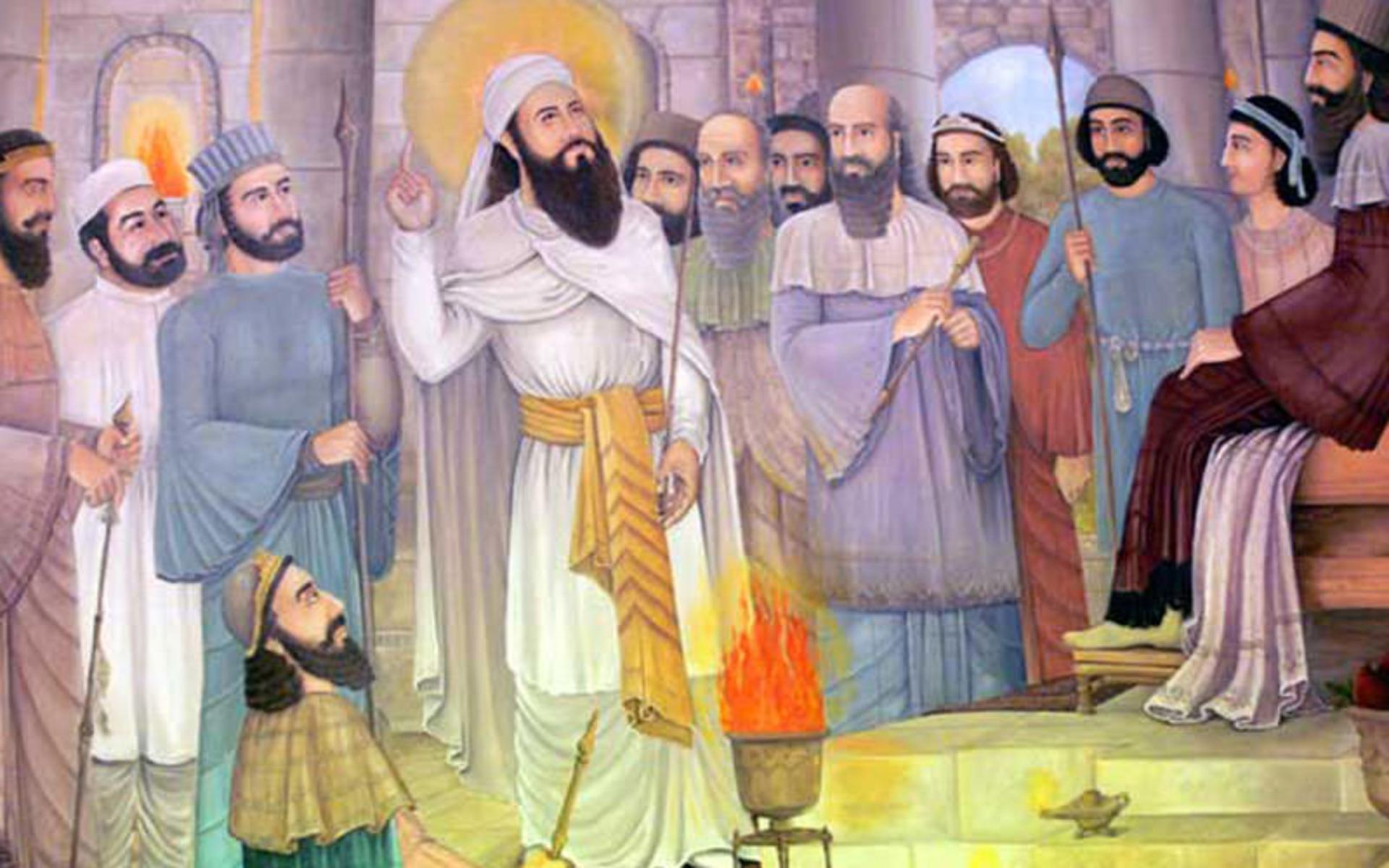
The Avesta, the sacred scripture of Zoroastrianism, is among the oldest religious texts in the world and a testament to the sophistication of ancient Iranian civilization. The original compilation, preserved by generations of priestly scholars, suffered catastrophic losses when the libraries of the Achaemenid palaces at Persepolis were destroyed during Alexander of Macedon's conquest. What survived was transmitted orally from priest to priest across centuries, a feat of memory and devotion that speaks to the centrality of these texts in Zoroastrian communal life.
It was not until the Sassanid period that a concerted effort was made to collect and codify the scattered teachings. According to historical accounts, the Iranian king Valash I (reigned 51 to 78 CE) commissioned the Zoroastrian magi to compile the Avestan teachings into a single written collection. By the sixth of Farvardin in 77 CE, the magi delivered their compilation to the king, promising to continue refining it. The task was ultimately completed under Ardeshir Papakan, with the high priest Tansar overseeing the final form: 348 chapters comprising more than a million words across 21 books.
During the reign of Shapur II (Dhu al-Aktaf), previously lost sections were recovered and added, and because the text was in Avestan, an archaic language, commentaries known as the Zend were written to make the teachings accessible. An abridged version called the Khorda Avesta was later compiled for ease of reference. The history of these textual developments is recorded in the book Din Kard. Zoroaster was, in addition to his prophetic role, a poet and philosopher of considerable stature, and the Gathas, the hymns attributed to him personally, remain among the most powerful expressions of religious thought in the ancient world.
Khordadegan: The Festival and Its Observances
For Zoroastrians, Khordadegan is celebrated with prayers at fire temples and Atash Bahrams, the highest grade of fire temple. In Iran, communities gather at their local dar-e mehr (houses of worship) for special ceremonies. In India and Pakistan, where Parsi communities have maintained their Zoroastrian heritage for over a millennium, the day is known as Khordad Sal, and devotees make pilgrimages to fire temples in groups, dressed in their finest clothes.
The celebrations include the recitation of Avestan prayers, the performance of the Afrinagan ceremony (a blessing ritual), and communal meals featuring traditional foods. It is a day of spiritual renewal, community bonding, and the reaffirmation of the faith's core values. In Iran, the day is also observed by many non-Zoroastrian Iranians who recognize it as part of their cultural heritage, and the celebrations blend religious observance with cultural festivity.
The Bowl Divination Ritual: Fal-e Kuze
One of the most charming customs associated with Khordadegan is the practice of Fal-e Kuze, the bowl divination ritual. The night before the celebration, family members and friends each wrap a small personal item in a green cloth and place it in a new clay bowl. The bowl is covered and set among myrtle bushes, plants considered sacred in the Zoroastrian tradition. After several hours, the bowl is taken and held over incense smoke, then given to a young girl who has not yet reached puberty.
She draws items one at a time from the bowl while someone recites poetry from memory. Each verse is interpreted as a message about the owner of the item, offering insight, fortune, or gentle humor about the year ahead. When all items have been drawn and their corresponding verses recited, the objects are returned to their owners. This ritual, with its blend of mysticism, poetry, and communal intimacy, exemplifies the way Zoroastrian customs interweave the spiritual and the social.
Another custom associated with the day is tree planting. When a child was born, the father would plant an evergreen tree, such as a cypress, myrtle, or pine, in a suitable location, and tend it alongside the child's growth. This practice, which reflects the Zoroastrian reverence for nature and the sanctity of creation, has echoes in modern Iranian culture's emphasis on planting trees during the Nowruz period.
Fire Temples and Sacred Sites in Iran
For travelers interested in experiencing the living heritage of Zoroastrianism, Iran offers several important sites. The most prominent fire temples are located in Yazd and Kerman, where Zoroastrian communities have maintained continuous worship for centuries. The Atash Bahram fire temple in Yazd houses a flame that, according to tradition, has been kept burning continuously for over 1,500 years. The architecture of these temples, with their distinctive ventilation systems designed to keep the sacred flame alive while preventing it from being extinguished by wind or rain, is itself a marvel of ancient engineering.
In addition to active fire temples, archaeological sites across Iran bear witness to the long history of Zoroastrian presence. Pasargadae, the tomb of Cyrus the Great, reflects the Achaemenid period when Zoroastrianism was the dominant faith of the empire. Naqsh-e Rostam, near Persepolis, contains Sassanid-era rock reliefs depicting investiture scenes with Ahura Mazda. And the Towers of Silence outside Yazd, where Zoroastrians traditionally placed their dead for excarnation, offer a sobering encounter with funerary practices that have now been discontinued.

Zoroaster's Continuing Influence
The influence of Zoroastrian thought extends well beyond the communities that practice the faith today. Scholars have traced echoes of Zoroastrian concepts, including dualism, eschatology, and angelology, in Judaism, Christianity, and Islam. The idea of a final judgment, the concept of a savior figure, and the division of the spiritual world into forces of light and darkness all have roots or parallels in Zoroastrian theology.
From the seventeenth century onward, European scholars began to take serious notice of Zoroastrian texts. German philosophers, in particular, have expressed admiration for the ethical framework of the Gathas. In the twentieth and twenty-first centuries, interest in Zoroaster's teachings has grown globally, with increasing attention to their relevance for environmental ethics, interfaith dialogue, and the philosophy of nonviolence. The Zoroastrian emphasis on human responsibility for the state of the world resonates strongly with contemporary concerns about sustainability and moral accountability.
In Iran, Zoroastrian heritage is woven into the cultural fabric in ways that many Iranians absorb without conscious awareness. The Nowruz celebration itself, with its emphasis on renewal, truth-telling, and the triumph of light over darkness, carries unmistakable Zoroastrian echoes. The Persian calendar, with its day and month names drawn from Zoroastrian angelology, is a living artifact of the faith. And the ethical impulse toward good thoughts, good words, and good deeds remains, for many Iranians, a cultural given rather than a religious prescription.
Visiting Iran During Khordadegan
For travelers visiting Iran during the first week of Farvardin, which falls around late March in the Gregorian calendar, the coincidence of Nowruz and Khordadegan creates a uniquely festive atmosphere. The streets are decorated, families are in a celebratory mood, and the cultural institutions are open. While the specifically Zoroastrian ceremonies may not be open to non-Zoroastrian visitors, the broader cultural observances are accessible, and the spirit of the occasion, one of hope, renewal, and the celebration of light, permeates the entire country.
Mehyar can help travelers plan visits to Yazd's Zoroastrian sites, arrange transport between the fire temples and the Towers of Silence, and connect the experience with a broader exploration of Iran's ancient heritage. The cities of Yazd, Kerman, and Pasargadae form a triangle of Zoroastrian history that rewards a dedicated journey, and the first week of Farvardin is as good a time as any to make that journey.
A Prophet for All Seasons
Zoroaster's message, distilled to its essence, is remarkably free of the sectarian rigidity that marks so many religious traditions. He did not claim divinity for himself, did not demand worship, and did not exclude anyone from the path of righteousness. His insistence on personal moral responsibility, his celebration of joy and hope, and his vision of a cosmos in which truth ultimately prevails over falsehood make his teachings as relevant today as they were three millennia ago. For the traveler in Iran, understanding Zoroaster is not an academic exercise. It is a key to understanding the deeper currents of Iranian civilization, the roots of its celebration of light and renewal, and the ethical instincts that continue to shape its culture.