
Why Iranian Bazaars Matter
The bazaar is the beating heart of every traditional Iranian city. Far more than a marketplace, it is a covered world of arched corridors, domed chambers, and narrow alleys where merchants have traded for centuries. Iran's bazaars are among the finest surviving examples of traditional covered markets anywhere, many of them registered as national heritage sites and some stretching back a thousand years.
For travelers, shopping in an Iranian bazaar is one of the most memorable experiences the country offers. You can watch coppersmiths hammer out trays in the same quarter they have worked for generations, buy saffron that was harvested just weeks ago, and sip tea while negotiating the price of a hand-knotted carpet. The architecture alone is worth the visit: ornate tilework, carved wooden doors, and the grand domed halls known as timchehs, built to shelter merchants and their goods from sun and rain.
What Is a Traditional Iranian Bazaar?
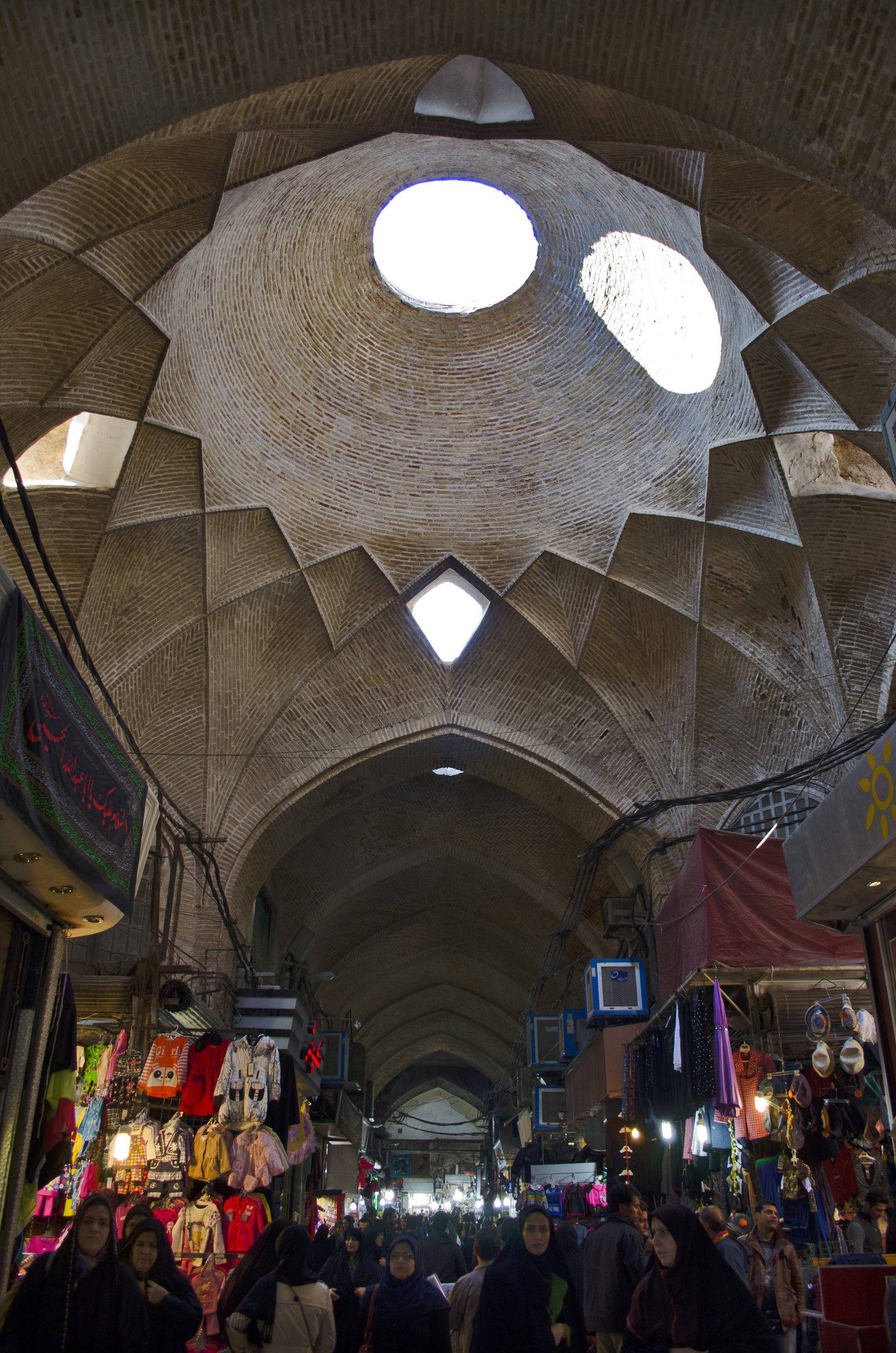
An Iranian bazaar is not a single open-air market. It is a purpose-built covered complex, often organized by trade. Each section, called a rasteh, is dedicated to a particular craft or commodity. You will find the carpet sellers clustered in one quarter, the spice merchants in another, the goldsmiths and coppersmiths in their own lanes. This arrangement is centuries old and persists today.
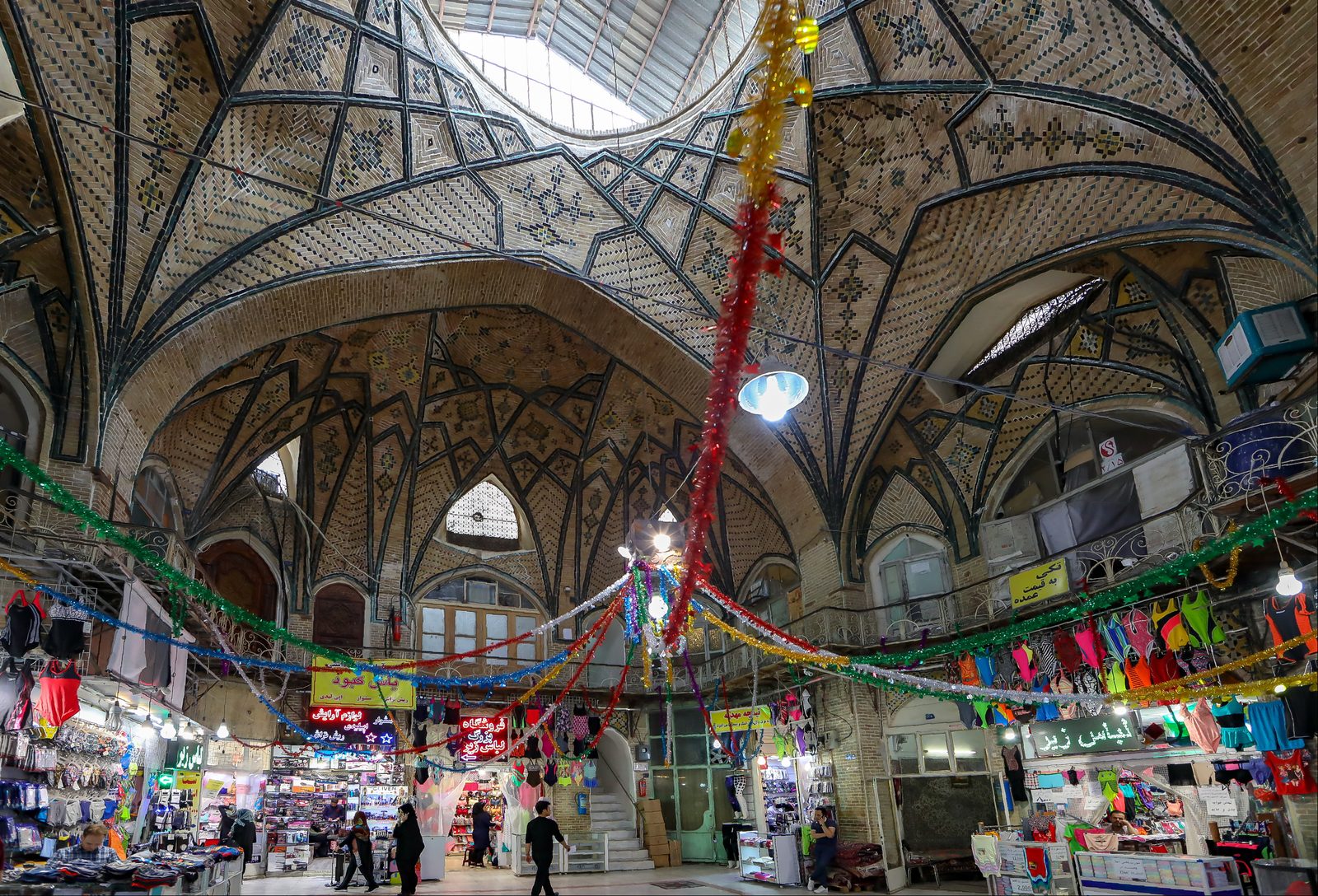
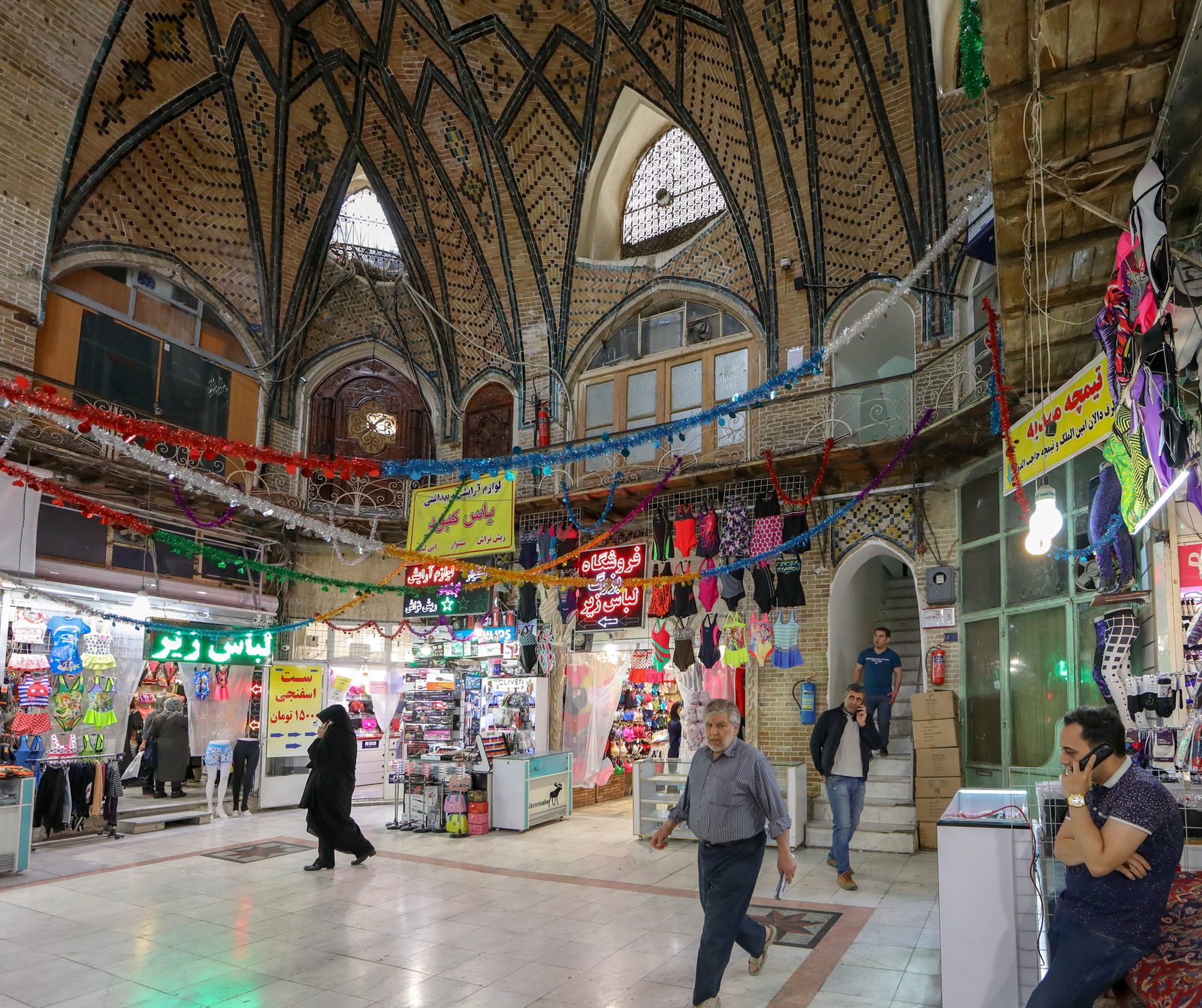
The architecture follows a pattern. Long covered corridors, or qeysarieh, connect a series of domed chambers and courtyards. Caravanserais, large enclosed courtyards where traveling merchants once stored their goods and rested their animals, are scattered throughout. Timchehs, grand vaulted halls with intricate brickwork ceilings, served as the showrooms for the most valuable merchandise, especially carpets.
Most bazaars open around 8:00 in the morning and stay open until 9:00 or 10:00 at night. They are free to enter, and you will find them in virtually every Iranian city of any size. Friday is typically the day when bazaars are quietest, as many merchants observe the weekly holiday, though the major bazaars in large cities remain partially open.
The Best Bazaars to Visit
Tehran Grand Bazaar
The Grand Bazaar of Tehran is the largest and busiest in Iran, stretching across several hectares south of Imam Khomeini Square. It is a city within a city, with its own mosques, banks, restaurants, and thousands of shops. The carpet section is particularly famous, with merchants displaying handmade rugs from every corner of the country. The gold quarter is another highlight, filled with window displays of intricate jewelry.
Tehran's bazaar is overwhelming at first, but that is part of the experience. Allow at least half a day, wear comfortable shoes, and do not be afraid to wander off the main corridors into the smaller sections.
Isfahan Grand Bazaar
The Bazaar-e Bozorg of Isfahan connects Naqsh-e Jahan Square to the city's older districts through a network of vaulted passages dating to the Safavid era. It is one of the most beautiful bazaars in the Middle East, with fine examples of Islamic architecture at every turn. The Qeysarieh Gate, at the northern end of the square, is adorned with magnificent tilework depicting scenes of battle and hunting.
Inside, you will find excellent examples of Isfahan's signature crafts: hand-engraved copperware called ghalamzani, miniature paintings, and the famous Isfahan half-and-seven carpets. The bazaar also has excellent textile shops, spice stalls, and sweet shops selling the local specialty, gaz, a nougat made with pistachios and rosewater.
Tabriz Covered Bazaar
The Bazaar-e Tabriz holds UNESCO World Heritage status and is one of the oldest and largest covered bazaars in the world. Its network of covered routes stretches for several kilometers, with some sections dating to the Silk Road era. Tabriz was once one of the great trading hubs between East and West, and the bazaar still carries echoes of that golden age.
The carpet section is legendary. Tabriz carpets are among the finest in Iran, known for their intricate designs and high knot density. Even if you have no intention of buying, walking through the carpet halls and watching merchants unroll carpets in the soft light filtering through the ceiling openings is unforgettable.
Kashan Bazaar
Kashan's bazaar is smaller than Tehran's or Tabriz's but is considered one of the most beautiful. Built during the Seljuk and later periods, it features stunning architecture, including the magnificent Timcheh of Amin od-Dowleh, a vaulted hall with a ceiling of interlocking bricks that is a masterpiece of Persian engineering. Kashan is known for its rosewater, copperware, and hand-woven textiles.
Shiraz Vakil Bazaar
The Vakil Bazaar in Shiraz was built during the Zand dynasty in the 18th century and is one of the most elegant covered markets in Iran. Its long vaulted corridors are lined with shops selling spices, textiles, and local handicrafts. The bazaar is particularly fragrant, filled with the scent of Shirazi spices and herbal distillates. It connects to the historic Vakil Caravanserai and sits near the Vakil Mosque and Vakil Bath, making a natural cluster for a half-day walking tour.
What to Buy at Iranian Bazaars
Carpets and rugs. Iran is the birthplace of the hand-knotted carpet, and bazaars are the best place to buy one. Prices vary enormously depending on material, knot density, age, and origin. Ask the merchant for a certificate of authenticity and details of the weaving region. Most reputable sellers can arrange international shipping.
Saffron and spices. Iranian saffron is the best in the world, and buying it at the bazaar is significantly cheaper than at airport duty-free shops. Look for deep red threads with a strong aroma. Turmeric, dried lime, sumac, and advieh, the traditional Persian spice blend, are also excellent purchases.
Copper and metalwork. Isfahan and Kashan are famous for hand-engraved copperware. You can watch artisans at work in the bazaar's metalworking quarter and commission custom pieces.
Textiles and Termeh. Termeh is a fine hand-woven fabric made of silk or wool, traditionally produced in Yazd and Kerman. It makes excellent gifts and is easy to carry.
Pottery and ceramics. Lalejin, near Hamedan, is Iran's pottery capital, and Meybod, near Yazd, is known for its distinctive hand-painted ceramics. You will find pieces from both traditions in most bazaars.
Rosewater and herbal products. Kashan and Shiraz produce some of the finest rosewater in the world. Herbal distillates, traditional cosmetics, and natural remedies are widely available.
How to Haggle
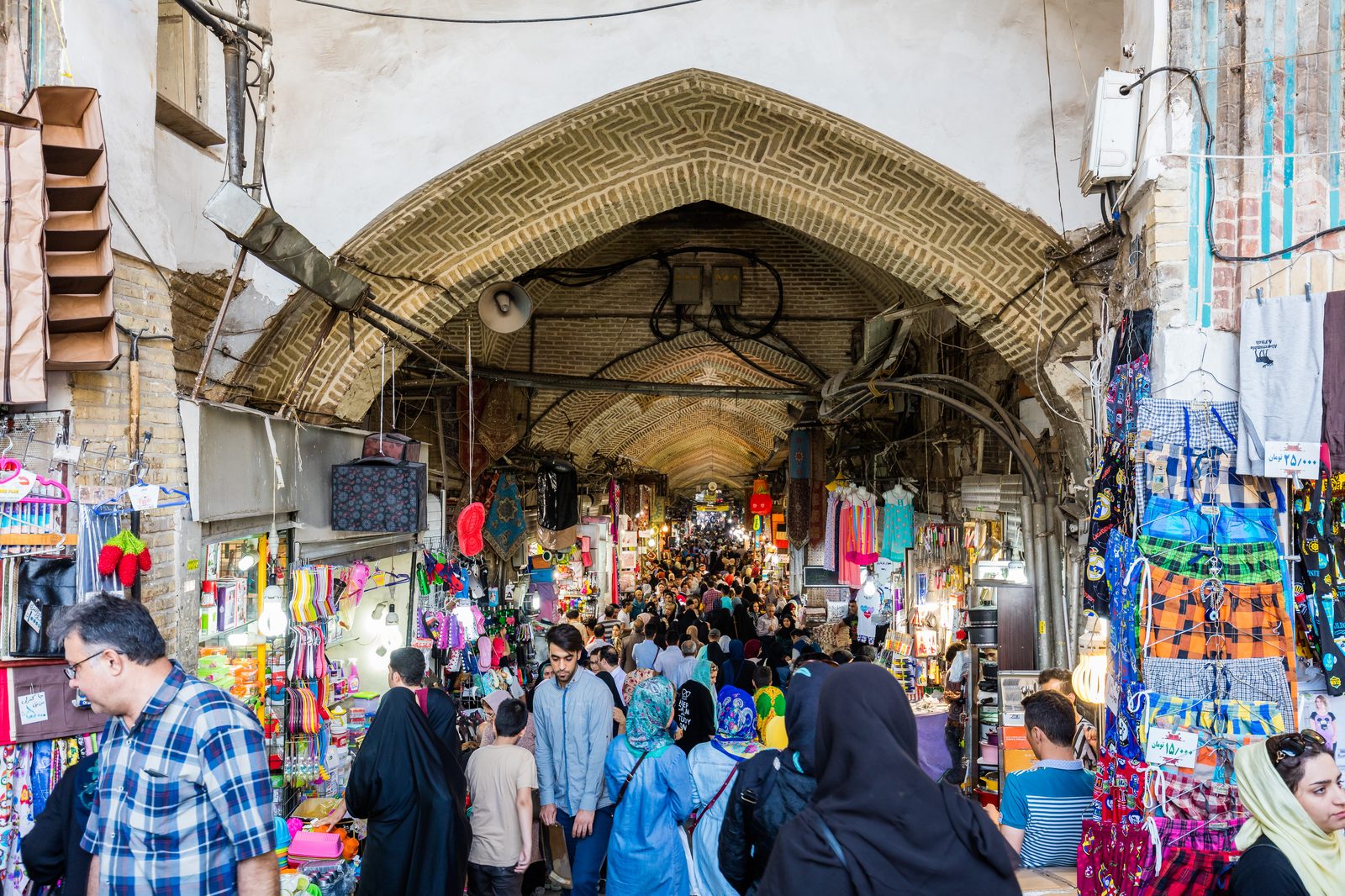
Haggling is expected in Iranian bazaars and is part of the culture. It is not aggressive or confrontational. The merchant will quote a price, and you respond with a lower offer. The negotiation proceeds back and forth, usually accompanied by tea and conversation. A few guidelines:
Start at roughly half the quoted price and expect to settle somewhere between 60 and 80 percent of the initial figure, depending on the item. For fixed-price items like packaged goods or food, haggling is not customary. In larger, more tourist-oriented shops, prices may already be close to their final level.
Never feel pressured to buy. Walking away is a perfectly acceptable negotiating tactic, and the merchant may call you back with a better offer. Always be polite and smile. The interaction is social as much as commercial, and maintaining good rapport throughout the process is part of the experience.
Practical Tips for Bazaar Shopping
Go early in the morning. The bazaars are quietest and most atmospheric in the first hour after opening. You will also have the merchants' full attention, as they have not yet been worn down by a day of negotiations.
Wear comfortable shoes. Bazaars involve a great deal of walking on stone or brick floors. The main corridors are generally easy to navigate, but the side alleys can be narrow and uneven.
Keep small amounts of cash. While card payments are widely accepted, having some cash, especially smaller denominations, makes minor purchases and tea breaks simpler. Open Mehyar and load your Wallet before visiting the bazaar, so you can tap to pay at any merchant's card reader. If you need to withdraw cash, most bazaars have banks and ATMs inside.
Know your exports. If you plan to take purchases home, check what can be carried on the plane. Carpets purchased in the bazaar can usually be taken as checked luggage, but large pieces may need to be shipped. Saffron and spices are fine in carry-on luggage in reasonable quantities. Antiques require an export permit.
Stay aware of your surroundings. Bazaars can be crowded, especially in the late afternoon. Keep valuables secure and be mindful of your bag. This is standard travel advice anywhere, and Iranian bazaars are generally very safe.

Bazaars and Nearby Attractions
Iranian bazaars are almost always located in the historic center of the city, surrounded by other major sights. In Isfahan, the bazaar opens directly onto Naqsh-e Jahan Square. In Shiraz, the Vakil Bazaar is a short walk from the Vakil Mosque and the Arg of Karim Khan. In Tehran, the Grand Bazaar sits near the Golestan Palace and the Imamzadeh Saleh shrine.
This makes bazaar shopping an excellent centerpiece for a day of sightseeing. You can spend the morning exploring a palace or garden, the midday hours in the bazaar, and the evening at a traditional restaurant, ordering chelo kabab or abgusht while reviewing your purchases.
For travelers coming to Iran for the first time, our guide to planning your first trip to Iran covers visas, money, SIM cards, and the essentials you need before heading into the markets. And since you will be paying for goods, meals, and taxis throughout the day, our guide to paying in Iran as a foreign visitor explains how to set up a Mehyar wallet and tourist card so you are never caught without local currency.
Plan Your Bazaar Trip with Mehyar
Iran's bazaars are among the most rewarding travel experiences in the Middle East. They are living institutions, places where commerce, craft, and architecture have blended together for centuries. A visit to even one of them will give you a deeper understanding of Iranian culture than any museum could.
Open Mehyar and start planning your bazaar itinerary. Use the Planner to map out your city and identify which bazaar quarters you want to explore, Hotels to find accommodation within walking distance of the market, and Taxi to arrange transfers between bazaars and your hotel. Whether you are arriving by air or by land, Mehyar's Flights and Buses sections help you reach the right city at the right time.
If you enjoy the craftsmanship of the bazaar, you may also be drawn to the artistic heritage of other Iranian cities. Explore the carpet-weaving traditions of Tabriz, the tilework of Isfahan, or the rosewater distilleries of Kashan.