
Isfahan is the city that many travelers picture when they imagine Iran. A former imperial capital, it holds one of the largest public squares on earth, a river lined with elegant bridges, and a bazaar that has been trading for centuries. Locals call it Nesf-e Jahan, meaning "Half the World," because they believe seeing it is equal to seeing half of everything. This guide explains how to reach Isfahan, where to stay, what to see, and how to move around once you arrive.
Where Is Isfahan?
Isfahan sits in the center of Iran, about 450 kilometers south of Tehran, on a high plateau at roughly 1,600 meters above sea level. The Zagros Mountains rise to the west and south, while the desert begins to the east and north. The Zayandeh Rud, the city's life-giving river, crosses Isfahan from west to east. The city is the capital of Isfahan Province and the third-largest urban center in the country.
The center is compact and largely walkable. Most of the famous sights, from Naqsh-e Jahan Square to the bridges and the historic bazaar, are clustered along a few main axes, especially Chahar Bagh Abbasi Street and the riverbanks.
How to Get to Isfahan
By Air
Isfahan International Airport (IFN) lies about 25 kilometers northeast of the city center. It handles daily domestic flights from Tehran and other Iranian cities, plus a smaller number of regional international routes. From Tehran, the flight takes about one hour; from Shiraz, roughly 45 minutes.
Once you clear arrivals, the simplest way into the city is to open Mehyar and book a Mehyar Taxi. You set your destination, see the fare upfront, and pay through the Mehyar wallet instead of hunting for cash. If you arrive at an hour when you prefer a fixed price, the airport's official taxi desk also sells vouchers, but with Mehyar you can plan the ride before you land.
By Bus
Isfahan is well connected by long-distance coaches. Buses from Tehran leave throughout the day from several terminals and arrive at either Kaveh or Soffeh terminal in Isfahan, a journey of about five hours. Routes from Shiraz, Kashan, Yazd, and Mashhad are also frequent.
To reserve a seat, use Mehyar Buses. You can compare departures, pick your time, and hold your ticket in the app. When you arrive at the terminal, a Mehyar Taxi can take you the last few kilometers to your hotel.
By Train
Night trains connect Tehran and Isfahan in roughly seven hours, with comfortable sleeper options. The railway station lies a short drive south of the center. Book your onward taxi through Mehyar so you do not have to negotiate at the station after a long overnight ride.
By Car
If you are driving, the Tehran-Isfahan route follows the freeway through Qom and Kashan, a trip of about five hours in good conditions. Roads are well signposted, but fuel and toll payments are easier when you keep enough balance in your Mehyar wallet for incidental costs.
A Short History
Isfahan's golden age arrived in 1598, when Shah Abbas I moved the Safavid capital here from Qazvin. He reshaped the city around a vast new square, commissioned mosques, palaces, and tree-lined avenues, and turned Isfahan into one of the great metropolises of its time. Before that, the area had been settled for millennia, and the older Jameh Mosque still shows layers from the Seljuk period and earlier.
The Safavid legacy is what most visitors come to see. The scale of the urban plan, the tilework, and the way the river and the boulevards frame the monuments all date from that era or were shaped by it.
What to See in Isfahan
Naqsh-e Jahan Square
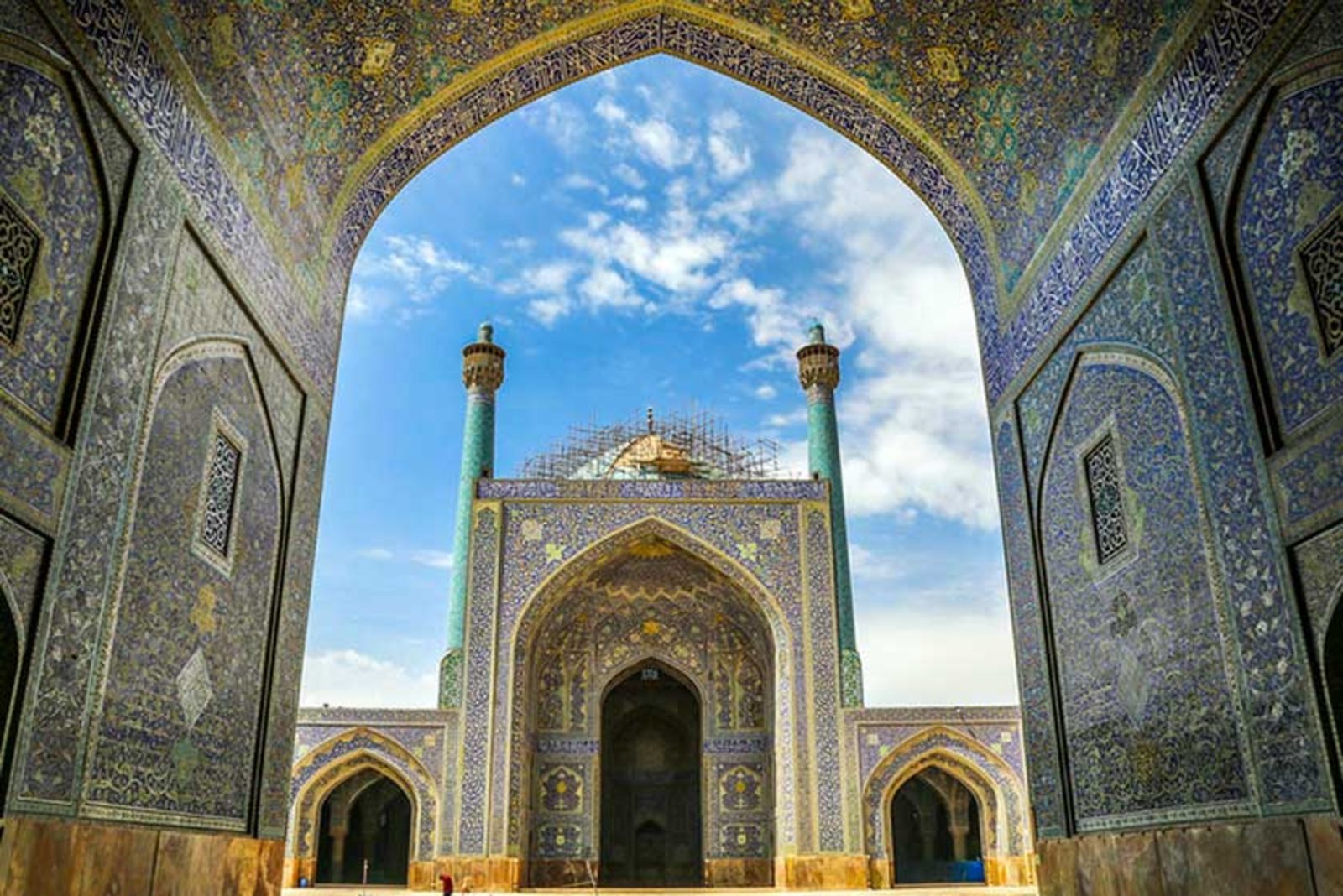
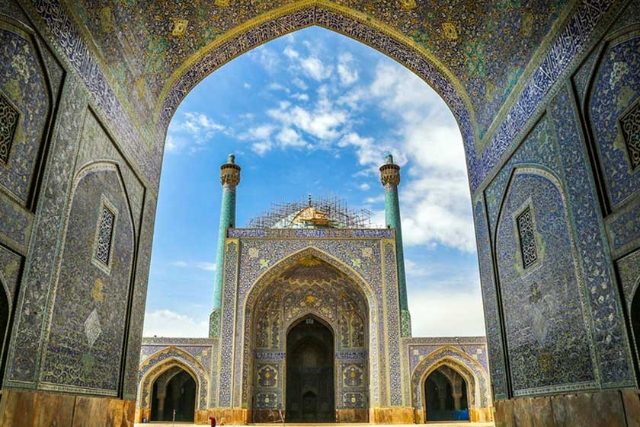
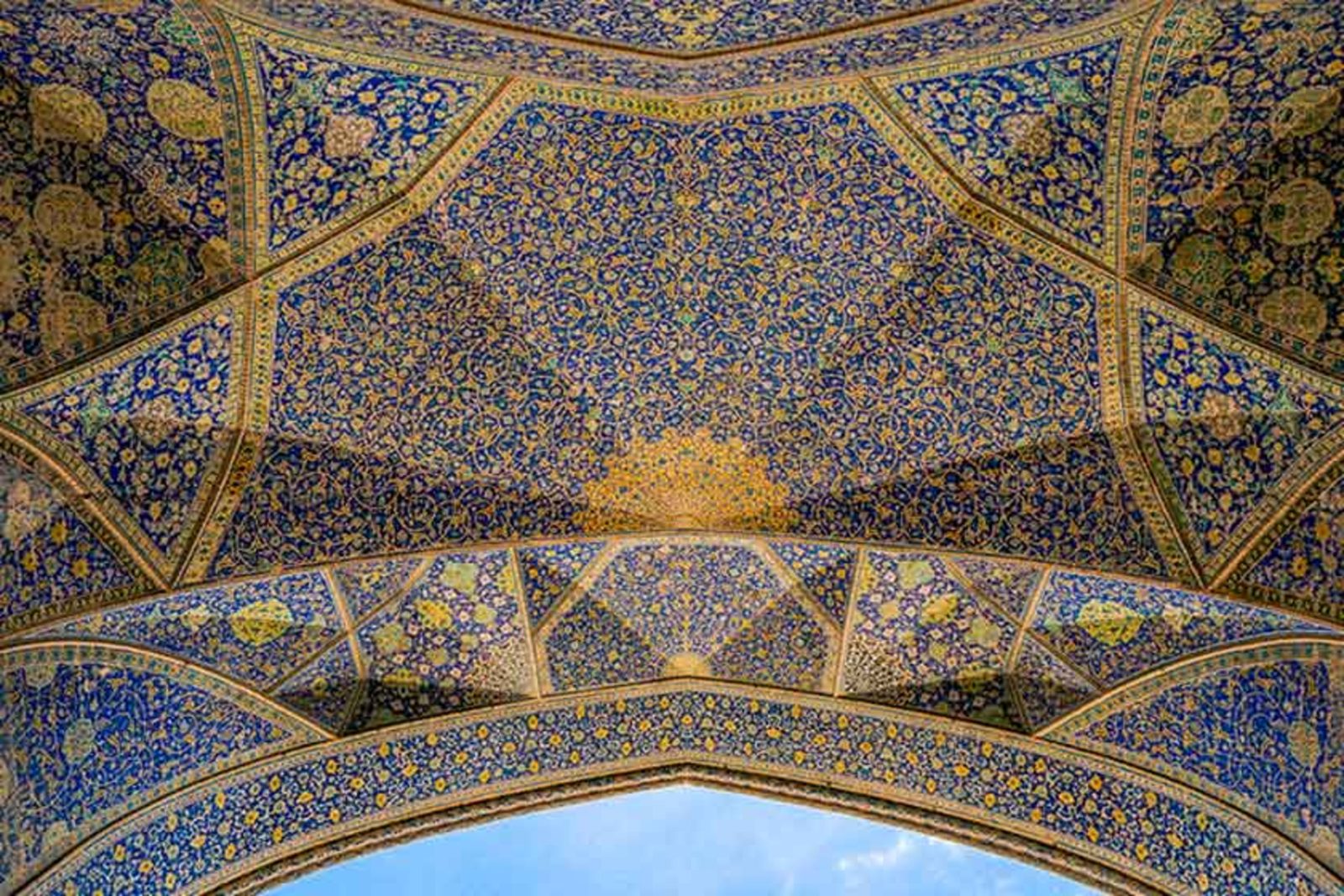
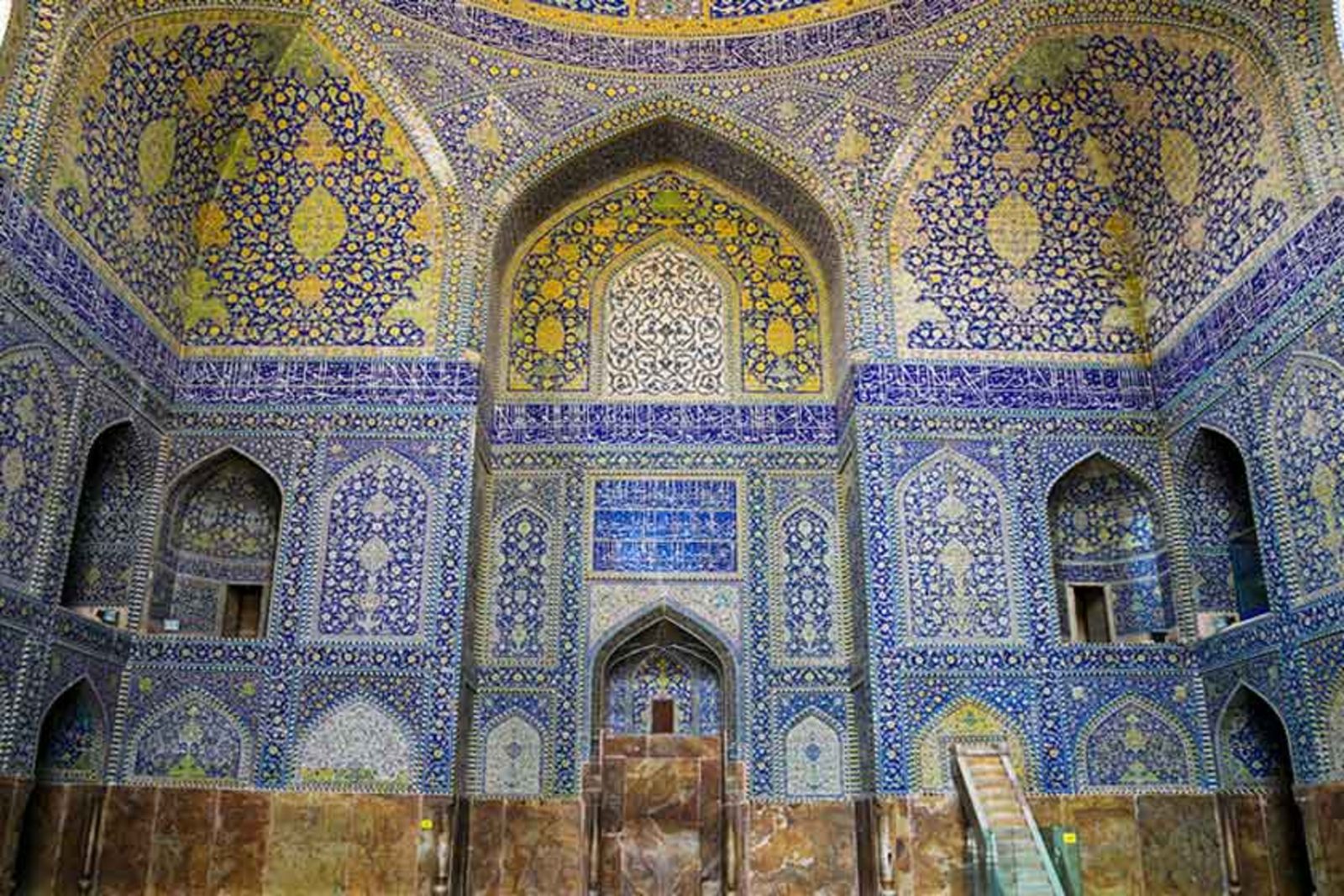
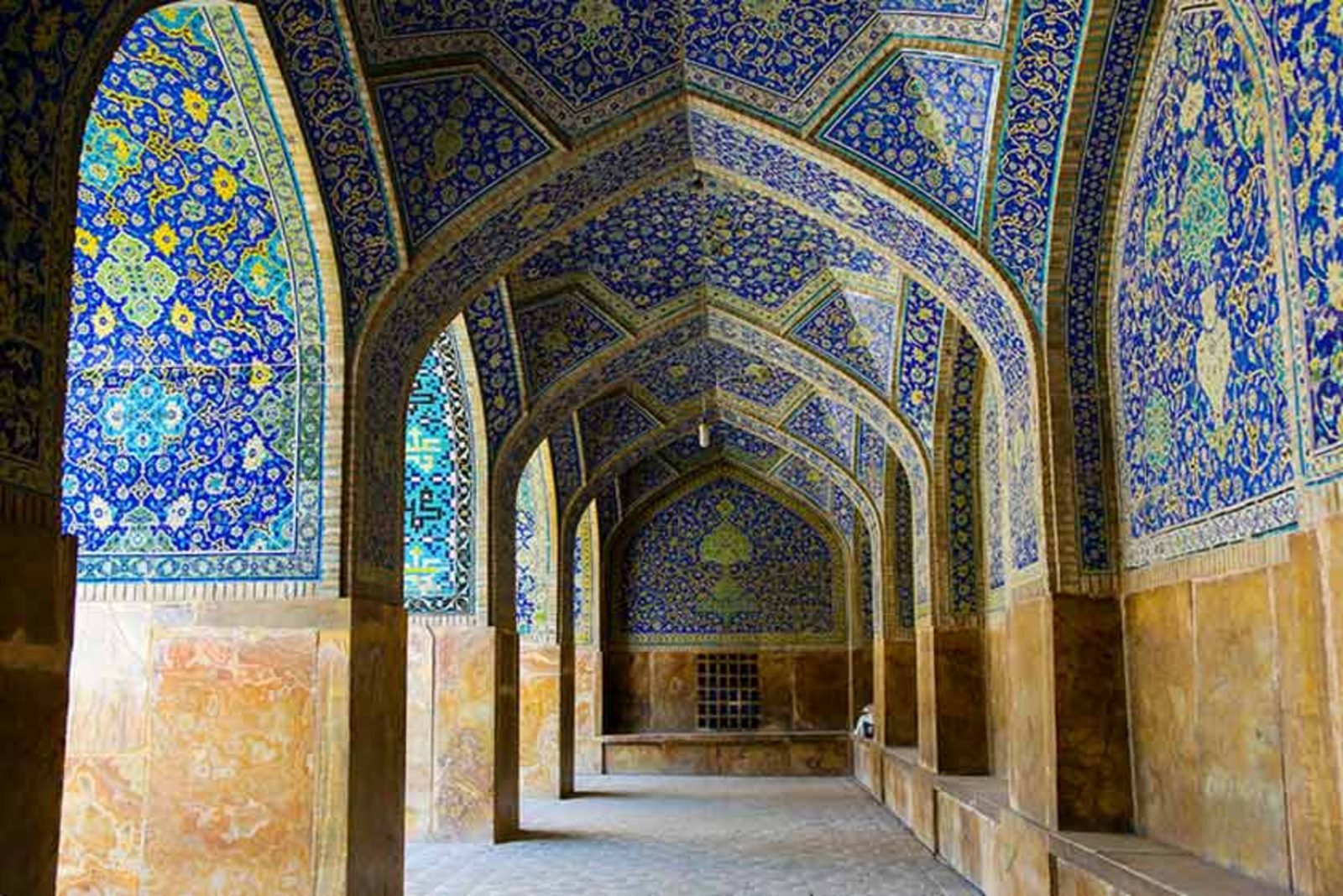
Naqsh-e Jahan Square is the heart of the city and a UNESCO World Heritage Site. Built in the early 17th century, it is one of the largest historic public squares in the world. Four monuments frame it: the Imam Mosque on the south, the Sheikh Lotfollah Mosque on the east, the Ali Qapu Palace on the west, and the Qeysarieh Gate that leads into the bazaar on the north.
Plan to spend at least a full day here. The light changes through the day, and each monument looks different in the morning and the afternoon. The Sheikh Lotfollah Mosque is especially rewarding in the morning, when sunlight filters through its dome. Ali Qapu Palace offers the best view over the square from its upper terrace, particularly in the late afternoon.
The Historic Bridges
The Zayandeh Rud is crossed by several historic bridges, of which Si-o-se Pol and Khaju Bridge are the most famous. Si-o-se Pol, the Bridge of Thirty-Three Arches, was completed in the early 17th century and is best visited at dusk, when locals gather and the arches are lit. Khaju Bridge, slightly further east, is admired for its symmetry and its stone seats, which have long served as a meeting place.
Walking the riverbank between the bridges is one of the most pleasant ways to spend an evening in Isfahan. The river flow varies by season, so check locally whether water is running before planning a long walk along the bed.
The Bazaar
The covered bazaar of Isfahan stretches from Naqsh-e Jahan Square toward the older parts of the city. It is organized by craft: coppersmiths, goldsmiths, textile sellers, and spice merchants each occupy their own lanes. Prices are open to negotiation, and the atmosphere is at its liveliest in the late morning and early evening. Bring small notes and coins for smaller purchases, and keep your Mehyar wallet topped up for anything larger.
Palaces and Gardens
Chehel Sotoun, the Palace of Forty Columns, sits in a garden west of the square. Its name refers to the twenty slender wooden columns reflected in the long pool in front, which double to forty in the water's mirror. The wall paintings inside depict court scenes and receptions of foreign envoys. Hasht Behesht, the Palace of Eight Paradises, is a smaller pavilion in a pleasant park nearby and pairs well with a visit to the Music Museum inside the same garden.
Jolfa and the Armenian Quarter
South of the river, the Jolfa district was settled by Armenian families resettled here in the Safavid era. Vank Cathedral, with its mixture of Armenian and Iranian decoration, is the centerpiece. The surrounding streets have cafes, galleries, and shops that give this part of the city a distinctly different feel from the Islamic core.
Hours, Tickets, and Practical Notes
Most monuments keep daytime hours, generally from around 09:00 to 17:00, with some variation by season and by site. Naqsh-e Jahan Square itself is open at all hours and is free to enter, while individual monuments charge separate tickets. Prices and opening times change with inflation and restoration schedules, so confirm the current situation before you go, either at your hotel or through the Mehyar planner, which can hold your itinerary and reminders.
Many sites accept card payment through local systems, but international cards do not work in Iran. Use the Mehyar wallet for monument tickets, taxis, and meals so you are not caught without cash.
Where to Eat
Isfahan has its own distinct cuisine. Beryani, a rich dish of minced lamb cooked in fat and served with bread, is the city's signature and is traditionally eaten for breakfast or lunch. Khoresht-e mast, a savory yogurt stew with lamb and saffron, is another local specialty worth seeking. Finish with gaz, a chewy sweet made with pistachio and rosewater, or poolaki, thin discs of sugar that melt on the tongue.
Restaurants cluster around Naqsh-e Jahan Square and along Chahar Bagh Abbasi. For a relaxed evening, try the cafes in the Jolfa district. Paying is simple when you use the Mehyar wallet instead of carrying large amounts of cash.
Where to Stay
The best area for first-time visitors is the center, within walking distance of Naqsh-e Jahan Square. This puts the main sights, the bazaar, and many restaurants within a short stroll. The Jolfa district, south of the river, is quieter and has a more residential feel with good cafes, while the streets near Chahar Bagh Abbasi offer a mix of traditional guesthouses and larger hotels.
Traditional courtyard guesthouses, often restored merchant houses, are a memorable option and can be very good value. Search and book through Mehyar Hotels so you can compare locations and confirm details in one place.
Getting Around Isfahan
The city has a metro line running north to south, an extensive bus network, and a large fleet of taxis. For visitors, the most convenient option is Mehyar Taxi, which lets you set your pickup and destination, see the fare, and pay through the Mehyar wallet. This works well for the airport run, for cross-city trips to Jolfa or the bazaar, and for evening returns from the bridges when buses are less frequent.
The metro is inexpensive and useful for the main north-south axis. Buses are cheaper still but can be crowded and hard to navigate without Persian. For short hops within the center, walking is often fastest.
When to Go
Spring and autumn are the best seasons. April and May bring mild days and blooming gardens, while September and October offer comfortable temperatures and clear skies. Summer is hot and dry, with July the most intense month, so plan indoor visits and evenings if you travel then. Winter is cold, with occasional snow, but the city is quiet and hotel prices are lower.
The river flow varies by season, and some years the Zayandeh Rud is dry for long stretches. This affects the look of the bridges and the riverside, though the monuments themselves are unaffected.
Day Trips from Isfahan
Kashan
Kashan lies about 200 kilometers north of Isfahan, roughly two and a half hours by road. It is famous for its historic merchant houses, such as the Borujerdi and Tabatabaei houses, and for the Fin Garden, a classic Persian garden with pools and cypress trees. Many travelers combine Kashan with Isfahan on a north-south route, and you can reserve your bus or private transfer through Mehyar.
For more on the garden and the city, see our guides to Kashan and the Fin Garden.
Varzaneh and the Desert
The desert around Varzaneh, about 120 kilometers southeast of Isfahan, offers sand dunes, a historic bridge, and the Gavkhuni wetland area. Day tours typically leave in the morning and return after sunset, and the best season runs from late September to mid-April. Arrange transport through Mehyar Taxi if you prefer a private car, or ask your hotel about group tours.
The Classic Loop
If you are building a larger trip, Isfahan fits naturally into a Tehran, Kashan, Isfahan, Shiraz route. See our suggested 7-day classic loop for a ready-made framework you can adjust.
Practical Notes for Travelers
Plan your money before you arrive. International credit and debit cards do not work in Iran, so load your Mehyar wallet early and top up as needed. This covers taxis, tickets, meals, and most day-to-day spending.
For connectivity, check whether Mehyar SIM is available for your dates; a local number makes it easier to use ride-hailing, maps, and messaging. If Mehyar SIM is not yet active in your region, a local SIM from an official operator shop is the fallback.
Dress modestly, as in the rest of Iran. Women should carry a headscarf and wear loose clothing that covers the arms and legs. Men should avoid shorts in public. These rules apply to foreign visitors too.
Start Your Isfahan Trip with Mehyar
Isfahan rewards slow travel. Give it at least three days, ideally four, so you can see the square in different lights, walk the bridges at dusk, and spend an unhurried morning in the bazaar. Open Mehyar to book your hotel, reserve your bus or flight, and set up a Mehyar Taxi for the airport. Keep your Mehyar wallet topped up so payments stay simple, and let the Mehyar planner hold your itinerary in one place.
For the next steps in your journey, see our guides to paying in Iran and booking hotels and rides.