
Mazandaran is what most travellers have in mind when they say "the North" of Iran. A long green strip along the southern shore of the Caspian Sea, it stacks three landscapes on top of each other in the space of an hour's drive: beach, broadleaf forest and high summer pasture. The Hyrcanian woods that clothe its lower slopes are among the oldest forests on earth, and the Alborz wall to the south holds Iran's highest volcanic peak.
This guide is for the traveller who wants to choose well rather than see everything: the wild sights worth a detour, the resorts that are genuinely pleasant, the mountain villages that earn their reputation, and the honest practicalities of distance, hours and money in a province where the weather changes twice before lunch.
Where is Mazandaran?
Mazandaran sits in northern Iran, facing the Caspian to the north and rising steeply into the Alborz to the south. Its capital is Sari, a low, leafy administrative city about a third of the way along the coast from the western border; Gilan lies west, Golestan east.
The province divides into three bands. The coastal plain holds the resort towns, Nowshahr, Ramsar and Chalus in the west, Neka and Behshahr in the east. Behind it, the forest belt carries the roads upward through Tonekabon, Nur, Babol and Amol. Above that, a string of summer villages sits between 1,800 and 2,600 metres, cool enough in July that locals climb out of the humidity to sleep with a fire on.
How to get to Mazandaran from Tehran
Nearly every visit begins in Tehran, 150 to 300 kilometres south depending on where you land.
By Mehyar Taxi or private car. Two roads cross the Alborz. The western route runs through Chalus and then along the coast to Ramsar, Nowshahr and Tonekabon; the central Haraz road drops toward Amol and Babol and east to Sari. Both are paved, scenic and slow at the weekend, when fog above the reservoirs cuts visibility and the tunnel queue can add an hour. Start early, and tell your driver if you want to stop for the views.
By Mehyar Buses. Coaches between Tehran and the provincial cities run frequently and are the cheapest comfortable option, with services to Sari, Babol, Amol, Tonekabon and Ramsar. Take a morning departure so you arrive in daylight, then finish the last leg by local taxi.
By air. Scheduled flights into the province are limited and seasonal. Check Mehyar Flights for services into Sari and Ramsar, but treat Tehran as the reliable gateway and plan the onward leg by road.
Getting around. Distances between towns are short but time-consuming. Shared taxis and Mehyar Taxi work well on the coast road; the track above Filband or Khoshvash is served by nothing regular, so if a cloud village is on your list, hire a car with a driver for the day through Mehyar Taxi and ask them to wait.
The wild sights worth the detour
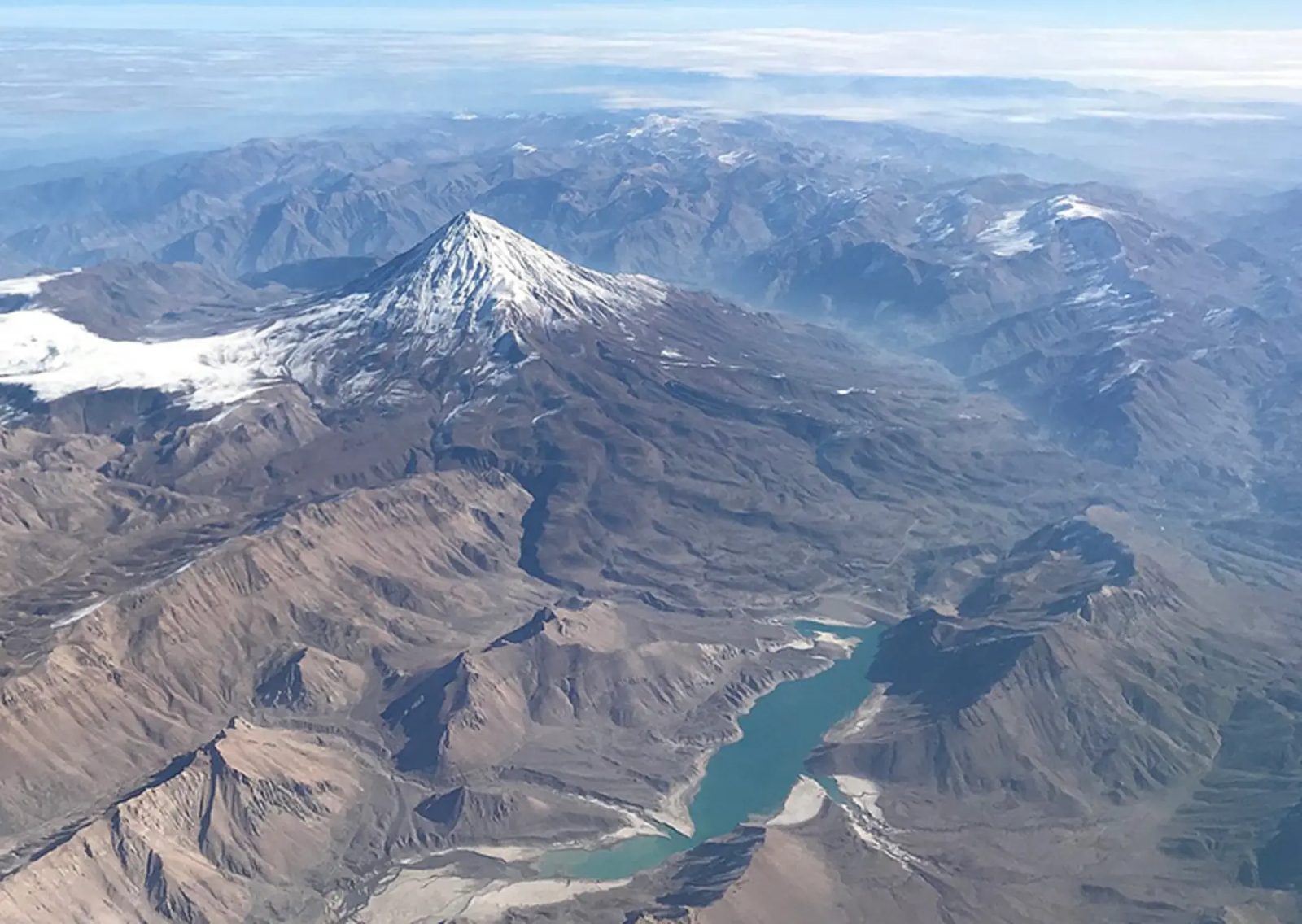
Mount Damavand, in the Larijan district of Amol county, is the highest volcanic peak in Iran and a name that has carried ideas of power and endurance through Persian poetry for a thousand years. In 2008 it became the first natural feature in the country entered on the national heritage list. Most travellers do not climb it; they view it from Larijan, or soak in the hot springs at its foot.
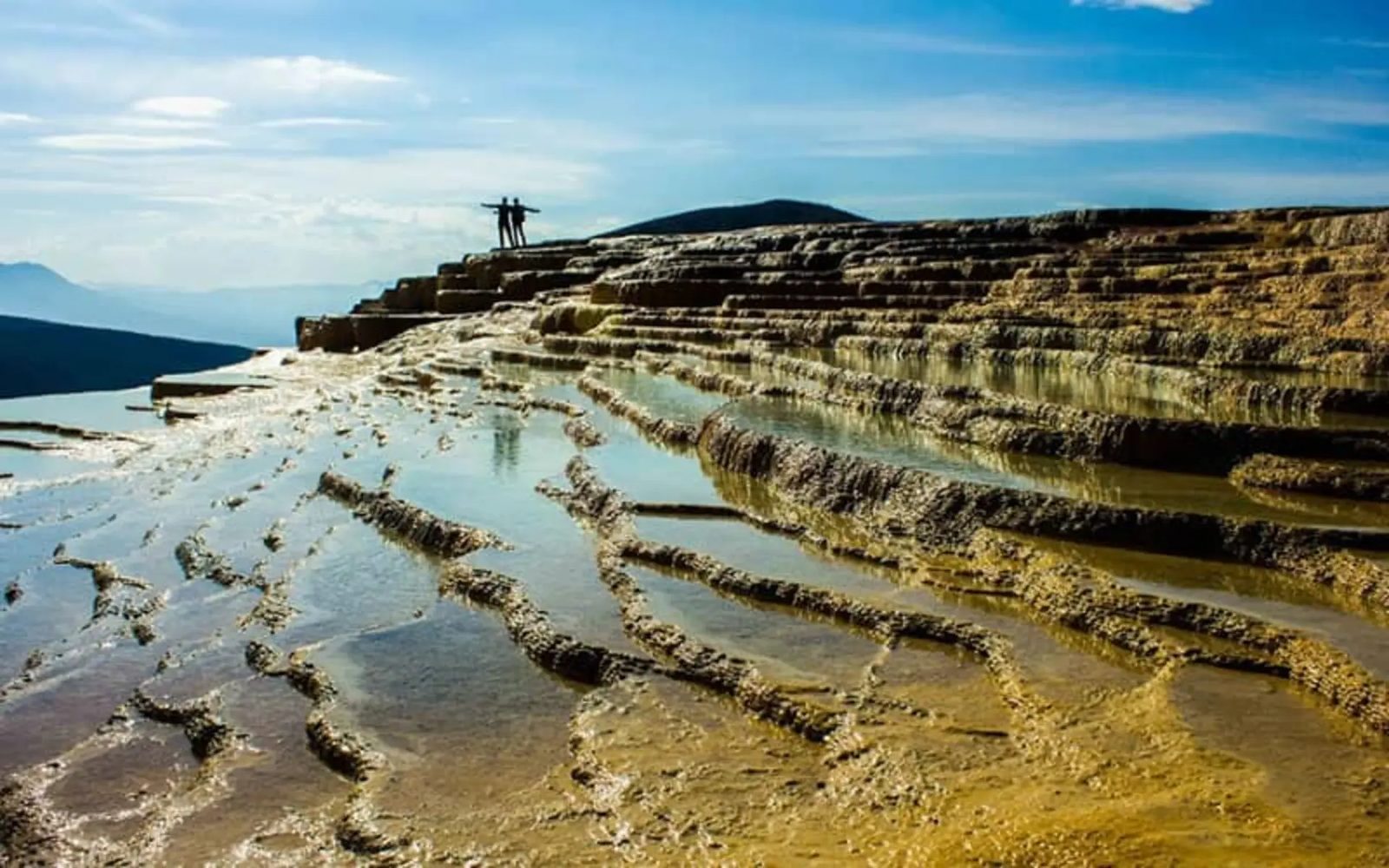
Badab-e Surt, south of Sari, is the province's most photogenic natural wonder: a stepped slope of spring pools coloured orange, amber and rust by iron-rich sediment, ringed by wild barberry with conifer forest above. It is a registered national natural monument, the entry fee is small, and the road in is good.
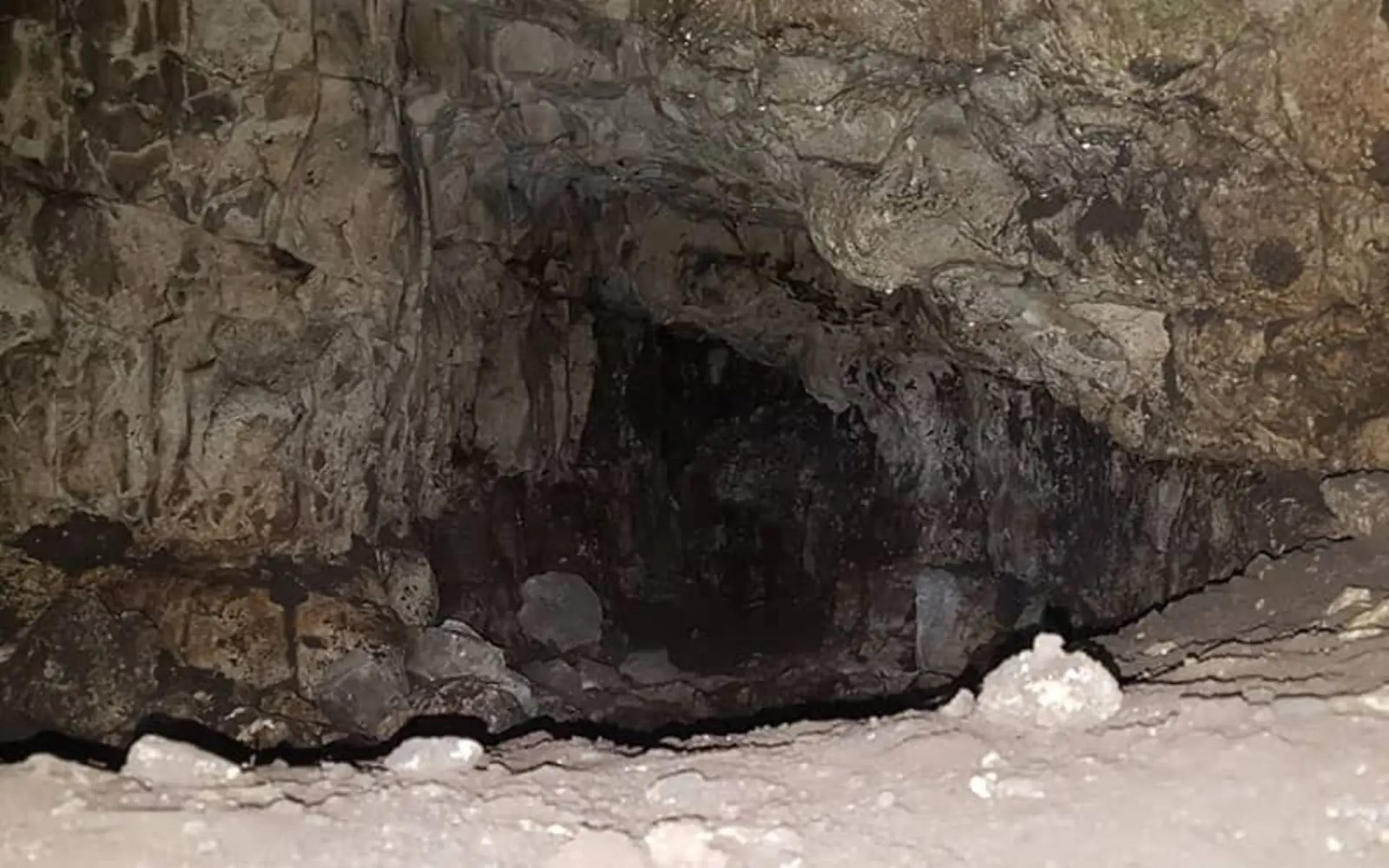
Komishan Cave, on the Neka to Behshahr road, is one of the most important prehistoric sites in northern Iran, with human occupation placed in the Middle Stone Age roughly 7,000 to 12,000 years ago and national listing since 2000. It pairs easily with Behshahr.
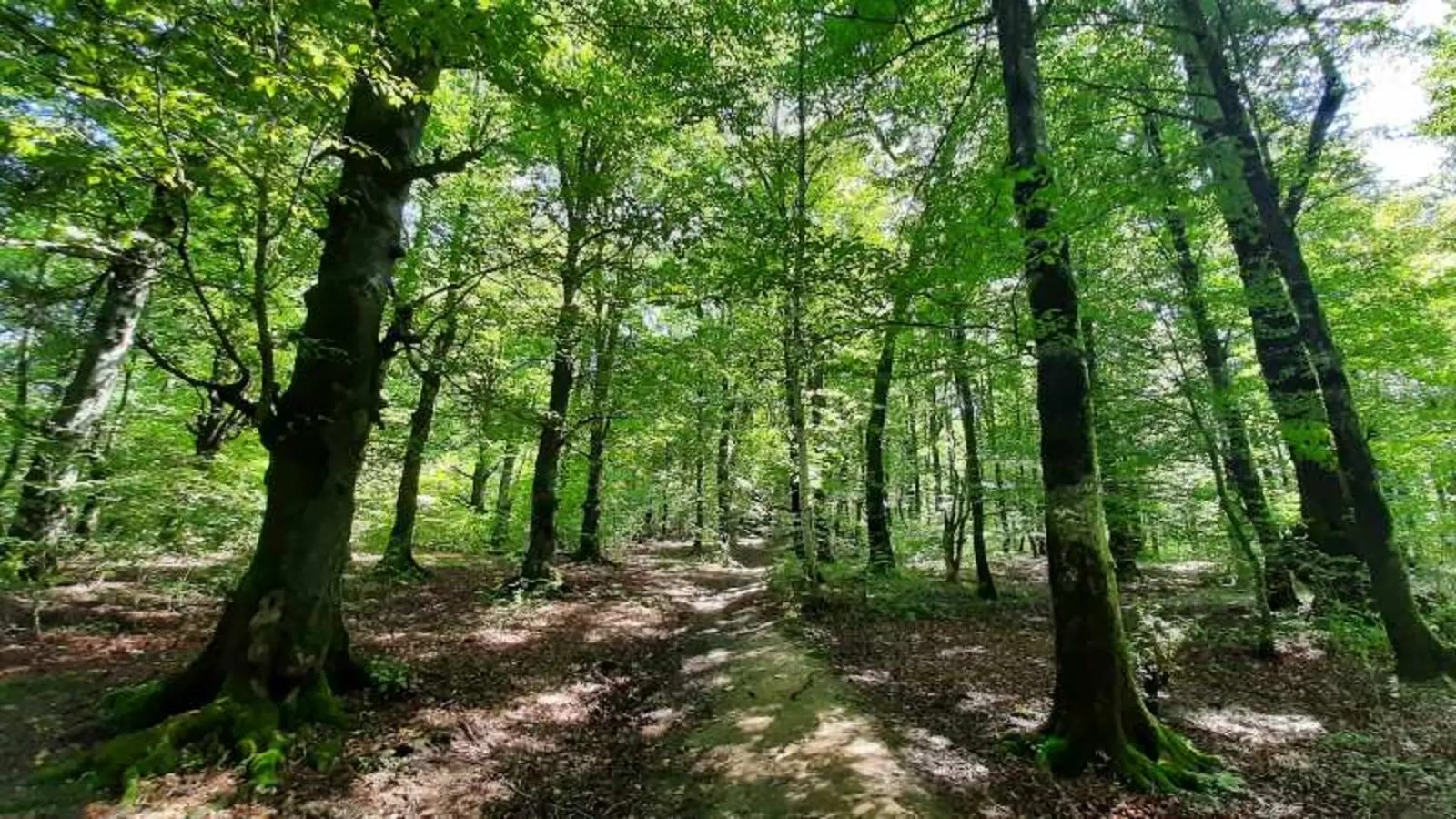
The Sangdeh beech forest, south of Sari, protects one of the region's rarer beech stands and hides a small waterfall inside it, a short shady walk rather than an expedition, which is exactly why families like it. Further down the same list: Shahandast and the Seven Falls near Tirkan, the river gorge at Palangdarreh in Savadkuh, the Miankala lagoon in the east, the Lefor reservoir and the Dakhani forest above Ramsar.
Resorts, gardens and seaside leisure

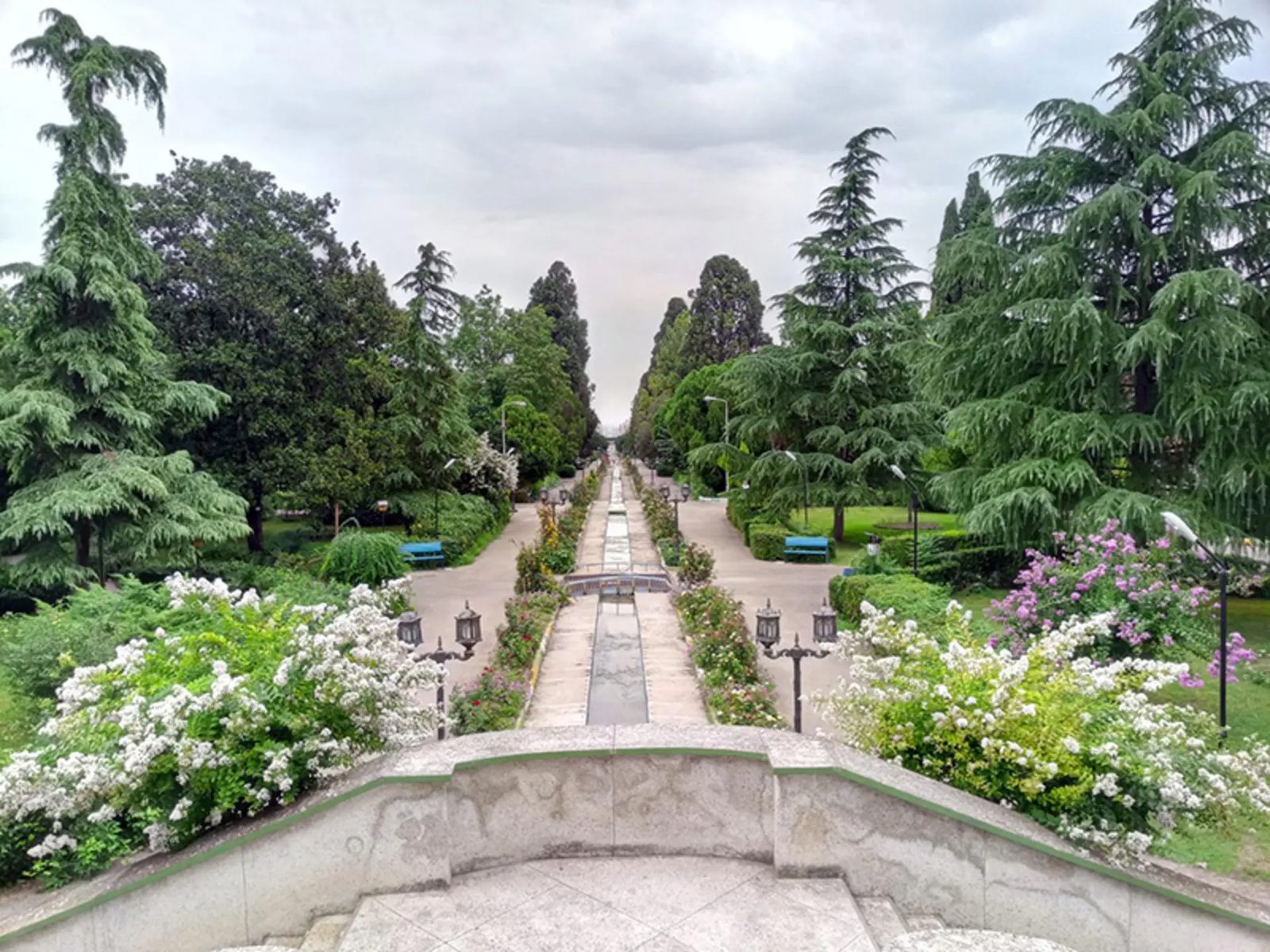
Mazandaran's built attractions are mostly about water, shade and royal ambition. The Abbasabad historical complex, five kilometres south of Behshahr, is one of the largest Persian gardens in the country and a national heritage site: Shah Abbas I ordered it built, and its 500 hectares still hold a dam, reservoir, flower garden, palace, bathhouse, two brick towers and a watermill driven by the lake. It is the best historical sight on the eastern coast. In Behshahr itself, Mellat Park, known locally as Baghshah, is a strolling park open roughly 07:00 to 21:00 with the white Chel Sotoun mansion at its centre.
The Nowshahr Botanical Garden, a 35-hectare Pahlavi-era garden by the harbour, is among Iran's oldest, holds rare and endangered species, and opens about 09:00 to 18:00. In Sari, Melal Park runs along the Tajan river between Police square and Salman Farsi square, with a cable suspension footbridge, walking and cycling tracks and a link across the water to Qaem Park.
On the leisure side, the Ramsar cableway complex, five kilometres west of that town, has a 12-minute aerial ride over forest to the heights plus karting, an amusement park, a zipline, a suspension bridge and a water sports club. Namak Abrood, the tourist township in Chalus county, has a boating pier, day-use gazebos, suites and restaurants on the sand. And the Suleiman Tangeh reservoir in Dodangeh, commissioned in 1991 and also called Shahid Rajaei dam, offers boating, fishing and a small passenger boat that locals cheerfully call a sea bus.
The summer villages, where the province keeps its cool
This is the Mazandaran that surprises visitors, and the reason to allow more than two days.
Kendulus, in the Kajur district above Nowshahr, has the richest historical claim: it opened what is described as the world's first rural museum, with collections running from the second millennium BC to the Qajar era, and it is well set up for summer travellers. Filband, in western Bandpeh above Babol, is the highest permanently settled village in the eastern half of the province and empties out entirely in the cold months; its signature show is the sea of cloud that fills the valley below and pours past your feet. Mazichal, near Kelardasht in Tonekabon, sits at about 2,600 metres among dense oak, with wooden cabins, wildflowers, camping and a genuinely dark night sky.
Javaherdeh, above Ramsar in the Sakhtsar valley, has waterfalls, springs, pasture and peaks, and the road up passes Safaroud forest park. Jannat Rudbar, reached through the Dakhani forest southwest of Ramsar, is a summer village between mountains and a river plain, popular precisely because the air is cool, and Garser in the same valley is a green bowl of meadows and cold springs. Two more deserve a mention: Khoshvash, about 80 kilometres and two hours from central Amol, is high enough that you may need the stove in July, and Lavij above Nur is famous for hot springs developed as bathing complexes and for a village market selling pickles, honey and local trout.
Museums worth a deliberate stop
The museum circuit here is small, cheap and better than visitors expect. The Sari Museum of History occupies the late Qajar Manoochehr Khan Kalbadi mansion, with anthropology, archaeology and handicrafts across three buildings, open around 09:00 to 17:00. The Amol History Museum, beside the suspension bridge, runs 08:00 to 14:00 over three floors and holds objects from the third millennium BC, with a coin display that reads as a visual history of writing and court dress. The Babol Museum is organised into archaeology, anthropology and a hall of wooden artefacts, with Mazani, Gileki and Turkmen clothing and the region's characteristic women's weaving on display.
The Ramsar Palace Museum, built in 1937 in a large planted garden and also known as the Marble Palace, shows Caspian archaeological finds, Iranian textiles, paintings and bronze and stone sculpture; as in Iran's other palace museums, foreign visitors pay a higher rate. For families, the natural history museum in the protected wetland east of Tonekabon displays mounted animals of the northern provinces, and the Nima Yushij Museum at Yuj is the birthplace of the founder of modern Persian poetry.
When to go
Late May to September is the season for the mountains, when every road to the summer villages is open and the cloud villages are at their best. July and August bring the heaviest domestic traffic, so avoid Friday afternoons on the roads back to Tehran. Spring is the prettiest time on the coast and in the forests, with mist, mild heat and waterfalls at full volume. Autumn, October especially, is the underrated choice: crowds vanish, light stays clear, prices fall. Winter on the coastal plain is mild, grey and rainy rather than cold, most mountain villages are effectively closed, and Damavand will be under snow, beautiful from a distance and miserable to attempt.
Where to stay
Base yourself twice rather than once. On the west coast, Ramsar, Nowshahr and Namak Abrood give you forest, cable car and seaside restaurants within 30 kilometres, with everything from large resort hotels to garden hotels and self-catering villas. In the east, Behshahr and Sari put Abbasabad, Badab-e Surt and Komishan Cave within reach. For the cloud villages, book a wooden cabin or an eco-lodge in Javaherdeh or Jannat Rudbar instead of day-tripping, because the point is the dawn fog, which no coach tour will wait for. Room standards vary wildly, so book through Mehyar Hotels in advance and expect fierce weekend demand from late June to early September.
One warning about money. International debit and credit cards do not work here, and small village shops rarely take anything but cash. Top up your Mehyar Wallet before you leave the city, keep a reserve of small notes for tea houses on mountain roads, and let Mehyar Taxi handle the rides so you are not negotiating fares at the roadside.
Planning the wider trip
Mazandaran works best as three or four days slotted between Tehran and the west. Our guides to Ramsar and Nowshahr cover the western coast in the detail a single article cannot, and Tehran explains how to break the journey at either end. For seasonal decisions, Best Time to Visit Iran compares the Caspian with the desert provinces, and Paying in Iran walks through the wallet and cash question step by step.
Open Mehyar, book the road transfer first, then build the itinerary outward from wherever you sleep. In this province the drive is the attraction.