
Nowshahr is the stretch of coast that most travellers pass through on their way somewhere else, which is a pity, because the scenery here is unusually concentrated. The city sits on the Caspian shore with the Alborz wall rising directly behind it, Nur county to the east and Chalus to the west, so salt water, broadleaf forest and mountain pasture all fall within an hour of the same roundabout.
What makes it worth stopping is variety. There is a lake with a forest of dead trees standing in it, a mountain village ringed by five peaks and stitched through with waterfalls, a lowland forest park that protects rare boxwood, and a cold spring that pours out of a rock face beneath tiled stonework. This guide covers those places, plus the practical business of roads, permits, high-clearance vehicles and the season to come.

Where is Nowshahr?
Nowshahr is a coastal city in central Mazandaran province, in northern Iran, facing the Caspian Sea to the north and backed by the Alborz range to the south. It sits roughly midway along the provincial coast, which makes it a comfortable base for both the western resort towns and the eastern historical ones.
The city splits the trip into two very different halves. The flat coastal strip holds the beach, the harbour gardens and the road that links Chalus to Nur. Inland, the land climbs steeply through forest into the Kajur and Central districts, where the villages, lakes and waterfalls sit between 700 and 2,000 metres. Most visitors see the first half in an afternoon and never meet the second, which is where Nowshahr keeps its best surprises.
How to get to Nowshahr
Nowshahr is about 220 kilometres from Tehran by road, a four-hour drive on a clear day, and it sits directly on the coastal highway, so it is also an easy stop between Chalus and Nur.
By Mehyar Taxi from Tehran. The western route out of the capital crosses the Alborz through the Chalus pass and drops onto the coast just east of Chalus town. The road is paved and spectacular, with a tunnel section and frequent fog above the reservoir; weekends bring slow traffic, so leave early. A car with a driver through Mehyar Taxi lets you stop at the viewpoints and continue up to the forest roads at your own pace, which matters if Ghost Lake is on your list.
By bus or shared taxi. Mehyar Buses covers the corridor between Tehran and the central Mazandaran towns, and coastal shared taxis run constantly between Chalus, Nowshahr and Nur during daylight. Buses reach the city centre; nothing regular reaches Angas, Chalandar or the lake trailhead.
By air. Tehran remains the practical gateway. Check Mehyar Flights for seasonal services into the nearby coastal airports, but assume the final leg is by road.
Getting around locally. For the coast, the parks and the botanical garden, walking and short taxi hops are enough. For the mountain sites, hire a car with a driver for the day. The last stretch to Ghost Lake needs a high-clearance vehicle, and the trick is to turn at the marked road rather than follow the river track.
Ghost Lake, the drowned forest
The sight that draws photographers to this coast is Talab-e Arvah, the Ghost Lake, also marked on maps as Band-e Mamzar. It lies about five kilometres north of the village of Chalandar, a pool roughly 700 metres by 300 metres set in dense broadleaf forest at Molla Kala, and its signature is the stand of dead trees still upright in the water, bare trunks that mirror perfectly on a windless morning.
The way in takes up most of a day on its own. From the twelfth kilometre of the Nur to Nowshahr road after Vanush, turn toward Chalandar and follow the Salah-od-din Kala Sofla road past the village to the ranger and environmental office, where your paperwork is checked. Continue about ten kilometres north, then take the side road at the Dasht-o Band-e Mamzar sign. That side road is rough: this is where a 4x4 or a tall-geared car earns its keep, and where deer and wild boar are more likely than other tourists. Come for the first hour of light if you can, because the mirror on the water is the whole point.
Angas, the village under five peaks
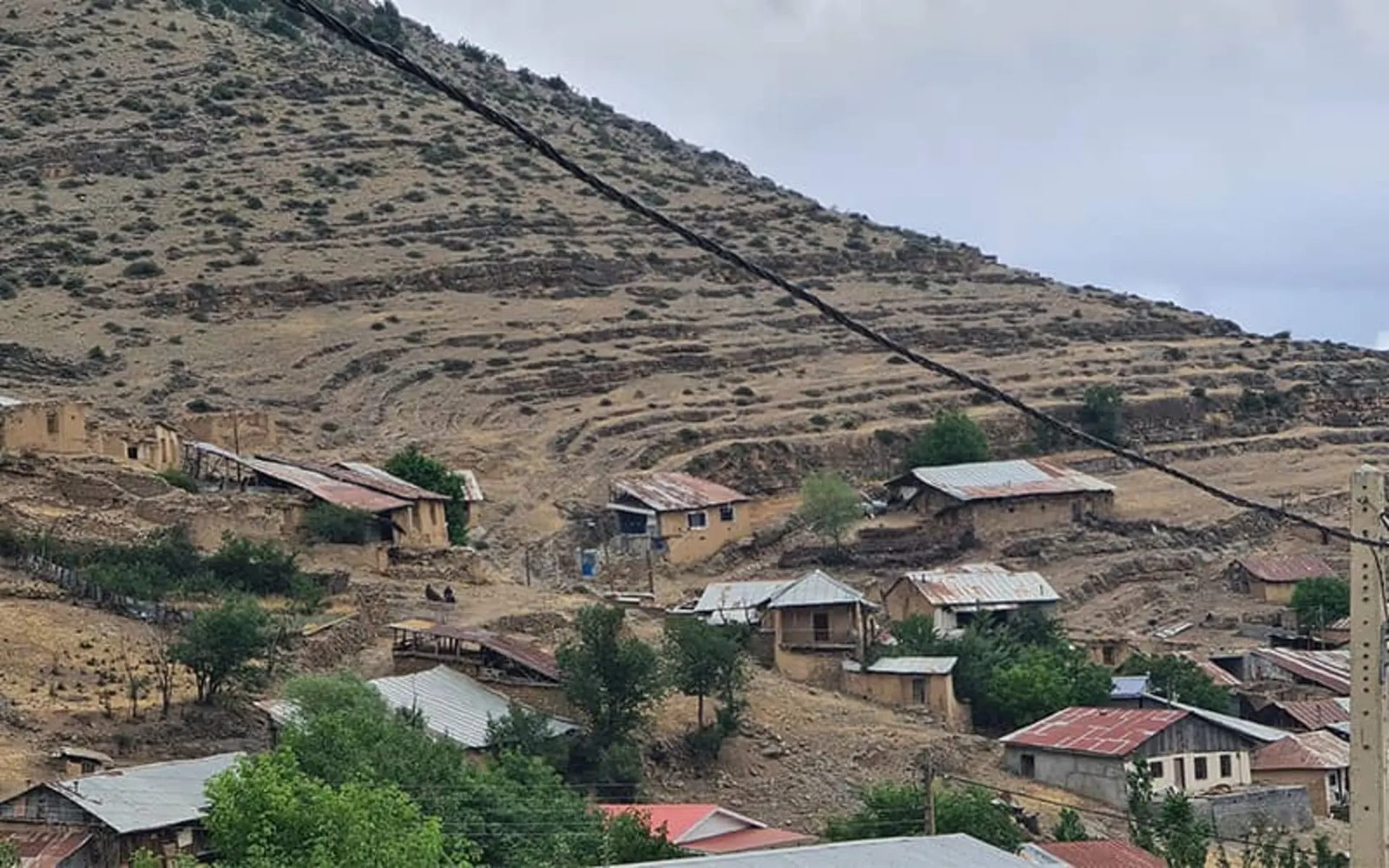
Nine kilometres south of the Kajur district centre, at about 1,900 metres, Angas sits in a bowl ringed by the peaks of Kangelo, Shahkuh, Vardeshtan, Gte Chal and Hamze Chal. It is a spring-fed village, and the water is clear enough that the settlement's real attraction is how many ways it comes down the mountain: the waterfalls of Jenab, Panjjah Cham, Cheshmeh Muzia, Osyareh and Boz Cheshmeh all belong to its upper slopes.
Angas is a summer village, so the houses fill with families from the plain in the warm months and quiet down sharply once the first cold nights arrive. Bring layers, and treat the waterfall walks as morning outings, because cloud tends to build over the ridges by midday.
Sisangan Forest Park and Avidar Lake
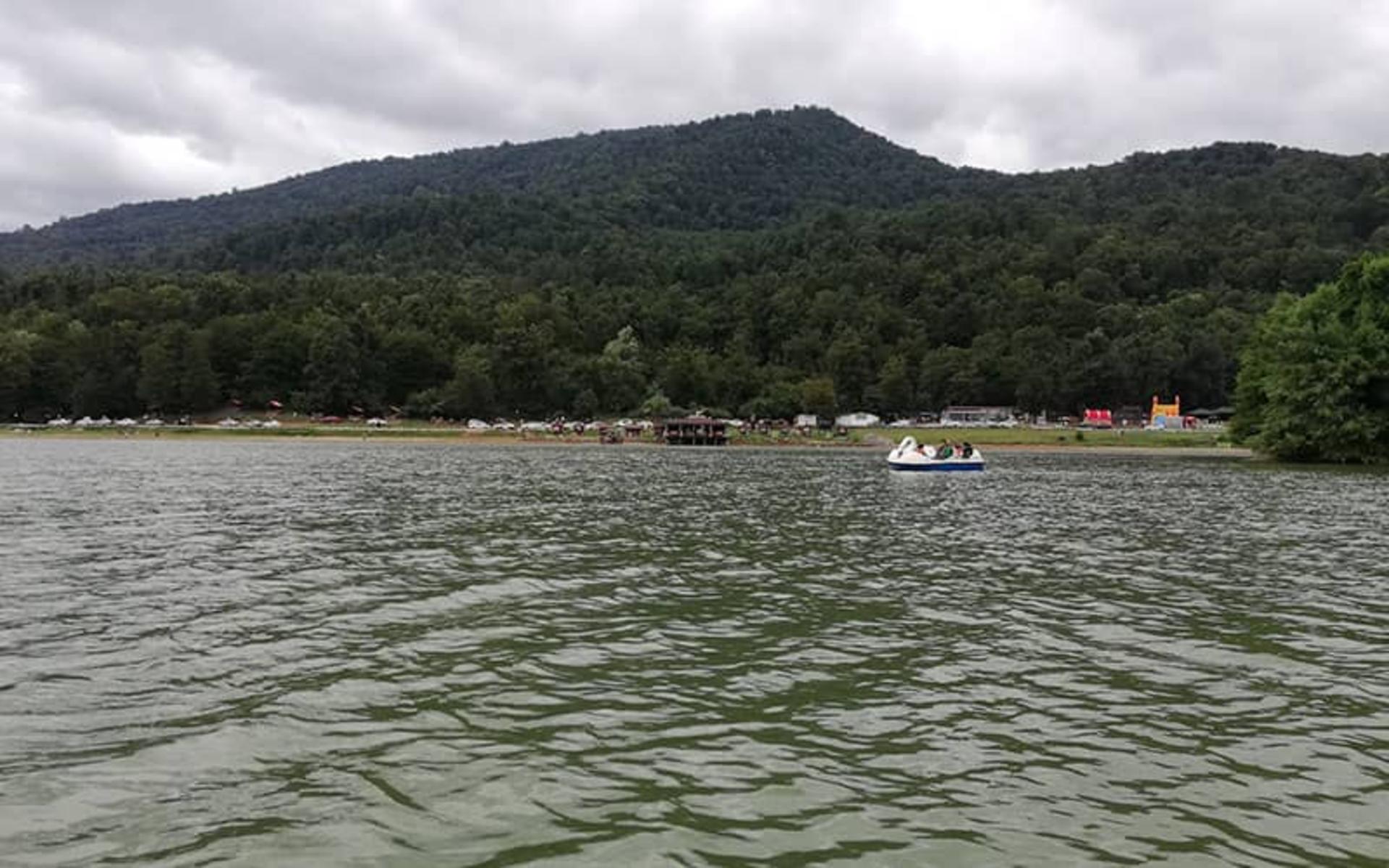

Some 27 kilometres along the Nowshahr to Nur road, the Sisangan Forest Park covers about 602 hectares of humid lowland Hyrcanian forest, with roughly 1,100 millimetres of rain a year and mild winters. It is a conservation site first and a picnic site second: its standing claim is the rare, protected boxwood, alongside oaks with trunks over two metres in girth, plus maple. The park borders the Caspian to the north, the Alborz to the south, Tuskatek to the west and the Salah-od-din Kala district to the east, and locals will tell you, correctly, that its flora is richer and its canopy taller than the better-known Nur Forest Park next door.
Thirty kilometres east of the city, close to the park, Avidar Dam is an earth-fill irrigation reservoir built to water the farmland around it rather than to flood the coastline. Because it sits away from the sea, the air is noticeably drier than on the beach, and the shore road makes an easy half-day loop: forest in the morning, water in the afternoon.
Div Cheshmeh and the town itself
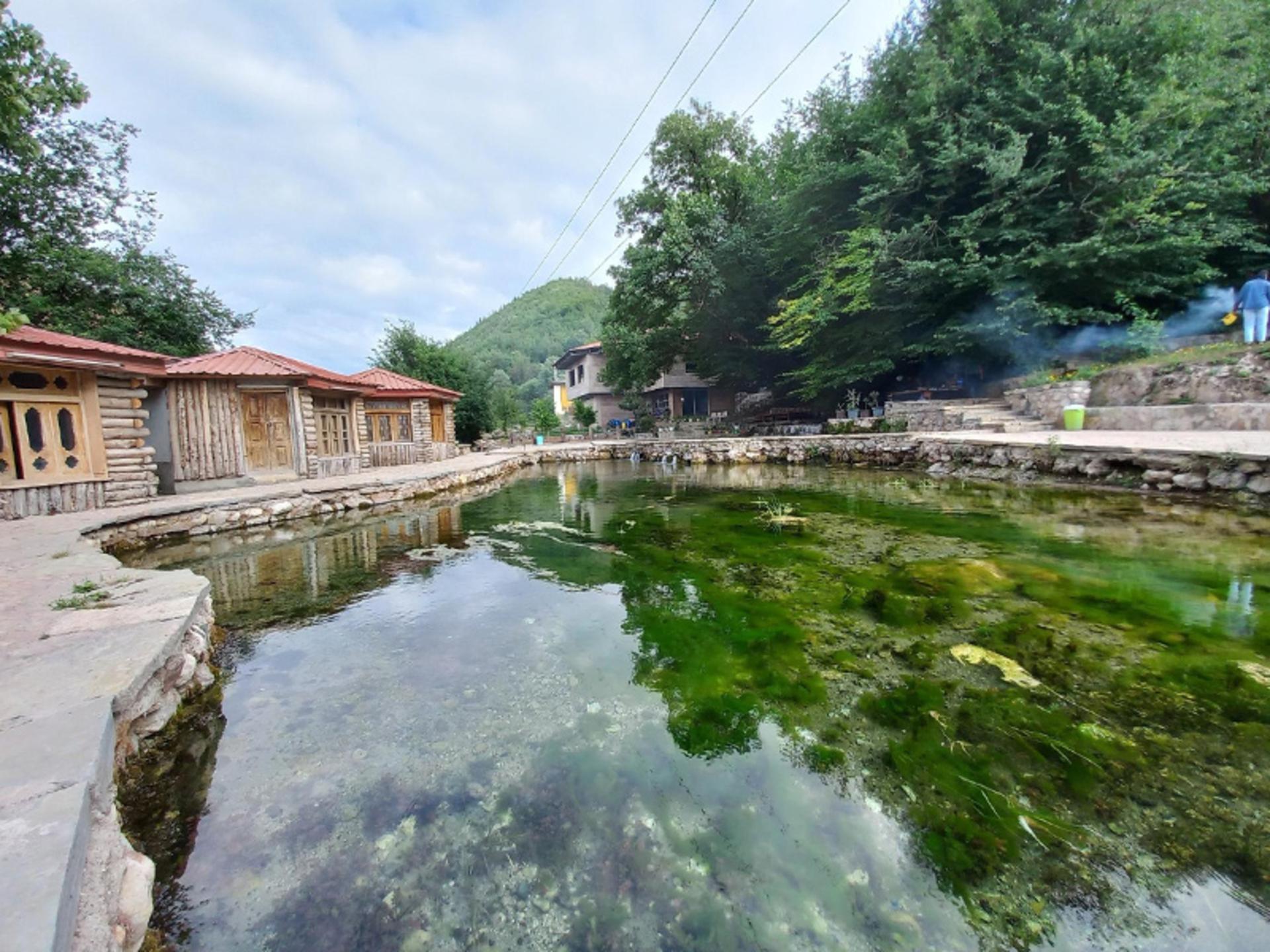
Div Cheshmeh, the demon spring, is the simplest visit in the area and one of the loveliest. A cold, clear spring pushes out of a rock face into a pool about half a metre deep, five metres long and three metres wide, and the stonework stepped down beneath it is faced in decorated mosaic tile. The name comes from local legend rather than theology, and the forested approach is part of the charm; go early and you will have the pool to yourself.
In the city, the Nowshahr Botanical Garden, some 35 hectares laid out in the Pahlavi II era on Bahar Azadi Street by Bandar square, is one of the country's older botanical gardens and a registered national monument, holding rare and threatened species; it opens from about 09:00 to 18:00 for a modest entry fee. The Nowshahr Maritime Museum explains why this coast has always looked at the water as well as the mountains, and a short drive into Kajur puts you in Kendulus, the mountain village that claims the world's first rural museum, with objects from the second millennium BC through the Qajar period.
When is the best time to visit Nowshahr?
Spring is the bloom season on the coast and in the foothills, with full waterfalls and the forest at its greenest. Summer is the busiest: the sea warms enough for swimming, and the heat of central Iran sends families up to Angas and the Kajur villages, so book mountain rooms early and expect weekend traffic on the coast road.
Autumn is the local secret. The broadleaf forest turns through several colours at once, and the morning fog that rolls off the water is the reason photographers schedule a trip for October. Winter on the coastal plain is cool and foggy rather than bitterly cold, with calm, clear nights, but the high roads to Angas and the lake become unreliable, so check conditions before committing to a mountain day.
Where to stay, and how to build the days
Stay twice if you can. A hotel or apartment on the Nowshahr seafront puts the beach, the botanical garden and the Div Cheshmeh road within reach, and the coastal strip between Chalus and Nur has everything from large hotels to garden properties and villa apartments; booking through Mehyar Hotels is the safest way to see real availability rather than a season-old photograph. On the mountain side, take a cabin or eco-lodge in Angas or Kendulus for a night, since the best light at Ghost Lake is at dawn, not on a day trip from the coast.
Budget for cash. Cards issued abroad do not work here, and the mountain villages run on small notes for tea, lunch and entrance fees. Load a Mehyar Wallet in the city beforehand, and let Mehyar Taxi handle the mountain transfers so the driver, not you, negotiates the track.
Around Nowshahr
Nowshahr works well as the middle of a coastal loop. East, the road toward Nur and Ramsar leads to royal gardens and the cableway; west, Chalus gives access to the Namak Abrood resort township and the motorway back to the capital; south, the Kajur districts are where the cloud villages are. Our guide to Mazandaran sets the whole province in order, and Ramsar covers the next stretch of coast in detail. For the wider calendar, see Best Time to Visit Iran, and for money and cards, Paying in Iran.