
Iranians call Ramsar the bride of their cities, and the reason is geometry. The Alborz range rises almost out of the Caspian here, so the Hyrcanian forest, the oldest woodland in the Middle East, stands within sight of the water. In one afternoon you can walk a cobbled boulevard under palms and boxwood to a beach, then drive an hour into cloud forest where the road disappears into mist and villagers sell honey on the verge.
That vertical squeeze shapes the visit. The town sights sit in a narrow band along the coast. The mountain sights, Javaherdeh, Jannat Rudbar, Garser pasture, Dalakhani forest and Markuh Castle, are reachable from the same base but need a full day and a driver who knows fog.

Where is Ramsar?
Ramsar sits in western Mazandaran, at the seam where the province meets Gilan, on the shore of the Caspian. The city is compact: seafront, boulevard and palace grounds lie within a short walk of each other. Behind it the road climbs steeply. At six kilometres you are in riverine forest, at fourteen you are above a medieval castle wall, at twenty-six you are in a village that spends most mornings inside a cloud. Cool air comes down from the Alborz and meets the humid sea, which is why Ramsar has long been the escape town for the hot cities of the plateau.
How to get to Ramsar
By road from Tehran. Ramsar lies on the coastal highway, roughly 300 kilometres northwest of the capital. The standard route is the Chalus road over the Alborz: paved, tunnelled and spectacular, it reaches the coast west of Chalus and runs east to Ramsar. Allow five to seven hours with traffic, and more on holiday weekends. A car with a driver through Mehyar Taxi is worth the difference here, because the same driver can take you up to Javaherdeh or Dalakhani the next morning without anything being renegotiated.
By bus or air. Coaches connect Tehran with the western Mazandaran towns, and shared taxis run constantly along the coast between Ramsar, Tonekabon, Chalus and Rasht. Buses reach the town centre; nothing regular reaches Jannat Rudbar, Garser or the trailheads, so budget for private hires on the mountain days. Ramsar has an airport with limited, largely seasonal service from Tehran, so check Mehyar Flights, but plan on arriving by road.
The palace, the museum and the bazaar
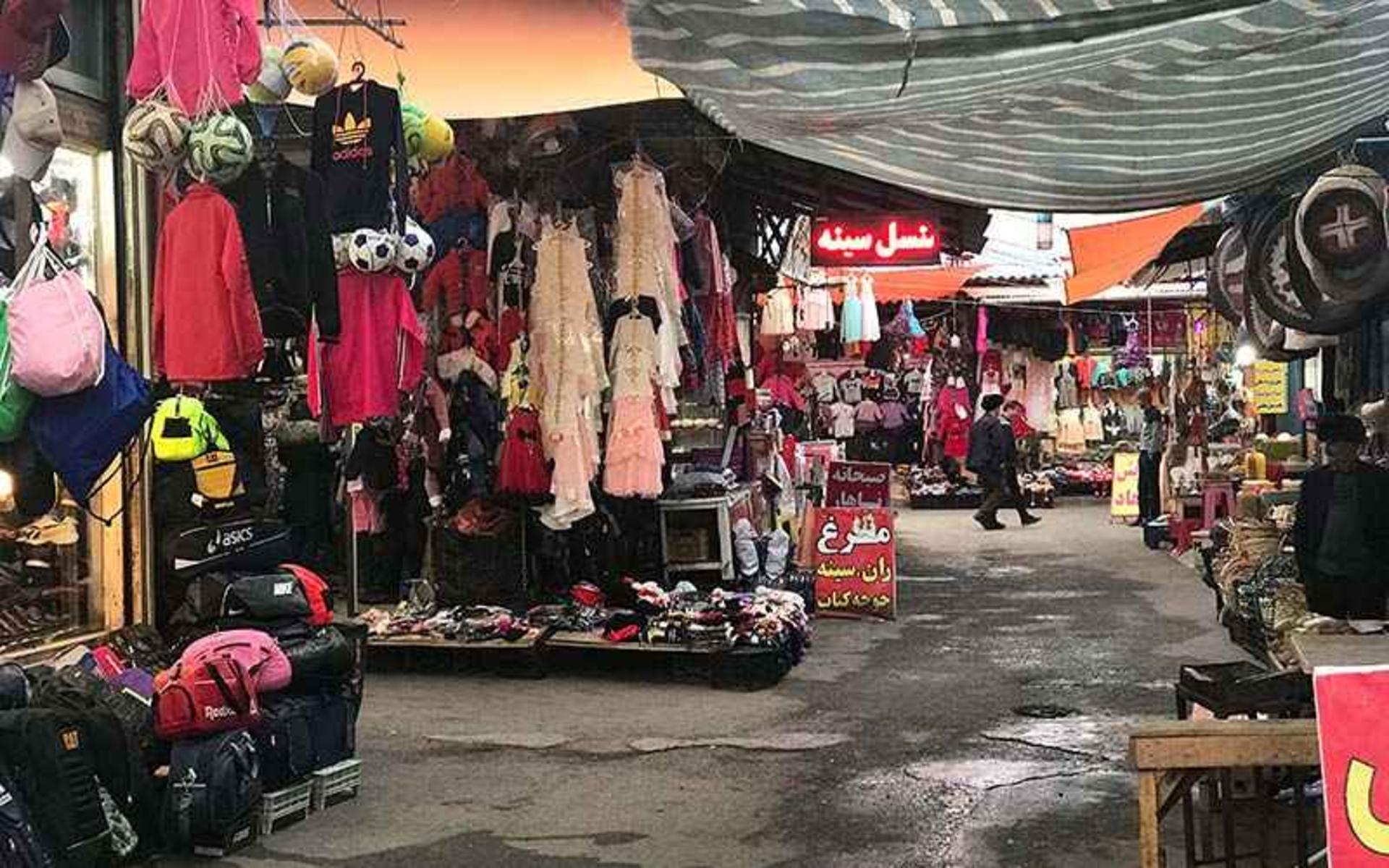

The old bazaar runs along Sajjadi Street, between Imam Khomeini Square and Falastin Square, and is open from around 09:00 until 21:00. It is the best place in town to meet residents rather than scenery. Local musicians play as they walk the aisles, and from the other stallholders comes the noise of the poultry quarter, where chickens, roosters, ducks and turkeys are sold live. Beyond them is the Mazandaran larder: fruit and vegetables, olives, jars of local pickles, pomegranate paste, homemade fruit leather and jams, koluche sweet biscuits, local milk, yogurt and cheese. Buy something edible and you will not be the only visitor to return with a full bag.
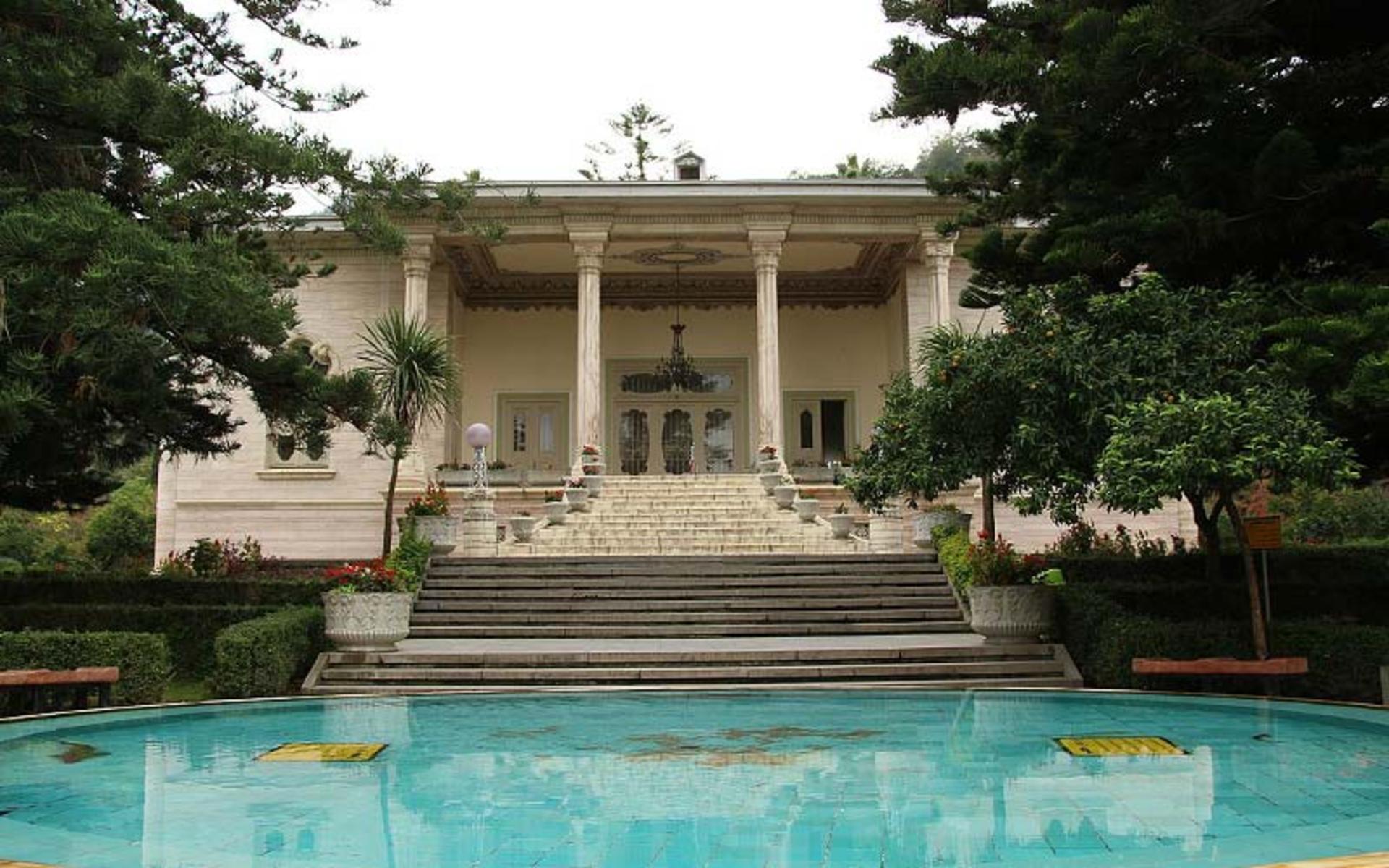
The Marble Palace, also called the Royal Palace, stands on Rajayi Street by Revolution Square inside a large garden. Built under Reza Shah, founder of the Pahlavi dynasty, it is now a cluster of museums: the shah's preserved apartments, a museum of documents, an old bathhouse interpreted as a museum, an anthropology hall and an international ivory museum. The rooms stay furnished as they were, with antique furniture, candelabra and sideboards, bronze and marble sculpture, canvases by foreign painters, Persian carpets and gifts exchanged with other monarchs. Hours shift with the Persian calendar, roughly 08:00 to 20:00 in the first half of the year and 08:30 to 17:00 later, and foreign visitors pay several times the Iranian rate.
The Ramsar Anthropology Museum is on Bahonar Boulevard by the Khalaj waterfront, open Saturday to Thursday, closed Friday. It is an unglamorous and very useful collection of northern domestic life: oil and paraffin lamps, brass samovars, pottery, handwoven carpets and the striped household cloth called chader-shoe, manuscripts, chests, farm and herding implements. Go here before buying crafts in the mountains, and you will know what is genuinely made by hand.
Close to town: Safaroud, the cableway and the boulevard
Safaroud Forest Park is six kilometres up the Javaherdeh road, fifteen minutes from the centre, named for the sweet-water river that runs through it. The woodland sits in a valley, so you get river, forest, dense varied planting and mineral springs in one compact walk, best in spring and summer.
The cableway station is five kilometres west of town and runs daily from about 08:00 to 17:00, with the timetable depending on season. The ride is two kilometres and takes around twelve minutes, and the line is counted among the most scenic in Iran because the cabins cross city, forest and sea in one sweep. It is also the only place in Ramsar where mountain and sea recreation share a car park: karting, an amusement park, a zipline, a suspension bridge, paintball, a sea-sports club and a beach club, with shops and restaurants. Entry is ticketed, fares are revised each Iranian year, and the attractions charge separately.
Moallem Boulevard is the symbol of the city and one of the few streets in Iran on the national heritage list. Laid out under Reza Shah, paved with stone, two kilometres long and walled in by palms, tupelo and boxwood, it runs downhill to the sea past the old Ramsar Hotel and the National Garden. Walk it at dusk. It ends at the Towskasar plage, with an amusement area, boat rides, shops and a swimming place, and it works best at night, when the air turns mild and the surf carries up the promenade.
Dalakhani forest, Meyjan lake and Markuh Castle
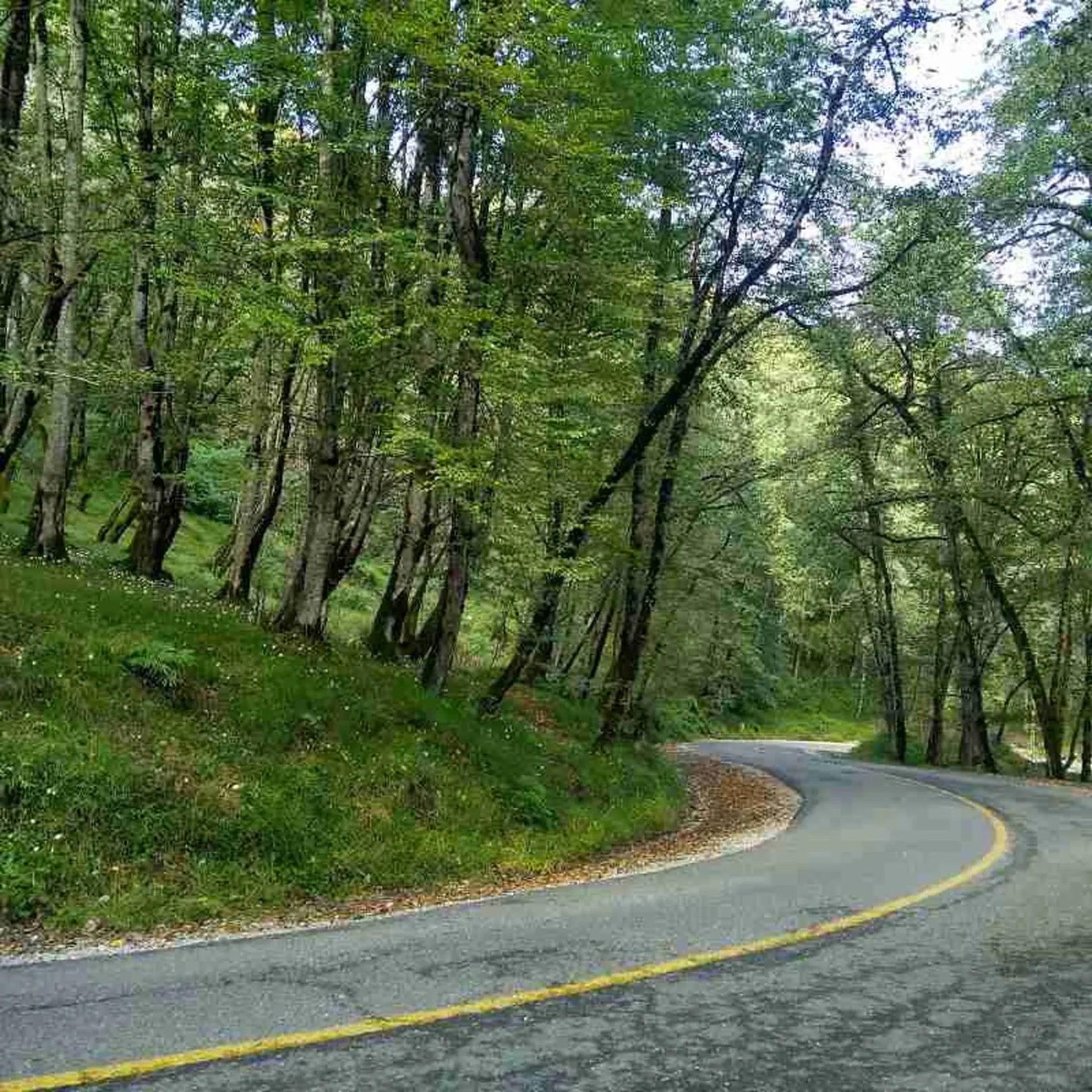
Meyjan Dam lies 19 kilometres southeast of Ramsar, forty minutes by car, on the Nesarud river off the Jannat Rudbar road. Access stops short of the crest, so you view the lake from the designated points rather than walking its shore, and the water, forest and hills make the drive worthwhile. Spring and early autumn are the pleasant windows.
Dalakhani forest is the jewel of the Ramsar highlands and the gateway to them. At the thirty kilometre mark on the same road, an hour and fifteen minutes from town, the valley opens into woodland that is largely untouched and has few built facilities, which is precisely why it is worth the fuel. The approach road is good in all seasons. Dalakhani also clusters the sights: Meyjan lake, the forest park, Jannat Rudbar, Siasart waterfall, Orbakleh village and Markuh Castle hang off this road, and the Dohzar and Sehzar forests begin a short distance beyond.
Markuh Castle is the closest of them to history, fourteen kilometres and half an hour out by the Katallard and Talasar road, listed on Iran's national heritage register. Its plan is often compared with the castle of Babak in the northwest: of the stronghold, four enclosing walls and their supporting towers remain. What the ruin has in abundance is the view, straight down over Ramsar and the whole line of the Caspian. There is no lighting, so go in daylight and early enough to descend before the afternoon cloud closes.
Into the fog: Javaherdeh, Jannat Rudbar and Garser
Javaherdeh is the classic mountain village, 26 kilometres and fifty minutes above town in the Sakhtsar district, reached on a road that spends most of its length inside cloud. It is also the most civilised of them, with shops, cafés, gazebos, lighting, piped water, a clinic and a pharmacy. Around it lie the old Friday mosque, the tomb of Shah Yahya, the Gabri graves, waterfalls, springs, forest, plains and peaks. Bring back felt, chader-shoe cloth, wool socks, pottery, pickles and jams, hot bread, and local yogurt, butter, cheese and honey.
Jannat Rudbar goes further and higher: 58 kilometres, an hour and forty-five minutes, in the Dalakhani district and set in a valley at the heart of the mountains. Fog is the normal condition rather than the exception, and the village is one of Iran's important growing areas for gol-e gavzaban, the lemon balm herb, which makes the spring flowering the time to visit. The Chalk Rud river runs past, there is a village market, waterfalls are close, and the lodging is the reason to stay: suites, rural houses with deep verandas and a surprising number of eco-lodges.
Garser pasture, on the same road at 53 kilometres and an hour and forty minutes, is the high meadow stop: green flats, cloud forest, cold perennial springs, traditional weaving and good local food, with Fulad Cheshmeh spring, the Abji mosque and a scatter of summer villages nearby. The season is short, from mid-May to the end of summer, and staying means camping on the meadow, a wooden cabin, a villa or a hotel below.
The long drive to Ej waterfall
Ej waterfall, also called Mij after the village beside it, is the outlier: 114 kilometres and roughly two hours, up in the Ashkur highlands. It drops through dense northern forest, fed by the snowmelt of Kheshm Chal, which tells you when to go. In early spring it runs at full weight; by late summer the flow thins and the spectacle loses its volume. If you have one long day and want water rather than views, spend it here; if the season is late, spend it in Dalakhani.
When is the best time to visit Ramsar?
Spring is the default answer and a good one: soft rain, deep green forest, waterfalls at full volume and the meadow herbs in flower. Summer brings the sticky coastal humidity Iranians call sharji, but Ramsar fills in July and August because the misty heights above it are genuinely cool; be on the coast early and up in the mountains by midday. Autumn is the quiet choice, with clear light, empty roads and the lake and castle at their best. Winter on the plain is mild, grey and rainy rather than cold, and the high villages close once the snow arrives.
Where to stay, and how to order the days
Sleep in town near the boulevard and treat the mountains as day trips, unless you specifically want the fog: the eco-lodges of Jannat Rudbar and the cabins of Garser are destinations in themselves and worth a night. Rooms range from simple guesthouses to resort hotels and fill quickly on domestic holidays, so reserve through Mehyar Hotels before fixing dates, and use Mehyar Taxi for the Javaherdeh, Dalakhani and Jannat Rudbar days rather than stringing shared taxis together.
Three days is the honest minimum. Day one is the town: bazaar in the morning, the palace and the anthropology museum after it, Moallem Boulevard and the beach at sunset. Day two is the high road, Javaherdeh with Safaroud on the way back, or Jannat Rudbar and Garser if you will start early and drive late. Day three is Dalakhani, with Meyjan lake, Markuh Castle and a long lunch. Add a fourth for Ej waterfall, and a fifth if you intend to sit in the fog and do nothing at all.
Around Ramsar
Ramsar belongs to a northern loop rather than a single stop. Our guides to Mazandaran and Nowshahr cover the coast eastward, Rasht covers Gilan to the west, and Tehran explains the road you will arrive on. For timing, see Best Time to Visit Iran, and read Paying in Iran before you plan to buy honey, cheese and crafts in three villages with a card.