
Some twenty kilometers north of the bustling shrine city of Mashhad lies a place where time seems to have stopped. Tabran, the historic heart of ancient Tus, was once one of the great cities of Khorasan, a flourishing center of scholarship, trade, and Persian literature. Today its weathered walls and quiet ruins invite travelers to walk through more than a thousand years of history. For anyone interested in the deep cultural roots of Iran, a visit to Tabran is an essential pilgrimage.
The Geography of a Lost City
In centuries past, the name Tus referred to a broad region lying between two great mountain ranges: the Binalud range to the south and the Hezar Masjed range to the north. Within this fertile corridor, the historic province of Tus contained not one city but four: Tabran, Radkan, Nughan, and Toroghazh. Each of these urban centers had its own walls, markets, and quarters. Together they formed one of the most important cultural regions of the eastern Islamic world.
Of these four cities, Tabran grew to become the largest and most important. By the fourth century of the Islamic calendar, roughly the tenth century CE, Tabran was recognized as the greatest city of the region. It was here that scholars gathered, poets recited their verses, and caravans stopped on their way between the Persian heartland and Central Asia. The nearby city of Nughan would later give rise to Mashhad itself, which grew around the shrine of Imam Reza.
What Remains of Tabran Today
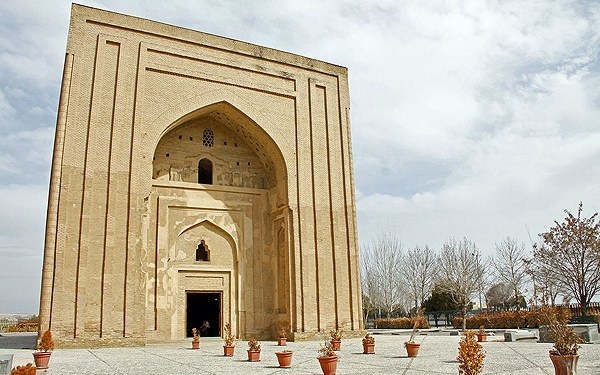
Walking through the archaeological area of Tabran today, visitors encounter a series of remarkable monuments that survived the passage of centuries. The most prominent of these is the Haruniyeh Dome, an imposing brick tower that dominates the landscape. Though its name connects it to the Abbasid caliph Harun al-Rashid, who died in Tus in the year 809, the structure is more closely associated with Imam Muhammad al-Ghazali, the celebrated theologian and mystic who was buried in the vicinity in the twelfth century.
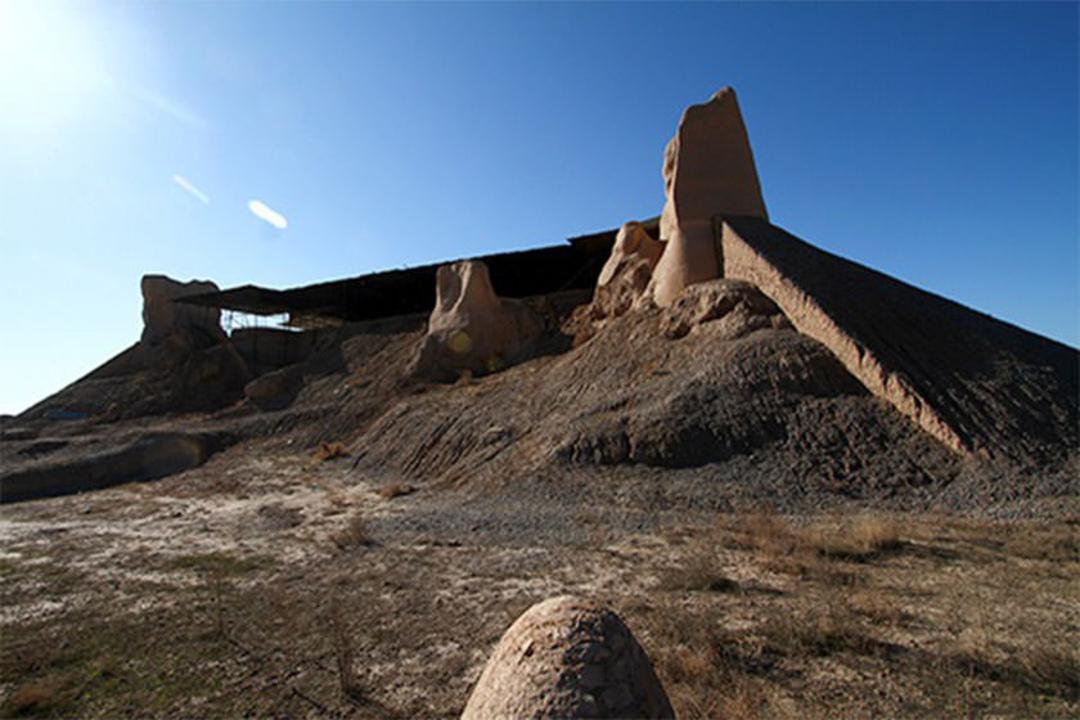
The city walls of ancient Tabran still trace their outline across the plain, and the remains of the Tus Citadel rise above the surrounding fields. Nearby lie the remnants of the Grand Mosque of Tabran, evidence of the city's former prominence. Perhaps most moving of all is the story of these ruins themselves: the city was devastated by the Mongol invasion of 1220 and never fully recovered, its population gradually migrating south to what became modern Mashhad.

The Tomb of Ferdowsi
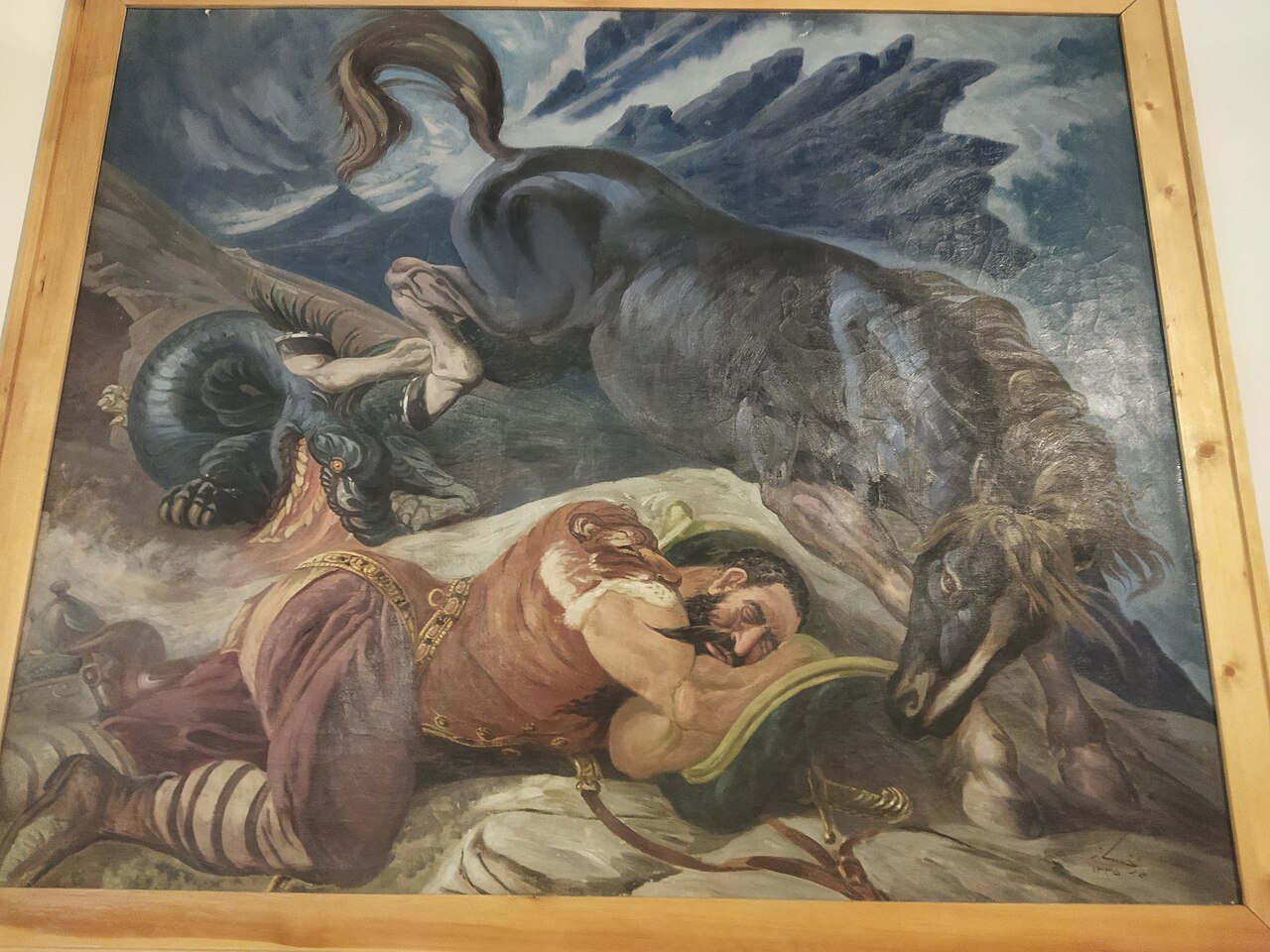
No visit to Tabran is complete without paying respects at the tomb of Ferdowsi, the greatest poet in the Persian language. Abu al-Qasim Ferdowsi was born near Tus around the year 940 and spent some thirty years composing the Shahnameh, the Book of Kings, an epic poem of some sixty thousand verses that chronicles the mythical and historical past of Iran. The Shahnameh is not merely a literary masterpiece. It is often credited with preserving the Persian language itself through centuries of foreign domination.
The tomb as it stands today is a modern construction, completed in 1968 within a beautiful garden setting near the ancient ruins. Its design draws on Achaemenid architecture, with a white marble chamber that rises in the style of an ancient Persian tomb, surrounded by a columned hall. The building has become a national monument and a place of pilgrimage for lovers of Persian literature from around the world.

Planning Your Visit
Tabran and the Tus archaeological area are located in Razavi Khorasan Province, roughly twenty to twenty-five kilometers northwest of central Mashhad. The site is easy to reach by taxi or private car, and the journey takes around thirty minutes from the city center. Public transportation options are limited, so most visitors arrange for a driver for the half-day excursion. There is no entrance fee to walk among the ruins, and a typical visit lasts less than an hour, though enthusiasts of history and photography often linger longer.
The best times to visit are spring and autumn, when the weather in Khorasan is mild and the skies are clear. Summer temperatures can be intense, so plan your trip for the early morning if traveling between June and August. The site is open throughout the day, and the light of late afternoon casts long shadows across the ancient walls, creating excellent conditions for photography.
A Half-Day Itinerary from Mashhad
Most travelers combine Tabran with other attractions in the Tus area. A typical half-day itinerary begins in the morning with a drive from Mashhad, followed by an exploration of the archaeological site and the Haruniyeh Dome. The next stop is the tomb of Ferdowsi, where you can spend time in the gardens and visit the small museum dedicated to the poet's life and work. Before returning to the city, consider stopping at the nearby village of Radkan, home to the remarkable tomb tower of Radkan, a twelfth-century monument with astronomical alignments.
If you have more time, the region around Mashhad offers many other attractions, from the stunning shrine complex of Imam Reza to the natural wonders of the Torghabeh and Shandiz valleys. But for anyone with an interest in Persian history and literature, Tabran stands apart as the place where the soul of ancient Khorasan can still be felt.
Why Tabran Matters
In an age when travelers often rush between famous landmarks, Tabran offers something different. It offers silence, space, and a direct connection to the literary and spiritual heritage of Iran. Standing beside the crumbling walls of a city that once rivaled the great capitals of the Islamic world, you can feel the weight of history in a way that no museum can replicate. The wind that moves across the plain of Tus today is the same wind that Ferdowsi knew a thousand years ago. For many visitors, this quiet communion with the past becomes the most memorable part of their journey through northeastern Iran.
Whether you come as a pilgrim of literature, a lover of ancient architecture, or simply a curious traveler seeking the road less traveled, Tabran and the ancient city of Tus will reward your visit. Bring comfortable shoes, a camera, and an open mind, and let the ruins speak for themselves.