You have landed in a country where poetry is recited at dinner tables, where a stranger will offer you their last piece of fruit before introducing themselves, and where the phrase "it's nothing" might mean you are about to receive the most generous gift of your trip. Welcome to Iran, a nation whose social fabric is woven with threads of courtesy so intricate that even seasoned travelers find themselves enchanted, occasionally confused, and always welcomed.
Understanding Iranian etiquette is not merely about avoiding faux pas. It is your key to unlocking genuine connections, to being invited into homes, and to experiencing the warmth that Iranians are famous for. This guide walks you through the practical, everyday customs you will encounter, from the moment you exchange your first greeting to the final sip of tea at a farewell gathering.
What Is Taarof and Why Does It Matter?
Before you can understand Iranian etiquette, you must meet taarof. This Persian concept is the elaborate dance of politeness, self-deprecation, and generosity that underpins almost every social interaction in Iran. It appears when a shopkeeper refuses your money, when a host insists you eat more even after you are full, and when a taxi driver says your fare is nothing.
The key to navigating taarof is to recognize it as a ritual of respect rather than a literal offer. When someone says "قابل شما را ندارد" (it has no value compared to you) while refusing payment, they are honoring you. You should still pay. When a host offers you something three times, the first offer is politeness, the second is encouragement, and the third is genuine. A graceful guest learns to accept the third offer with gratitude.
Foreign visitors often mistake taarof for insincerity. It is not. It is a centuries-old framework for showing that the other person matters more than your own convenience. Once you understand its rhythm, you can participate. And when you respond with your own gentle protests, such as insisting on paying for a shared meal, you are speaking the language of Iranian courtesy.
How Do I Greet Someone Properly?
Iranian greetings are warm but follow clear rules. The most common is سلام (salaam), which you can use in any situation. However, physical contact between men and women who are not related follows different expectations.
For men greeting men, a handshake is standard and often accompanied by a warm smile and a second hand placed over the heart. For women greeting women, similar handshakes or even a light embrace among friends are common. When a man meets a woman, the safest approach is to wait. If she extends her hand, you may shake it. If she does not, place your right hand over your heart and nod with a slight bow. This gesture is deeply respectful and always appropriate.
When greeting someone of the same gender, a handshake is appropriate. However, as a foreign traveler, you will notice that Iranians often add more warmth to their greetings. They may ask about your health, your family, and your journey before getting to the point of the conversation. Rushing this exchange is considered cold.
Use titles of respect. For men, آقا (agha) followed by a surname is polite. For women, خانم (khanoom) serves the same purpose. If someone holds a doctorate or a professional title, use it. In Iran, it is common to call someone by their first name only after they have invited you to do so.

What Should I Wear in Iran?
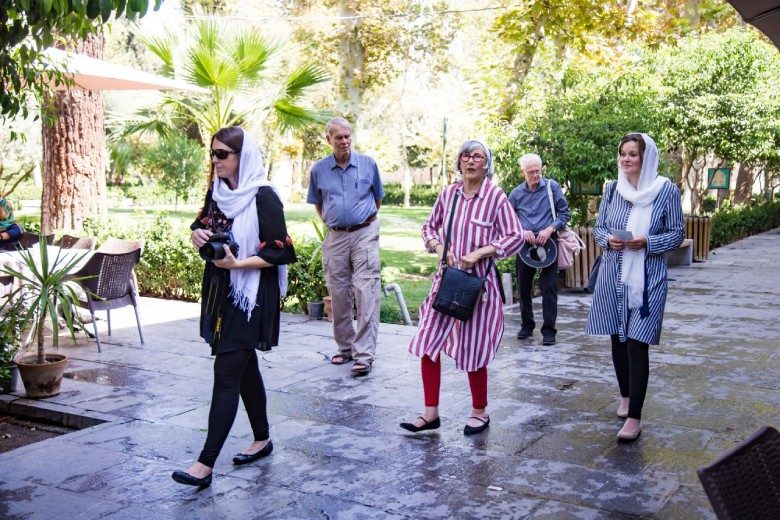
Dress in Iran is governed by modesty norms that apply to both men and women. For women, wearing a headscarf (hijab) in public is mandatory. This applies to foreign visitors as well, including non-Muslims. The scarf should cover the hair, and clothing should be loose and cover the arms and legs. A مانتو (manteau), a long tunic or coat, is the standard outer garment. Colors and styles can be quite varied, and women in Iran often dress fashionably within these guidelines.
For men, shorts are not culturally appropriate in public spaces. Even in hot weather, long trousers are the norm. T-shirts without sleeves should also be avoided in most public places.
While enforcement of these rules has become more relaxed in recent years, particularly in major cities like Tehran and Isfahan, it is always wise to err on the side of respect. Dressing modestly is not just a legal requirement in some contexts; it is a sign of respect for the culture you are visiting. If you are ever unsure about what is appropriate, opening the مهیار app and checking our articles on dress codes for specific cities can offer practical guidance.

Dining Etiquette: Food, Hospitality, and the Fight for the Bill
Iranian hospitality reaches its peak at the dining table. If you are invited to a home for a meal, know that the experience will be abundant. Food is served generously, and refusing it outright can cause genuine disappointment.
When you arrive at a home, remove your shoes at the entrance. You will likely be guided to a sitting area, often on carpets with cushions or on sofas. Before the meal, tea and sweets are almost always offered. Accepting at least a small amount is polite.
During the meal, you will be encouraged to eat more. This is part of the taarof tradition. You should accept at least some of what is offered. Eating everything on your plate is not necessary, but showing appreciation for the food and the effort is important. Compliments to the cook are warmly received.
When the meal ends, the battle over the bill may begin. If you are dining out with Iranian friends, it is very likely that someone will insist on paying. This is not just generosity; it is a point of pride. If you wish to contribute, offer once or twice, but do not fight so hard that it becomes uncomfortable. If you are the guest of honor, you may find that you are not allowed to pay at all. In that case, accept gracefully and offer to treat them the next time.
In restaurants, tipping is not obligatory but is appreciated. Many establishments add a service charge. If not, rounding up the bill is a kind gesture.
Photography: What Can I Capture?
Iran is visually stunning, and you will want to photograph everything. However, there are important limits. Do not photograph government buildings, military installations, police stations, or airports. These restrictions are serious and can lead to detention.
When photographing people, always ask first. This is especially true for women. A smile and a gesture toward your camera will usually suffice. Many Iranians, especially young people, are happy to be photographed. However, respecting someone's refusal is paramount.
In religious sites, such as mosques and shrines, photography may be restricted or prohibited. Look for signs or ask a caretaker. At sites like the Holy Shrine of Imam Reza in Mashhad or the Shah Cheragh in Shiraz, you may need special permission. Some places allow photography but not inside the main prayer halls.
Visiting Religious Sites: Mosques and Shrines
Iran is home to some of the most breathtaking Islamic architecture in the world, and visiting these sites is a highlight for many travelers. However, they are places of active worship, and respect is essential.
Before entering a mosque or shrine, remove your shoes. Women will be required to wear a چادر (chador), a full-length cloak that covers the body. These are often available at the entrance. Men should also dress modestly, covering their legs and shoulders.
Inside, maintain a quiet demeanor. Do not walk in front of someone who is praying. If you are unsure where to go, observe others and follow their lead. Many sites have separate entrances for men and women.
At major shrines, such as the Haram of Imam Reza, non-Muslims may be restricted from certain areas. If you are traveling with a Muslim friend, they may be able to guide you. If not, the visitor center or guards can advise you on what is permissible.
Gender Norms: A Gentle Overview
Iranian society maintains distinct expectations for interactions between men and women. As a foreigner, you will not be expected to know all the nuances, but awareness helps.
Men should avoid initiating physical contact with women, including handshakes. Allow the woman to extend her hand first. Similarly, women should avoid prolonged eye contact or overly familiar conversation with men they do not know. Public displays of affection between couples are not common and should be avoided.
In taxis and on public transport, women may sit in separate sections. On some buses, women enter from the rear and men from the front. In the metro, there are women-only cars, which are clearly marked. As a foreigner, you can use these options if you feel more comfortable, but you are not obligated to.
If you are a woman traveling alone, you will likely find Iran surprisingly safe. However, unwanted attention can occur. Dressing modestly and maintaining a confident demeanor helps. If you feel uncomfortable, moving to a busier area or entering a shop is usually enough to change the situation.
Practical Tips for Daily Interactions
- Use the Mehyar app for navigation. Our taxi service, تاكسي مهیار, can help you get around cities with ease and transparency, avoiding the need to negotiate fares in a language you may not speak.
- Learn a few Persian phrases. Even a simple "merci" (thank you) or "salaam" (hello) is appreciated. Attempting the language shows respect.
- Accept tea. When offered tea, it is polite to accept. If you do not drink tea, a polite refusal with a smile is acceptable.
- Do not rush. Iranian social interactions take time. Rushing a greeting or a transaction can seem rude.
- Respect Ramadan. During the holy month of Ramadan, eating, drinking, and smoking in public during daylight hours is forbidden. Many restaurants close during the day and reopen after sunset.
- Avoid political discussions. Politics can be a sensitive topic. If asked about your views on Iran's government, it is best to remain neutral and change the subject gracefully.
Using Mehyar to Navigate Your Trip
Traveling in Iran is made easier with the مهیار app. Our platform offers a range of services designed specifically for international visitors. The Mehyar Taxi feature connects you with reliable drivers who understand the needs of tourists. You can book rides without cash or language barriers.
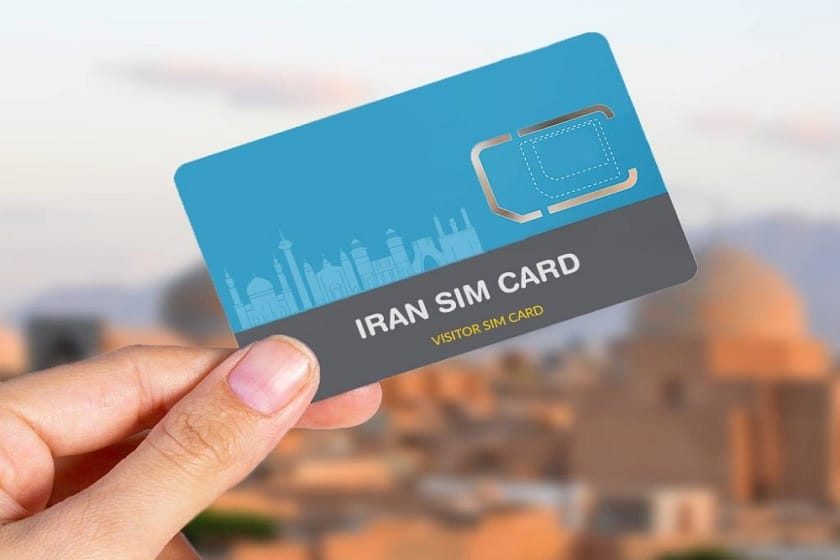
For those interested in cultural experiences, our app provides guides to local customs and events. The Mehyar SIM service helps you stay connected without the hassle of finding a local SIM card. And our Mehyar Wallet allows you to manage payments securely.
When planning your itinerary, browse our articles for in-depth guides on cities, historical sites, and practical matters such as what to wear and how to pay. We are here to make your journey smoother.
A Final Word on Respect
Iranian etiquette is ultimately about respect and warmth. If you approach your interactions with genuine curiosity and a willingness to learn, small mistakes will be forgiven. Iranians are incredibly welcoming to foreigners who show an interest in their culture.
The most important thing to remember is that you are a guest in a country with a rich and ancient tradition of hospitality. When you honor that tradition, you open doors to experiences you could never have imagined.