
Clock Square Yazd | Iran's First Urban Clock Tower in the Heart of the Desert City
In a city famous for its windcatchers, mud-brick architecture, and underground water channels, one small square holds a different kind of engineering pride. Clock Square, known locally as Meydan-e Vaghth-ol-Saat, is home to the oldest functioning municipal clock in Iran. The tower rises from the center of Yazd like a quiet statement about time, craft, and civic identity in the Qajar era.
What Is Clock Square
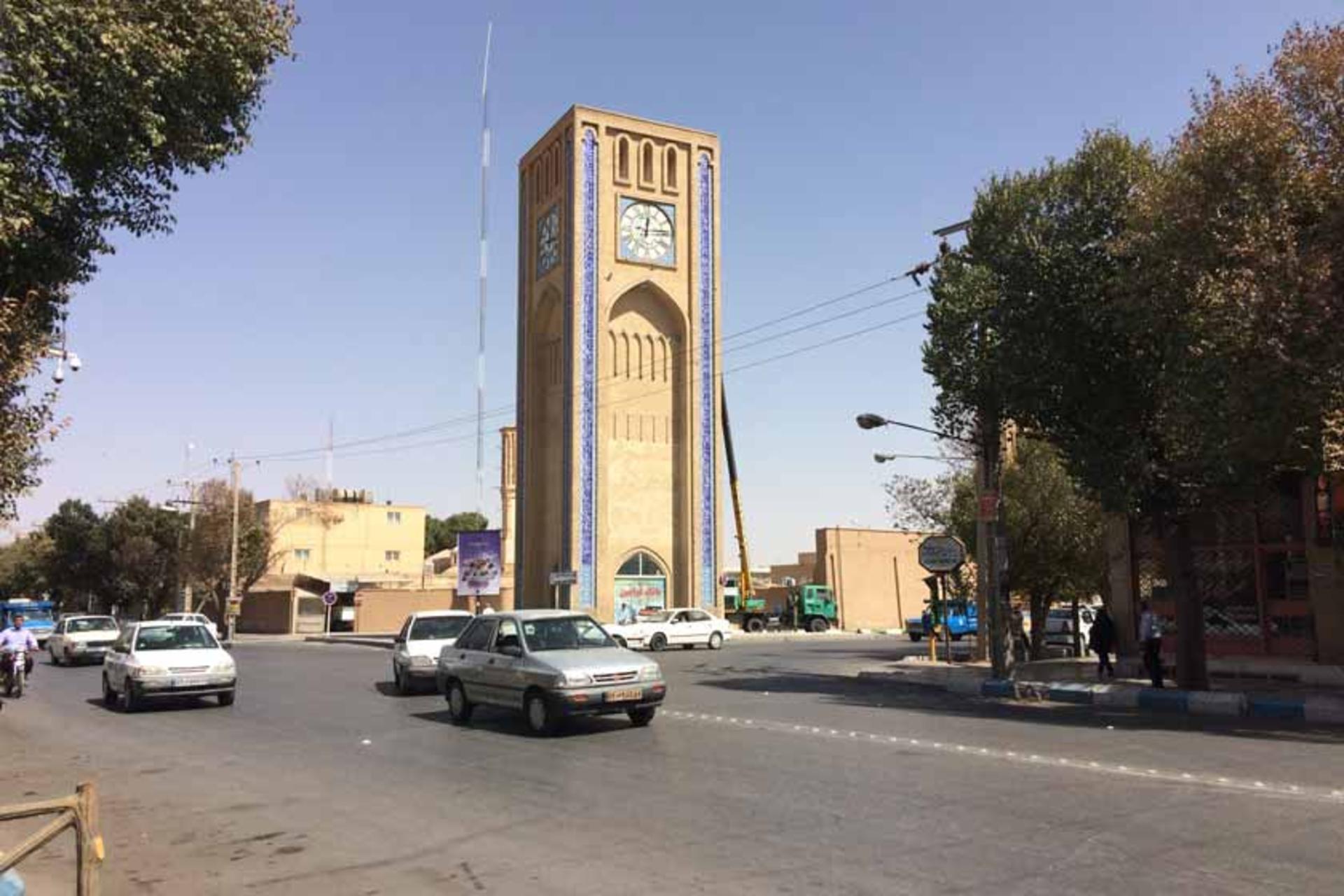
Clock Square is a compact public plaza in the center of Yazd, built around a distinctive adobe clock tower. The tower, rectangular in shape and constructed from the same mud brick as so many of Yazd's finest buildings, carries a clock face high on its upper section. It was given the name Vaghth-ol-Saat (meaning "time of the clock") and has become one of the recognizable landmarks of the city.
The square itself sits on Imam Khomeini Street, one of the main thoroughfares of central Yazd. It is within easy walking distance of many of the city's other major attractions, including the Jameh Mosque of Yazd, which stands just a short stroll away. The location makes Clock Square a natural stopping point on any walking tour of the old city.
History of the Clock Tower
The story of the clock tower goes back to the Qajar period, when Yazd was a thriving center of trade and craftsmanship. The clock itself was the work of a local clockmaker named Abubakr, who was well known in the city for his skill with mechanical timepieces. He crafted the mechanism and installed it in the tower, where it kept time for the residents of Yazd.
The original clock dates to 725 AH (approximately the 14th century CE) and was first installed at the Rokniyeh Madrasah adjacent to the Jameh Mosque. Over time, the clock and its tower became associated with the square that grew up around them. The tower itself is built in a style typical of Yazd: adobe brick, arched niches, tiled inscriptions carrying Quranic verses, and vaulted passages that channel air and light.
Clock Square was added to Iran's National Heritage List in 1999 (1378 SH) under registration number 2656, cementing its status as a protected monument of national importance.
Architecture and Design
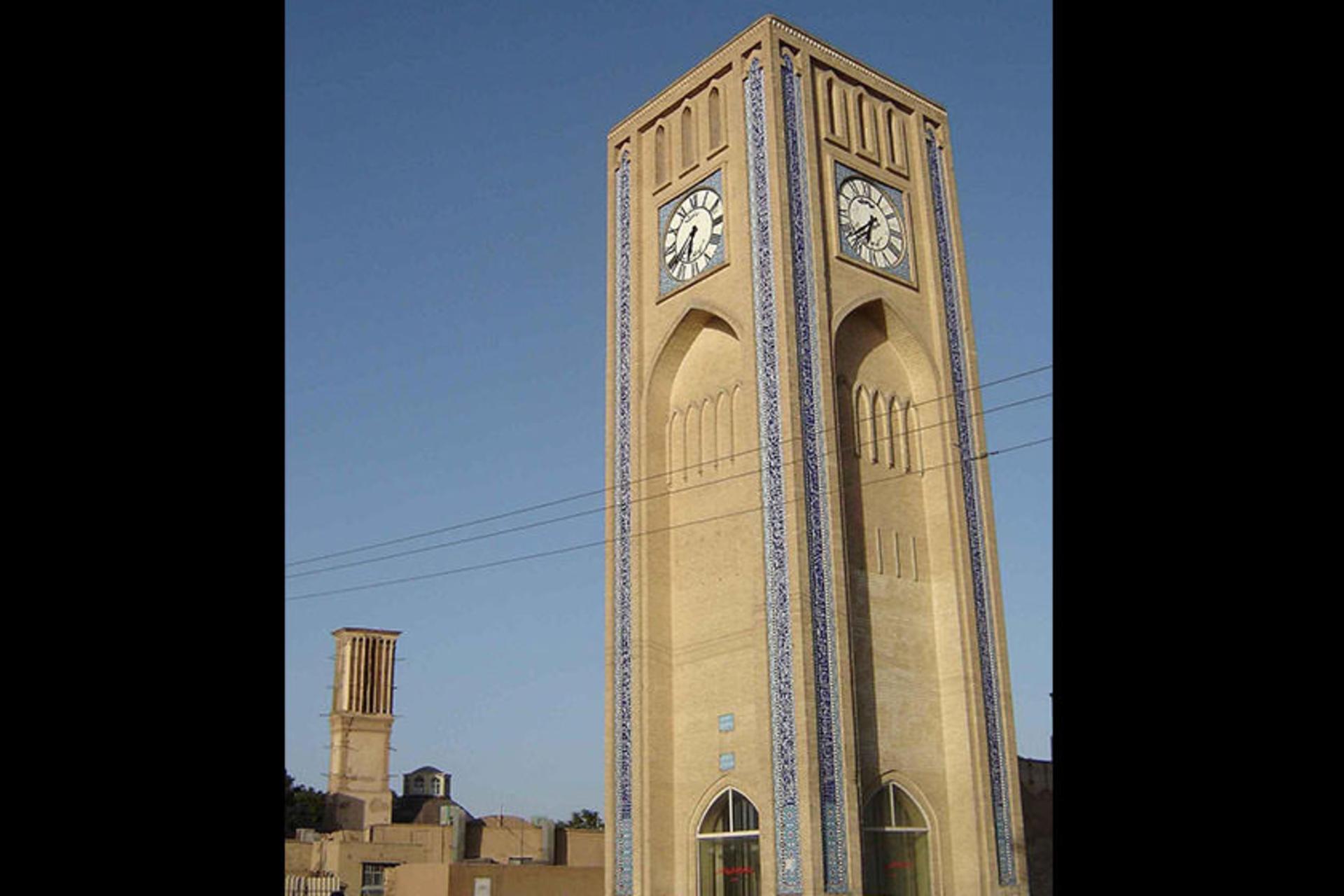
The clock tower is a rectangular adobe structure, simple in form but rich in detail. The lower levels feature pointed arches and vaulted recesses, a signature of Yazd's desert architecture. Tiled panels with inscriptions from the Quran add color and spiritual meaning to the otherwise earth-toned facade.
The clock mechanism sits near the top of the tower, visible from all four sides. While the mechanism has been repaired and maintained over the centuries, it remains a functioning timepiece and a symbol of the city's respect for craftsmanship and precision.
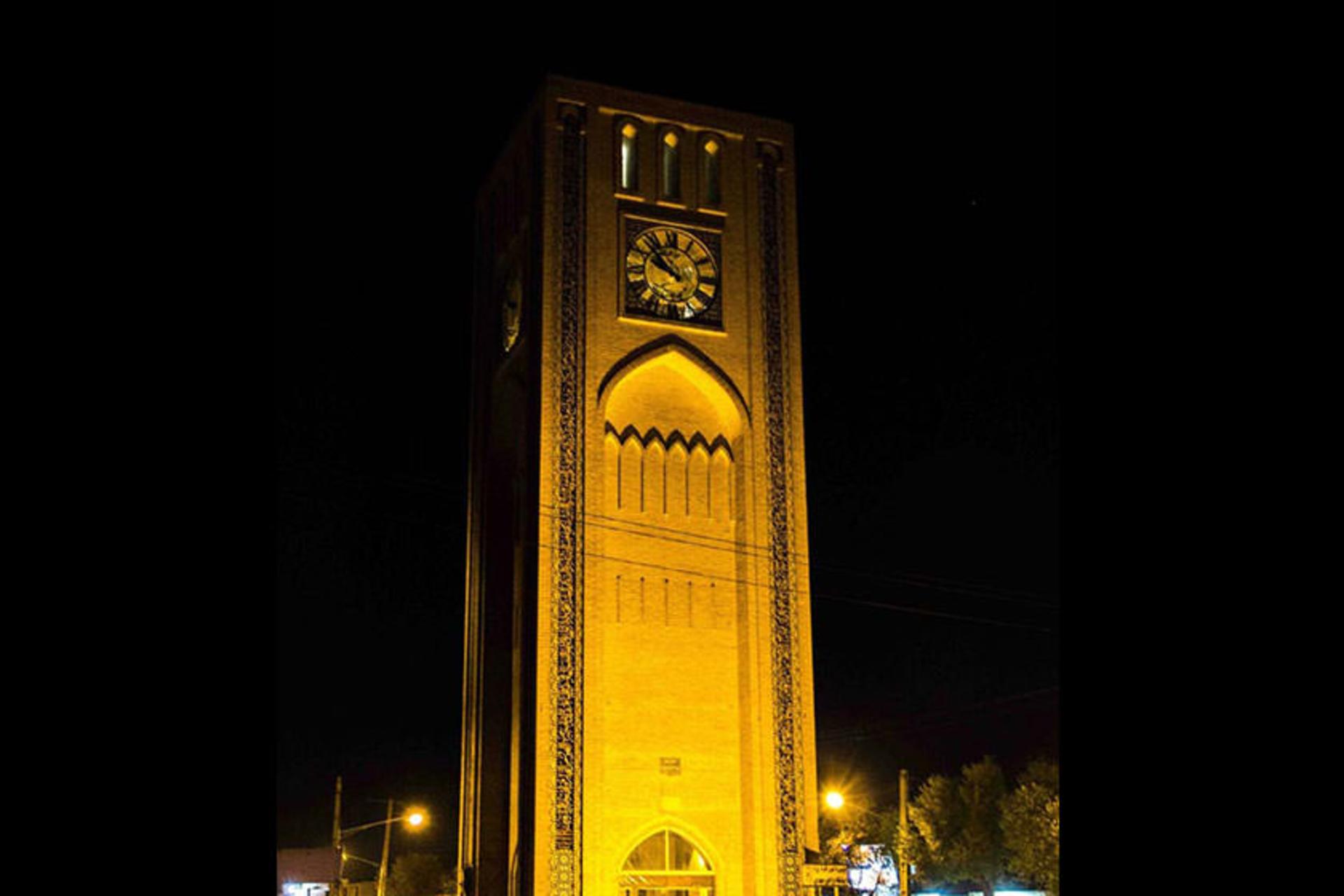
The square around the tower has been landscaped in recent years, with paving, lighting, and benches that make it a pleasant place to rest. In the evening, the tower is illuminated, casting a warm glow that highlights the texture of the adobe and the geometry of the arches.
Visiting Clock Square
A visit to Clock Square takes less than an hour, but it is worth combining with a longer walk through the surrounding neighborhood. The square is free to visit and open at all times, since it is a public space rather than a ticketed attraction.
The best time to visit is in the late afternoon or early evening, when the light is warm and the shadows of the arches stretch across the paving. The square is especially atmospheric at dusk, when the call to prayer echoes from nearby mosques and the tower lights come on.
For travelers using Mehyar, getting to Clock Square is straightforward. The Mehyar taxi service can drop you within walking distance, and the app's maps will guide you through the old city streets to the square and beyond.
Nearby Attractions
Clock Square sits in one of the densest heritage neighborhoods in Iran. Within a few hundred meters you can reach:
- Jameh Mosque of Yazd: One of the finest examples of Persian religious architecture, with its soaring minarets and exquisite tilework. The Friday mosque is a UNESCO-listed site and an essential stop.
- Amir Chakhmagh Complex: A grand ceremonial square with a hussainiya, a bazaar, and a row of arched facades that form one of the most photographed scenes in Yazd.
- Dowlat Abad Garden: Home to the tallest windcatcher in Iran, this UNESCO-listed Persian garden is a cool retreat in the heat of summer.
- Old Town alleys: The winding lanes of the historic quarter, with their high mud walls and badgirs (windcatchers), are a pleasure to explore on foot.
Getting to Yazd
Yazd is well connected by air, rail, and road. The city's airport receives regular flights from Tehran, Isfahan, Shiraz, and other major cities. The railway station links Yazd to Tehran (approximately 10 hours), Isfahan, Kerman, and Mashhad. Long-distance buses serve virtually every city in the country.
Once in Yazd, the old city is compact enough to explore largely on foot. For longer distances or trips to nearby sites such as Chak Chak or Meybod, Mehyar Taxi and Mehyar Buses can handle the logistics.
Hours and Tickets
Clock Square is a public space and is accessible at all hours. There is no entrance fee. The clock tower itself is not typically open for climbing, but the view from the square is rewarding. Allow about 20 to 30 minutes for the square itself, and at least half a day for the surrounding heritage neighborhood.
Why Clock Square Matters
Clock Square is a reminder that Yazd's heritage is not only ancient. The clock tower represents a moment when the city looked forward, embracing technology and civic pride while staying rooted in the architectural traditions of the desert. It is a small site, but it carries a large story about time, craft, and community in one of Iran's most distinctive cities.
Plan your visit to Yazd with Mehyar and experience the city's layered heritage, from ancient Zoroastrian fire temples to Qajar-era clock towers and everything in between.