
Chamestan is a city and county in the heart of Mazandaran province, nestled between the Alborz mountains, the dense Hyrcanian forests, and the Caspian Sea. Despite its relatively modest size, this region packs an extraordinary concentration of natural attractions, historical sites, and cultural experiences that draw visitors from across Iran and beyond. From cascading waterfalls and serene mountain lakes to ancient forest parks and vibrant highland villages, Chamestan offers a microcosm of everything that makes Mazandaran one of Iran's most beloved travel destinations.

Where Is Chamestan?
Chamestan serves as the capital of Chamestan District in Nur County, Mazandaran Province. The city occupies a strategic position that places it within easy reach of forests, sea, and mountains all at once. Its location in southeastern Nur County, adjacent to the city of Amol, makes it a natural hub for exploring the wider region.
The distances from Chamestan to key cities are worth noting. The city of Nur lies just 17 kilometers to the northwest, a 20-minute drive away. Amol is 25 kilometers to the east, reachable in about 35 minutes. The provincial capital Sari sits 95 kilometers to the northeast, roughly a 100-minute journey. For those traveling from Tehran, two major routes are available: the Chalus Road covers approximately 230 kilometers in about four hours and 40 minutes, while the Haraz Road spans 214 kilometers in roughly four hours and 10 minutes. The Haraz route, passing through Jajroud, Boumehen, Roudhen, Abali, Mashaa, Polour, Ab Eskird, and Gaznak before reaching the Helumsar area near Amol, is generally the fastest and most scenic option from the capital.
The Chalus Road is better suited for travelers coming from western Tehran or Karaj. After reaching the city of Chalus and heading east through Nowshahr and Royan, you arrive at Nur County, from which Chamestan is just a few minutes to the south. A third option via the Firuzkuh Road is considerably longer, covering 334 kilometers and about five hours of driving, but it appeals to those who prefer a more gradual approach through the eastern Alborz.
A Brief History and the Meaning of the Name
The name Chamestan is believed to derive from the local dialect, referring to the area's characteristic landscape features. The region has been inhabited for centuries, with communities that have traditionally relied on agriculture, animal husbandry, and the abundant natural resources of the Caspian forest zone. Over time, Chamestan grew from a collection of villages into a recognized urban center, eventually becoming the seat of its own county administration.
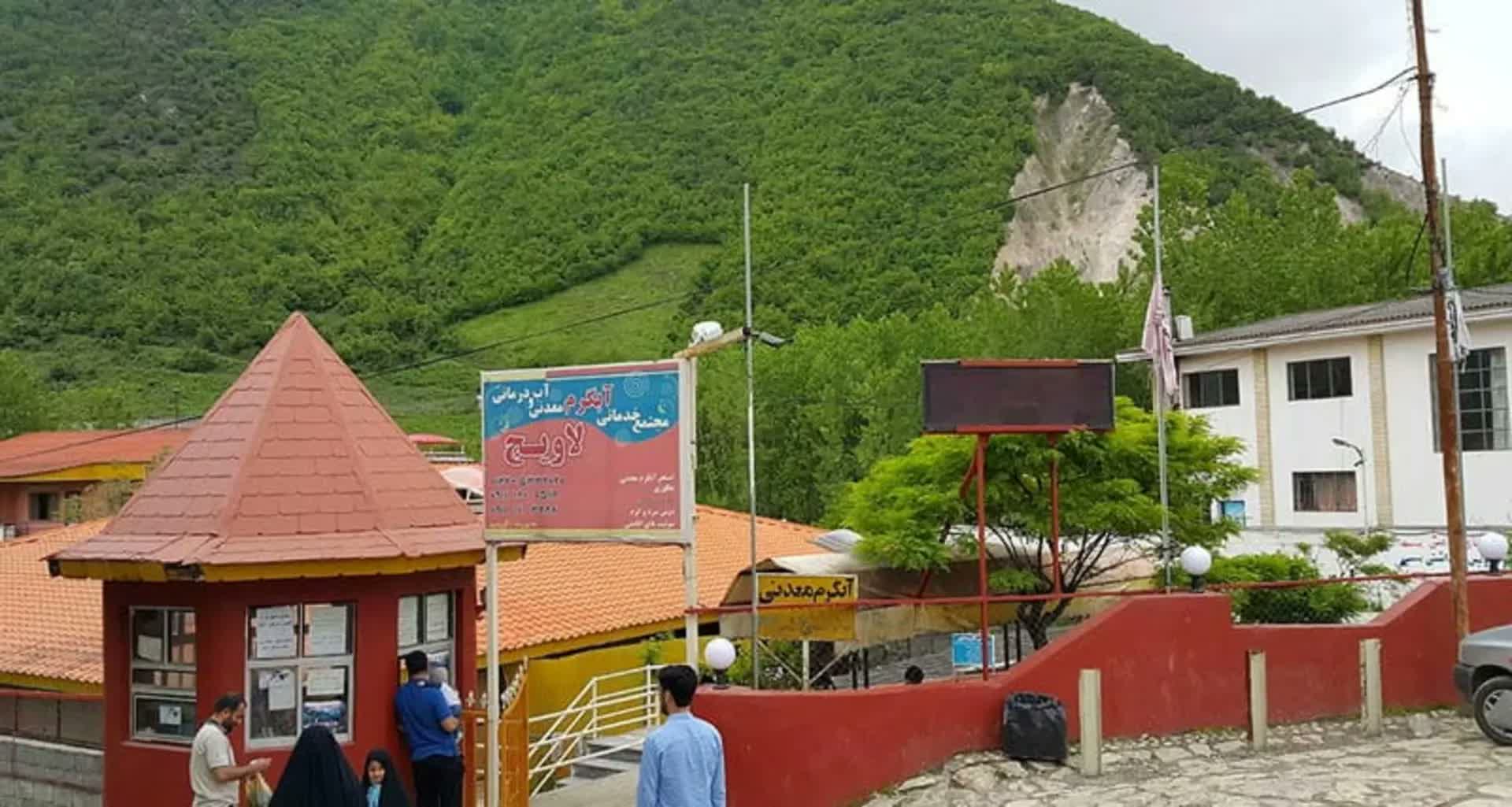
The people of Chamestan are known for their warm hospitality and deep connection to the land. Local traditions, cuisine, and crafts reflect the broader Mazandarani cultural heritage, which blends elements of Persian, Caspian, and highland influences into a distinctive regional identity.
Local Food and Souvenirs
Mazandarani cuisine is one of the richest in Iran, and Chamestan shares in this culinary wealth. Local dishes prominently feature fresh herbs, garlic, walnuts, pomegranate molasses, and Caspian fish. Rice is the staple grain, cultivated in the lowland paddies that dot the landscape. Visitors should seek out local specialties such as morgh-e torsh (sour chicken cooked with herbs and pomegranate), baghali ghatogh (a fava bean and egg stew), and various smoked fish preparations unique to the Caspian coast.
Handicrafts from the region include woven mats, basketry, and wooden objects crafted from the forest's abundant timber. Local markets offer fresh produce, pickled goods, honey, and herbal remedies that make excellent souvenirs.
Key Attractions in and Around Chamestan
Highland Villages and Summer Pastures
One of Chamestan's defining features is its network of highland villages, known locally as yeylaq. These mountain settlements, perched at elevations where the air is cooler and the views stretch across the forest canopy to the sea, have been used for centuries as summer retreats. The tradition of seasonal migration to highland pastures remains alive, and visitors can observe herds of livestock moving along ancient trails and stay in simple guesthouses that offer a genuine taste of rural Mazandarani life.
Abshar-e Ab-Pari in Royan
Among the most celebrated natural attractions near Chamestan is the Ab-Pari Waterfall, located in the Royan area. This waterfall descends through a series of cascades amid lush vegetation, creating a spectacular sight especially during the spring snowmelt when water volume is at its peak. The trail to the waterfall winds through dense forest, offering excellent opportunities for birdwatching and photography along the way.
Lake Avidar
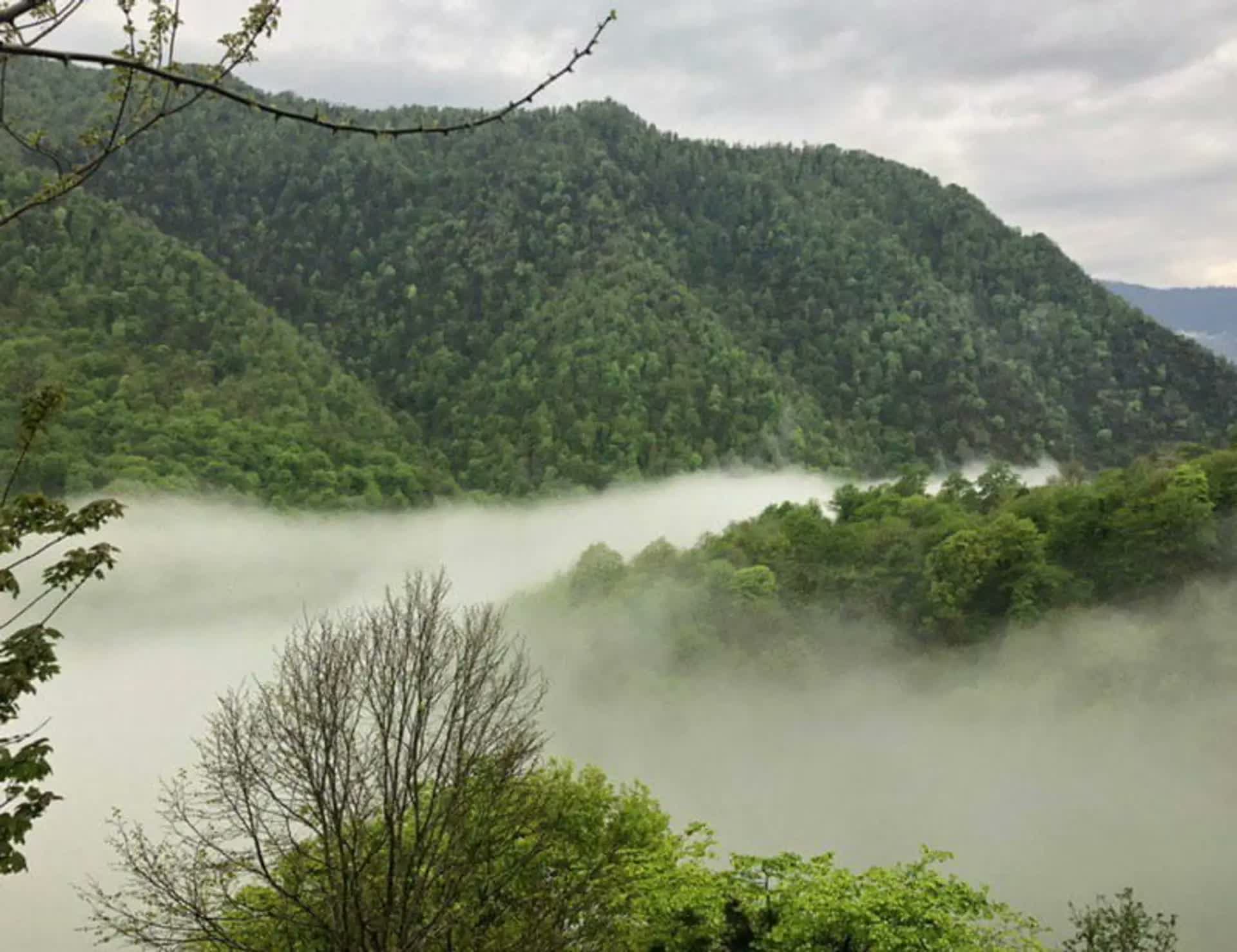
Lake Avidar is a tranquil body of water set within a forested landscape. Surrounded by tall trees and gentle hills, the lake provides a peaceful setting for picnics, boating, and quiet contemplation. The reflections of the surrounding forest on the lake's calm surface create scenes of remarkable beauty, particularly in the early morning when mist hangs low over the water.
Nur Forest Park
The Nur Forest Park is one of the largest and most accessible protected forest areas in Mazandaran. It encompasses a vast tract of Hyrcanian forest, with well-maintained trails, picnic areas, and viewpoints. The park is home to a rich variety of plant and animal species, and walking its paths feels like stepping into a primeval world where the canopy overhead filters the sunlight into a soft green glow. The park is particularly popular during the Nowruz holidays and summer weekends, though weekday visits offer a more secluded experience.
Lake Alimalat
Lake Alimalat is another gem in the Chamestan area, known for its scenic beauty and the diverse birdlife that frequents its shores. The lake sits in a bowl-shaped depression surrounded by forested slopes, and its waters reflect the changing colors of the seasons. Spring brings a burst of wildflowers around the shoreline, while autumn transforms the surrounding trees into a kaleidoscope of warm colors.
Kashpel Park
Kashpel Forest Park offers a more rugged experience compared to the gentler landscapes around the lakes. The terrain here is hillier, with trails that climb through dense forest to ridgelines where panoramic views of the surrounding mountains and valleys unfold. The park is particularly popular with hikers and nature enthusiasts who appreciate the unspoiled quality of the forest.
The Tomb of Aqa Shah Baloo Zahed
For those interested in historical and cultural sites, the Tomb of Aqa Shah Baloo Zahed is a notable landmark in the area. This shrine, dedicated to a local Sufi saint, attracts visitors who come to admire its architecture and to pay their respects. The surrounding area offers pleasant walking paths and shaded spots for rest.
The Haram-ou Waterfall
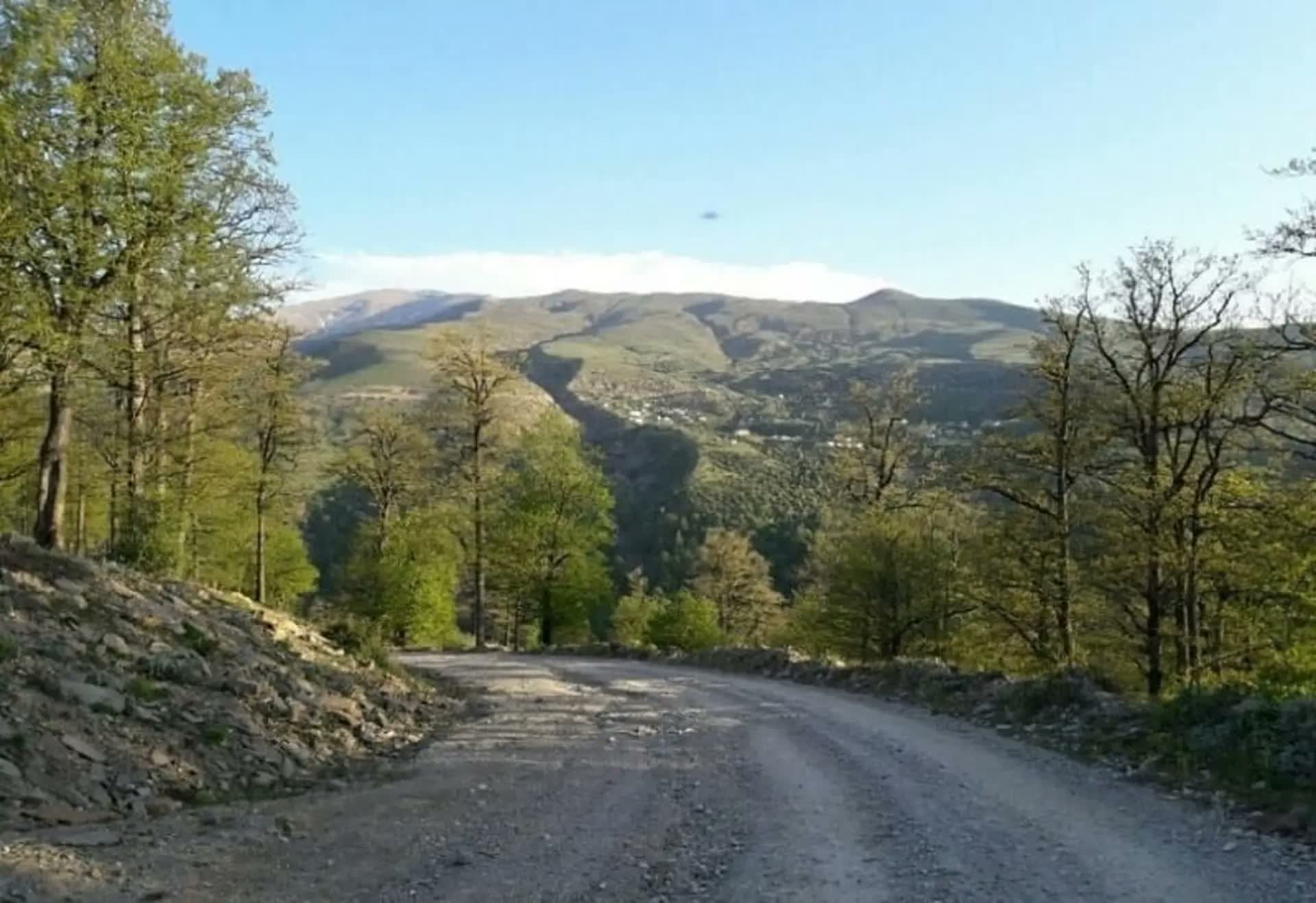
Tucked deeper in the forested highlands, the Haram-ou Waterfall is a rewarding destination for those willing to hike a bit further from the main roads. The waterfall is set in a secluded valley where the forest canopy is at its densest, and the sound of falling water provides a natural soundtrack to the journey. The trail passes through villages and farmland before entering the forest zone, giving visitors a sense of the transition from cultivated landscape to wild terrain.
Where to Stay in Chamestan
Accommodation options in Chamestan range from eco-lodges and guesthouses in the highland villages to more conventional hotels in the city center and surrounding towns. The village stays offer the most authentic experience, with local families providing simple but comfortable rooms and home-cooked meals featuring regional specialties. For those who prefer more amenities, the nearby cities of Nur, Royan, and Amol offer a wider selection of hotels and resorts.
Camping is another popular option, with several designated camping areas around the forest parks and lakes. Bringing your own gear allows you to stay in some of the most beautiful spots, though it is important to follow leave-no-trace principles to help preserve the fragile forest ecosystem.
Best Season to Visit Chamestan
Chamestan is a year-round destination, but each season offers a different experience. Spring, from March through May, brings mild temperatures, blooming wildflowers, and peak waterfall flows from the snowmelt. The forests are at their most vivid green, and the weather is ideal for hiking and outdoor activities.
Summer, from June through August, is the peak tourist season. The highland villages offer a cool respite from the humid lowlands, and the forest parks provide shaded trails even on the warmest days. This is the time when the region is most alive with activity, from local festivals to weekend picnics.

Autumn, from September through November, is arguably the most beautiful season for photographers. The deciduous forests transform into a spectacular display of gold, amber, crimson, and deep burgundy. The air is crisp, the crowds have thinned, and the light takes on a warm, golden quality that makes every landscape look like a painting.
Winter brings snow to the higher elevations and cool, damp conditions to the lowlands. While some roads and trails may be closed, the snow-covered forests create a landscape of quiet beauty, and the few visitors who brave the cold are rewarded with a serene, almost private experience of the region.
Practical Tips for Your Visit
Transportation: Having your own vehicle provides the greatest flexibility for exploring Chamestan's dispersed attractions. The roads are generally well-paved, though some of the routes to highland villages and waterfalls involve dirt tracks that can become muddy after rain. Local taxis and shared minibuses connect the main towns but are less practical for reaching remote sites.
Timing: Plan to spend at least two full days in the Chamestan area to appreciate its main attractions. A three-day visit allows time for the more remote waterfalls and highland villages, while a longer stay opens up possibilities for multi-day treks into the Alborz foothills.
Respect the Environment: The Hyrcanian forests are a UNESCO-recognized ecosystem of global importance. Stay on marked trails, carry out all waste, avoid picking plants or disturbing wildlife, and use established fire pits for cooking. The future of these forests depends on the care that visitors take today.
Chamestan stands as a testament to the incredible natural diversity that Mazandaran province has to offer. Whether you are drawn by the thunder of waterfalls, the stillness of forest lakes, the charm of highland villages, or the simple pleasure of walking beneath ancient trees, this green jewel of the Caspian region delivers an experience that lingers in the memory long after the journey ends.