
Shiraz has long been called the City of Poets, the City of Gardens, and sometimes simply the cultural capital of Iran. Nestled in the foothills of the Zagros Mountains in southwestern Iran, it enjoys a climate that is among the most pleasant in the country. But Shiraz is more than good weather. It is a place where the scent of orange blossoms drifts through streets in spring, where the tombs of Hafez and Saadi serve as gathering places for lovers of Persian verse, and where the ancient ruins of Persepolis sit just an hour's drive away.
Deciding when to visit Shiraz shapes your entire experience. The famous bahar narenj, or orange blossoms, bloom for only a few weeks in April. The gardens that earned the city its nickname are at their most vivid in spring and autumn. Summer brings heat and crowds, while winter is mild but quiet. Getting the timing right means catching the city at its most beautiful.
Spring (March to May): The Season of Orange Blossoms
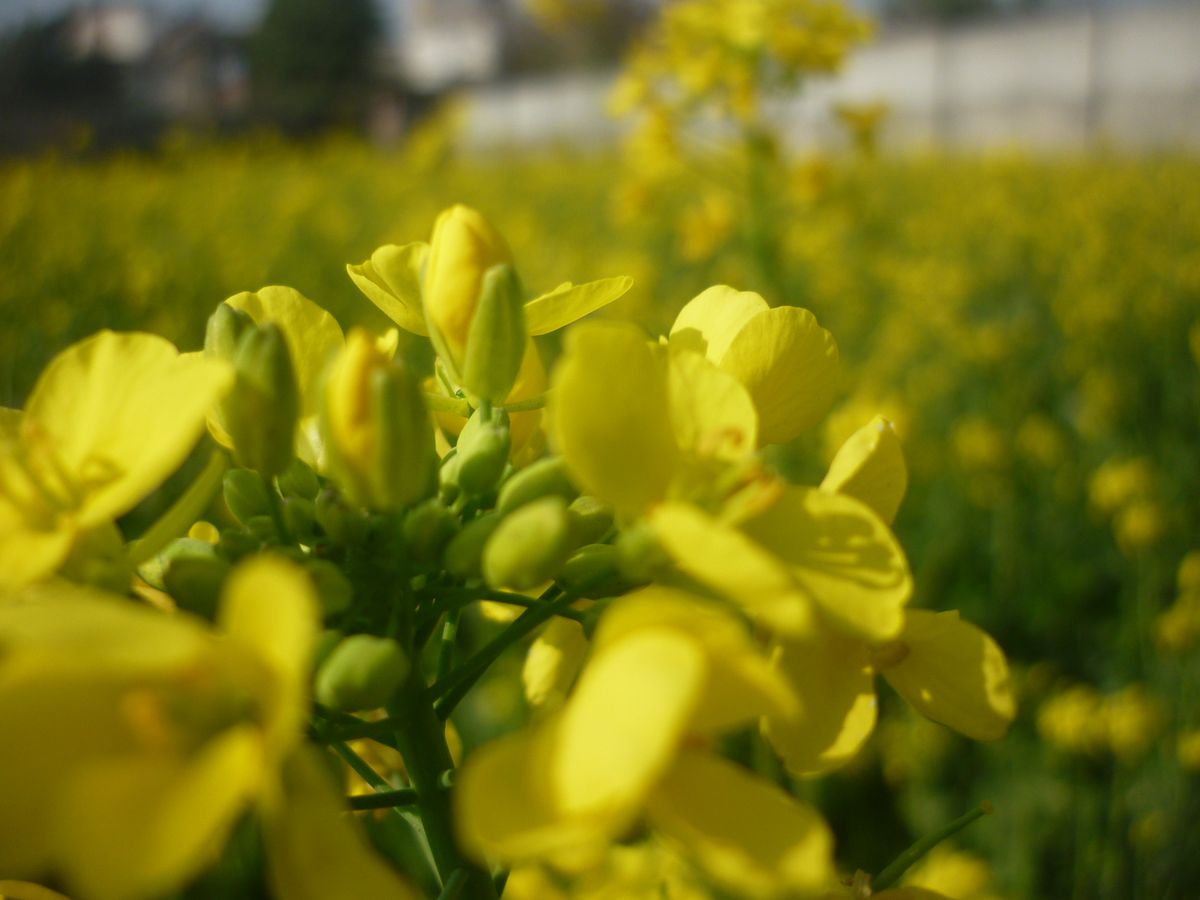
Spring is the undisputed best time to visit Shiraz. The city earns every one of its poetic nicknames during these three months. As March gives way to April, the bitter orange trees that line avenues, fill courtyards, and shade gardens begin to bloom. The bahar narenj, as Iranians call the blossoms, release an intoxicating fragrance that perfumes the entire city. Walking through Shiraz in mid-April is an experience for the senses, the air thick with sweet citrus scent, the ground dusted with white petals.
Temperatures in spring are ideal. March averages around 18 to 20 degrees Celsius during the day, April warms to 22 to 25 degrees, and May reaches 28 to 30 degrees. Nights remain cool and comfortable. Rainfall is modest and mostly confined to March, with April and May offering predominantly clear skies.

This is the season when Shiraz's famous gardens are at their peak. Eram Garden, a UNESCO World Heritage Site, explodes with color as tulips, roses, and orange blossoms compete for attention along its symmetrical waterways. The garden's cypress trees, some over 800 years old, stand as silent witnesses to centuries of spring. The Narenjestan Qavam Garden, with its ornate Qajar-era mansion, is equally stunning when the orange trees surrounding it are in full bloom.
Spring also coincides with Nowruz, the Iranian New Year celebrated on March 21. Shiraz is a popular destination during this two-week holiday. The city buzzes with energy, parks are full of families picnicking, and the mood is festive. If you enjoy vibrant atmospheres, Nowruz in Shiraz is magical. If you prefer quiet, avoid the Nowruz period and visit in late April or May instead.
For travelers planning to visit Persepolis, spring offers the most comfortable conditions for exploring the ancient ceremonial capital. The site has little shade, and the walk from the parking area to the ruins involves open exposure to sun. Visiting in April or early May means warm but manageable weather, and the morning light casts a golden glow over the columns and bas-reliefs that makes for exceptional photography.
Mehyar can help you arrange day trips to Persepolis from Shiraz, with transport and timing suggestions that help you beat the midday heat and the tour bus crowds.
Summer (June to August): Hot, Crowded, but Manageable
Summer in Shiraz brings heat. Daytime temperatures regularly reach 35 to 38 degrees Celsius in June and July, with occasional spikes above 40 degrees. The city's elevation of about 1,500 meters provides some relief compared to the lowland cities of Khuzestan, but the sun is still intense. Rainfall is virtually zero from June through September.

The domestic tourism surge is the bigger challenge. Schools close from late June to late September, and Shiraz is one of the most popular family destinations in Iran. Hotels fill up, prices rise, and the major attractions are busy throughout the day.
That said, Shiraz summers have a saving grace. The evenings are surprisingly pleasant. Temperatures drop into the mid-20s after sunset, and the city's famous night spots come alive. The Hafezieh, the tomb of the great poet Hafez, is arguably most atmospheric at night. locals and visitors gather in the garden, recite Hafez's verses, and enjoy the cool night air lit by soft lanterns. The Saadiyeh, tomb of the poet Saadi, offers a similarly serene evening experience.
If you visit in summer, adopt the local rhythm. Rest during the hottest afternoon hours, and do your sightseeing in the early morning and after sunset. The Vakil Bazaar and Vakil Mosque are cooler to visit first thing, and the Quran Gate area offers breezy evening walks. Stay hydrated, and always carry water.
August sees crowds thin slightly toward the end of the month, and late August can be a reasonable compromise for travelers limited to the summer window.
Autumn (September to November): A Second Spring
Autumn is Shiraz's second prime season, and many repeat visitors actually prefer it over spring. The extreme heat of summer breaks quickly. September remains warm with highs around 32 degrees, but October drops into a comfortable 25 to 28 degrees, and November settles around 18 to 20 degrees.
The crowds thin dramatically after the summer holidays end in late September. Hotels lower their rates. The gardens take on warm golden and amber tones, and the light takes on a clarity that photographers prize. The weather is ideal for long walks through the old neighborhoods, visits to the Zand complex, and leisurely meals in traditional restaurants.
October is arguably the best single month for travelers who have already seen Shiraz in spring. The weather is perfect, the city is calm, and you can explore Eram Garden, the Ali Ibn Hamzeh Mosque, and the Persian Garden of Delgosha at a relaxed pace. This is also a good season for shopping in the Vakil Bazaar, where cooler temperatures make the experience more enjoyable than the summer crush.
For Persepolis, autumn offers conditions similar to spring. October and early November provide warm, clear days that are comfortable for exploring the ruins without the summer heat.
Mehyar recommends autumn as an excellent alternative to spring for travelers seeking a quieter, more affordable Shiraz experience without sacrificing weather quality.
Winter (December to February): Mild, Quiet, and Budget-Friendly
Shiraz winters are mild by Iranian standards. The city is protected from the worst of the cold by the Zagros Mountains to the west. December and January daytime highs average around 12 to 15 degrees, with nighttime lows hovering around freezing. Snowfall is rare and usually light. February begins to warm slightly toward spring.
This is the low season for tourism. Hotels offer their best rates, and you can often find luxury accommodation at budget prices. The major attractions are nearly empty, giving you space to appreciate them without crowds. The Hafezieh at dawn, with morning mist in the gardens, is a moment of rare beauty that few visitors experience.
The downsides are modest. The gardens are not at their visual peak, though the cypress trees remain green year-round. Some outdoor cafes and garden restaurants close for the season. And while the weather is mild, occasional cold snaps can bring chilly, overcast days.
For travelers on a budget who do not mind cool weather, winter in Shiraz is a rewarding time to visit. You will see the city at its most authentic, with fewer tourists and more locals going about daily life.
Pricing and Practical Tips
Shiraz's seasonal pricing follows a clear pattern:
- High season (Nowruz, April, and summer): Hotel prices peak during the orange blossom season in April and again during summer holidays. Budget hotels that charge 15 to 25 dollars in winter can cost 40 to 80 dollars in peak season.
- Shoulder season (May, September, October): Good value. Weather is still pleasant, and prices are moderate. You will find the best balance of quality and cost.
- Low season (December to February): The cheapest time to visit. Even mid-range hotels drop to 15 to 25 dollars per night.
Flights to Shiraz are similarly affected. Domestic flights from Tehran are cheapest in winter and most expensive in April and during holiday periods.
What to Pack by Season
- Spring: Light layers, a thin jacket for cool evenings in March, comfortable walking shoes for gardens and ruins, and a camera for the blossoms.
- Summer: Light, breathable clothing, sun hat, sunscreen, sunglasses, and a water bottle. An evening shawl or light layer for outdoor nights.
- Autumn: Similar to spring. A light jacket for November evenings. Comfortable shoes for walking.
- Winter: Medium-weight jacket, layers, and a scarf for cool evenings. The days are mild, but mornings and nights can be chilly.
Final Thoughts
Shiraz rewards visitors in every season, but spring is undeniably the crown jewel. The orange blossoms of April create an experience that lingers in memory long after you leave. Autumn offers a quieter, equally pleasant alternative. Summer is hot and busy but manageable with smart planning, and winter is the budget traveler's paradise.
Whatever season you choose, the poetry of Hafez, the beauty of Eram Garden, the grandeur of Persepolis, and the warmth of Shirazi hospitality await you. Mehyar is here to help you plan every aspect of your Shiraz journey, from choosing the right season to booking the perfect hotel.