
Isfahan has been called half the world, and the phrase survives because the city keeps rewarding it. Three dynasties made it a capital, the Buyids, the Seljuqs and the Safavids, and their work sits stacked in a walkable core of mud brick, tile and plane trees along the Zayandeh River. The city is really three layers: the Safavid showpiece around Naqsh-e Jahan, the older Islamic city at the Jameh Mosque and Atiq Square, and the river life that only comes alive after dark. Two full days is the honest minimum.

How do I get to Isfahan?
Isfahan sits in the center of the country, about 450 kilometres south of Tehran and five hours by road. Mehyar Buses run that route continuously and are usually the best choice, since you arrive in the city rather than at a highway lay-by; Mehyar Flights covers the same ground in under an hour, and a rail link suits travellers who want an overnight seat. Inside the city the sights sit along two axes, the square-to-bazaar spine and the river road, so a Mehyar Taxi with a driver is inexpensive and saves the midday walk between Chehel Sotun and the bridges.
What should I see first?
Start at Naqsh-e Jahan Square, also called Imam Square or Shah Square, at the end of Spahan Street off Darvazeh Dowlat. It measures more than 500 metres by 160 and carries 200 two-storey cells around its perimeter, listed both nationally and by UNESCO. Before the Safavids the ground held a Timurid and Aq Qoyunlu garden and military buildings; under the Seljuqs it staged Nowruz celebrations and executions. Shah Abbas I moved the capital from Qazvin and drew the plan you see now, and the arcades you photograph began as vaults built to protect the buildings behind them.
Four monuments hold the four sides, and you can do all four in one morning.
Which monuments on the square matter?
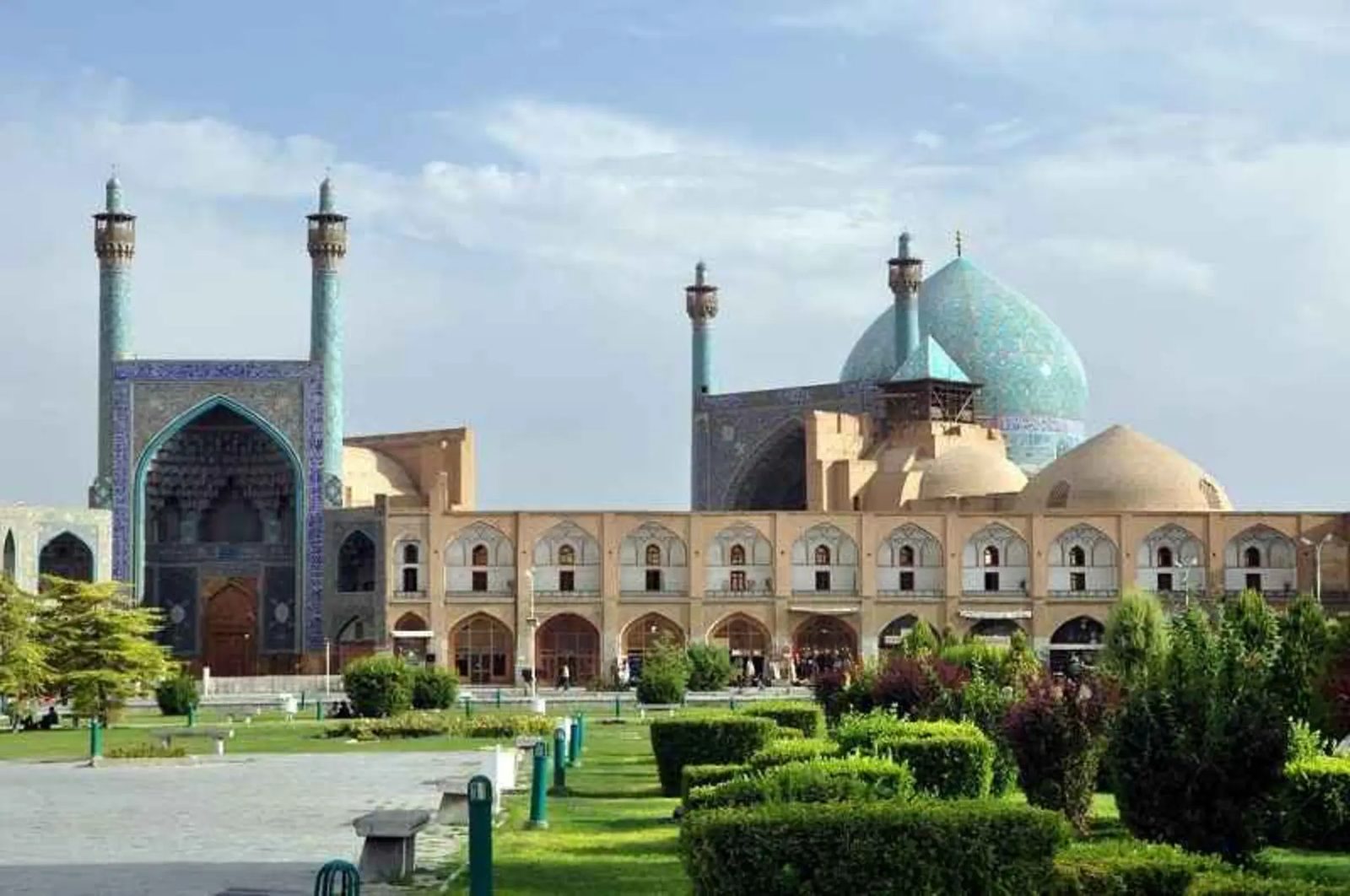
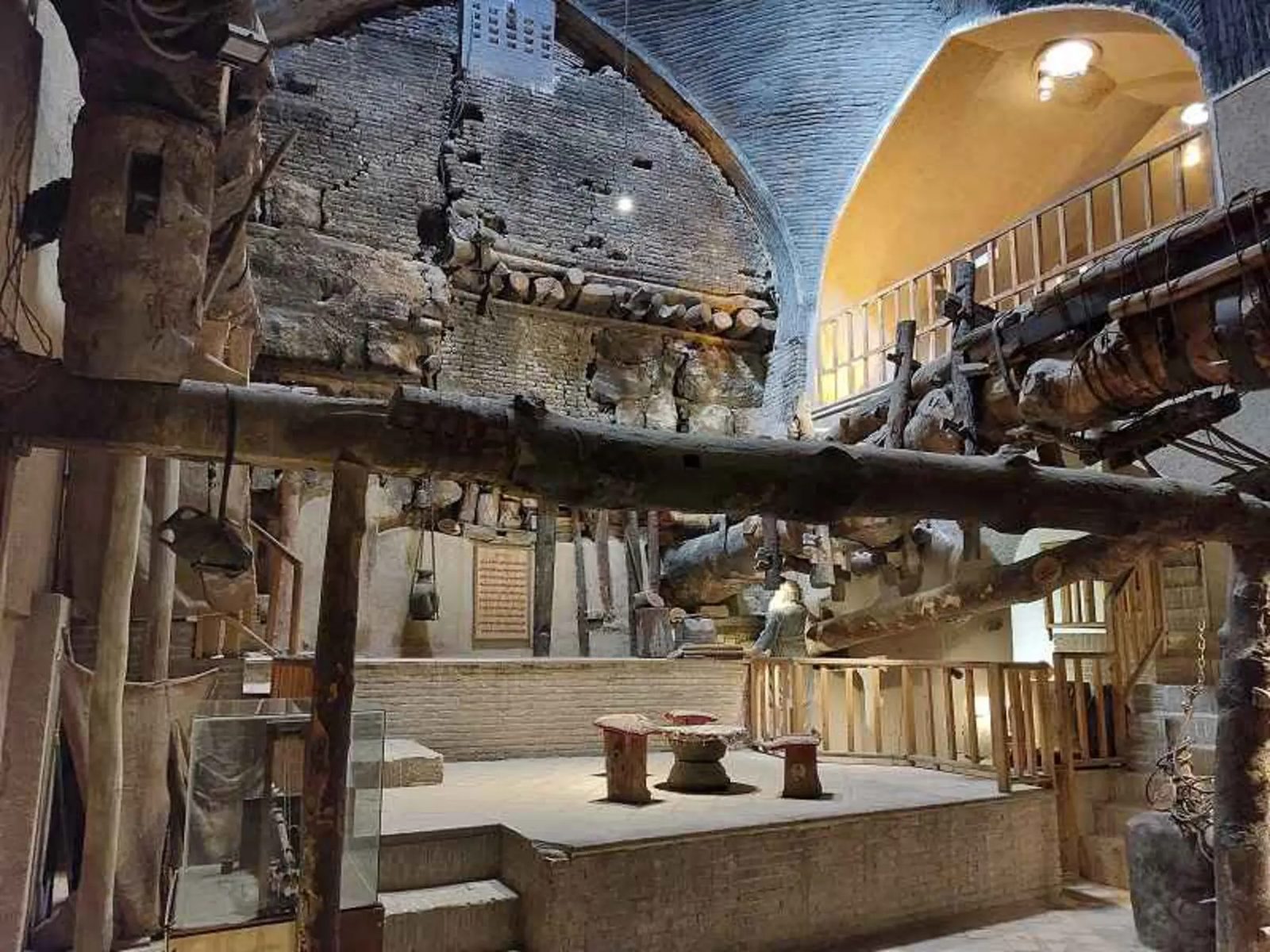

Imam Mosque, south side. Open 9 to 17, tickets in the 30,000 toman range. Built in the 11th century AH, it is one of the key documents of Islamic architecture: the great southern dome is a double shell, the entrance axis is turned away from the square to face Mecca, and the whole surface is given over to haft-rangi and mosaic tilework and carved marble basins.
Sheikh Lotfollah Mosque, east side. Open 9 to 12:30 and 14 to 18, about 30,000 tomans. This is the strangest building on the square and the most beautiful: it has no minarets and no four-iwan courtyard, so you enter through a 28-metre sloping corridor that opens directly into a domed hall lit for a specific hour of the day. The dome is a pale fawn colour rather than the usual turquoise, and the acoustics give a sevenfold echo under the center.
Ali Qapu, west side. Open 9 to 17, about 30,000 tomans. With 1,800 square metres over six floors and a height of 38 metres, it is the tallest Safavid palace and the best balcony in Iran: Shah Abbas I received ambassadors, held state meetings and watched choghan polo on the square from here. Climb to the music room on the top floor, where the plaster cut-outs for instruments still shape the ceiling.
Asarakhaneh Museum, north side. Open 9:30 to 17 every day except Thursday, around 10,000 tomans, tucked into the Qeysarieh bazaar passage. It is a Safavid building from Shah Abbas I's reign, and it is the correct stop for the objects you cannot read off a façade.
What about the older city?
Ten minutes' walk from the square, the Jameh Mosque of Isfahan, or Masjid-e Atiq, is the oldest historical building in the city and covers some 21,000 square metres. Its bones are Seljuq, with excavation producing Buyid remains from the third century AH and pre-Islamic fragments beneath, and the Safavids then added heavily. Hold on to one figure: 484 domes of different design sit in a single complex, among them the Taj al-Mulk and Nizam al-Mulk domes, the iwans named darvish, sahib, ostad, shagird and omar, and the mosque and mihrab of Oljeitu. It is a UNESCO listing in its own right, and it explains every dome you meet later in Iran.
Nearby, Atiq Square, also called the old square or Imam Ali Square, is a trapezoid plaza with the Jameh Mosque at its northwest corner, the Minar Ali mosque to the south and the old bazaars around it. It was the main square of Seljuq Isfahan and lost its trade to Naqsh-e Jahan, which is exactly why it now feels like a working neighbourhood. Go after sunset for the fountain and the lighting.
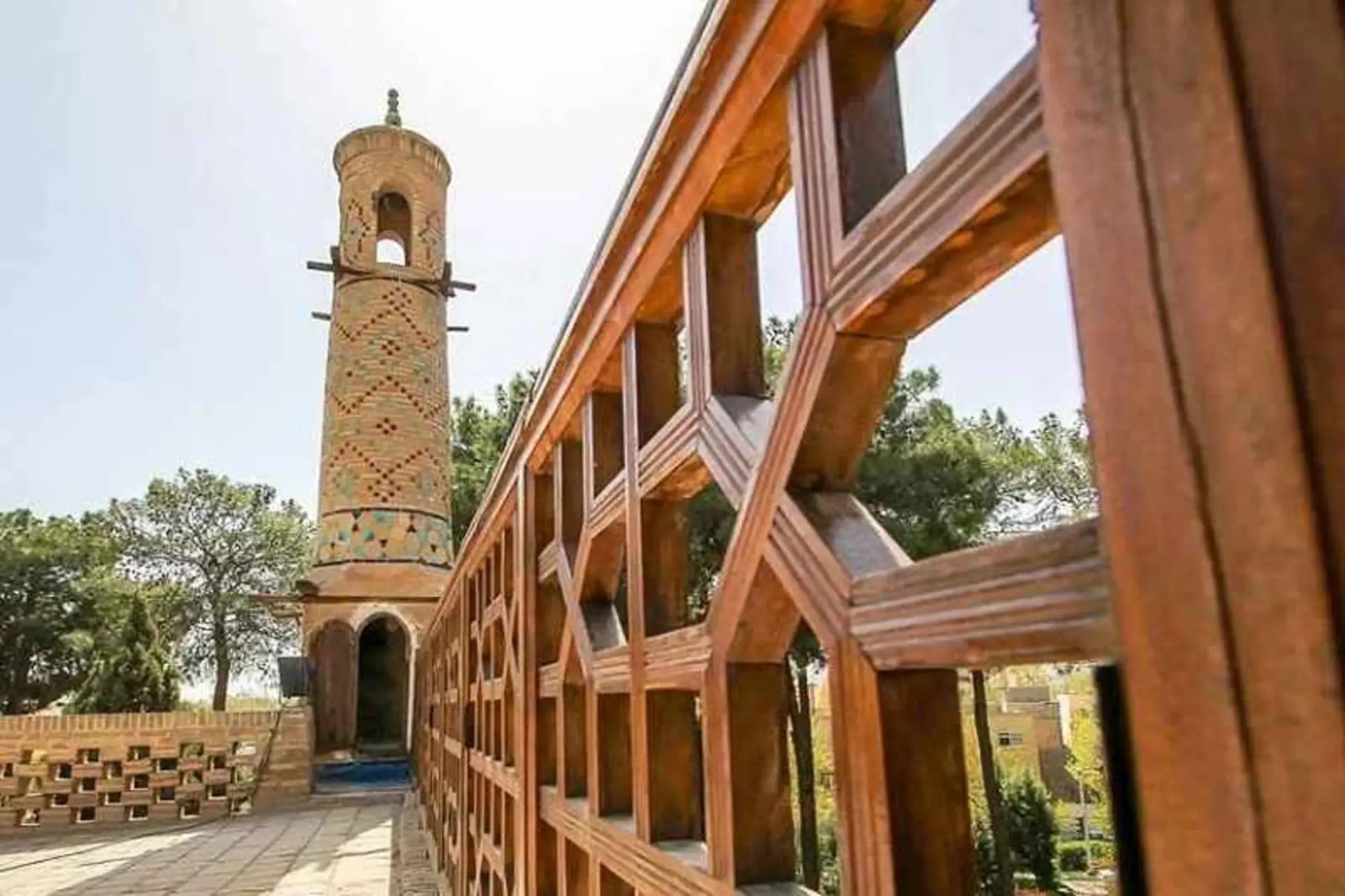
For something odd, take a taxi to Minar Janban on Atashgah Boulevard, the swaying minarets built under the Ilkhanid ruler Oljeitu and the tomb of the dervish known as Sheikh Amir Abdullah. The twin shafts are faced with lapis star tiles and turquoise polygons, and shaking one sets the second and the brick iwan trembling with it. Movements are demonstrated at fixed hours, normally 10:30, 12, 13:30, 15 and 16:30, with entry around 20,000 tomans.
Which palaces and gardens deserve the detour?
Chehel Sotun Palace, on Estandari Street, opens 9:30 to 16:30 for about 30,000 tomans. Most researchers trace the name to the twenty columns of the portico doubling themselves in the pool in front, and the architecture mixes Chinese, Iranian and European hands. The main iwan runs 38 metres long, 17 wide and 14 high, facing east, with octagonal plane and pine columns, four of them standing on carved stone lions. Inside, the Mirror Hall ceiling is a lattice of geometric wooden frames and paintings, and the garden holds portals rescued from demolished Safavid mosques.
Hasht Behesht Palace, at the head of Chahar Bagh near Imam Hossein Square, is the other Safavid pavilion, built under Shah Suleiman and famous for painted and gilded ceilings, birds and flowers in colour, and mirrorwork. It is the natural second half of an afternoon that started at Chehel Sotun.
What do I do in Julfa?
Shah Abbas resettled Isfahan's Armenians here in the 17th century, and Vank Cathedral on Hakim Nezami Street is the largest and best-known church in Iran and the cathedral of the community. It is one of thirteen surviving Julfa churches, and its walls carry painted scenes, stucco and carved detail rather than the geometric austerity of the mosques. The complex also holds a museum of historical paintings and manuscripts, a library, a printing house and a memorial to the Armenian genocide. Hours split around lunch, roughly 8:30 to 12:45 and 15:30 to 18:15, at the highest ticket in the city, around 55,000 tomans.
Which bridges should I cross, and when?
Both belong to the evening. Si-o-se Pol, the bridge of thirty-three arches at Enghelab Square, is the longest crossing of the Zayandeh River at 295 metres by 14 wide, built under Shah Abbas I and listed nationally; after dark it is floodlit and the water carries the reflection. Khaju Bridge, east of it at Khaju Square, was built in 1060 AH under Shah Abbas II, runs 133 metres long and 12 wide, and has always been a place to sit rather than to pass through: stone lions, a qibla-facing niche that recalls the dome of the Imam Reza Holy Shrine in Mashhad, spring-arched ceilings and a pavement that fills with singers on Isfahan's coolest nights.
Where do locals go to walk?
The river parks are the answer. Chahar Bagh Abbasi, the tree-lined avenue between Imam Hossein Square and Enghelab Square, is really several avenues around one spine: the upper half laid out under Shah Abbas I, the lower under Reza Shah, joined by Si-o-se Pol. Moshtagh Park runs along the water from Khaju Bridge toward Sharestan Bridge and is the newest of them. Mellat Park, between Si-o-se Pol and the Metal Bridge, has a coloured water show beside the shopping streets. Fadak Garden, at 85 hectares with more than 40,000 trees, is where Isfahanis camp through the Nowruz holidays, with an artificial lake, sports courts, a skating rink, a women's garden and a handicraft market. Nazhwan Forest Park on the western flank is the longer, greener walk.
What is best with children?
Soffeh, the mountain park in the south, is the one-stop answer: a cable car, a zoo, an amusement area, a bowling hall, springs and caves, and climbing rock at 2,257 metres on the Zagros fringe, with the city spread out below the Gerdneh Baad gorge. In town, the Abshar, Kahkashan-e Ajayeb and Shahr-e Royaha amusement parks cover rides, and the Isfahan Flower Garden is the calmer spring option.
How many days do I need, and where do I stay?
Three days, if you want the city rather than the photographs: day one for the square and its four monuments, day two for the Jameh Mosque, Atiq Square, Minar Janban and Julfa, day three for Chehel Sotun, Hasht Behesht, Chahar Bagh and the bridges at dusk. Book through Mehyar Hotels in the Safavid core or on the Chahar Bagh side so you can walk back to the square after dark. Late March to early June and September to November give the light that the tilework was made for; in midsummer, spend the afternoon indoors and the evening on the water.