
The Ardakan Anthropology Museum holds a distinguished place in the cultural landscape of Yazd Province. Founded by the scholar and local historian Ali Sepehri in 1991, it was the very first anthropology museum established anywhere in the province, predating similar institutions in Yazd city itself. Located on Khamenei Boulevard in the center of Ardakan, the museum houses a rich collection of traditional tools, costumes, manuscripts, textiles, and domestic objects that reveal how the people of this desert environment lived, worked, worshipped, and celebrated across the centuries. For anyone seeking to understand the relationship between human communities and one of the harshest landscapes on the Iranian plateau, this museum offers an essential and deeply rewarding visit.
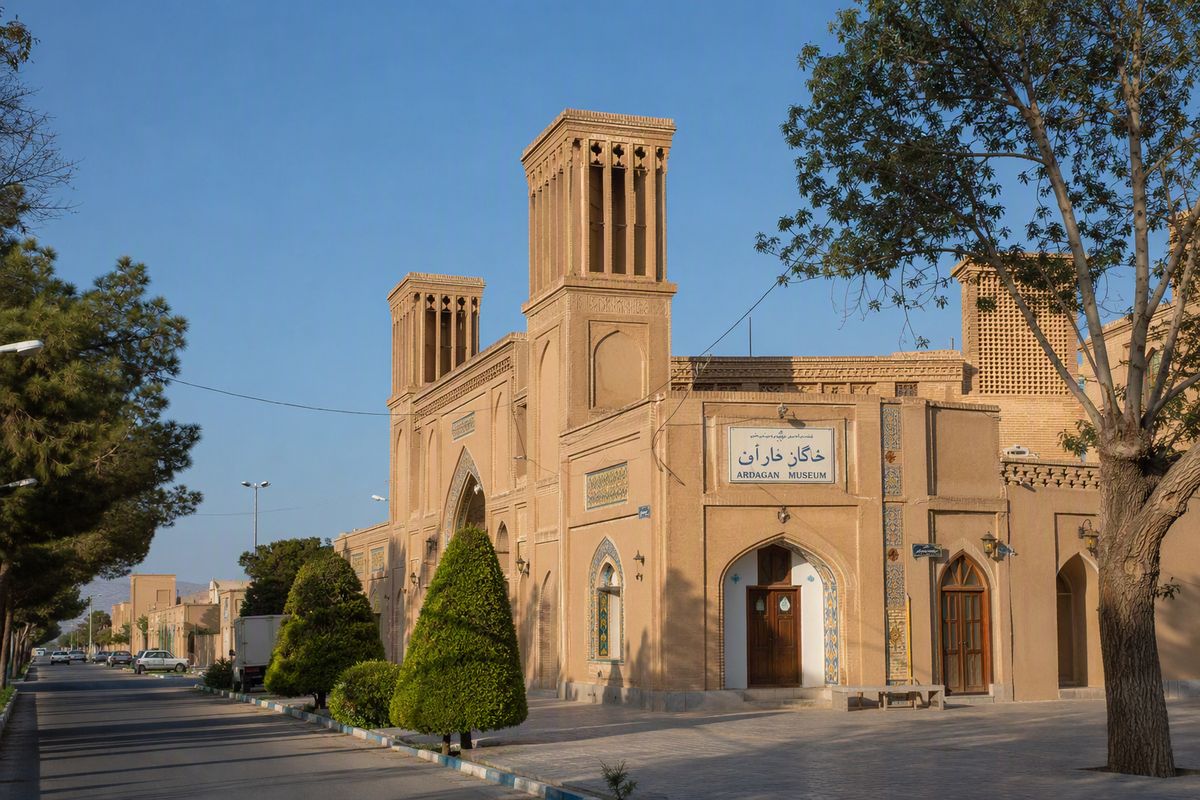
The Vision of Ali Sepehri
The story of the Ardakan Anthropology Museum is inseparable from the story of its founder, Ali Sepehri. A native of Ardakan with deep roots in the cultural life of the region, Sepehri recognized in the early 1990s that the traditions of desert life were disappearing at an accelerating pace. Modernization, migration to cities, and the gradual abandonment of traditional crafts and farming methods were erasing a way of life that had endured for millennia. Rather than simply recording these changes in books, Sepehri decided to create a physical space where the material culture of the Ardakan region could be preserved, displayed, and studied.
The museum opened its doors in 1991, at a time when the concept of an anthropology museum was still relatively new in Iran. While Tehran had the National Museum and various specialized institutions, the idea of a regional museum dedicated to the everyday life and material culture of a specific province was pioneering. Sepehri's vision was not to create a collection of precious objects but rather to gather the ordinary tools, garments, and household items that together tell the story of how people adapted to life on the edge of the central desert. This democratic approach to museum collecting gives the Ardakan Anthropology Museum a warmth and accessibility that distinguishes it from more formal institutions.
Over the decades since its founding, the museum has grown steadily, adding new exhibits and refining its displays. Sepehri remained actively involved in the life of the museum throughout his career, ensuring that each new acquisition was documented and placed in context. Today, the museum stands as a testament to his dedication and to the enduring value of preserving local heritage for future generations.
Exploring the Collections
The museum's exhibits are organized around several themes, each offering insight into a different aspect of traditional life in the Ardakan region. The agricultural section is particularly rich, featuring tools and implements used in the cultivation of dates, pomegranates, and grains that have sustained the population for centuries. The qanat system, the ancient underground water channels that make agriculture possible in the desert, is explained through models and diagrams that show how water is directed from mountain sources to the fields and gardens of the valley. Visitors gain a clear understanding of the ingenuity required to farm in an environment where every drop of water matters.

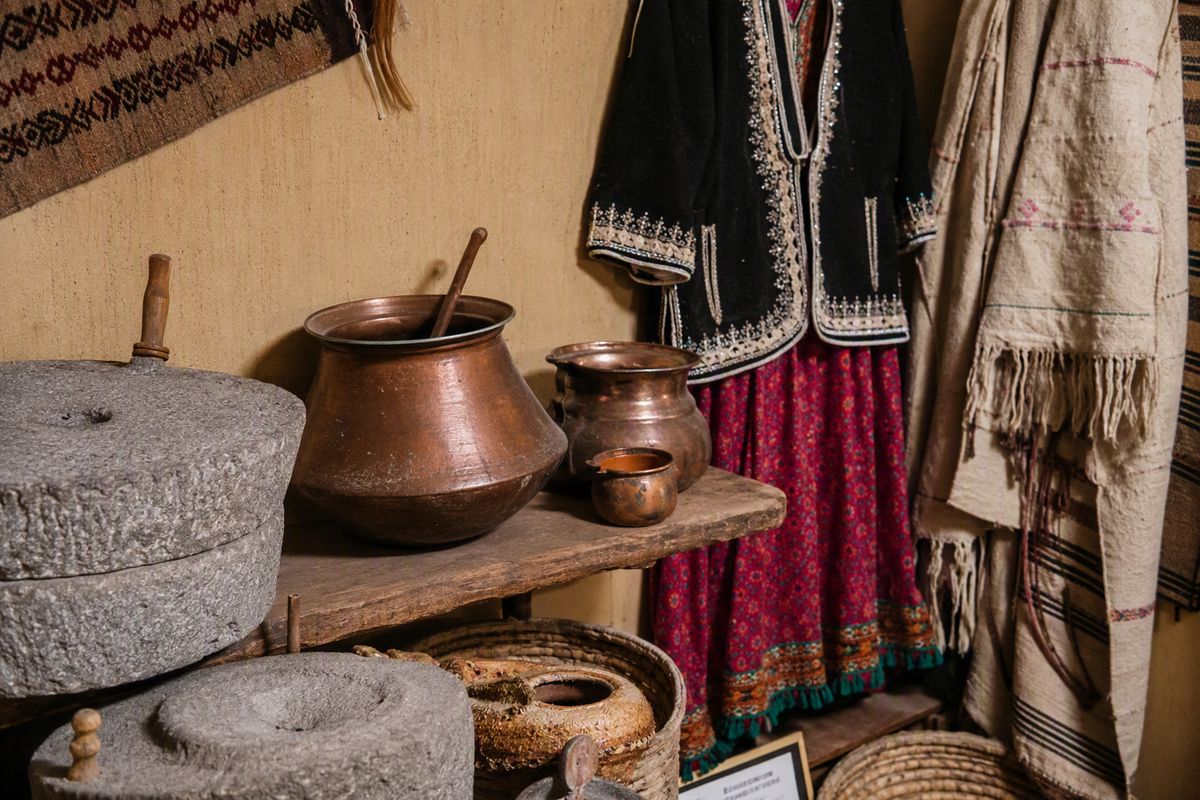
The domestic life displays are among the most evocative parts of the museum. Period rooms recreate the interior of a traditional Ardakan house, complete with cooking areas, sleeping quarters, and storage spaces. The thick clay walls and small windows of the original structures are replicated to demonstrate how architecture itself was a tool for managing the extreme desert climate. Copper vessels, woven baskets, grinding stones, and textile implements fill the rooms, creating an atmosphere that transports visitors back to a time when every household object was made by hand or sourced from the immediate environment.
The costume and textile collection includes examples of traditional dress from Ardakan and surrounding villages. The garments reflect the practical needs of desert life, with loose-fitting designs that provide protection from the sun and allow air circulation. Ceremonial garments, worn at weddings and religious festivals, add color and richness to the collection, with embroidery and decorative stitching that demonstrate the skill and creativity of local seamstresses and weavers. The textiles also include examples of the woven fabrics produced on domestic looms, showing patterns and techniques that have been passed down through generations.
A separate section of the museum is devoted to manuscripts and written records. Ardakan has a long tradition of scholarship and literacy, and the museum holds documents, correspondence, and religious texts that shed light on the intellectual life of the region. These manuscripts, some dating back several centuries, are written in Persian and occasionally in Arabic, and they cover topics ranging from religious instruction to commercial transactions and local governance.
The Desert Context: Understanding Ardakan
To fully appreciate the museum's collection, it helps to understand the environment that shaped it. Ardakan sits on the edge of the Dasht-e Kavir, the great central desert of Iran. The climate is among the driest and most extreme in the country, with summer temperatures regularly exceeding 40 degrees Celsius and very little rainfall throughout the year. Yet human communities have thrived here for thousands of years, thanks to the qanat system, the cultivation of drought-resistant crops such as dates and pomegranates, and a social organization built around cooperation and mutual support.
The museum's exhibits reflect this relationship between people and environment at every turn. Tools for water management, agricultural implements adapted to sandy soils, and architectural models showing how buildings are designed to minimize heat gain all tell the same story: that survival in the desert requires constant innovation and a deep understanding of the natural world. The museum does not romanticize this struggle but presents it honestly, with respect for the resourcefulness and resilience of the communities that have made their home in one of the most challenging environments on Earth.
Connecting the Museum to Your Visit
The Ardakan Anthropology Museum is ideally visited as part of a broader exploration of the city. The old town, with its qanats, ab-anbars, and historical fortifications, provides the physical context for many of the objects on display. The Cherkhab neighborhood, with its traditional houses and the Carpet Museum, extends the story of desert craftsmanship and domestic life. Together, these sites create a comprehensive picture of Ardakan's cultural heritage that no single museum could provide alone.
For travelers coming from Yazd, the journey to Ardakan takes about 45 minutes by car, passing through a landscape that illustrates many of the themes explored in the museum. The transition from the agricultural oases around Yazd to the more arid terrain near Ardakan is visible from the road, and the date palm groves that dot the countryside are themselves part of the agricultural tradition documented in the exhibits.
Practical Information for Your Visit
Getting There
Regular buses and shared taxis connect Yazd and Ardakan throughout the day. The drive takes approximately 45 minutes along a well-maintained road. From Tehran, Ardakan is accessible via Yazd by road or rail, with overnight buses and trains providing convenient connections. A private transfer from Yazd allows the flexibility to stop at other Ardakan attractions along the way.
Opening Hours and Tickets
The museum is typically open daily, with free or nominal entry. Hours generally follow the standard pattern for Iranian cultural sites, opening in the morning and closing in the early evening. It is advisable to arrive before late afternoon to ensure a full visit. Allow one to two hours for a thorough exploration of the exhibits.
Best Time to Visit
October through April offers the most comfortable weather for visiting Ardakan and exploring the region. Summer temperatures regularly exceed 40 degrees Celsius, making outdoor activities challenging. Spring, particularly March and April, brings wildflowers to the desert and mild temperatures ideal for combining the museum visit with walks in the old town and surrounding countryside.
Tips for Visitors
The museum is small but rich in detail, and taking time to read the labels and examine the objects closely will greatly enhance the experience. Photography is generally permitted. If you have questions about the exhibits, the museum staff are knowledgeable and welcoming. The museum shop, if available, may offer books and publications about the cultural history of the region.
The Ardakan Anthropology Museum is more than a repository of old objects. It is a living record of human adaptation, creativity, and community in one of the world's most demanding environments. Ali Sepehri's vision, realized over more than three decades, has created a space where the everyday wisdom of desert life is honored and preserved, and where visitors from around the world can gain a deeper appreciation for the cultures that have flourished in the heart of the Iranian plateau.