
The forests around Amol in Mazandaran province hide some of the most beautiful waterfalls in northern Iran. Fed by mountain snowmelt and the abundant rainfall of the Caspian climate, these cascades tumble through dense Hyrcanian forest, creating scenes of remarkable beauty. The three most visited are Pardameh Falls, Amiri Falls, and Laku Falls, each with its own character and access route.
These waterfalls are part of a larger network of natural features in the central Alborz, where rivers carve deep valleys through ancient forest and the air is thick with the sound of running water and bird song. For nature lovers and hikers visiting Iran, the Amol area offers a concentrated experience of the Caspian forest ecosystem at its most dramatic and beautiful.
Where Are These Waterfalls?
All three waterfalls are located in the mountainous area south and southeast of Amol city, in Mazandaran province. They are accessed via forest roads and hiking trails that branch off from the main Amol-Babol and Amol-Haraz routes. The Hyrcanian forests in this region are part of one of the oldest forest ecosystems on Earth, recognized by UNESCO for their global significance.
The Hyrcanian forests stretch along the southern Caspian coast from Azerbaijan to Golestan province, representing a relict forest that survived the ice ages while similar forests disappeared from Europe. These ancient woods harbor plant and animal species found nowhere else, making them a living museum of botanical history. The waterfalls around Amol are fed by streams and rivers that flow from these forests, carrying the pure, cold water of the mountains down to the Caspian lowlands.
How to Get There
A private vehicle is the most practical option for visiting these waterfalls. From Amol, head south toward the Haraz Road area or southeast toward the Larijan district. Forest roads lead to trailheads near each waterfall, though some roads are rough and may require a vehicle with good clearance. Arrange taxi transportation from Amol to reach the trailhead for any of these falls, or consider hiring a local driver familiar with the forest roads.
For organized visits, local tour operators in Amol offer day trips that combine multiple waterfalls into a single outing. These tours typically provide transportation, a guide, and sometimes meals, making them a convenient option for visitors unfamiliar with the area. Take bus services from Tehran or Sari to Amol, then connect with local transport for the waterfall visits.
Pardameh Falls
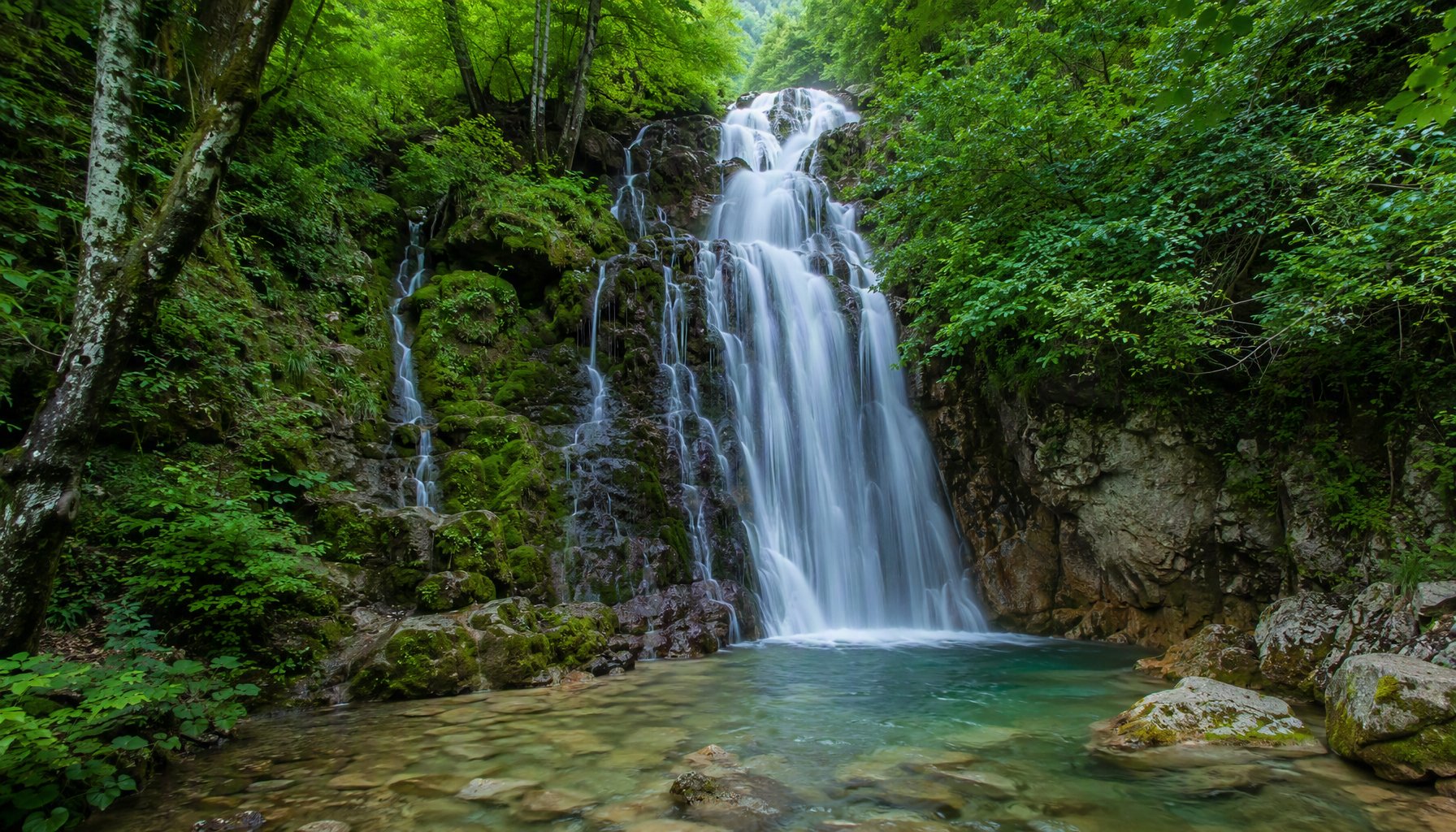
Pardameh Falls (Abshar-e Pardameh) is the most accessible of the three, located about 30 kilometers southeast of Amol. The waterfall drops approximately 15 meters over a rock face into a clear pool surrounded by dense forest. The trail from the road to the falls is short and well-maintained, making it suitable for families and visitors of all ages.
The surrounding forest is classic Hyrcanian: tall beech trees, oak, alder, and a rich understory of ferns and mosses. The air here is cool and moist, even on warm summer days, and the sound of the waterfall provides a constant, soothing backdrop. The area is popular for picnics, and local vendors sell tea, grilled corn, and dairy products near the parking area. The pool at the base of the falls is inviting on hot days, though the water is cold year-round, fed directly by mountain snowmelt.
Pardameh represents the accessible face of Caspian forest nature, where visitors can experience the beauty of the ecosystem without demanding physical effort. The short walk from the road to the falls passes through magnificent trees, some centuries old, their trunks covered in epiphytic mosses and ferns that thrive in the humid forest air.
Amiri Falls
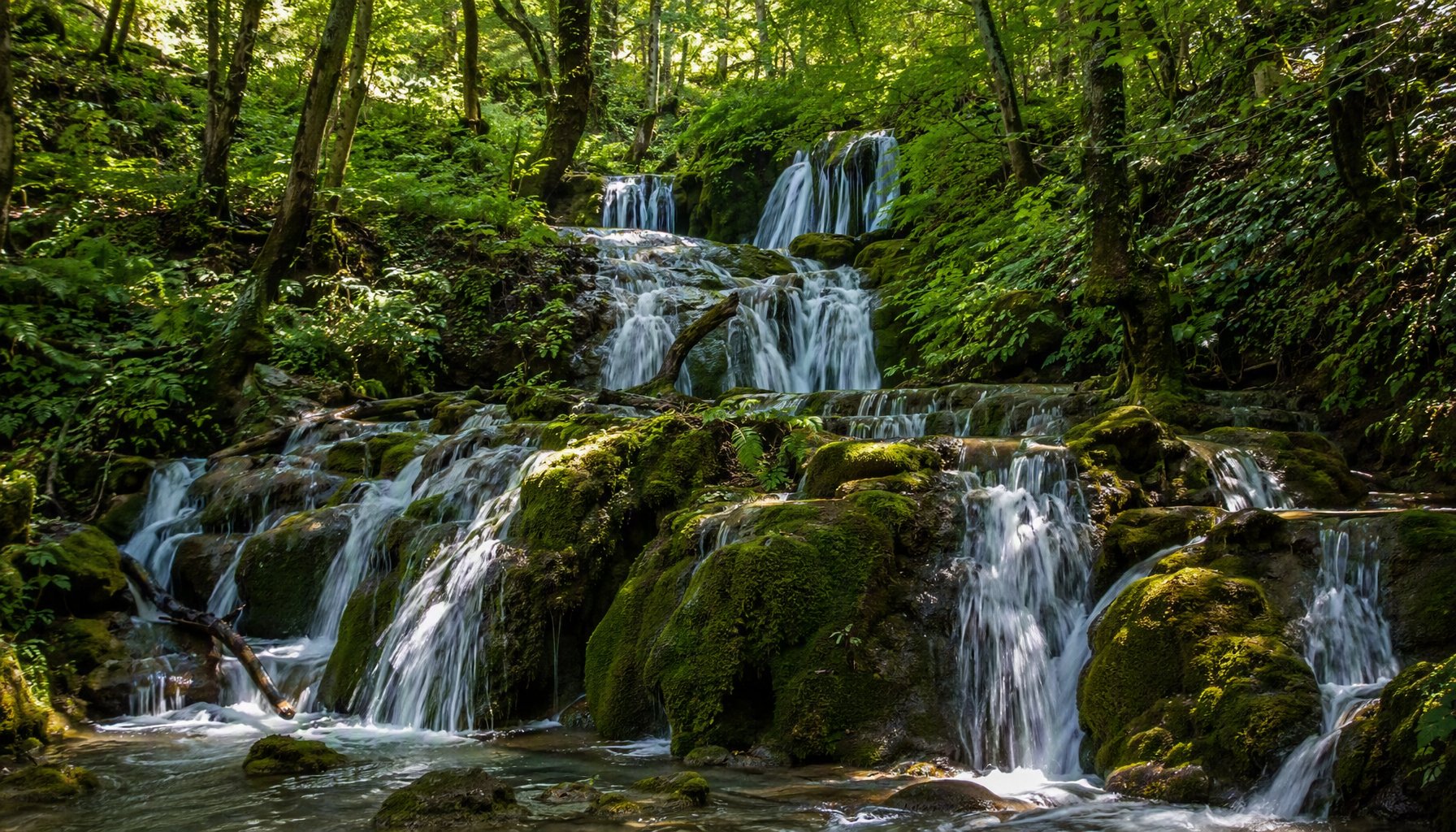
Amiri Falls (Abshar-e Amiri) is located deeper in the forest, requiring a longer hike from the nearest road access. The waterfall is taller and more dramatic than Pardameh, dropping over multiple rock ledges in a series of cascades that create a spectacular visual display. The trail passes through some of the most pristine Hyrcanian forest in the region, with enormous trees forming a cathedral-like canopy overhead.
The hike takes about 45 minutes to one hour from the road, depending on fitness level and trail conditions. The path follows a stream bed for much of the way, crossing over fallen logs and navigating around large boulders. The reward is a waterfall setting that feels remote and untouched, with the sound of rushing water filling the valley and the spray creating rainbows in the forest light.
Amiri Falls is less crowded than Pardameh, appealing to visitors seeking a more immersive nature experience. The multi-tiered cascade creates numerous small pools at different levels, each with its own character. Photographers will find endless compositions in the interplay of water, rock, and forest vegetation.
Laku Falls
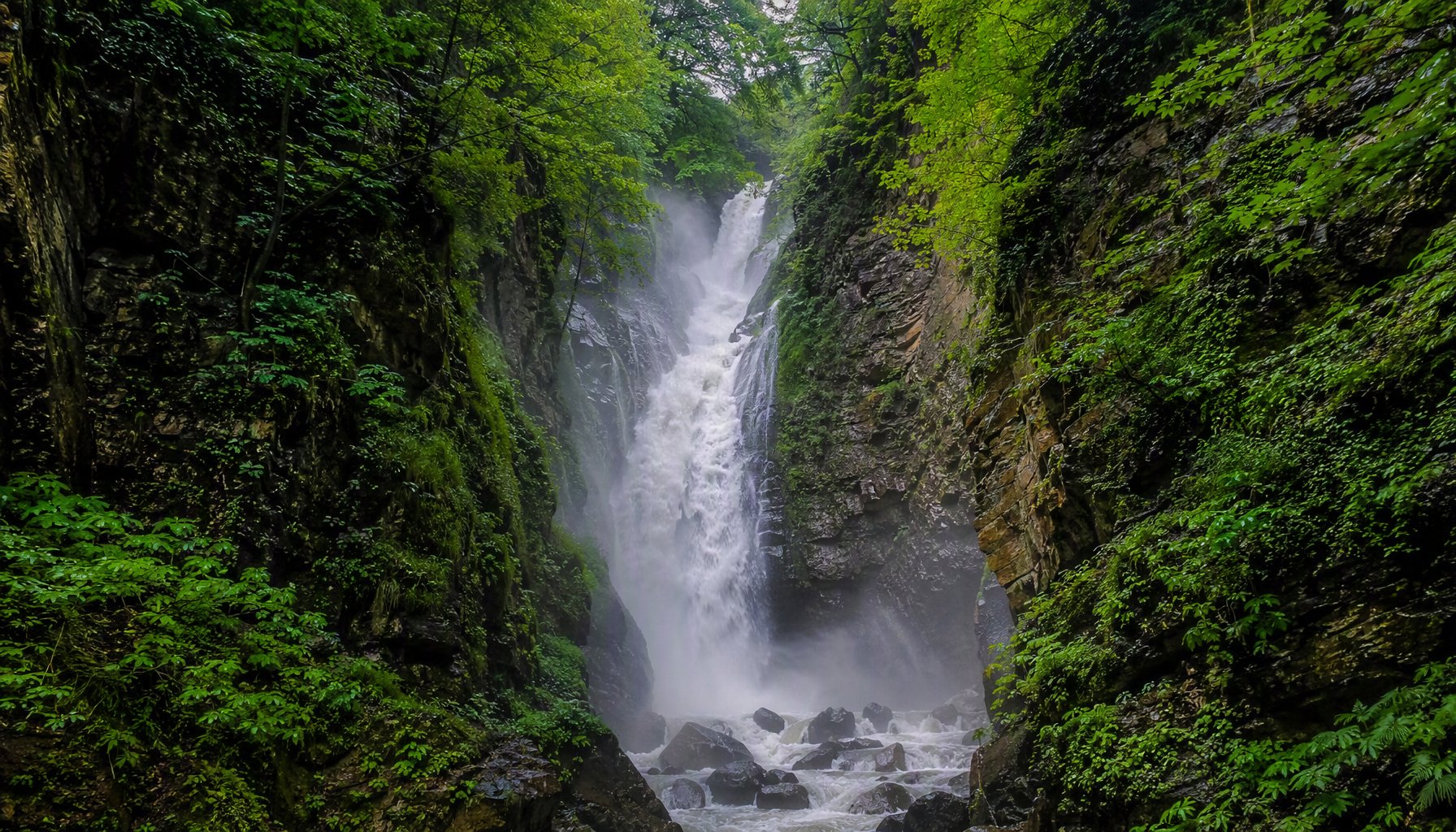
Laku Falls (Abshar-e Laku) is the most adventurous of the three to reach. Located in the Laku forest area, the approach involves a scenic drive on narrow forest roads followed by a moderate hike through increasingly dense vegetation. The waterfall itself is impressive, set in a narrow gorge with tall cliff walls on either side that amplify the sound of falling water and create a dramatic, enclosed space.
The Laku area is known for its biodiversity, and birdwatchers may spot Caspian forest species including the Caucasian black grouse, various woodpeckers, and the Caspian tit. The forest here transitions from lower elevation broadleaf to higher elevation mixed forest, supporting an exceptionally rich assemblage of plant and animal life. The waterfall is at its most powerful in spring when snowmelt is at its peak, sending a powerful curtain of water crashing into the pool below.
The hike to Laku Falls requires good footwear and a reasonable level of fitness, as the trail can be muddy and steep in places. However, the effort is rewarded by one of the most spectacular waterfall settings in Mazandaran, a place where the raw power of nature is on full display.
The Hyrcanian Forest Ecosystem
The forests surrounding these waterfalls are part of the Caspian Hyrcanian mixed forest ecoregion, one of the world's most important temperate forest ecosystems. These forests survived the last ice age while similar forests disappeared from Europe, serving as a refuge for species that were extirpated elsewhere. This long continuity has created a forest ecosystem with exceptionally high biodiversity and many endemic species.
The forest structure is complex and multi-layered, with a canopy of tall trees including Oriental beech, Caspian oak, and hornbeam, an understory of smaller trees and shrubs, and a ground layer rich in ferns, mosses, and herbaceous plants. This vertical structure creates diverse microhabitats that support a wide range of wildlife, from large mammals like brown bears and wolves to numerous bird species, reptiles, and invertebrates.
Best Time to Visit
Spring (April to May) is when the waterfalls are at their most powerful, fed by mountain snowmelt. The forests are at their greenest and the wildflowers are in bloom, creating a spectacular display of color. Summer (June to August) is warm and the waterfalls remain flowing, though with less volume than in spring. The forest provides cool relief from the heat of the Caspian lowlands. Autumn (September to October) offers beautiful foliage colors as the forest prepares for winter. Winter access is limited due to snow and mud on forest roads, though the frozen waterfalls and snow-covered forests have their own stark beauty for those prepared for challenging conditions.
Practical Tips for Visitors
Visitors should come prepared for forest hiking. Sturdy, waterproof footwear is essential, as trails can be muddy and stream crossings are common. Bring plenty of water, as facilities are limited in the forest areas. A light rain jacket is advisable even on sunny days, as the forest microclimate can create sudden showers. Photography enthusiasts will find the waterfalls and forest light most dramatic in early morning and late afternoon.
Practical Details
- Address: Forest area south and southeast of Amol, Mazandaran province
- Hours: Open access during daylight hours
- Tickets: May require a small local fee at some trailheads
- Best season: April to May for maximum water flow
- Phone: Amol tourism office for current trail conditions
- Difficulty: Ranges from easy (Pardameh) to moderate (Amiri, Laku)
- Facilities: Limited services in forest areas; bring supplies
- Accessibility: Forest terrain may be challenging for visitors with mobility issues
The waterfalls around Amol represent the best of Mazandaran's natural heritage, combining the ancient Hyrcanian forest ecosystem with the dramatic beauty of cascading mountain water. For visitors to northern Iran, these waterfalls offer an authentic nature experience that showcases the ecological richness and scenic grandeur of Iran's Caspian forests. Whether seeking an easy family outing or a more challenging forest adventure, the Amol waterfalls provide memorable encounters with one of the world's most important forest ecosystems.