
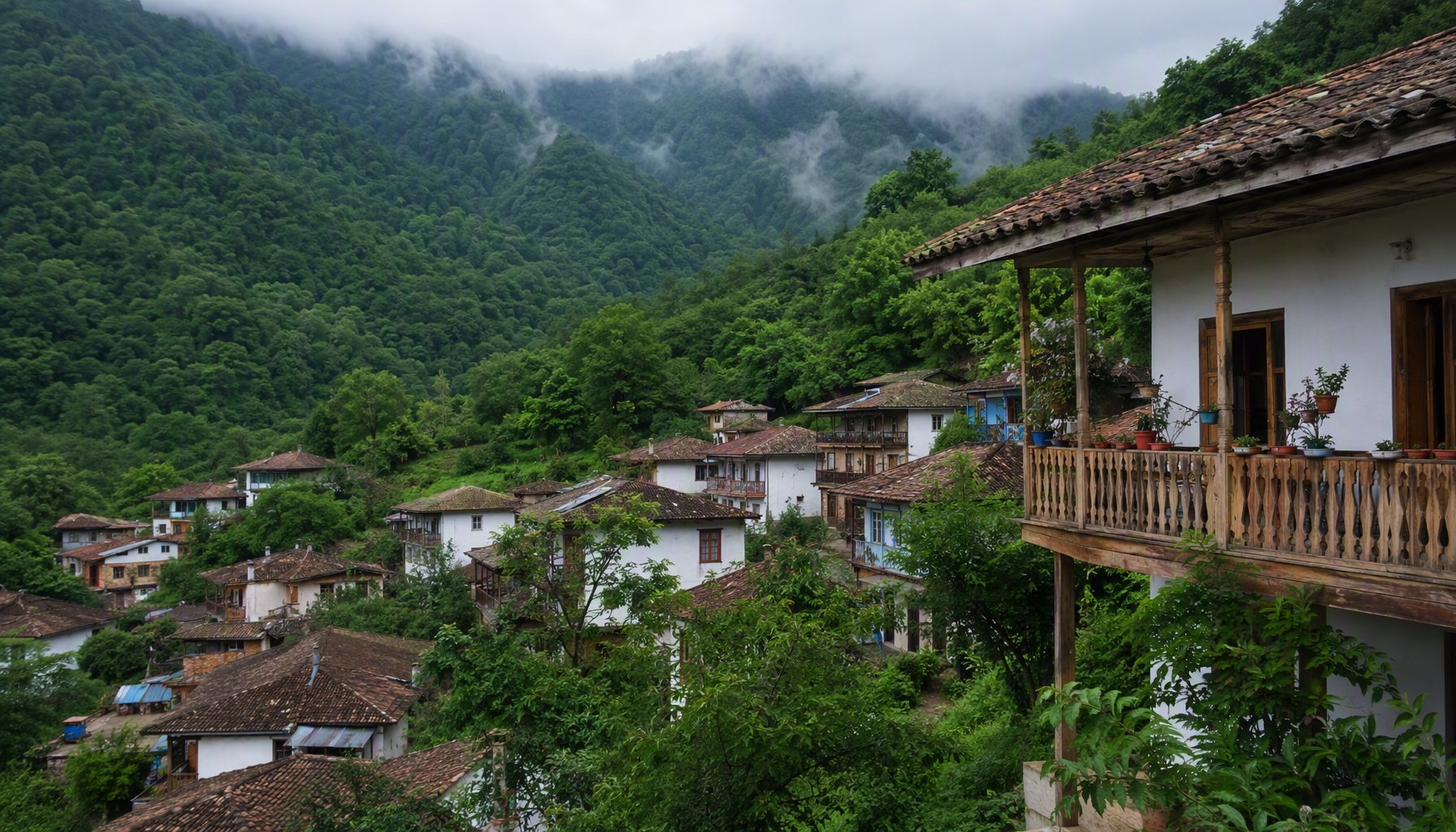
About 80 kilometers south of Amol, along the winding Haraz Road that connects central Iran to the Caspian coast, Niak Village sits in a green fold of the Alborz mountains. This is one of those Mazandaran villages where the pace of life is set by the seasons and the surrounding Hyrcanian forests stretch green in every direction.
Niak benefits from its position on the Haraz Road, one of Iran's most scenic mountain routes. Travelers heading from Tehran to the Caspian coast pass through this area, and many stop to rest in the village, sample local dairy products, and enjoy the cool mountain air before descending to the humid lowlands of Mazandaran. For visitors to northern Iran, Niak offers an authentic glimpse into rural Mazandarani life and the natural beauty that makes this region so distinctive.
Where Is Niak Village?
Niak is located on the Haraz Road (Route 77), approximately 80 kilometers south of the city of Amol and about 150 kilometers north of Tehran. The village sits at a moderate elevation in the Alborz foothills, placing it within the Caspian Hyrcanian forest zone, a UNESCO-recognized ancient forest ecosystem.
The Alborz mountain range forms a natural barrier between central Iran's plateau and the Caspian Sea lowlands. This geological feature creates distinct climate zones, with the southern slopes receiving abundant rainfall that supports lush vegetation. Niak's position in this transitional zone gives it access to both mountain freshness and the verdant character of the Caspian forests.
How to Get There
The Haraz Road is one of Iran's most popular routes for driving between Tehran and the Caspian coast. From Amol, head south on Route 77, following the Haraz River upstream. The road climbs through forested valleys, passing several villages before reaching Niak. The journey offers continuously changing scenery, from the agricultural plains around Amol to the increasingly dramatic mountain landscapes as you ascend.
From Tehran, arrange a taxi for a scenic drive through the Alborz via the Haraz Road. Alternatively, take bus services from Tehran to Amol, then arrange a local taxi for the final stretch to Niak. The journey through the mountains takes about 3 hours from Tehran, depending on traffic and weather conditions. The road is generally well-maintained, though winter snow can temporarily close higher sections.

What to See and Do
The village itself is small and traditional, with houses built in the characteristic Mazandaran style: sloping tile roofs designed to shed rain and snow, wooden balconies that provide outdoor living space, and whitewashed walls that reflect the region's building traditions. These architectural features respond intelligently to the local climate, with heavy winter snowfall and abundant rainfall throughout the year.
The surrounding landscape is the main attraction. Dense Hyrcanian forests cover the slopes, with walking trails that lead through beech, oak, and hornbeam trees. These forests are among the oldest in the world, having persisted through the last ice age and serving as a refuge for plant species that disappeared from Europe during the glaciations. Walking through these ancient woods offers a sense of connection to natural history spanning millions of years.
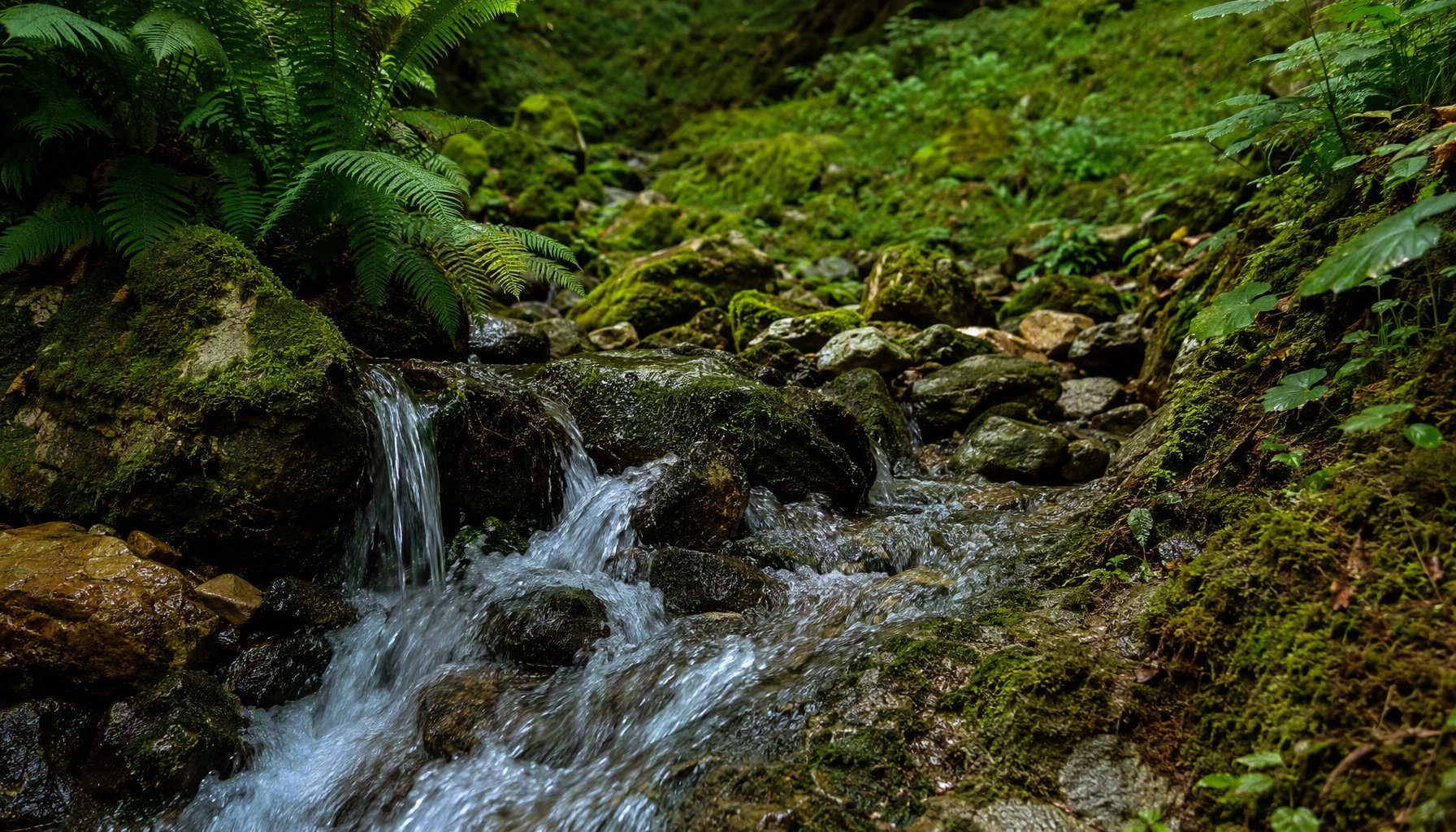
A mountain spring near the village provides cold, fresh water year-round. Locals gather here to fill containers and to picnic in the shade of the forest canopy. The water is exceptionally pure, filtered through the mountain rock and forest soil. The area around the spring is a popular gathering spot, especially on warm summer days when visitors seek relief from the heat.
The area is also a good base for short hikes into the surrounding hills. Trails lead through the forest to viewpoints overlooking the Haraz River valley, to hidden waterfalls that appear during spring snowmelt, and to high meadows where nomadic herders bring their flocks during summer months. These hikes range from easy walks suitable for families to more challenging routes for experienced hikers.
Local vendors along the road sell fresh dairy products, including local cheese, cream (sarshir), and yogurt. These are produced by the village families and are a highlight of any stop. The quality reflects the rich pasture available in the mountain meadows, where cows and sheep graze on wild grasses and herbs. The sarshir, a thick clotted cream, is particularly famous and often purchased as a gift for friends and family.
The Hyrcanian Forest Ecosystem
The Hyrcanian forests surrounding Niak represent one of Iran's most important natural heritage sites. These ancient forests stretch along the southern Caspian coast from Azerbaijan in the west to Golestan province in the east. Their unique history and biodiversity earned them UNESCO World Heritage status, recognizing their global significance.
The forests are home to numerous plant and animal species found nowhere else on Earth. Trees such as Persian ironwood, Caspian oak, and velvet maple create a multi-layered canopy that supports diverse understory vegetation. Wildlife includes brown bears, wolves, wild boar, and numerous bird species. While large animals are rarely seen by casual visitors, the forests teem with life for those who look carefully.
Nearby Attractions
Further south on the Haraz Road, the route climbs to the Siah Bisheh plateau and eventually descends toward the Caspian Sea. This section of the road offers some of Iran's most spectacular mountain driving, with hairpin turns, dramatic vistas, and passing through cloud forests where mist hangs in the treetops. North of Niak, toward Amol, you can visit other villages along the Haraz River, each with its own character and local products.
The city of Amol itself, about 80 kilometers north of Niak, offers historical attractions including ancient mosques, traditional bazaars, and access to the Caspian coastal plains. The contrast between the mountain villages and the lowland cities provides a comprehensive experience of Mazandaran's geographic and cultural diversity.
Best Time to Visit
Spring (April to May) is the most beautiful season, when the Hyrcanian forests are at their greenest and the wildflowers bloom across the meadows. The air is fresh, temperatures are comfortable, and the waterfalls are at their most impressive from spring snowmelt. Early autumn (September to October) is also pleasant, with comfortable temperatures and colorful foliage as the forests prepare for winter. Summer is warm and popular with weekend visitors from Tehran seeking relief from the capital's heat. Winter can bring heavy snow and road closures on the Haraz Road, though the snow-covered landscape has its own austere beauty for those prepared for cold weather.
Practical Tips for Visitors
Visitors should come prepared for variable mountain weather. Even in summer, evenings can be cool, so bringing a light jacket is advisable. Sturdy footwear is recommended if you plan to explore the forest trails, as paths can be muddy and uneven. The village has limited facilities, so bring any specific food or supplies you might need, though local vendors offer basic refreshments and dairy products.
Photography enthusiasts will find endless subjects in Niak and the surrounding landscape. The interplay of light and shadow in the forest, the traditional architecture of the village, and the dramatic mountain scenery all offer compelling photographic opportunities. Early morning and late afternoon provide the best lighting conditions.
Practical Details
- Address: Niak Village, Haraz Road (Route 77), south of Amol, Mazandaran province
- Hours: Open access at all times
- Tickets: Free
- Best season: April to May, September to October
- Phone: Local guesthouses can be arranged through Amol tourism office
- Facilities: Limited services in village; bring supplies for extended stays
- Accessibility: Mountain terrain may be challenging for visitors with mobility issues
Niak Village represents the Mazandaran that many visitors seek but few find: authentic, unspoiled, and deeply connected to the natural landscape. For those traveling the Haraz Road, whether heading to the Caspian coast or returning to central Iran, Niak offers a perfect place to pause, breathe the mountain air, and experience the rural beauty of northern Iran's most verdant province.