
Chalus has a nickname that locals say with real affection: the evergreen onyx of the north. Set in Mazandaran province where the Alborz mountains lean down toward the Caspian coast, it is the town most Tehranis picture when they want cool air, running rivers and forest without leaving the country for long. The road that carries them here, the Chalus Road, is one of the most travelled scenic drives in Iran, and it opens onto a world of swamps, mountain lakes, waterfalls and terrace villages that few visitors bother to look up from the windscreen to find.
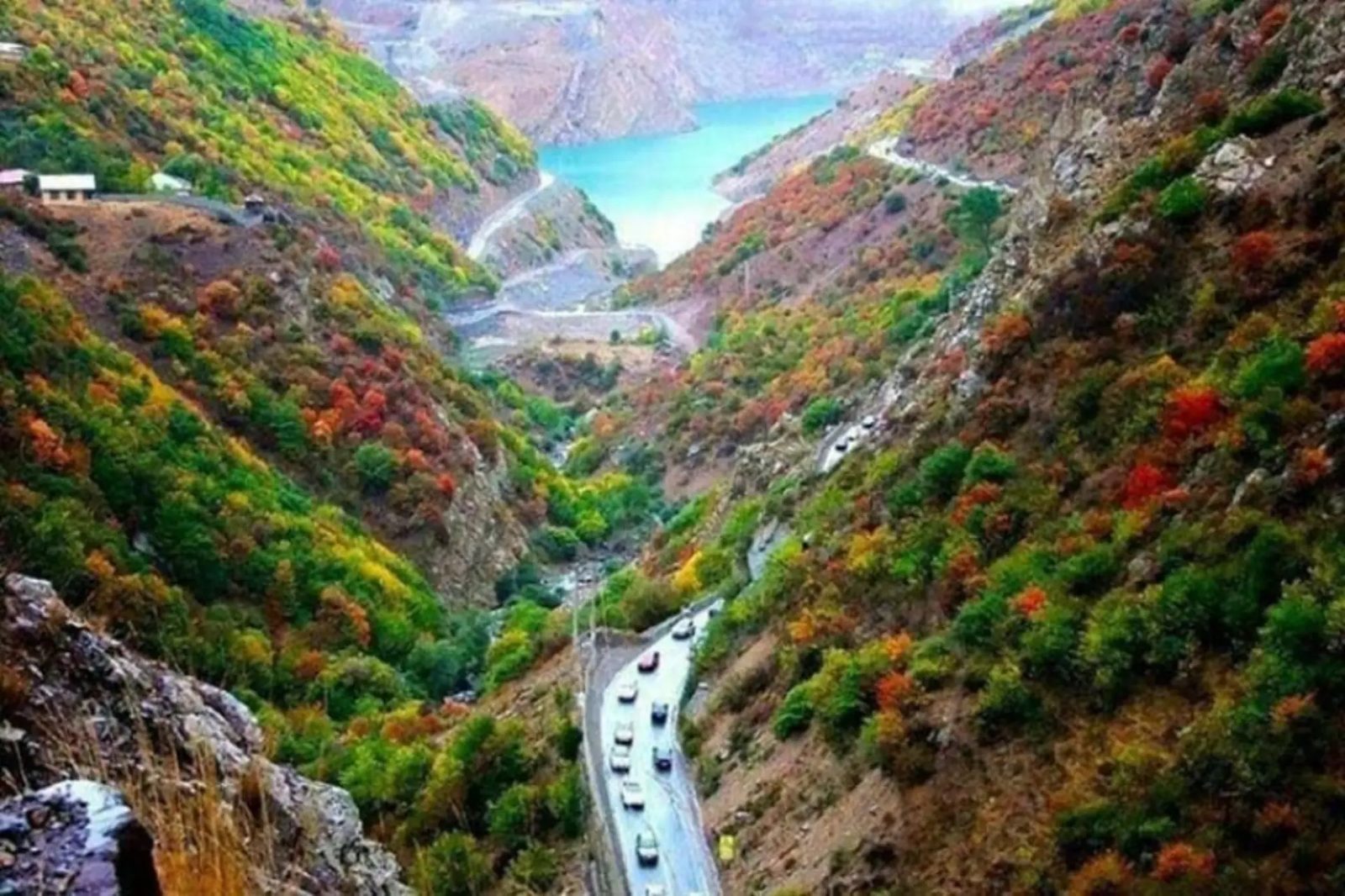
Where is Chalus?
Chalus sits in the west of Mazandaran, at the foot of the Alborz and within easy reach of the Caspian shoreline, between Karaj and the mountain crest. It gives its name to the road that links the capital to the coast, and it is a convenient base for neighbouring Nooshahr, Kelardasht and the valleys beyond.
How to get to Chalus from Tehran
The Chalus Road, officially Road 59, is the spine of any trip here. Built in the Pahlavi era, it is one of Iran's oldest modern mountain highways and still one of its busiest, so plan around the traffic.
By Mehyar Taxi or private car. The most comfortable way to come is a private car booked through Mehyar: from Tehran you join the road at Karaj and drive northwest through the gorge, roughly two hours in good weather. A car you control lets you stop at the lookouts and detour to a waterfall, which the sparse bus network cannot promise. Out to the lakes a hired Mehyar car is the realistic option, since many sights have no shared transport at all.
By Mehyar Buses. Intercity buses run from Karaj through Chalus on to Nooshahr, which keeps costs low. Buses use the main road and stop at junctions, not at a swamp or a high lake, so budget for a local taxi on the last stretch, and expect snow to slow or close the pass in winter.
By organised day tour. Many visitors from Tehran book a guided day trip combining the Chalus Road with Namak Abroud and a mountain village. Tours include transport and a guide, and take the road-closure uncertainty off your hands; check which stops are included.
Old stonework: the historical sights
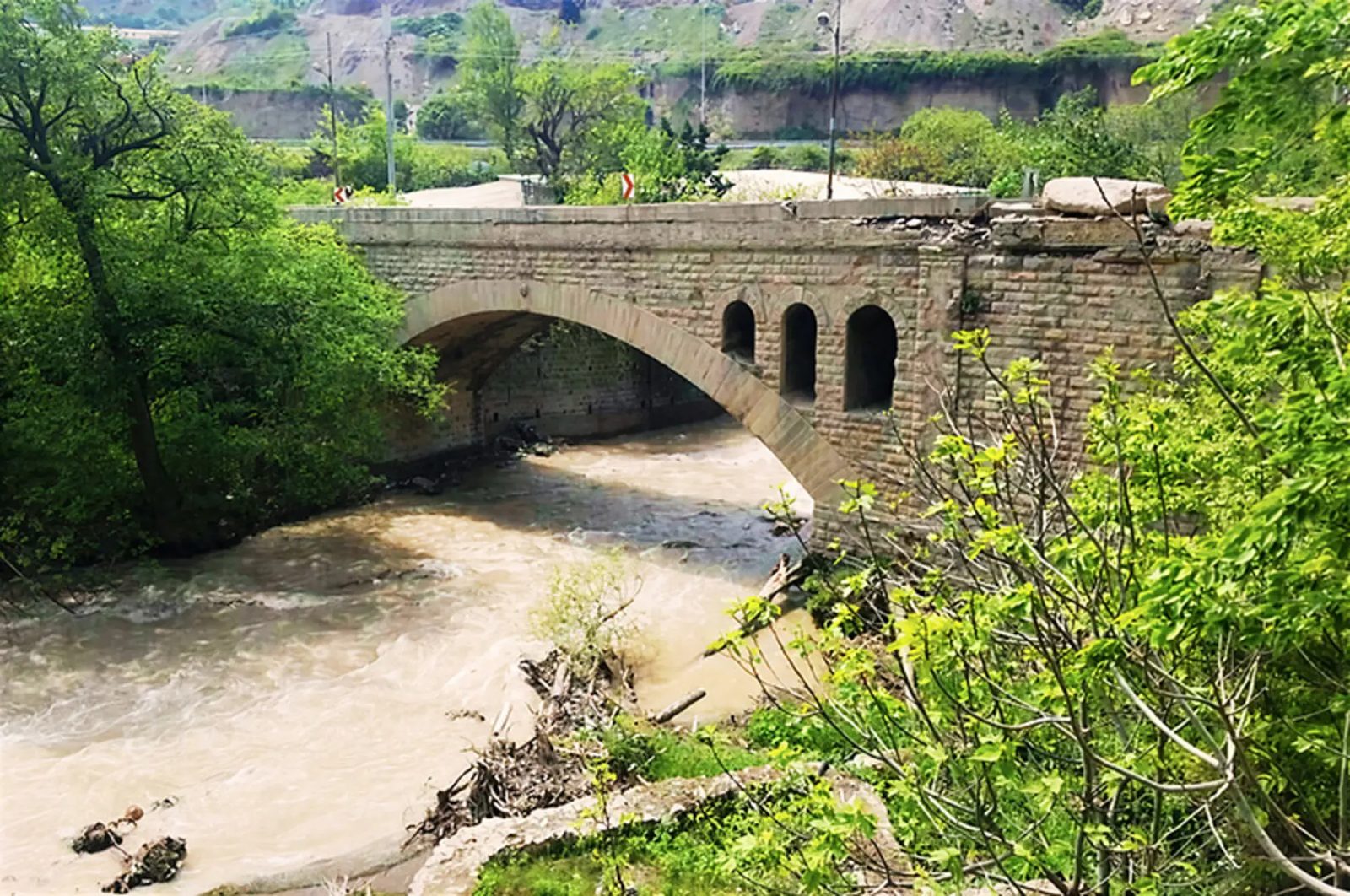

Chalus is greener than it is ancient, but two quiet monuments reward a stop.
Pol-e Zoghal (Zoghal Bridge). At about the 17-kilometre mark of the Chalus Road toward Karaj, near the Hasanabad turn-off, a single stone bridge spans the Chalus River. Built in 1938 under Reza Shah and dated by an inscription on its own body, it is 38 metres long, 6 wide and listed as a national heritage site: a short roadside stop rather than a destination.
Chaykhuran Palace. In the town, on Ostad Motehhari street off Meydan-e Moallem, stands a deceptively plain Pahlavi-era building. Chaykhuran covers some 4,000 square metres across a single floor and a basement, and unlike the showy palaces of its time it was built almost bare, with European proportions, two main entrances on the west and east faces and fine stucco inside. Listed nationally in 1974, it has recently been closed to visitors without public explanation, so treat the exterior as the realistic experience and confirm locally.
Forest, water and the wild: the natural sights
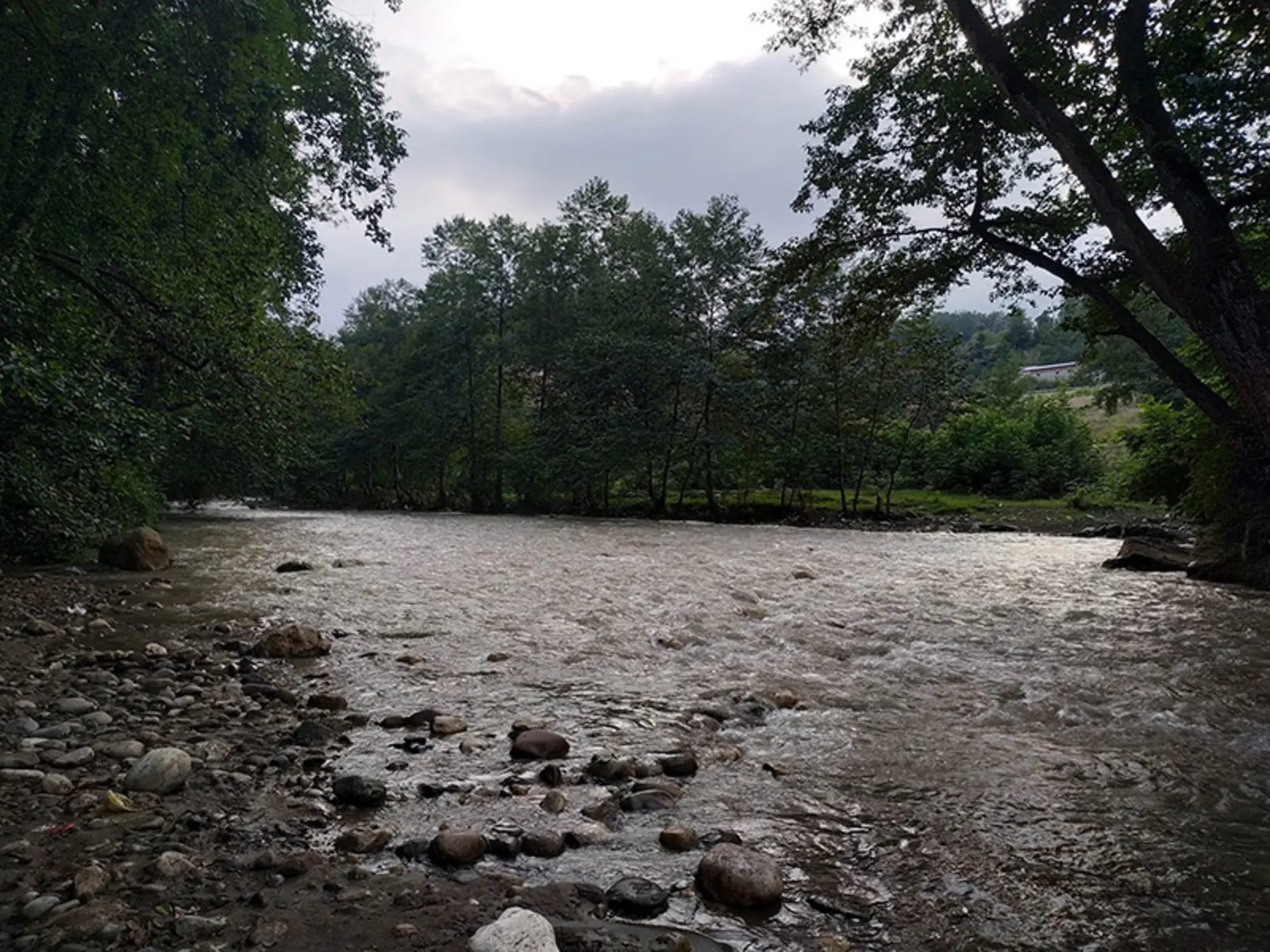
The Chalus Road itself. This is where Chalus earns its reputation: lovers of scenery will tell you the road is the real attraction. It threads through Marzanabad, the gateway to Kelardasht, and on to Nooshahr and the coast, which is why it clogs on holidays and in peak season.
Fin Forest Park and Kenduchal Swamp. Three kilometres up the road toward Karaj, Fin park spreads along a river with playgrounds, picnic tables and places to stay. Inside it lies Kenduchal Swamp, about a hectare of reed-choked still water some five metres deep, ringed by dense trees at roughly 700 metres and fed by springs, which is why its water is sweet rather than brackish. Birds and small wildlife make it a gentle first stop for families.
Namak Abroud Forest Park and Cable Car. In the Namak Abroud tourist town, a park of more than 200 hectares preserves Hyrcanian forest in which some plants are said to be centuries old. The cable car lifts visitors to the summit of Madobon peak, where refreshments wait. It generally runs from 08:00 to about 19:00 at a modest per-person fare that is revised often, so confirm on arrival.
Hesel Swamp and Radio Darya Beach. South of Talaju village, in Kelarestaq, Hesel is a quiet forest swamp whose name simply means "still water"; in better years it reached fifteen metres deep, and turtles, toads and newts live among its reeds. At the coast, Radio Darya Beach at the end of Takhti boulevard is billed as the nearest stretch of Caspian sand to Tehran, with restaurants, gazebos and a marked swimming zone, which is why it is so busy in summer.
Villages in the hills: Kandulus, Delir and Angas
Kandulus (Kandelus). Reached from the Marzanabad-to-Kojur road, about 67 kilometres and an hour and twenty minutes from Chalus, Kandulus is the most famous village in the region, kept on the tourist map by a handsomely preserved traditional fabric and a small anthropology museum. It has basic guesthouse accommodation.
Delir and Angas. On the same Kojur axis, Delir sits about 68 kilometres out as a summer access point to high pasture, while Angas, some 85 kilometres out, lies deeper in the hills and suits walkers who do not mind thin tourist services or arriving and leaving the same day.
Around Chalus: lakes and waterfalls
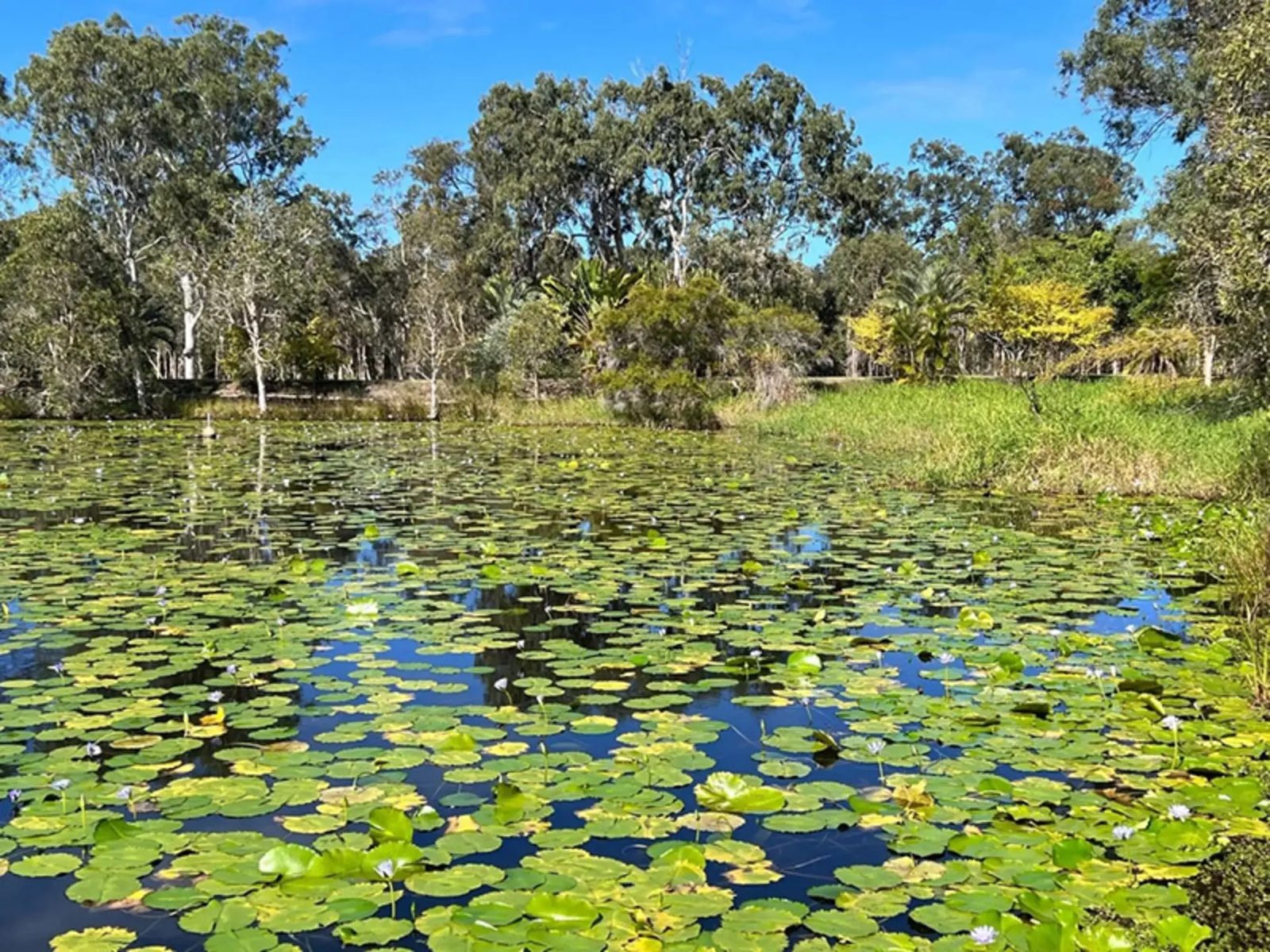
Velasht Lake. Thirty-six kilometres and fifty minutes from town, past Marzanabad, Velasht is a hidden freshwater lake of about 13 hectares and more than 20 metres deep, folded into a valley near the Takht-e Soleyman of Alam Kooh. The valley walls hide it, so it drops on you suddenly, ringed by forest and full of migratory birds and fish.
Hasarchal Lake. Farther out, above Kelardasht along the Tangeh Galu road, Hasarchal sits at roughly 3,800 metres beneath the Lashkarg peaks. Its water is usually freezing and not meant for swimming, but the alpine setting rewards the long drive of about 80 kilometres and just over two hours.
Harijan and Akapel waterfalls. Harijan waterfall, some 66 kilometres from Chalus off the Kojur road, is an unusual fall of more than nine metres that runs nearly dry in summer and swells to full force in the cold months, when the current is dangerous; go in spring, in Ordibehesht and Khordad, when it is at its best. Akapel, near Kelardasht, is a green forest waterfall that pairs with the drive to Velasht.
Siyah Bisheh. A nine-thousand-hectare protected reserve, Siyah Bisheh takes its name from the dark fog that hangs over it much of the year; it lies about 70 kilometres from Chalus on the Kojur road.
Where to stay
Most visitors sleep either in Chalus town, close to the road, the river and Radio Darya beach, or in the hills around Kelardasht and Kandulus for cool air and quiet. Village guesthouses and the cabins at Fin give a simpler night, while Namak Abroud has resorts and apartment hotels. Rooms in Chalus and nearby Nooshahr can be reserved through Mehyar Hotels, which also covers the private transfers out to the lakes. Book ahead for Nowruz and summer weekends, when the whole region fills with traffic from Tehran.
When is the best time to visit Chalus?
Every season has a case. Spring is the safest all-round choice, when the rivers run high and the waterfalls, Harijan above all, are full. Summer brings coastal humidity and reliable green days in the hills, but also the heaviest Chalus Road traffic. Autumn turns the Hyrcanian forest into layered colour. Winter is cold and often snowy, and snow, fog and forest make the road dramatic, though passes can close, so carry winter equipment if you drive the crest.
Practical notes for your visit
Keep cash for village guesthouses and small entry fees, since mountain sites are poorly served by card terminals. Mornings suit the lakes and the coast best, when the light is clear and the road is quieter. The high lakes can turn cold and foggy at any time of year, so carry a warm layer even in July. Treat Mehyar Taxi as your working default, for the long run out of Tehran and the short hops no local bus stitches together.