
Rasht is not a city you conquer. It is a city you settle into, preferably with a fork in one hand and a cup of tea in the other. As the capital of Gilan province, this is the largest urban center on Iran's Caspian plain, a low, green world of rice paddies, tea slopes, and persistent rain that feels closer to the misty hills of northern Europe than to the arid plateaus that most travelers picture when they think of Iran. People call it the City of Rain, and they mean it as a compliment. The moisture is what makes the rice taste like rice, the herbs smell like herbs, and the food so good that UNESCO named Rasht a Creative City of Gastronomy.
This guide is built for the traveler who wants to use Rasht well: as a soft landing after Tehran, as a base for Masuleh and the Anzali lagoon, and as a place to eat with serious intent. We will cover where Rasht is, how to reach it by bus, plane, train, or car, the best seasons for rain and humidity, the central Shahrdari square and the sprawling bazaar, the dishes you should not leave without trying, and the day trips that turn a two-night stay into a proper Gilan journey. Along the way, we will show you where Mehyar fits in, from booking a hotel to calling a taxi to topping up your wallet for a day at the market.
Where is Rasht?
Rasht sits in the northwest of Iran, in the province of Gilan, on the broad green plain between the Alborz mountains and the Caspian Sea. To the north, the land runs flat toward the Caspian and the Anzali lagoon. To the south, the foothills rise quickly into forest. The city is roughly 325 kilometers from Tehran by road, about 35 kilometers from Bandar Anzali on the coast, and about 45 kilometers from Lahijan, the tea town to the east. The climate is humid and subtropical, with mild winters and warm, sticky summers. Rain falls often, most heavily in autumn.
How to get to Rasht
Rasht is well connected to the rest of Iran, and the choice of transport changes the feel of the trip. If you are coming from Tehran, you have four realistic options: bus, plane, train, or private car.
By bus from Tehran
The bus is the most common way to reach Rasht. Modern coaches leave Tehran's western terminals throughout the day and cover the 325 kilometers in about four to five hours, depending on traffic leaving the capital and the weather on the Qazvin-Rasht freeway. The ride is comfortable, with reclining seats and a rest stop. Tickets are affordable and can be booked in advance. The Rasht bus terminal is about 7 kilometers from the city center, and from there you can take a local taxi or a ride-hailing car to your hotel. This is where Mehyar becomes useful: open Mehyar, go to Buses, search Tehran to Rasht, and reserve your seat before you leave. On arrival, switch to Mehyar Taxi to cover the last few kilometers without haggling.
By plane
Rasht has an international airport, Sardar Jangal, about 12 kilometers from the center. Flights from Tehran take under an hour, which makes this the fastest option if your time is short. Domestic flights operate on most days, but schedules can shift, so confirm before you book. From the airport, a taxi is the simplest way into town. You can arrange it through Mehyar Taxi and know the fare before you get in.
By train
Rasht is connected to the national rail network, and the train from Tehran takes roughly five to six hours. The station is about 20 minutes by car from the center. The route is scenic in its own right, especially as it approaches the green plain. Book through Mehyar where rail inventory is available, or use the station's own counters as a fallback.
By car
Driving from Tehran takes about four hours on the Qazvin-Rasht freeway, passing Karaj, Qazvin, Manjil, and Rudbar. The alternative is the Chalus road, which is longer, roughly 350 kilometers, and can take six and a half hours or more, but rewards you with mountain scenery. For a short trip, the freeway is the practical choice. Once in Rasht, note that the center has traffic restrictions, so you may want to park and walk.
Best time to visit Rasht
The best months for Rasht are spring, from April to early June, and early autumn, from late September to October. During these windows the air is mild, the gardens are lush, and the rain has not yet settled into its autumn rhythm. Summer is hot and very humid, which some travelers find exhausting. Winter is cool and damp, but the city is quieter and hotel prices are lower. If you love rain and want the full City of Rain experience, come in autumn. Pack a light rain jacket, an umbrella, and shoes that can handle wet pavement. The humidity is real, so breathable fabrics help.
A short history of Rasht
Rasht grew into importance under the Safavids, when Shah Abbas I made it the center of Gilan. Its position between the Caspian and the interior made it a trading hub, a place where silk, rice, and goods from Europe and Russia changed hands. Foreign travelers in the Qajar era wrote about its scattered houses among trees, its open bazaar, and its silk workshops. The city remained a commercial and cultural center through the Constitutional Revolution and the Jungle Movement led by Mirza Kuchak Khan, whose home and tomb are both in Rasht today. Modern Rasht is a university city and the undisputed food capital of Iran.
What to see in Rasht
Shahrdari Square and the cultural walk
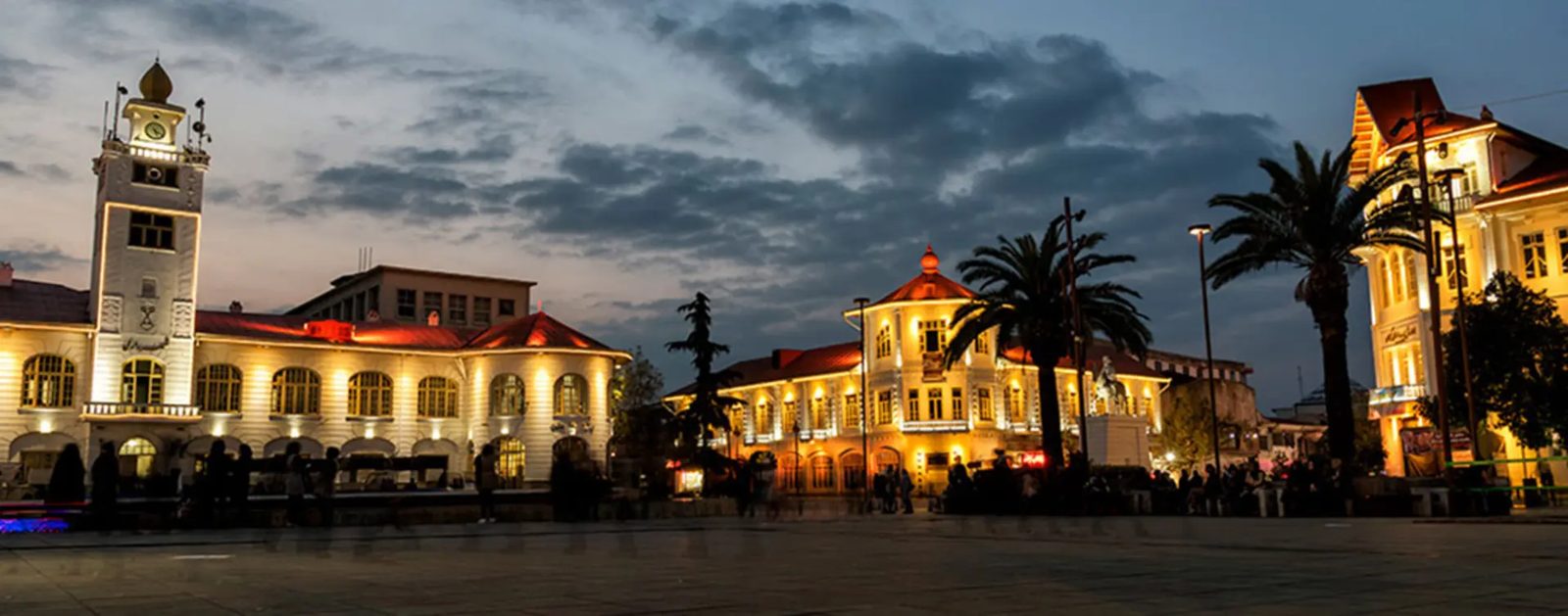
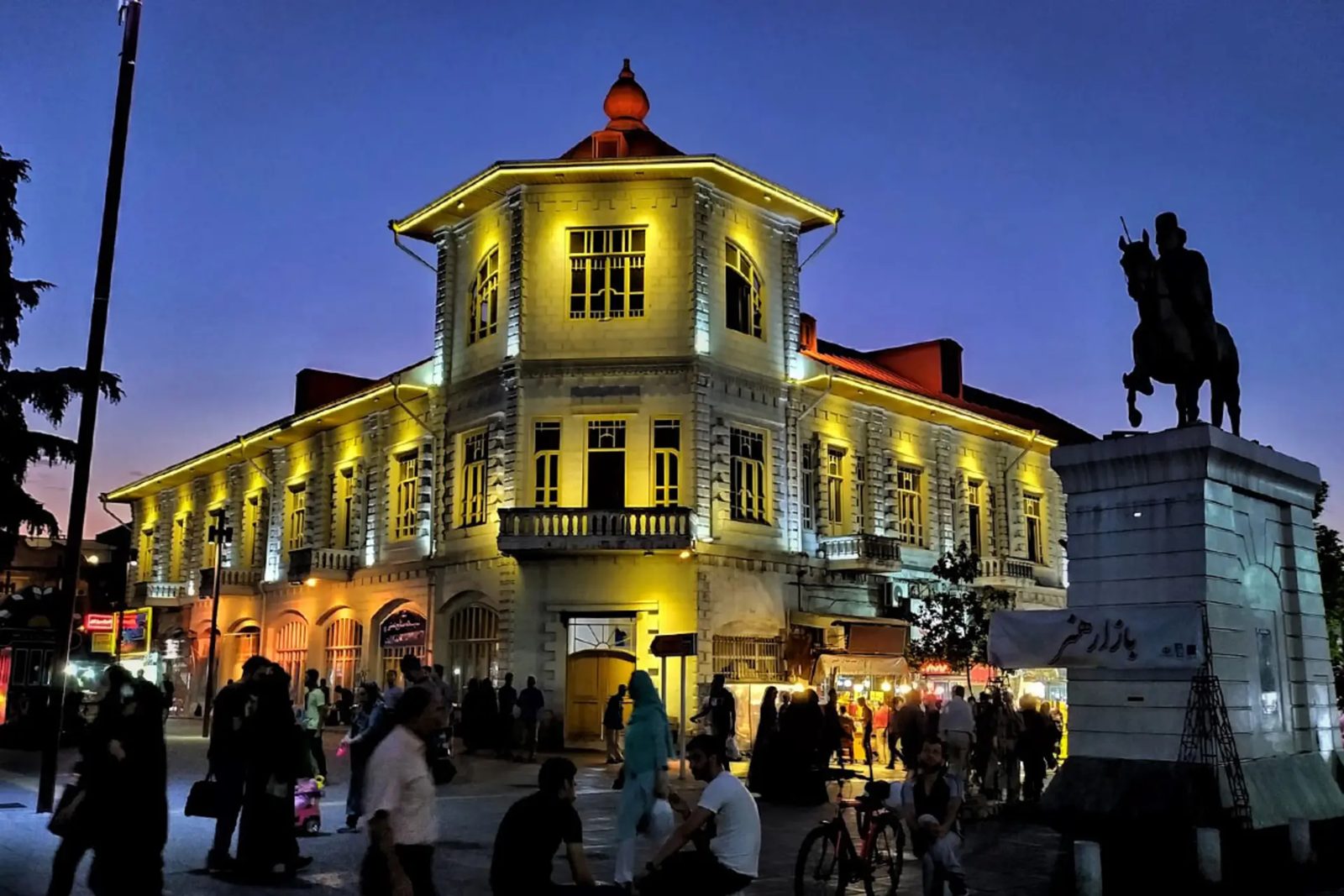
The heart of central Rasht is Shahrdari Square, a broad, paved plaza surrounded by buildings from the Pahlavi era, including the municipal hall with its clock tower. In the evening, the square lights up, families stroll, and the fountains run. From here, a stone-paved pedestrian walk leads toward Sabzeh Meydan, passing bookshops, cafes, and local stores. It is the best place to start a first evening in the city. Nearby stands the white building of the old municipality and the statue of the horse-fish, a local symbol, in the Golsar district to the north.
The Grand Bazaar
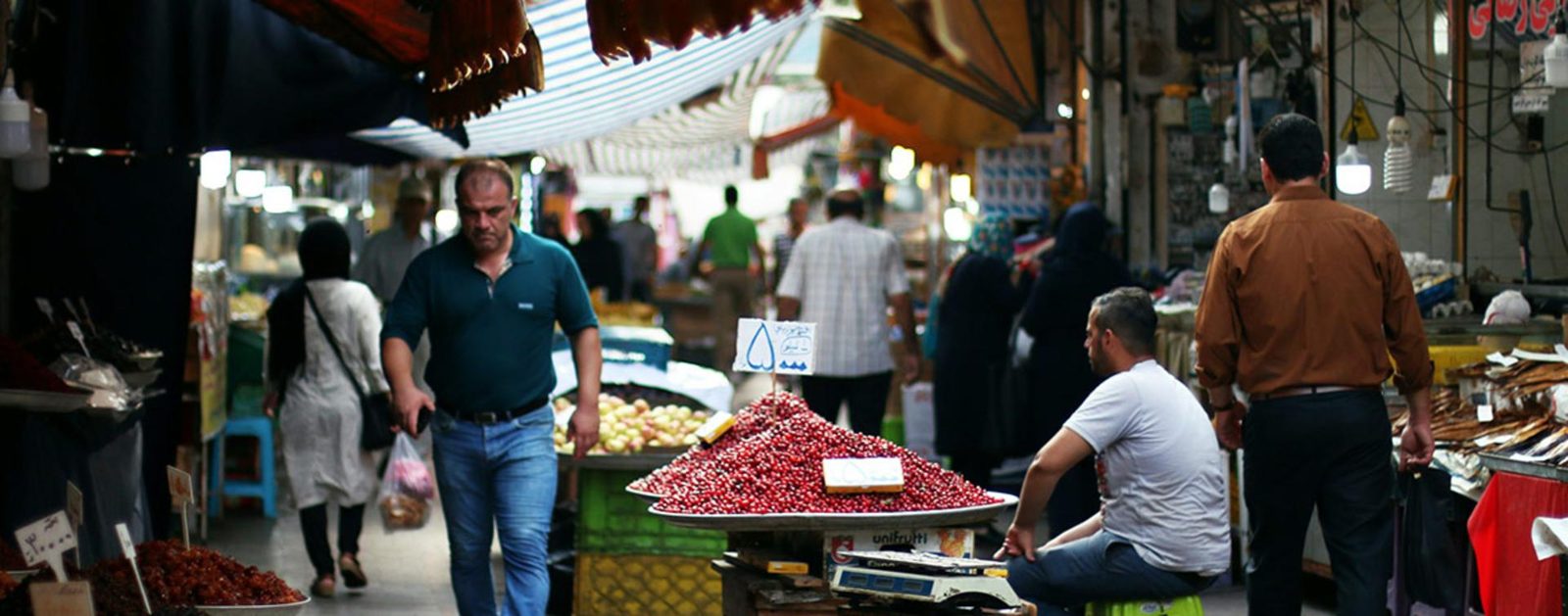
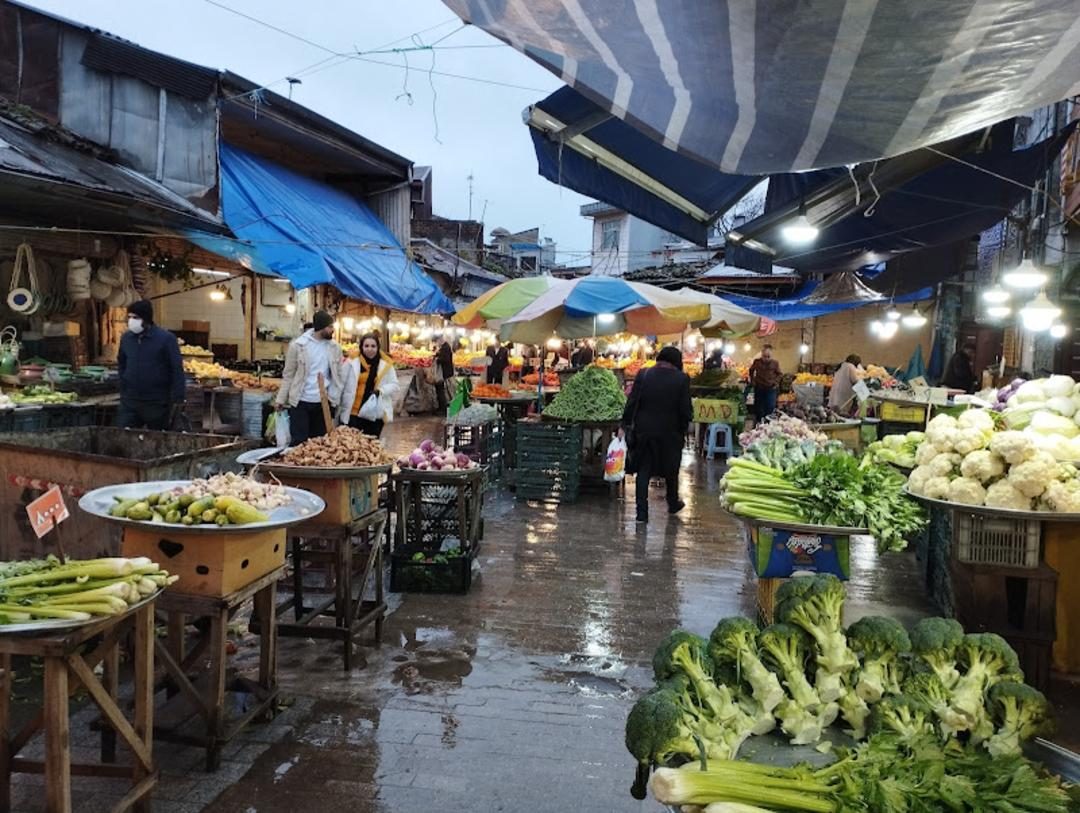
Rasht's bazaar is one of the largest open-air markets in Iran, covering some 24 hectares with covered lanes, caravanserais, and small squares. It is not a single roofed hall like the bazaars of Isfahan or Tabriz. Instead, it spills through the old center around Mirza Kuchak Khan Street, with sections for fish, vegetables, rice, olives, pickles, and household goods. The fish market is the loudest and most vivid part, where smoked and salted Caspian fish are sold alongside fresh catch. Come in the morning for the best produce and the full sensory experience. Bring cash, as not every stall takes cards. This is a good moment to have your Mehyar wallet topped up so you can pay small vendors without hunting for an ATM.
Bazaar-e Mahi Forushan and the old neighborhoods
The fish bazaar and the surrounding lanes of Saghari Sazan, named for the leather shoe makers who once worked here, are the atmospheric heart of old Rasht. Wander past the Haji bathhouse with its tiled entrance, the old houses, and the small mosques. The neighborhood is photogenic in the rain, with wet cobblestones and green moss on the walls.
Bagh-e Mohtasham and the Kolah Farangi mansion
Bagh-e Mohtasham, also called Park-e Shahr, is the oldest park in Rasht, laid out in the Qajar era under Nasser al-Din Shah. Its centerpiece is the Kolah Farangi mansion, a polygonal wooden building that looks like three stories from outside but has four within. The park is a good place for a morning walk, with old trees, a pond, and sports facilities. It is free to enter.
Gilan Rural Heritage Museum
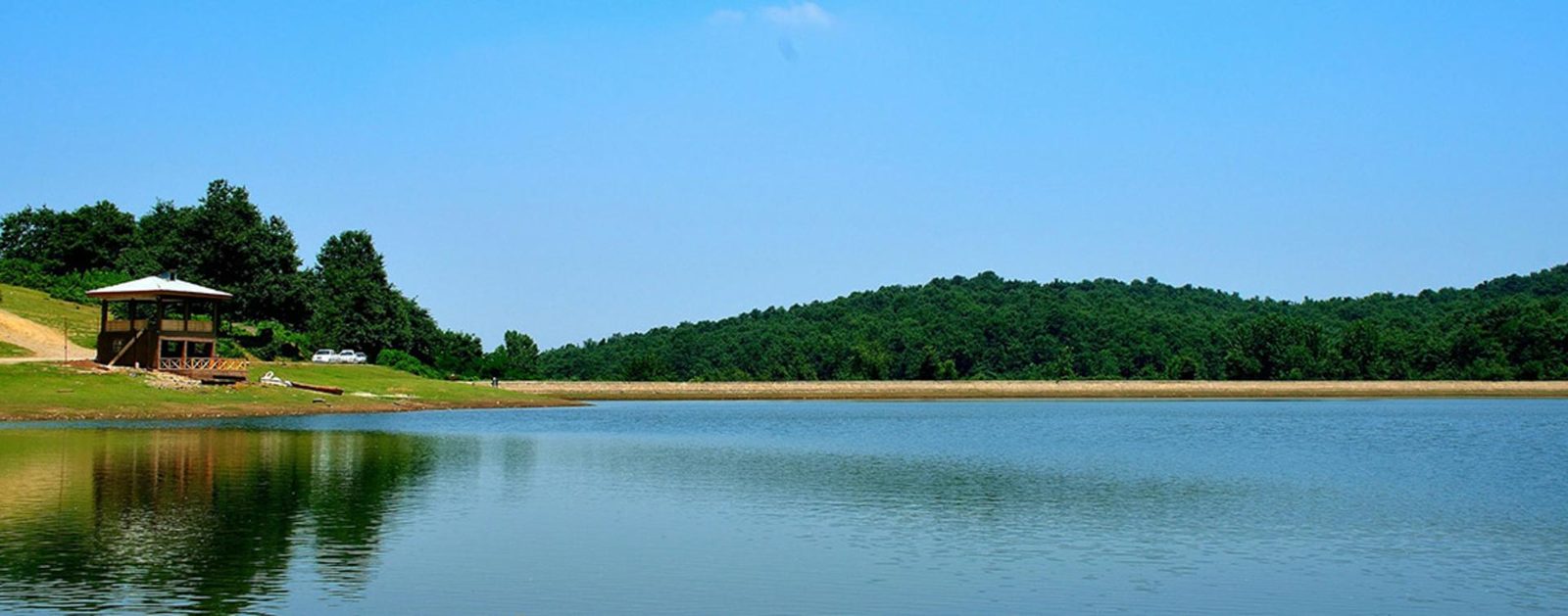
About 20 kilometers south of Rasht, on the road toward Saravan forest, the Gilan Rural Heritage Museum is an open-air museum of traditional Gilaki houses moved here from across the province. It is the first museum of its kind in Iran, and it gives you a clear picture of rural life, architecture, and craft in Gilan. The site is green and quiet, with a small lake and walking paths. It is open from 09:00 to 17:00, and there is a modest entrance fee. Check current hours and prices before you go, as they can change.
Mirza Kuchak Khan House and Tomb
In the Ostadsera neighborhood, the two-story Qajar house where Mirza Kuchak Khan was born is now a museum dedicated to the Jungle Movement and the Constitutional Revolution. The ground floor holds books and documents, while the upper floor displays personal belongings and photographs. His tomb, an octagonal monument, stands in the Soleyman Darab neighborhood to the south of the city. Both are worthwhile for anyone interested in modern Iranian history.
What to eat in Rasht
This is the reason many Iranians come to Rasht. Gilani food is sour, herby, garlicky, and generous with walnuts, pomegranate, and olive oil. It is different from the kebab-and-rice diet of the rest of the country, and it is best eaten in the small local restaurants and food stalls rather than in hotel dining rooms.
Start with Mirza Ghasemi, a smoky mash of grilled eggplant, tomato, garlic, and egg, served with warm bread. Then try Baghali Ghatogh, a stew of fava beans, dill, and eggs, often eaten with rice. Order Torsh Tareh, a sour herb stew, and Fesenjan if you want the walnut and pomegranate classic. For the full experience, find a local restaurant in the Golsar district or near the bazaar and ask for the daily special. Do not skip the pickles and olives, and finish with a cup of tea from Lahijan. The city is full of small eateries, and the best ones often have no English menu, so pointing and smiling works well. Use Mehyar to find a nearby restaurant, and keep some cash in your wallet for the smaller places.
Day trips from Rasht
Masuleh
The village of Masuleh, built into a steep mountainside with rooftops serving as streets, is about 60 kilometers southwest of Rasht, roughly an hour and a half by car. It is one of Iran's most famous villages and makes an easy day trip or an overnight stay. The road climbs through forest and tea gardens. Go early to avoid the crowds, and wear shoes with grip. You can book a Mehyar Taxi for the day or join a small group tour through the Mehyar planner.
Bandar Anzali and the lagoon
Bandar Anzali, on the Caspian coast, is about 35 kilometers from Rasht. The Anzali lagoon is a protected wetland with birds, reeds, and small boats. The town has a promenade, a market, and a distinct port atmosphere. It is an easy half-day trip. Buses and shared taxis run frequently, but a Mehyar Taxi gives you more flexibility if you want to stop at the lagoon and the beach.
Lahijan and the tea fields
Lahijan, about 45 kilometers east of Rasht, is the center of Iran's tea industry. The green hills around it are covered with tea bushes, and the town has a relaxed feel. Visit the tea museum and the old bridges, and buy fresh tea to take home.
Where to stay in Rasht
Rasht has a range of hotels, from simple one-star places near the bazaar to comfortable four-star properties in the Golsar district. The Golsar area is the most modern part of the city, with cafes, restaurants, and shops within walking distance. The center around Shahrdari Square is more historic and convenient for the bazaar. For a local experience, look for ecolodges and traditional guesthouses in the villages around Rasht, especially near Masuleh and the forest park. Book through Mehyar Hotels to compare options and confirm your reservation before you arrive. During Nowruz and the autumn high season, rooms fill up quickly, so reserve at least a month ahead.
Practical notes for Rasht
The currency is the Iranian rial, but prices are often quoted in tomans. Carry cash for small purchases, markets, and rural taxis. The Mehyar wallet and tourist card can help you pay in more places, and you can top up through the app. Internet access is generally good in the city, and a Mehyar SIM, when available, keeps you connected without a trip to a phone shop. The tap water is not recommended for drinking; bottled water is widely available. Rasht is a safe city, but take the usual precautions with your belongings in the bazaar. Learn a few Persian phrases, such as "salam" for hello and "mersi" for thank you, and you will find people welcoming.
Getting around Rasht with Mehyar
Within the city, buses are cheap but can be crowded and do not cover every neighborhood. Shared taxis and ride-hailing cars are the practical way to move around. Open Mehyar, choose Taxi, set your pickup and destination, and you will get a clear fare and a driver who knows the city. This is especially useful when you are tired after a long bus ride or when it is raining and you do not want to wait on the street. For longer trips to Masuleh, Anzali, or Lahijan, you can book a car for the day through Mehyar, which saves you from negotiating with drivers or figuring out shared taxi terminals.
A suggested two-day plan
On day one, arrive by bus or plane, check in, and spend the afternoon walking Shahrdari Square and the cultural walk. Have dinner at a local restaurant and try Mirza Ghasemi and Baghali Ghatogh. On day two, start early at the Grand Bazaar and the fish market, then visit Bagh-e Mohtasham and the Kolah Farangi mansion. In the afternoon, take a Mehyar Taxi to the Gilan Rural Heritage Museum or to Masuleh if you have a full day. On your last morning, visit the Mirza Kuchak Khan House before heading to the terminal or airport.
Start your Rasht trip with Mehyar
Rasht rewards the traveler who slows down. Use Mehyar to book your hotel, reserve your bus from Tehran, call a taxi in the rain, and keep your wallet topped up for the bazaar. From here, you can read our guide to Masuleh for the mountain village, our Tehran guide for the capital, and our first trip to Iran article for the bigger picture. When you are ready, open the app and let the City of Rain do the rest.