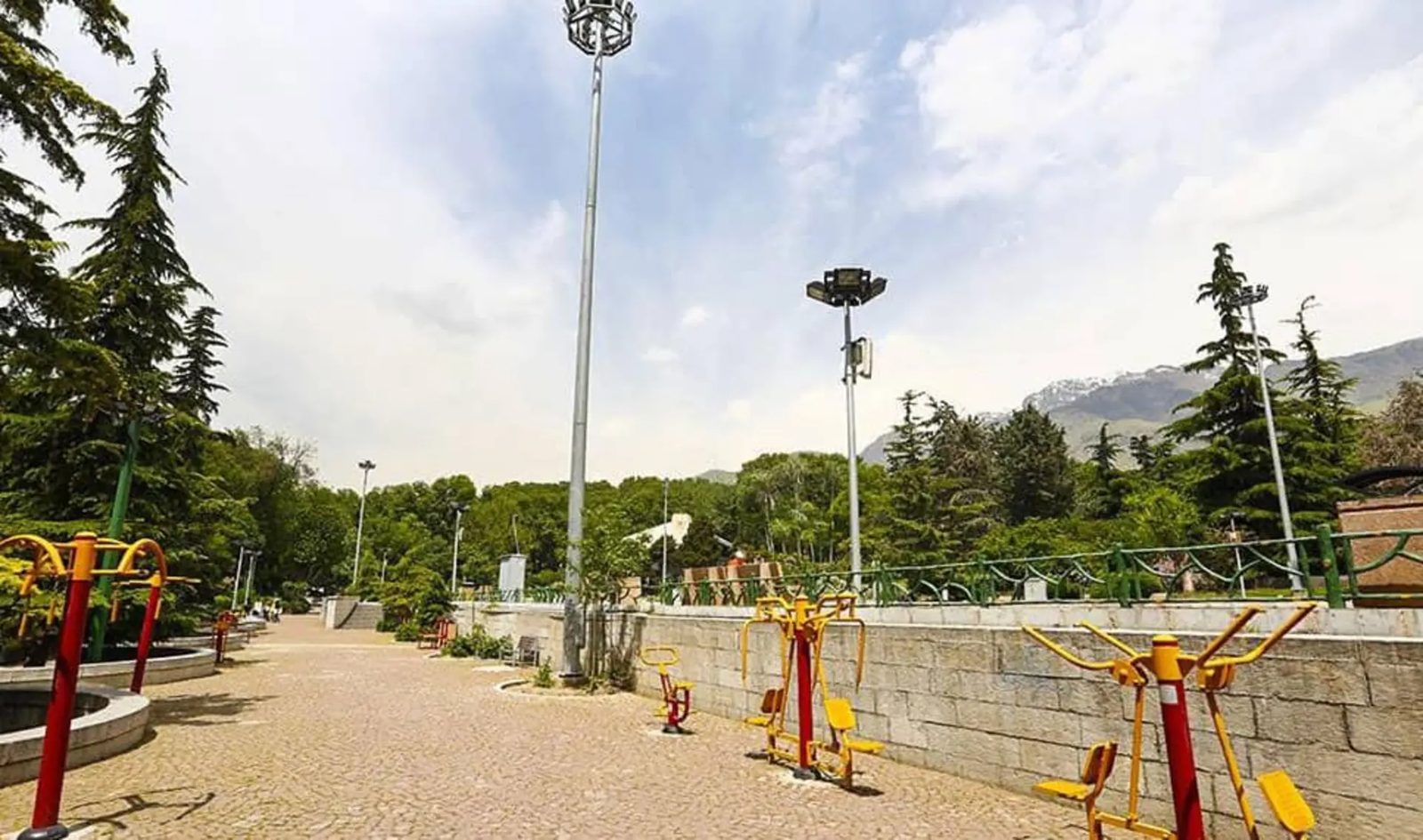
Niavaran Palace Complex is the address where Tehran's noise falls away. In the far north of the capital, in the Shemiran district around Niavaran Square (also called Shahid Bahonar Square), an 11-hectare walled garden holds five separate buildings from two dynasties, from a Qajar pavilion of the 19th century to the modern marble-and-glass palace where Mohammad Reza Pahlavi and his family lived until 1979. If you have one day for royal Tehran, this is where the city feels calm, green, and unexpectedly intimate. This guide covers where Niavaran is, how it differs from Golestan Palace, how to reach it with Mehyar Taxi or the metro, what each building offers, and the practical notes on tickets, hours, dress, and pairing the visit with the rest of north Tehran.
Where is Niavaran, and why does it matter?
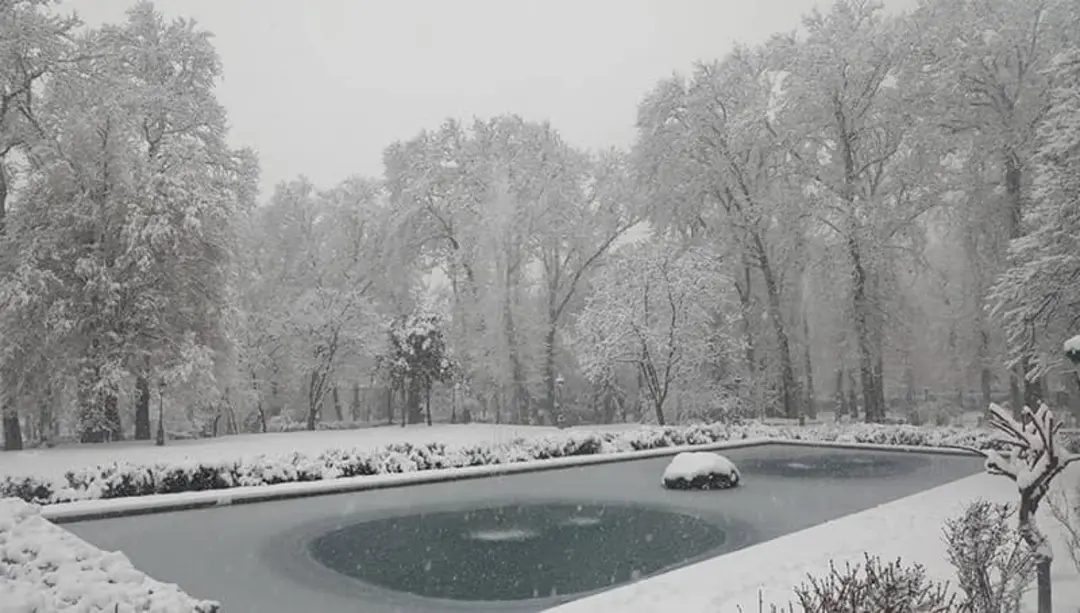
Niavaran sits at the northern edge of Tehran, tucked against the lower slopes of the Alborz mountains. The complex begins at Niavaran Square, at the northern end of Pasdaran Street, a short distance south of Darabad and just down the hill from the Niavaran Palace itself. Because it faces the mountains, the air here is noticeably cooler than downtown, sometimes by five degrees or more on a summer afternoon, and the garden stays green well into the year.
The site's history is older than the palaces you see today. A garden in this spot served as a summer retreat for Fath-Ali Shah of the Qajar dynasty, and Naser al-Din Shah later built a pavilion here that he named Saheb Qaranieh. Under Mohammad Reza Pahlavi, a new modern palace was raised in the 1960s, and most of the older outbuildings were cleared to make room for the royal family's private quarters. The result is a layered site: an older garden with a Qajar pavilion, a mid-20th-century palace, and smaller museums that preserve cars, calligraphy, and royal household objects.
Niavaran or Golestan? Choosing your royal Tehran
Travelers often ask which palace to see first. The honest answer is that they do different jobs. Golestan Palace, in the crowded heart of old Tehran near the Grand Bazaar, is the Qajar showpiece: mirror work, tile, and the Peacock Throne, surrounded by the dense life of the bazaar district. Niavaran is the opposite: a quieter garden complex in the cool north of the city, more modern, more personal, and easier to enjoy at a slow pace. If you have time for both, see Golestan for dynastic grandeur and Niavaran for the last decades of the monarchy and a genuinely pleasant garden walk. If you only have one afternoon and want green space and calm, Niavaran is the better pick.
How to get to Niavaran
The complex is at Niavaran Square (Shahid Bahonar Square), northern end of Pasdaran Street, in Tehran's District 1. Traffic in north Tehran is unpredictable, so plan for the ride to take longer than a map suggests.
By Mehyar Taxi
The simplest option for most visitors is to open Mehyar and request a Taxi directly to the Niavaran complex entrance. Set the destination as Niavaran Palace Complex or Niavaran Square rather than a vague "Niavaran," because the district is large and drivers may otherwise drop you several streets away. Mehyar Taxi gives you a fixed, upfront price before you confirm, which spares you the guesswork of street taxis in a neighborhood where metered fares are rare. From central Tehran (Enghelab Square, Ferdowsi, or around the National Museum), the drive is usually 30 to 50 minutes outside peak hours; from Tajrish or Darabad, it is often under 15 minutes. If you are arriving from Imam Khomeini International Airport, allow 1.5 to 2 hours, since the airport sits southwest of the city and you are crossing the whole capital.
By metro and last-mile taxi
Take Line 1 of the Tehran metro to Tajrish station, the northern terminus. From Tajrish, the complex is roughly 3 to 4 kilometers uphill. You can continue with Mehyar Taxi for a short, inexpensive hop, or take a shared taxi along the Niavaran route. Nobonyad station, also on Line 1, is another reasonable starting point on the eastern side of the neighborhood. The metro is cheap and avoids traffic, but the last mile genuinely benefits from a taxi, especially in summer heat or winter cold.
By bus
Several bus lines serve Niavaran Square, including routes from Tajrish toward Darabad and from Resalat Square toward Qods Square. Buses that pass Niavaran on the outbound trip may take a different path on the return, so ask the driver where the return stop is before you get off. BRT lines along the Rail-to-Tajrish corridor connect to the metro network if you prefer to combine modes.
Parking and arrival
If you drive, parking is generally found near the northern gate. On holidays and Fridays the lot fills early, so arriving before 10:00 is wise. The main ticket window and the complex entrance are at the square; from there, the garden opens up in front of you.
A short history of the complex
The garden at Niavaran is older than any building you will enter. Fath-Ali Shah used the area as a summer residence, and Naser al-Din Shah built the pavilion known as Saheb Qaranieh in the mid-19th century. Ahmad Shah Qajar added a small two-story pavilion that still stands in the garden. In the 1960s, Mohammad Reza Pahlavi ordered a new palace built in a modern style on the northern side of the garden, and the family moved in during the late 1960s. After the 1979 revolution, the site was turned into a museum complex, and it has been open to the public for most of the decades since. The buildings you walk through today are therefore not a single moment in time but a sequence: Qajar garden pavilion, early-20th-century kiosk, and a 1960s royal residence that still feels, in places, as if its occupants stepped out for the afternoon.
What to see inside the complex
The main Niavaran Palace
This is the heart of the visit and the building most travelers picture. Completed in the late 1960s, it has two main floors and a mezzanine, with roughly 9,000 square meters of floor space. The ground floor was used for receiving guests, and the upper floor held the family's private rooms. The interiors are a mix of European furniture, Iranian carpets, and modern detailing, and the retractable aluminum ceiling in one of the halls is a genuine architectural curiosity. Photography rules inside can change; follow whatever the staff tell you at the door.
Kushk-e Ahmad Shahi
The Ahmad Shahi Pavilion is a small two-story Qajar building in the garden, built in the late Qajar period and later used to display gifts given to the royal family by foreign leaders. It is one of the more intimate buildings on the site. Note that the upper floor and some interior rooms are not always open to visitors, so ask at the entrance what is currently accessible.
Saheb Qaranieh Palace and the Howz Khaneh
Saheb Qaranieh is the older Qajar pavilion, and the Howz Khaneh museum sits in its lower level. This building has been closed for restoration for extended periods, and it may not be open during your visit. If it is open, it is worth the extra ticket for the Qajar paintings and calligraphy. If it is closed, do not let that stop you: the rest of the complex is more than enough for a half day.
Jahan Nama Museum
The Jahan Nama Museum, on the western side of the garden, was established to house art and gifts given to the royal family. Its collection includes works by Iranian and international modern artists, and it is a good companion to the main palace for anyone interested in 20th-century art. Opening hours for individual museums can vary, so check at the ticket window on arrival.
The Royal Library and the Car Museum
The private library, a modern building on the eastern side of the complex, holds a large collection of printed books, manuscripts, and paintings, and its architecture is a quiet example of 1970s Iranian modernism. The Car Museum, by contrast, is small: a handful of royal vehicles, most notably two Rolls-Royce Phantom cars, along with motorcycles used by the family's children. Travelers who come expecting a large classic-car collection are often disappointed, so treat it as a small historical curiosity rather than a destination in itself.
The garden itself
Do not rush the garden. The complex covers about 11 hectares, and the paths between buildings are lined with old plane trees, cypresses, and flower beds. The tall 150-year-old plane tree near the park side is one of the oldest in Tehran. Benches are scattered through the grounds, and on a mild spring or autumn day, sitting for twenty minutes is part of the experience.
Hours, tickets, and what to expect
Opening hours are seasonal and have changed in recent years. In spring and summer the complex is generally open from around 09:00 to 18:00 or 19:00, with the last entry roughly an hour before closing. In autumn and winter, hours are shorter, often 08:00 to 17:00. Friday openings have varied; some periods have seen the complex open on Fridays and others closed, so confirm the day before you go. The complex closes on a number of religious and national holidays, including Tasua and Ashura, Arbaeen, the passing of the Prophet, the martyrdom of Imam Reza, Eid al-Fitr and Eid al-Qurban, and 22 Bahman.
Tickets are sold per building rather than as one flat fee, and this is the single most important thing to know before you arrive. You pay an entrance fee for the grounds, then separate tickets for the main palace, the Jahan Nama Museum, the library, the car museum, the Kushk-e Ahmad Shahi, and, when open, Saheb Qaranieh. Foreign visitors are usually charged a higher rate than Iranian nationals. Prices have risen sharply in recent years, and the figures you find online are often out of date. Budget for a meaningful amount, carry enough cash or a funded Mehyar wallet, and treat any specific number you read as a rough guide only. The ticket window at the main entrance is the place to confirm what is open and what each part costs on the day.
Dress and etiquette
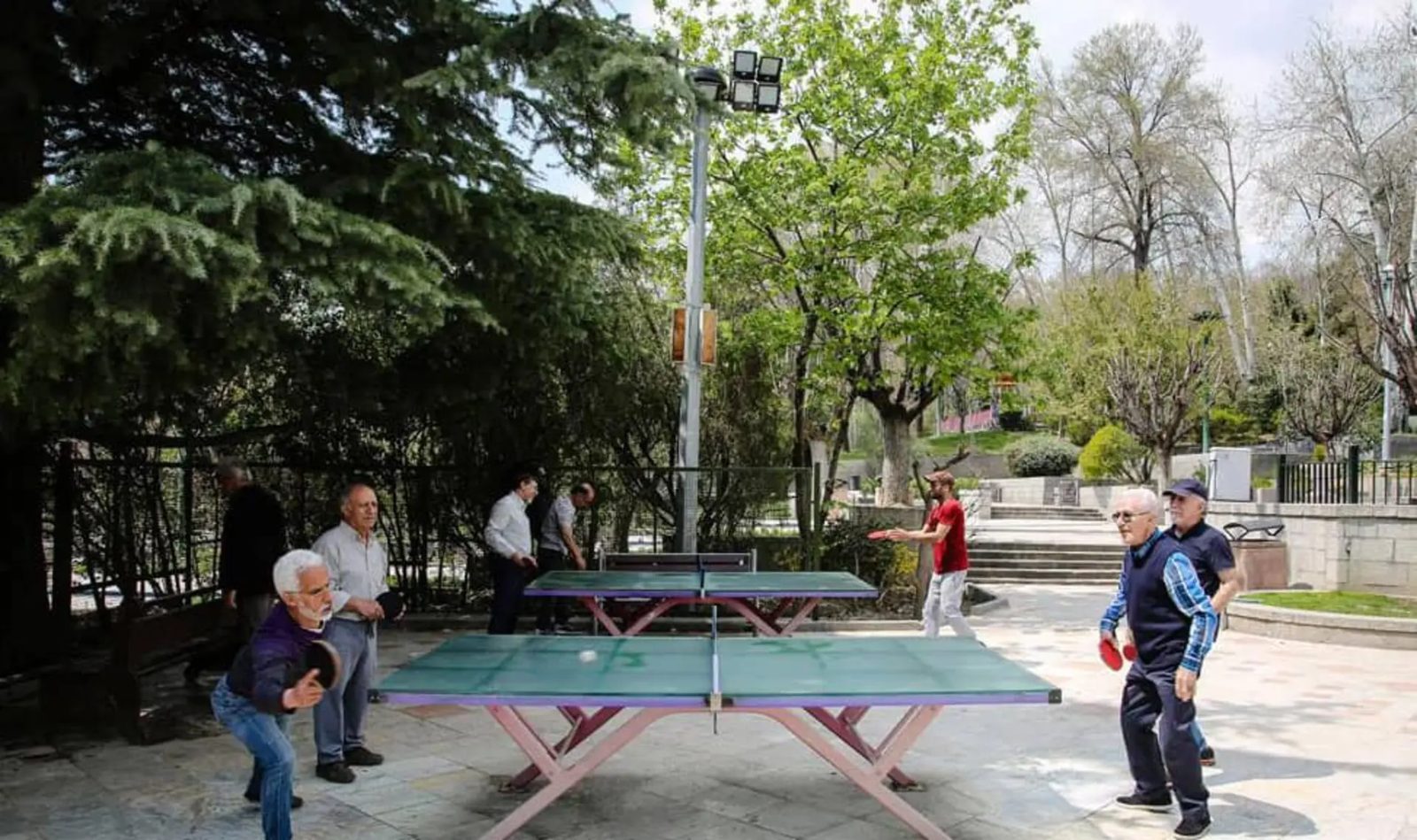
Niavaran is a public heritage site, so the standard Iranian dress code applies. Women should wear a headscarf and loose, covering clothing; a manteau or long tunic over trousers is comfortable and works well. Men should avoid shorts. Inside the museums, keep voices low, do not touch furnishings or objects, and follow any photography restrictions the staff mention at the door. The garden is a popular family space, especially on Fridays, so expect a relaxed, friendly atmosphere rather than a solemn one.
Pairing Niavaran with the rest of north Tehran
Niavaran is best treated as one stop in a north Tehran day rather than an isolated trip. A natural sequence is to start at Niavaran in the morning, walk through the garden and the main palace, then continue to Niavaran Park just south of the complex for a coffee and a stroll. From there, head to Tajrish Bazaar and the Imamzadeh Saleh shrine, both a short taxi ride away, for a very different flavor of north Tehran: crowded, devotional, and full of food stalls. If you have a full day and an interest in the Pahlavi period, Sa'dabad Complex is a separate site to the northwest, reachable by taxi, and it pairs well with Niavaran for a two-palace day. Darabad, further up the valley, offers a mountain-edge walk and the wildlife museum if you want nature after the museums.
For a more complete picture of what to see across the capital, see our Tehran guide and, if you are comparing royal sites, our article on Golestan Palace. Travelers planning their first days in Iran should also read what to wear in Iran and paying in Iran, both of which answer questions that come up the moment you arrive at a ticket window.
Practical notes for the visit
Allow two to three hours for the main palace, the garden, and one or two smaller museums; a full half day if you want to see everything that is open. Wear comfortable shoes, since the paths are uneven in places and there are steps between levels. Bring water, especially in summer, and a light layer in spring and autumn when the mountain air can be cool in the morning. Most of the site is outdoors, so check the weather before you go. If a particular building is your priority, call or check the official Niavaran website the day before, because restoration closures are common and can last months. The nearest metro is Tajrish on Line 1, and the last mile is easiest with Mehyar Taxi. If you are paying for tickets and a coffee afterward, keep your Mehyar wallet topped up so you are not hunting for an ATM in a neighborhood where foreign cards do not work.
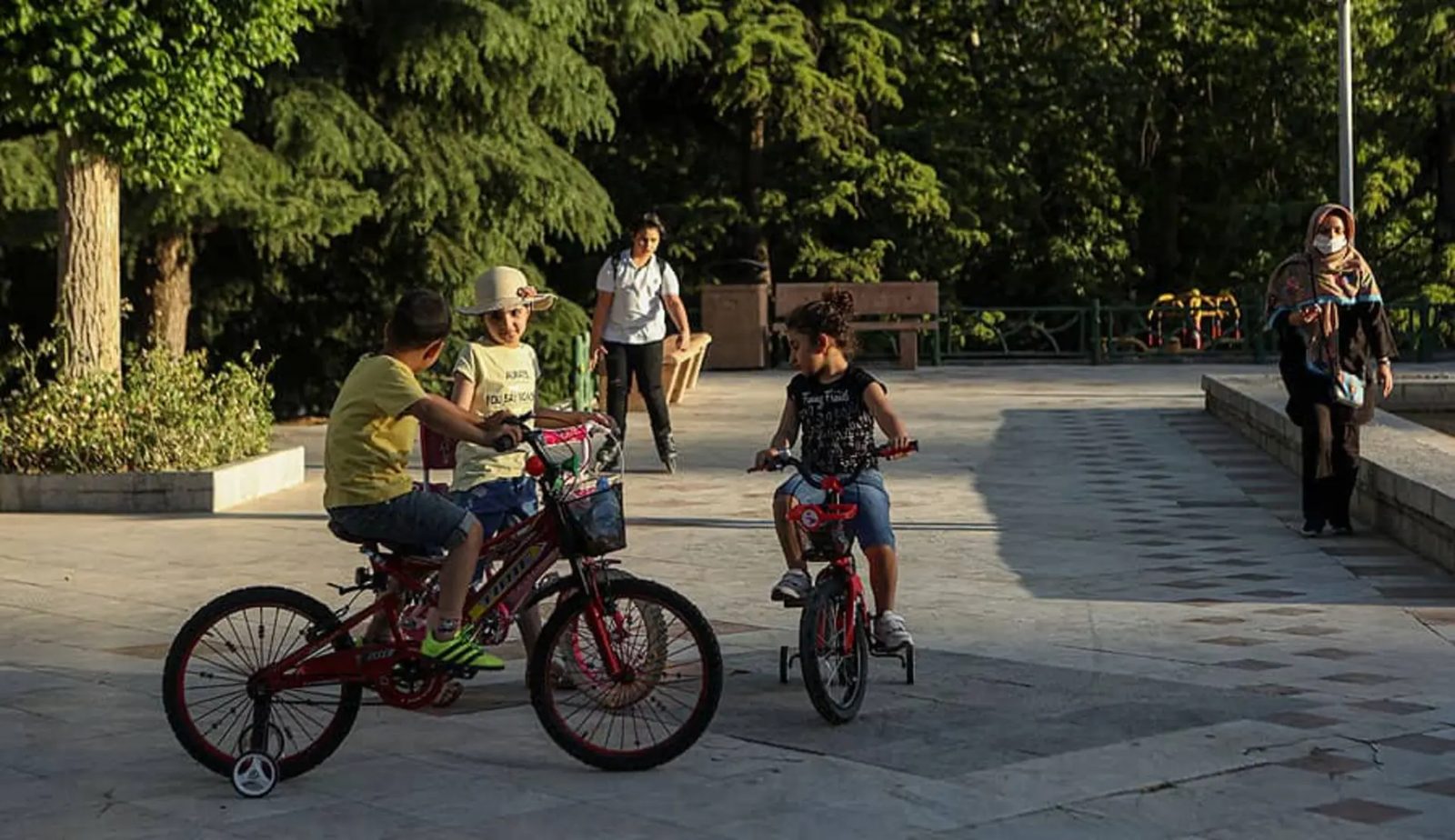
A quiet corner of royal Tehran
Niavaran rewards the traveler who arrives without a checklist. The main palace is the headline, but the garden, the smaller museums, and the mountain air are what make the visit memorable. Come in the morning, take your time between buildings, and let the city's noise stay at the gate. When you are ready to move on, open Mehyar, request a Taxi to Tajrish or Sa'dabad, and continue your day in the cooler, greener north of Tehran.