
Western Iran runs on water that most of the country never sees. In Ilam province, in the Zagros folds above the Iraqi frontier, springs come out of limestone and travel as clear, cold streams through gorges and cultivated floors, and for centuries that moving water did the work that fuel would later do. It turned millstones. The evidence survives as the old watermills of Ilam, Asiab-ha-ye Ābi-ye Qadimi-ye Ilam: the remains of dozens of stone millhouses scattered across the province's valleys, and, remarkably, a number of them are still in use today.
This is not a single monument with a plaque and a ticket booth. It is a family of working buildings, most of them unnamed on any map, some reduced to a wall and a wheel pit, others roofed, oiled and grinding. The one most often given as the address for visitors sits two kilometres west of the village of Kahreh, in the Hylelan district of Silvan county. Everything else is spread across the province in the places where water still runs hard enough to lift a millstone.

Why Ilam has so many mills
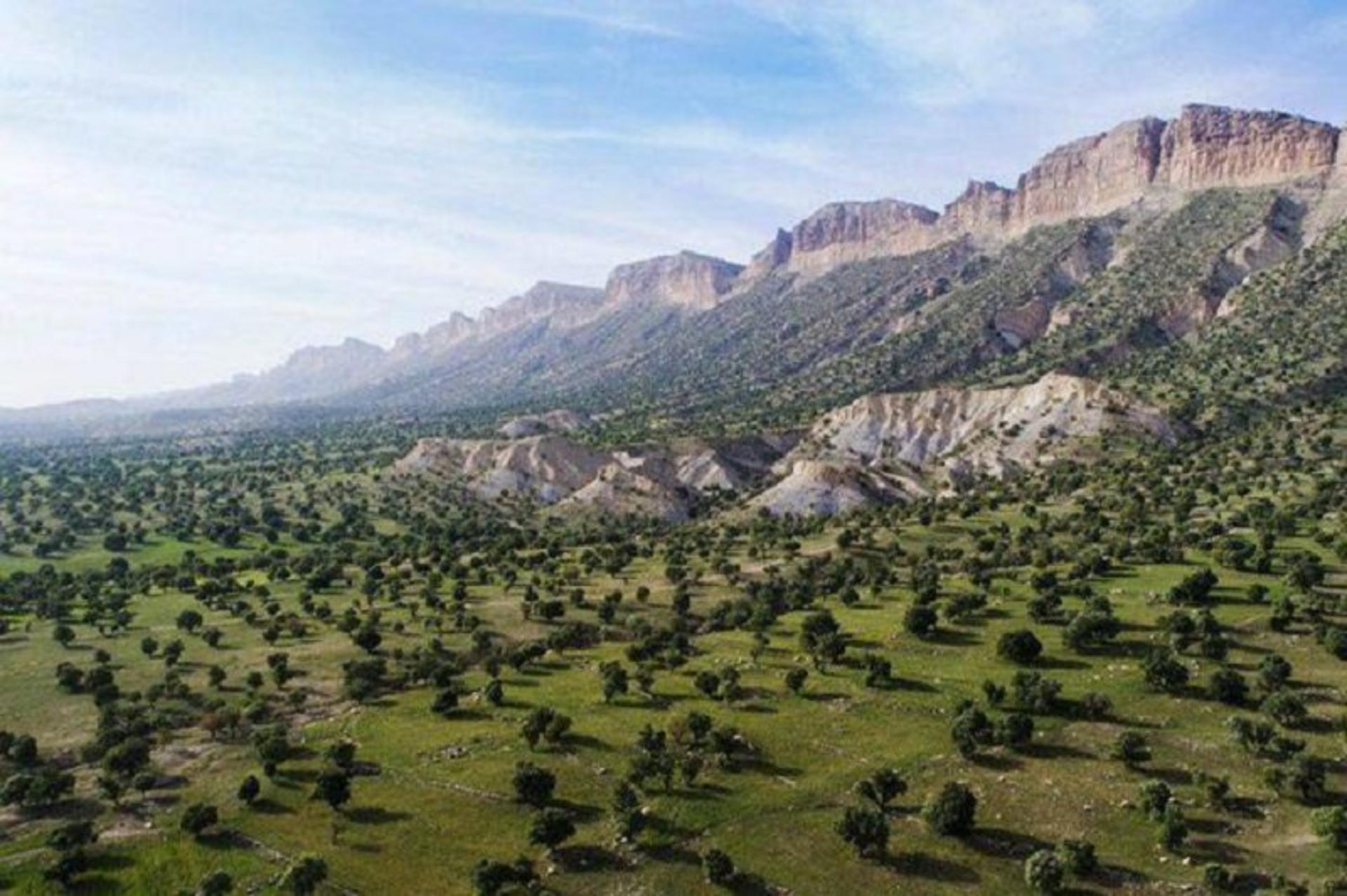
Ilam's geography explains the density. The province is Zagros mountain country cut by fast rivers and fed by springs, and its counties, Ilam itself, Darreh Shahr, Shirvan, Chardavol, Silvan, Hylelan, Chavar and Salehabad among them, each hold their own waterfall-fed farming pockets. Wheat and barley grown on terraced slopes have to become flour somewhere, and before rural electricity reached these valleys, the answer was wherever a stream could be diverted, dropped and channelled.
The mills are therefore vernacular engineering, not court architecture. A stone or earth channel takes water from the stream and carries it to a point above the wheel. The fall of that water drives the wheel, the wheel turns a shaft, and the shaft drives a millstone inside a small chamber, usually a squat stone room with a low door, built so that the grain can be carried in on a mule and the flour carried out in sacks. Because the flow of a Zagros spring rises and falls with the snowmelt, these mills were seasonal machines as much as permanent ones: busy in the weeks after the harvest, idle when the water dropped.
That rhythm is why the surviving ones are worth seeing. A concrete flour mill in a town does not tell you anything about village life in the Zagros. A wet stone chamber with a wooden wheel still wearing grooves does.
The mill near Kahreh
The site usually given for a visit is two kilometres west of Kahreh village, in Hylelan rural district, in Hylelan town of Silvan county. It is representative rather than exceptional: valley-side ground, a watercourse, and mill fabric close to the fields it served. Reaching it means getting to Hylelan first and then to the village, and once you are at Kahreh the last two kilometres are easy to walk or drive on local tracks.
The wider point is that this single location is a sample. The record of Ilam's historic mills lists dozens of them, named after the springs, the villages or the families that owned and worked them. Grouped by district, the important surviving names are these.
Around Ilam and Banu Lan: Qaba, Kazem Bege Tanureh Khan, Kolay, Chegavozneh, Yusef, Qobadbeg, Bavi Gomar, Gerian, Khandan and Nadrizh.
In the Cham Ab area: Musa, Helajabad and Cham Ab.
Around Chavar and Salehabad, Darreh Shahr, Shirvan and Chardavol: Dizleh, Cham Sard, Rahman, Cham Bur, Malekshahi, Mir Ekhtiyar, Buliha, Kuleh, Sarni, Mimneh, Gelan, Sheykh Makan and Sarab-e Kalan.
Some of those names mark buildings still operating, some mark ruins, and the list itself is a useful map of where water and grain once met in this province. If you want to see a wheel actually turning, the honest approach is to ask locally, at the village or the nearest tea house, which mill was last working and when, because the information changes with the season and with the miller.
Getting to the mills of Ilam
Ilam city is the hub, and the mills are scattered around it rather than clustered, so plan around one or two at a time rather than trying to tick off a list.
Flying or bus in. Ilam has an airport with domestic flights, and a bus terminal on the road in from Tehran. Reserve either leg with Mehyar Flights or Mehyar Buses before you travel, since western Iran is not densely served and last-seat pricing is not really the issue here; availability is.
By Mehyar Taxi for the day. Once you are in Ilam, the practical solution is a private car with a driver for the day. Book it through Mehyar Taxi from your hotel and give the driver the district you want, Hylelan and Kahreh if you want the site above, or the Darreh Shahr and Chardavol road if you want the spring-fed valleys further north. In this part of Iran app coverage thins out beyond the towns, so confirm the return pickup by phone before you leave the city and let the driver wait rather than promising a second collection.
Shared taxis and village cars. Beyond the county towns, movement is by shared taxi and pickup. This is exactly the kind of last mile no app covers. Your hotel desk or the drivers at the local terminal will arrange it, but budget time, not money.
Self-drive. The roads into Hylelan and along the Darreh Shahr corridor are drivable in normal weather, and mountain fog and rain on the passes are the main seasonal problems. Park at the village and walk the last stretch, since track gates and field access are informal and it is easy to block a farmer's route.
Hours, tickets and what to expect
Entry: free. These are open-air heritage structures, not a managed attraction.
How long to allow: one to two hours for a single mill, which is enough to walk around it, look into the wheel chamber and photograph the watercourse. Add the driving time generously.
Opening hours: none are published, because there is no gate. Some mills stand on private land or sit beside working fields, so treat the day and the season as your only schedule.
Facilities: assume none. No car park, no signage in English, no shop at the mill. Carry water and take back what you bring.
Condition: uneven. The province holds anything from a roofed chamber with a turning wheel to a low foundation wall in brambles, and no two visits are alike.
When to go
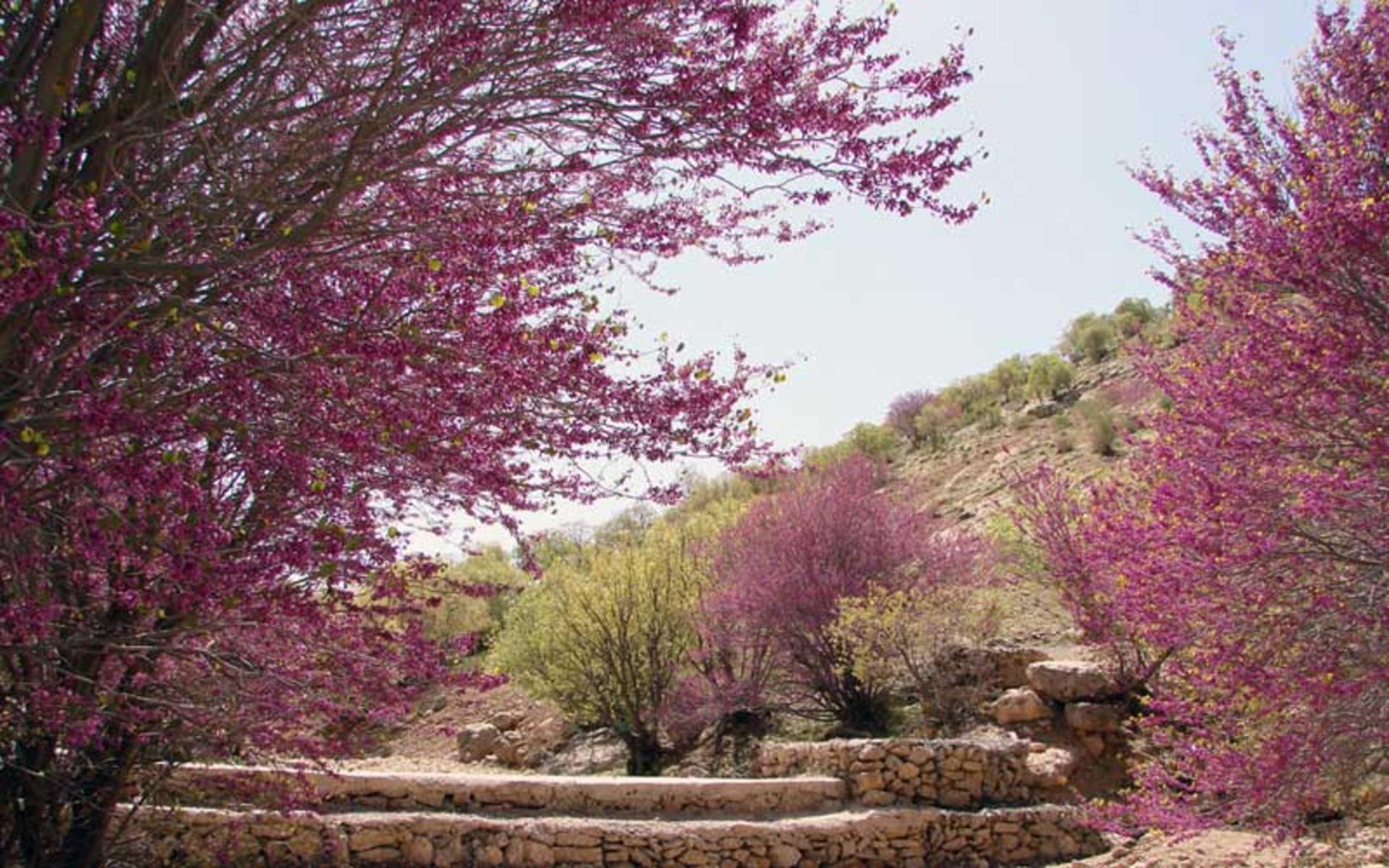
Go when the water is high and the grain has moved. Late winter and spring, when snowmelt is feeding the springs and the valley floors are green, is the best window both for photography and for the chance that a working mill is actually running. Late summer is when the flow drops and the mills go quiet, though the weather is then ideal for the mountain roads that lead to the more remote sites. Autumn is pleasant and empty, and the harvest season is when you are most likely to hear that a mill has been busy.
If you are travelling for Nowruz, when Iranians move in large numbers and the Zagros is at its wildest and greenest, book the intercity legs and the hotel well ahead and keep a driver on retainer, because nothing in this province runs on a timetable you can rely on at the last minute. See our guide to the best time to visit Iran for the wider calendar picture.
Visiting respectfully
A watermill that still grinds is a workplace, and a ruined one is often on land somebody's family still farms. Ask before you step inside a chamber, keep off the wheel and the timbers, and do not move stones or boards to get a better picture: the grooves and the wear are the whole point of the thing. If a miller is working and you want to watch, that is usually the beginning of a long and welcoming conversation, and tea will be involved.
The honest caveat
The published record on Ilam's watermills is thin. The province's mills are documented in lists of names and locations far more than in measured surveys, and there is no visitor centre, interpretation or coordinated trail that ties them together. That is a limitation for a traveller, and it is also the reason the subject is worth the effort: these are the surviving machines of a mountain economy, still beside the streams that built them, and as rural electricity spread, most Iranian watermills fell silent. Ilam has kept a few of them turning.
Pair the trip with the province's other Zagros attractions through our Ilam travel guide, and if you are assembling a western Iran route that includes the Kurdish highlands, do the driving legs in Mehyar where the app covers them and lock in a driver where it does not.