Shiraz has a way of working on you slowly. First it is the scent of orange blossom drifting through the gardens, then the easy laughter of people in the bazaar, and finally, the food. This is a city that takes pleasure seriously, where the table is a place for conversation as much as for eating. The cuisine here is distinct from the rest of Iran, shaped by the region's gardens and its long history as a crossroads. It is lighter, more aromatic, and often tinged with the sweetness of fruit and the sharpness of fresh herbs.
For the international visitor, the landscape of dining can feel both inviting and puzzling. Where do you find the real food, not just the hotel buffet? How do you pay when your home cards do not work? This guide is designed to answer those questions. We will walk through the signature dishes you should not miss, from the humble bowl of salad that bears the city's name to the delicate rosewater dessert that has cooled generations of travelers. We will also explain how to move between meals and gardens using Mehyar Taxi, and how to settle your bill with the Mehyar wallet, so that your only concern is whether to order one more plate of kebab.
Where Is Shiraz and Why Its Food Matters
Shiraz sits in a high valley in the Fars province of southwestern Iran, surrounded by the Zagros mountains. This geography has always defined its kitchen. The city is famous for its gardens, and those gardens produce the ingredients that make Shirazi food what it is: sour oranges, sweet lemons, mint, parsley, and the intoxicating blossoms of the bitter orange tree. The cuisine is a reflection of this abundance, a balance of fresh herbs, tart citrus, and gentle spices that never overpower the main ingredient.
Historically, Shiraz was a capital of Persia under the Zand dynasty in the eighteenth century, and its courtly traditions left a mark on the local table. But the food here is not palace food. It is home cooking, the kind you find in family kitchens and small restaurants tucked away in the old quarters. It is food that has been refined over centuries by people who understood that a good meal should leave you feeling light and content, not heavy.
How to Get Around and Pay: Your Practical Toolkit
Before we dive into the dishes, let us set up the practical side of eating in Shiraz. The city is spread out, and while some of the best food is in the bazaar area, many recommended restaurants are in different neighborhoods. The easiest way to move between them is with Mehyar Taxi. Open the Mehyar app, choose your destination, and a driver will come to you. This is especially useful after a long lunch when you would rather not navigate the bus system.
Paying for your meals is another thing to sort out. International credit and debit cards do not work in Iran, so you will need to rely on cash or a local payment solution. This is where the Mehyar wallet becomes essential. You can top up your wallet through the app, and then use it to pay at a growing number of restaurants and cafes that accept Mehyar. For places that are cash only, you can withdraw Iranian rials from an ATM using your Mehyar card if you have one, or exchange cash at a licensed exchange office. Always keep some small bills on hand for street food and tea houses.
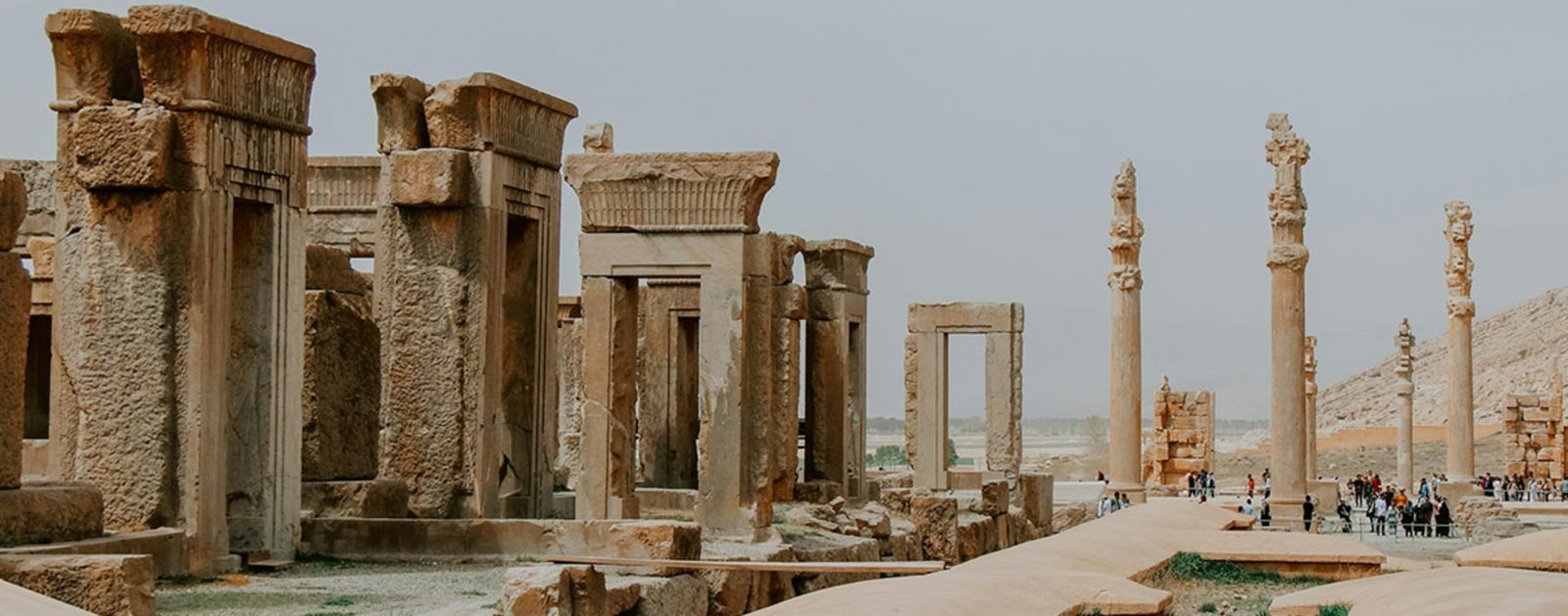
If you are planning to visit the major gardens or historical sites after your meal, you can book a Mehyar Taxi for the whole afternoon. This gives you the flexibility to eat where you want and then continue sightseeing without worrying about finding a ride back.
The Signature Dishes of Shiraz
Salad Shirazi: The Bowl That Defines a City
No meal in Shiraz is complete without a bowl of salad Shirazi. It is deceptively simple: finely diced cucumber, tomato, and red onion, dressed with fresh lime juice, olive oil, and a pinch of salt. Sometimes mint or parsley is added. What makes it special is the precision of the cut and the freshness of the ingredients. In Shiraz, this salad is not a side dish; it is a staple, served alongside almost every main course. The cool, tart crunch is the perfect counterpoint to the rich, savory stews and grilled meats that follow.
You will find salad Shirazi in every restaurant, from the humblest eatery to the most polished dining room. It is also one of the easiest dishes to make at home, and many travelers return from Shiraz with a new appreciation for the simple combination of lime and cucumber.
Faloodeh: The Rosewater Dessert That Cools the Soul
Faloodeh Shirazi is perhaps the most famous dessert in Iran, and it originated here. It is a frozen treat made from thin vermicelli noodles, sugar, and rosewater, often served with a squeeze of lime and sometimes with a scoop of traditional saffron ice cream. The texture is unlike anything else: slightly chewy, icy, and fragrant with the unmistakable aroma of rose. On a hot afternoon, after a walk through the Eram Garden or the bazaar, a bowl of faloodeh is a restorative experience.
The best faloodeh is found in the old ice houses and dedicated dessert shops around the bazaar and near the Hafez tomb. Some shops have been making it for generations, and you can watch as they mix the noodles with the rosewater syrup. It is a quintessential Shirazi experience.
Kebab and Rice: The Heart of the Iranian Table
While Shiraz is known for its lighter dishes, it also serves excellent kebab. The most common is koobideh, ground meat mixed with grated onion and spices, molded onto flat skewers and grilled over charcoal. It is served with saffron rice, grilled tomatoes, and sometimes a pat of butter. Another favorite is joojeh kebab, marinated chicken pieces that are grilled until golden and juicy.
In Shiraz, the kebab houses cluster around certain streets, especially in the area near the Vakil Bazaar and along the main avenues. Many of these restaurants are simple, with plastic chairs and paper tablecloths, but the food is honest and satisfying. Look for places where the grill is visible from the street and the smell of smoke draws you in.
Kalam Polo: The Rice Dish That Tastes Like Home
Kalam polo is a classic Shirazi rice dish made with cabbage, ground meat, and a blend of herbs and spices. The cabbage is cooked until soft and sweet, then layered with rice and meat. It is often served with a side of yogurt and salad Shirazi. The flavor is comforting and slightly sweet, a testament to the city's love of vegetables and herbs. It is a dish that appears on family tables and in traditional restaurants, and it is worth seeking out.
Ash-e Karde: A Winter Soup for the Soul
Ash-e karde is a thick, green soup made from a wild plant called karde, which grows in the fields around Shiraz. It is cooked with beans, lentils, and sometimes meat, and finished with fried onions and mint oil. The taste is earthy and slightly bitter, a flavor that is unique to the region. This soup is traditionally eaten on the night of Nowruz, the Persian New Year, but you can find it in specialty restaurants during the colder months.
Where to Eat: A Tour of Shiraz's Food Neighborhoods
The Bazaar and Vakil Area
The area around the Vakil Bazaar is the historic heart of Shiraz's food scene. Here you will find traditional tea houses, small restaurants serving kalam polo and other local dishes, and vendors selling faloodeh and other sweets. The Saraye Moshir, a historic caravanserai near the bazaar, has been converted into a food hall with several restaurants offering everything from kebab to traditional stews. It is a great place to sample a variety of dishes in one sitting.
Around Hafez Tomb
The area near the tomb of Hafez is popular with locals and tourists alike. There are several good restaurants here, including some that specialize in traditional Shirazi cuisine. After visiting the tomb, you can walk to a nearby restaurant and enjoy a meal while reflecting on the poetry you have just read. The faloodeh shops in this area are also excellent.
Modern Cafes and International Options
Shiraz has a growing cafe culture, especially in the northern part of the city near the university. Here you will find modern coffee shops serving espresso, cakes, and light meals. These are good options if you need a break from traditional food or want a quiet place to work. Some also offer Iranian breakfast items like omelets and fresh bread.
Pairing Food with Shiraz's Gardens and Sites
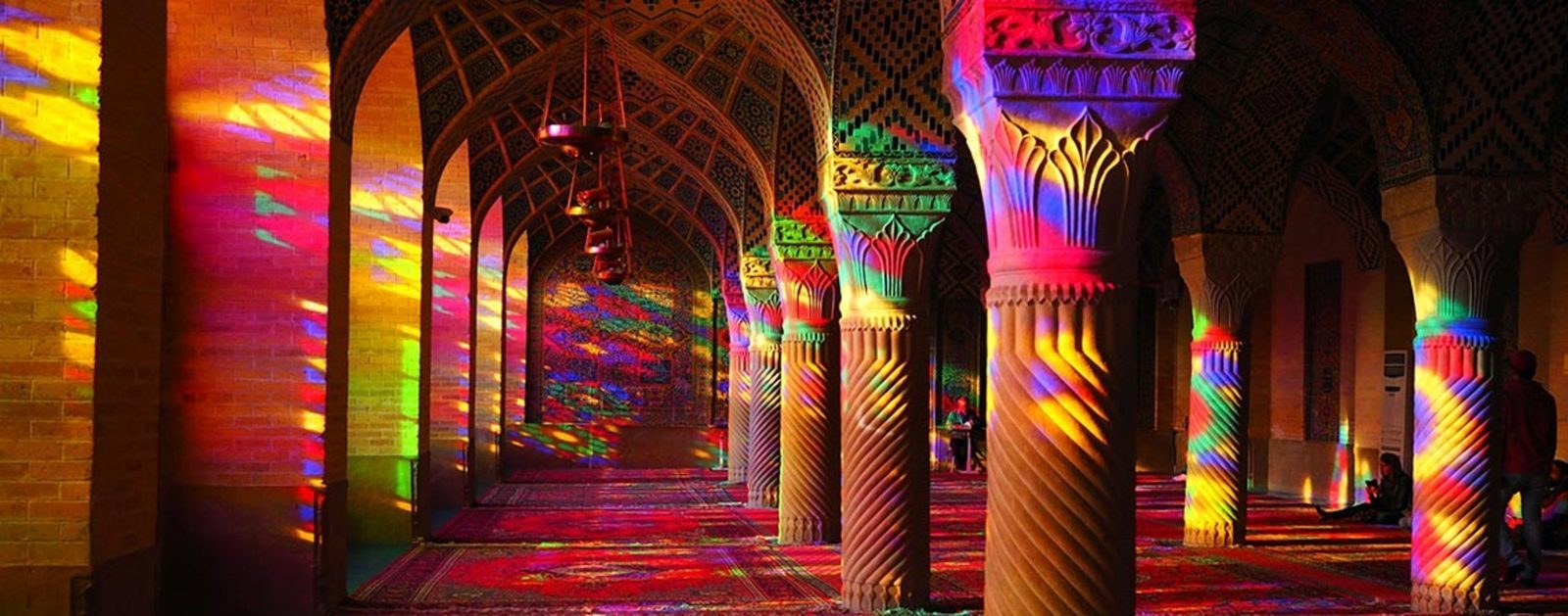
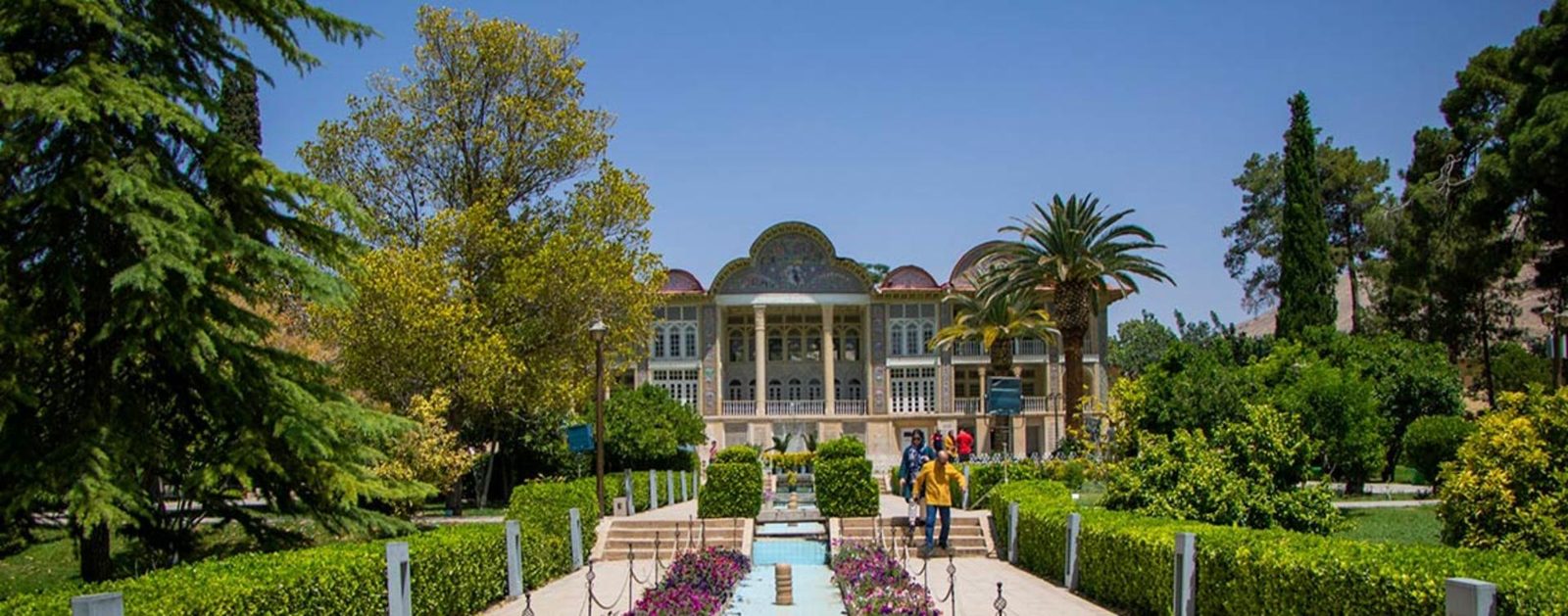
One of the great pleasures of Shiraz is that you can combine a meal with a visit to one of the city's famous gardens. A typical day might start with a visit to the Nasir al-Mulk Mosque in the early morning, followed by breakfast at a nearby cafe. Then you could take a Mehyar Taxi to the Eram Garden, spend a couple of hours exploring, and have lunch at a restaurant near the garden. In the afternoon, visit the Hafez tomb, and finish with faloodeh at a shop nearby.
The Afif Abad Garden, with its beautiful palace and orange groves, is another great spot. There are cafes inside the garden where you can sit and enjoy the view. The Jahan Nama Garden, near the Quran Gate, is smaller but equally charming.
For a full day of food and gardens, consider booking a Mehyar Taxi for the day. Your driver can take you from one garden to the next, and you can stop for meals whenever you like. This is a comfortable way to see the city at your own pace.
Tea Culture: The Rhythm of Shiraz
Tea is the lifeblood of social life in Shiraz. You will be offered tea everywhere you go: in shops, in offices, in homes. The traditional way to serve it is in a small glass, with a sugar cube or a piece of nabat (rock candy) on the side. You place the sugar cube between your teeth and sip the tea through it, or you stir it in with a spoon.
The tea houses of Shiraz are institutions. The most famous is the traditional tea house in the Vakil Bazaar, where you can sit on a raised platform, smoke a water pipe, and watch the world go by. Another popular spot is the tea house near the Hafez tomb, which has a lovely view of the city.
If you are invited to someone's home for tea, it is polite to accept. Tea is a gesture of hospitality, and refusing can be seen as a slight. During tea, you may be offered sweets, nuts, or fruit. It is a time to relax and talk.
Practical Notes: Cash, Tipping, and Dietary Needs
As mentioned earlier, paying for meals can be a challenge for international travelers. The Mehyar wallet is the most convenient solution, but you should also carry some cash for smaller establishments. Tipping is not mandatory but is appreciated, especially in nicer restaurants. A tip of around 10 percent is generous.
If you have dietary restrictions, it is helpful to learn a few phrases in Persian. For vegetarian travelers, the phrase "man giah-khar hastam" (I am a vegetarian) can be useful. Many dishes are naturally vegetarian, such as kashk-e bademjan (eggplant with whey) and mirza ghasemi (smoked eggplant with tomato and egg). However, some rice dishes may be cooked with meat broth, so it is always best to ask.
For those with gluten intolerance, note that bread is a staple, but rice dishes are generally safe. The main concern is cross-contamination, so it is wise to explain your needs clearly.
A Sample Day of Eating in Shiraz
To help you plan, here is a sample itinerary for a day of eating well in Shiraz.
Morning: Start with a visit to the Nasir al-Mulk Mosque at sunrise. Afterwards, have breakfast at a cafe near the mosque. Try an omelet with fresh bread and tea.
Late Morning: Take a Mehyar Taxi to the Eram Garden. Explore the garden and the Qavam House. Stop for a glass of fresh carrot juice or a bowl of faloodeh at a kiosk inside the garden.
Lunch: Head to the Vakil Bazaar area. Have lunch at Sharzeh Restaurant or a similar traditional eatery. Order kalam polo, salad Shirazi, and kebab.
Afternoon: Visit the Vakil Bath and the Vakil Mosque. Then walk through the bazaar and stop at a tea house for a glass of tea and a water pipe.
Late Afternoon: Take a Mehyar Taxi to the Hafez Tomb. Pay your respects and enjoy the view. Have faloodeh at a nearby shop.
Dinner: Dine at a restaurant near Hafez Tomb or in the northern part of the city. Try ash-e karde if it is available, or a hearty stew with rice.
Evening: Finish with tea at a cafe or a stroll through the bazaar.
Closing Thoughts
Shiraz is a city that rewards the curious eater. The food is not flashy; it is honest, fresh, and deeply connected to the land and the seasons. By using Mehyar Taxi to get around and the Mehyar wallet to pay, you can focus on the pleasure of discovery. Whether you are slurping faloodeh in a garden or sharing a plate of kebab with new friends, you will find that the flavors of Shiraz stay with you long after you leave.
For more on traveling in Iran, see our guides to Shiraz, Food in Isfahan, Food in Tehran, and Paying in Iran.