
The Bakhtiari nomads of Khuzestan represent one of the most ancient and enduring tribal communities in Iran, with a history of seasonal migration across the Zagros Mountains that stretches back thousands of years. This guide explores their culture, routes, and the challenges that are reshaping their way of life in the modern era.
Who are the Bakhtiari nomads?
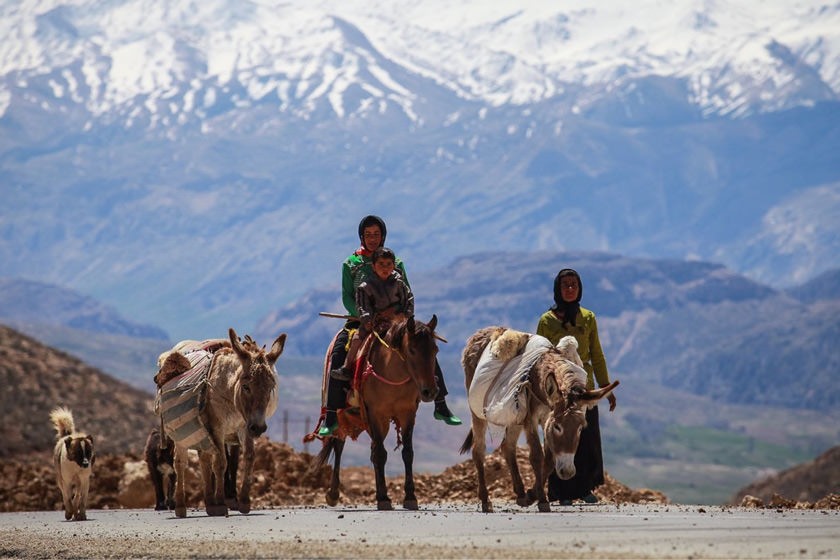
The Bakhtiari are a Lur tribe indigenous to the Zagros range, moving between the high pastures of Chaharmahal and Bakhtiari Province and the warmer plains of Khuzestan. For centuries, they have followed one of the most dramatic transhumance routes on earth, driving their flocks of sheep, goats, and horses across steep mountain passes and river valleys twice every year. In spring, they climb to the cool, grass-rich heights near villages like Chelgerd, where the Zagros peaks still carry snow well into May. By late autumn, they descend to the oil-rich lowlands of Khuzestan to graze through the mild winter months.
Their migration paths were carved over millennia, long before motorised transport, and the routes remain woven into the collective memory of every Bakhtiari household. Each family knows the river crossings, the resting places, and the grazing grounds by heart, passing that knowledge from parent to child in much the same way they pass down their woven carpets and oral poetry.
A life shaped by the seasons
The seasonal rhythm of the Bakhtiari defines nearly every aspect of their existence. When spring arrives and the highland meadows burst into green, families pack their belongings onto mules and horses and begin the ascent. Women play a central role in this migration, managing the animals, weaving tents and carpets, collecting water from distant wells, and preparing food over open flames before dawn. Men tend the flocks, guard against predators, and negotiate pasture rights with landowners along the route.
By late autumn, the reverse journey begins. The descent into Khuzestan is often the more difficult leg, because the weather can turn suddenly. Storms and cold rain have been known to catch families mid-route, soaking their black goat-hair tents and scattering the animals. In recent decades, hired pickup trucks have replaced some of the animal transport, but the core of the journey remains on foot and on horseback, just as it has for generations.
Traditions, customs, and social structure
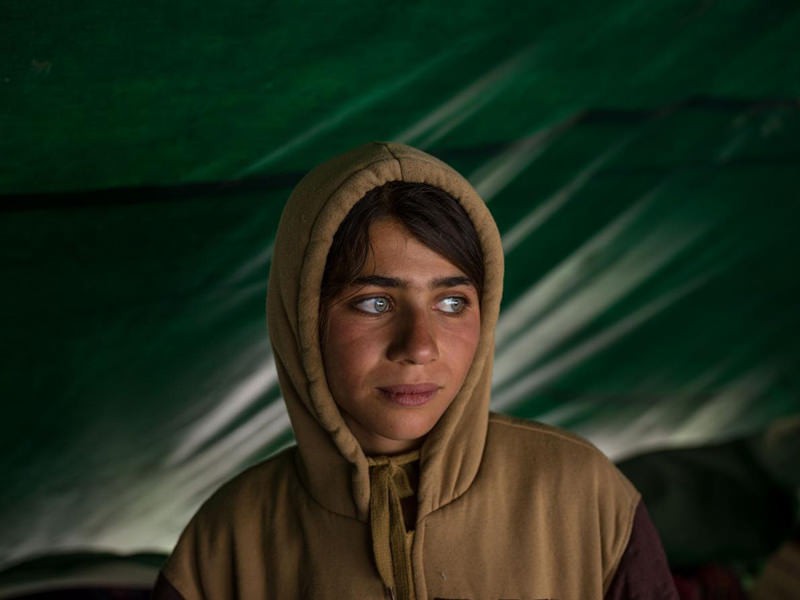
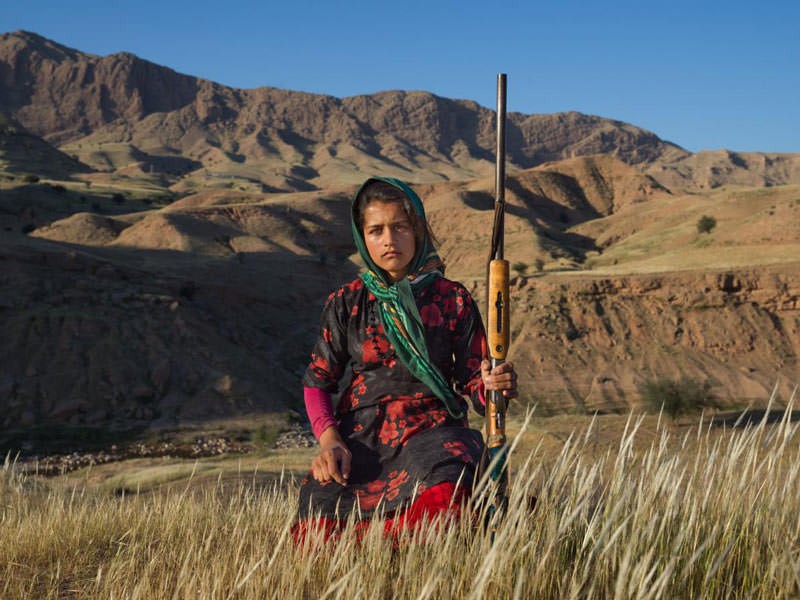
Bakhtiari society is deeply patriarchal on paper, yet women hold enormous practical authority in daily life. Women ride horses, carry firearms by family tradition, and manage the household economy, including dairy production and carpet weaving. When a woman gives birth to a son, her husband may present her with a rifle as a gift, a custom that surprises many outsiders. Inheritance laws follow the national code, but in practice daughters rarely claim their share, yielding it to their brothers in accordance with tribal custom.
Music and storytelling are central to social life. The ney (flute) and the dotar (two-stringed lute) accompany evening gatherings around the fire. Oral history, genealogy, and epic poetry are recited from memory, linking each family to the broader Bakhtiari confederation and, further back, to the legendary rulers of ancient Persia.
Marriage ceremonies are community affairs. Young people may meet during migration or at regional markets, but families are closely involved in the arrangement. Dowries typically include livestock, handwoven textiles, and household goods, and the celebrations can last several days with music, dancing, and feasting.
The craft of weaving and daily work
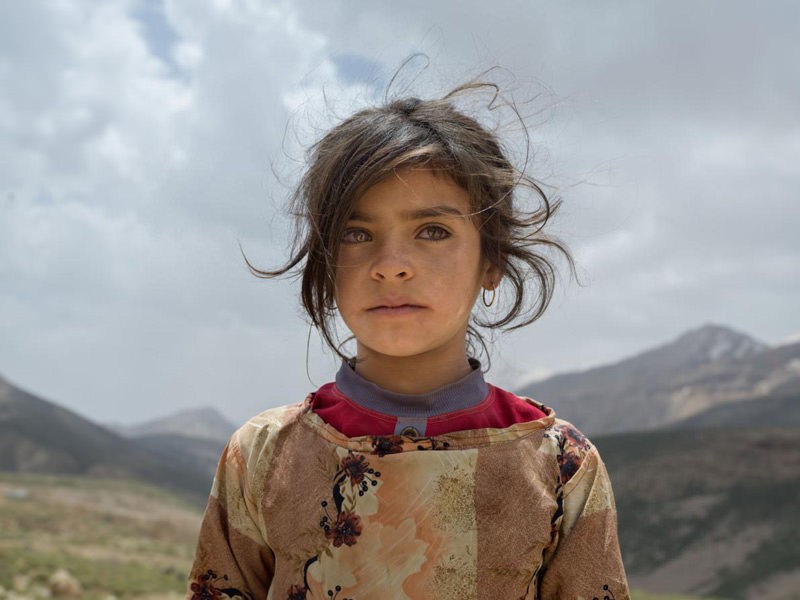
Bakhtiari women are among the finest weavers in Iran. Their carpets and flat-weave kilims feature bold geometric patterns in deep reds, blues, and browns, using wool from their own flocks and dyes made from plants and minerals found along the migration route. Weaving is not merely a pastime but a vital source of income. When families settle near towns, the sale of handwoven goods often provides the only cash revenue available to women.
Daily work begins before sunrise. Women draw water from wells or pipelines, bake bread on portable griddles, prepare tea, and tend to the animals. Men move the flocks to fresh grazing, repair tents and equipment, and trade in nearby markets when opportunity arises. Children help from a young age, learning to ride, herd, and weave alongside their elders.
Pressures and change in the modern era
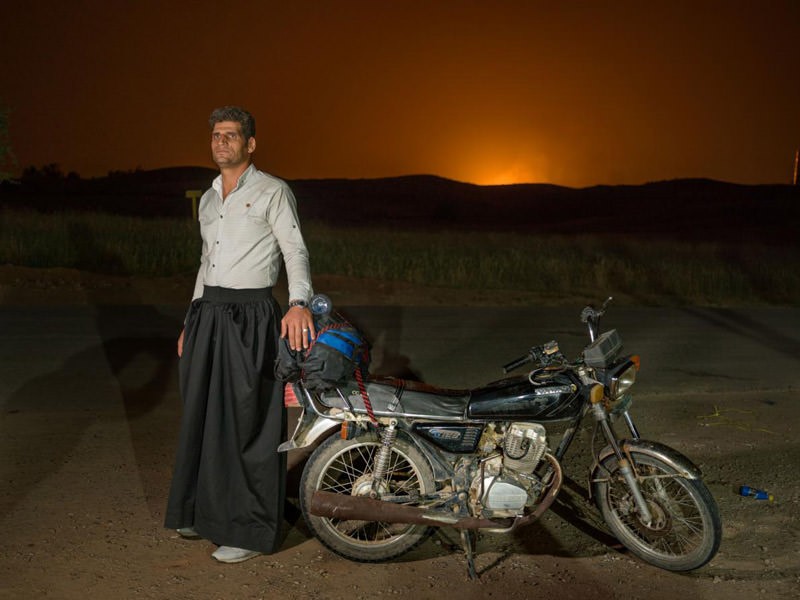
The Bakhtiari population was once estimated at around one million across Iran, but the number of full-time nomads has been declining for decades. Several forces are converging to accelerate this trend. Repeated droughts have dried up rivers and shrunk the lakes that once supplied water along the migration route. Dust storms, driven by degraded farmland and falling water tables in Khuzestan, turn the sky orange and make grazing difficult. Industrial development, road construction, and dam building have blocked or narrowed traditional paths that herders have used for centuries.
Perhaps the most powerful force, however, is education. Many families now want their children, especially their daughters, to attend school. The nomadic lifestyle makes regular schooling nearly impossible, so parents who can afford it settle in towns during the academic year. Boarding schools such as the Bibi Maryam residential school in Khuzestan accept nomadic children during term time, but the two-hour daily commute from remote camps is exhausting, and some families choose to abandon migration entirely rather than keep their children away from a classroom.
What it means to be the last generation
Many older Bakhtiari acknowledge that they may represent the final chapter of a way of life that once spanned the entire Zagros. One elder, who has camped in the same spot his ancestors used two hundred years ago, says simply that when his generation passes, the life will pass with it. His eight children have all moved to cities, sold their flocks, and settled into houses. His wife sleeps under three blankets on cold mountain nights and wonders aloud why she ever endured it.
Yet pride endures. The Bakhtiari trace their lineage to the ancient kings of Persia and see themselves as custodians of a heritage that predates Islam by millennia. Their clothing, language, music, and social codes remain distinct from the surrounding population, and visitors who encounter them during migration are struck by a dignity and self-reliance that modern life rarely demands.
Visiting Bakhtiari communities
Travellers interested in experiencing Bakhtiari culture should plan their visit around the migration windows. Late spring, from April to early June, is the best time to find families in the highland pastures near Chelgerd and the Zagros slopes. The autumn descent into Khuzestan typically runs from October through December, and spotting caravans on the mountain roads during this window is unforgettable.

Respect is essential. These are private families going about their daily lives, not tourist attractions. Always ask permission before photographing people, and bring a small gift such as tea, sugar, or bread as a gesture of goodwill. Hiring a local guide from Shahr-e Kord or Izeh is strongly recommended, as many camps are remote and not marked on standard maps.
For accommodation, there are no hotels near the migration routes. Nomad families sometimes welcome guests into their tents for a meal or an overnight stay, but this is by invitation only. Carry your own supplies, including water, food, warm clothing, and a first-aid kit. Mobile coverage is patchy at best, so do not rely on your phone for navigation or emergency contact in the highlands.
Mehyar can help you arrange transport to the staging towns of Shahr-e Kord and Izeh by bus or taxi, and local drivers familiar with the tribal areas can take you closer to the camps. Combining a Bakhtiari visit with a broader exploration of Khuzestan gives you the chance to see the lowland grazing grounds, the archaeological sites of Susa and Chogha Zanbil, and the vibrant city of Ahvaz along the way.
Preserving a living heritage
The story of the Bakhtiari nomads is not simply one of decline. Across Iran and internationally, cultural organisations and documentary filmmakers have brought new attention to nomadic traditions. Younger Bakhtiari who have moved to cities are using social media to share their heritage, posting videos of traditional music, weaving techniques, and migration journeys. Some families maintain a dual life, keeping a house in town for the school year and returning to the tents whenever they can.
Whether this hybrid existence can sustain the culture for another generation is uncertain. What is clear is that the Bakhtiari have survived conquests, famines, and political upheavals for thousands of years, and their resilience is woven into every thread of their carpets and every verse of their songs. For the traveller willing to venture off the paved roads and into the mountains, an encounter with the Bakhtiari is one of the most moving experiences Iran has to offer.