
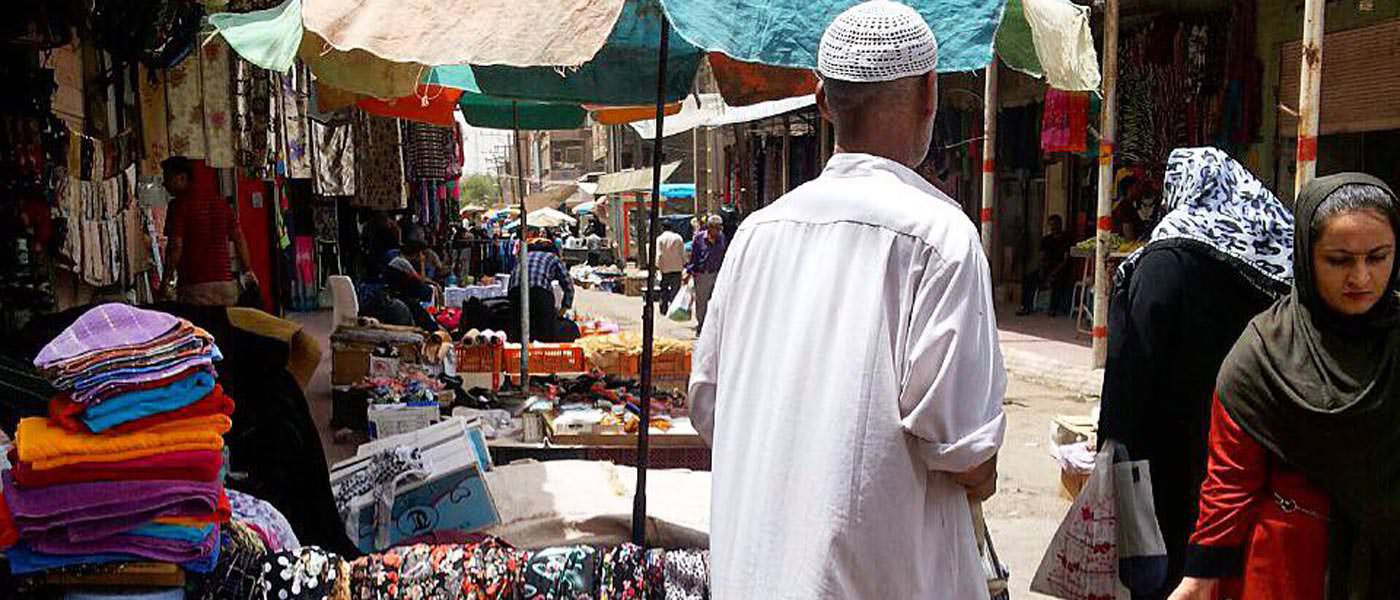
Most Iranian cities have an old bazaar that carries the memory of centuries. Ahvaz has three, each from a different era and each with a character of its own. Abdolhamid Bazaar, the oldest, was once the glittering shopping centre of Qajar-era Khuzestan, where the elite bought silk and spices in the shadow of Sheikh Khaz'al's caravanserai. Imam Khomeini Street, the former Pahlvi Street, still thrives as a covered brick market for clothing and imported goods. And Kaveh Street is where the aromas of the Persian Gulf meet the Khuzestani table: fresh shrimp, date syrup, aromatic spices, and the best sweets this side of the Persian Gulf. All three sit in the eastern half of Ahvaz, on the same bank of the Karun River where the city was born, and walking between them is a short journey through more than a century of southern Iranian commerce.
Where are the old bazaars of Ahvaz?
Ahvaz is the capital of Khuzestan Province in southwest Iran, built along the Karun, Iran's most voluminous river. The river divides the city into an eastern half, where the old bazaars and city centre sit, and a western half of newer development. The three historic markets are all within walking distance of each other in the eastern commercial core, between the river and the main north-south streets.
Ahvaz is 881 kilometres from Tehran by road, a journey of roughly ten hours by car or an overnight bus. By air, Ahvaz Airport connects to Tehran and other major Iranian cities. The old bazaars are accessible from any point in the city by a short ride.
Abdolhamid Bazaar: the oldest market in Ahvaz
The oldest of the three is Abdolhamid Bazaar, tucked into Nezami Street (also known as Nazripour) between Naderi Street and Imam Khomeini Street. This is a Qajar-era market that was once the commercial jewel of Ahvaz, the place where the wealthy of the region came for their finest purchases. The bazaar takes its name from Abdolhamid, one of the sons of Sheikh Khaz'al, the Arab ruler of the Banu Ka'b tribe who governed Khuzestan under the Qajars.
Sheikh Khaz'al rose to power through a combination of tribal alliances and the enormous wealth generated by the region's date palm plantations. He maintained a close relationship with the British during the First World War and ruled Khuzestan with considerable autonomy. After the constitutional revolution, his power grew further as he defeated rival tribes and consolidated control over the province's trade routes. When Reza Shah came to power, Sheikh Khaz'al initially refused to recognise the new ruler and stopped paying Khuzestan's taxes to the central government. Reza Shah marched south, reached an agreement, and eventually brought the sheikh to Tehran, where he was killed years later.
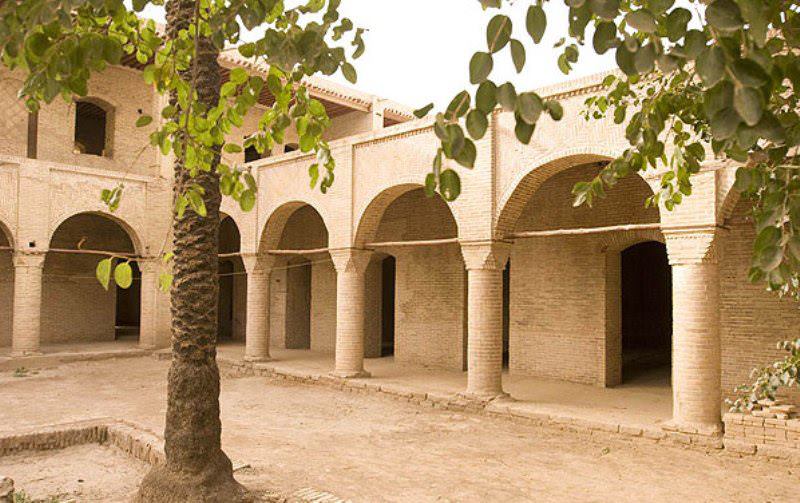
The physical legacy of that era survives in the bazaar's most striking structures. Sheikh Khaz'al Caravanserai, a merchant inn from the Qajar period, still stands within the bazaar complex. Nearby, Dadres House, one of the few remaining residential buildings from the Qajar era in Ahvaz, testifies to the wealth that flowed through this market. In 2003, the bazaar was registered on Iran's National Heritage List.
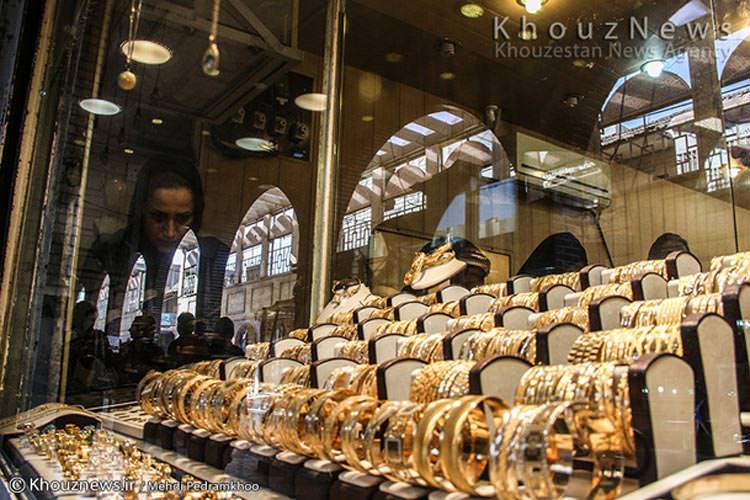
Today, Abdolhamid Bazaar has lost much of its former grandeur. The narrow lanes that once saw the city's aristocracy now host budget sellers and street vendors offering clothing, gold and jewellery, keffiyehs, Arabic dress, and traditional coffee dallahs. It is a market of bargains and memories rather than luxury, but the atmosphere is authentic and the architecture worth the visit. The writer Ahmad Mahmoud immortalised this bazaar in his short story collection, and the literary connection adds another layer for visitors who enjoy Iranian fiction.
Imam Khomeini Street: the market that still thrives
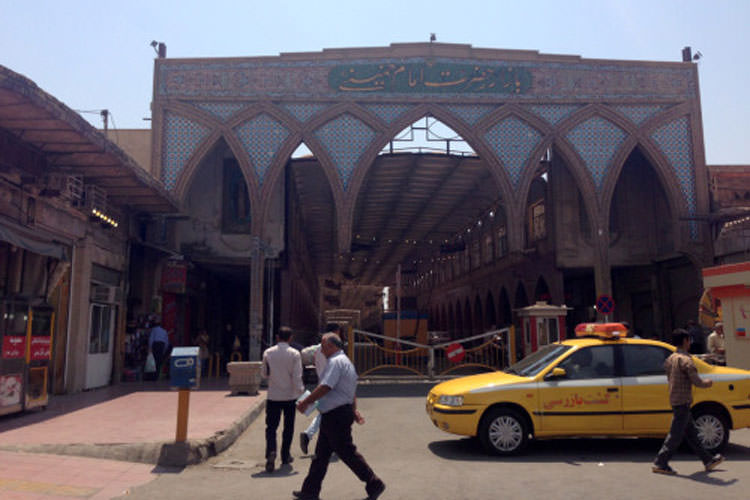
If Abdolhamid Bazaar is a faded aristocrat, Imam Khomeini Street is the market that never stopped working. This is the former Pahlvi Street, dating from the Pahlavi era, and its brick-faced buildings have been renovated and converted into a covered market in recent years. The street runs through the centre of Ahvaz, between Shariati Street (known locally as the 30-Metre Street) and Azadegan Street (the 24-Metre Street).
The architecture is distinctly Pahlavi: red brick facades, arched passages, and a covered layout that shields shoppers from the fierce Ahvaz sun. Unlike Abdolhamid, this market is still bustling. It remains one of the main shopping destinations for clothing, toys, and imported goods in Ahvaz. On any given afternoon, the covered passages are crowded with families browsing the shops, and the air carries the mix of commerce and conversation that has defined this street for nearly a century.
Kaveh Street: the food lover's market
Kaveh Street is where Ahvaz feeds itself. This Pahlavi-era market street runs between Taleghani Street and Imam Khomeini Street in the city centre, and it is the place to come for the flavours of Khuzestan. The first thing you notice is the smell: fresh fish and shrimp from the Persian Gulf, laid out on ice in stalls that have been doing this for generations. Khuzestan's rivers and coastline make seafood a daily staple, and Kaveh Street is where the catch arrives.
Beyond the fish stalls, the street is a parade of Khuzestani specialties. Date products dominate: klalcheh (local cookies), dates, rutab (fresh soft dates), date syrup, tahini, halvah, and halvah ardeh, all of excellent quality. The pickle sellers offer an array of spicy condiments that reflect the southern Iranian love of heat in food. The spice stalls carry the fragrant blends used in southern dishes such as sambouseh and falafel, and you can buy the specific spice mix for pickling and for the region's signature seafood preparations.
If you are travelling through Ahvaz, Kaveh Street is where you stock up on edible souvenirs and taste the food that defines this corner of Iran. Fresh tropical fruit, in season, is another reason to visit: the markets here carry produce that you will not find in Tehran or Isfahan.
How to get there
The old bazaars are in the heart of Ahvaz, on the eastern bank of the Karun. Getting to Ahvaz is straightforward from most Iranian cities.
By air. Ahvaz International Airport receives flights from Tehran, Mashhad, Shiraz, and other major cities. From the airport, a Mehyar Taxi ride to the city centre takes about twenty minutes.
By Mehyar Buses. Ahvaz has a major bus terminal with connections to nearly every Iranian city. The overnight bus from Tehran takes roughly ten hours. From the terminal, take a Mehyar Taxi to the bazaar district.
By car. Ahvaz is on the north-south freeway network. From Tehran, take the Isfahan-Ahvaz freeway south, roughly 881 kilometres and ten hours of driving. From Isfahan, the road continues south through Behbahan and then into the Khuzestan plain.
On the ground. Once in Ahvaz, the three old bazaars are within walking distance of each other. Open Mehyar and choose Taxi for rides between your hotel and the bazaar district. The area is flat and walkable, though in summer the heat makes short rides preferable.
When to visit
Ahvaz is one of the hottest major cities in Iran. Summer temperatures regularly reach fifty degrees Celsius, and the humidity from the Karun and the nearby Persian Gulf makes it feel even hotter. The old bazaars, with their covered passages and narrow lanes, offer some relief, but visiting in summer requires planning your outings for early morning and evening.
The best time to visit is from late autumn through early spring. November through March brings mild, pleasant weather, with daytime temperatures in the low twenties and cool evenings. This is when the bazaars are most comfortable and the Karun riverfront comes alive with evening strollers. April and October are transitional months that can still be warm but are manageable.