
Walk through the covered arcades of Abdulhamid Bazaar on a warm Ahvaz morning, and you step into a world that has changed little since the Qajar dynasty ruled Iran. The brick vaults above your head have sheltered merchants and shoppers for well over a century. The scent of cardamom and turmeric drifts from spice stalls, the murmur of bargaining echoes off the walls, and the occasional clink of gold in a jeweller's window reminds you that this was once the trading floor for Khuzestan's wealthiest families. Abdulhamid Bazaar is not just a market; it is the oldest surviving commercial complex in Ahvaz, a registered national heritage site, and one of the most atmospheric places to visit in southern Iran.

Where is Abdulhamid Bazaar?
The bazaar sits in the central district of Ahvaz, the capital of Khuzestan province in south-west Iran. Its address is on Nezami Street (also known as Nazeripour Street), between Naderi Street and Imam Khomeini Street. This location places it within walking distance of the Karun River promenade, the White Bridge (Pol-e Sefid), and several other Qajar-era landmarks, including the Nafisi House and the Dadras House. Ahvaz itself is a major city of about 1.3 million people, situated on the banks of the Karun, Iran's only navigable river, which has been a commercial artery for millennia.
The bazaar's central position means it is easy to combine with other sights in old Ahvaz. You can walk from the bazaar to the riverfront in ten minutes, and the historic bridges and houses of the Qajar period are all within a short taxi ride.
A brief history
Abdulhamid Bazaar dates to the Qajar period (1789 to 1925), an era when Ahvaz was transforming from a regional trading post into a major commercial centre. The Karun River had long been a route for goods moving between the Persian Gulf and the Iranian plateau, and Ahvaz sat at a key point along this route. During the Qajar era, the city's merchants built covered bazaars to protect their goods from the extreme heat and humidity of the Khuzestan summer, and Abdulhamid Bazaar was among the most important of these.
In its heyday, the bazaar was the preferred shopping destination for the region's wealthy families. They came here to buy spices imported from India and the Gulf, textiles from Isfahan and Kashan, gold jewellery crafted by local artisans, and household goods from across Iran. The bazaar was not just a place of commerce; it was a social hub where news travelled, deals were struck, and the economic life of southern Iran was conducted.
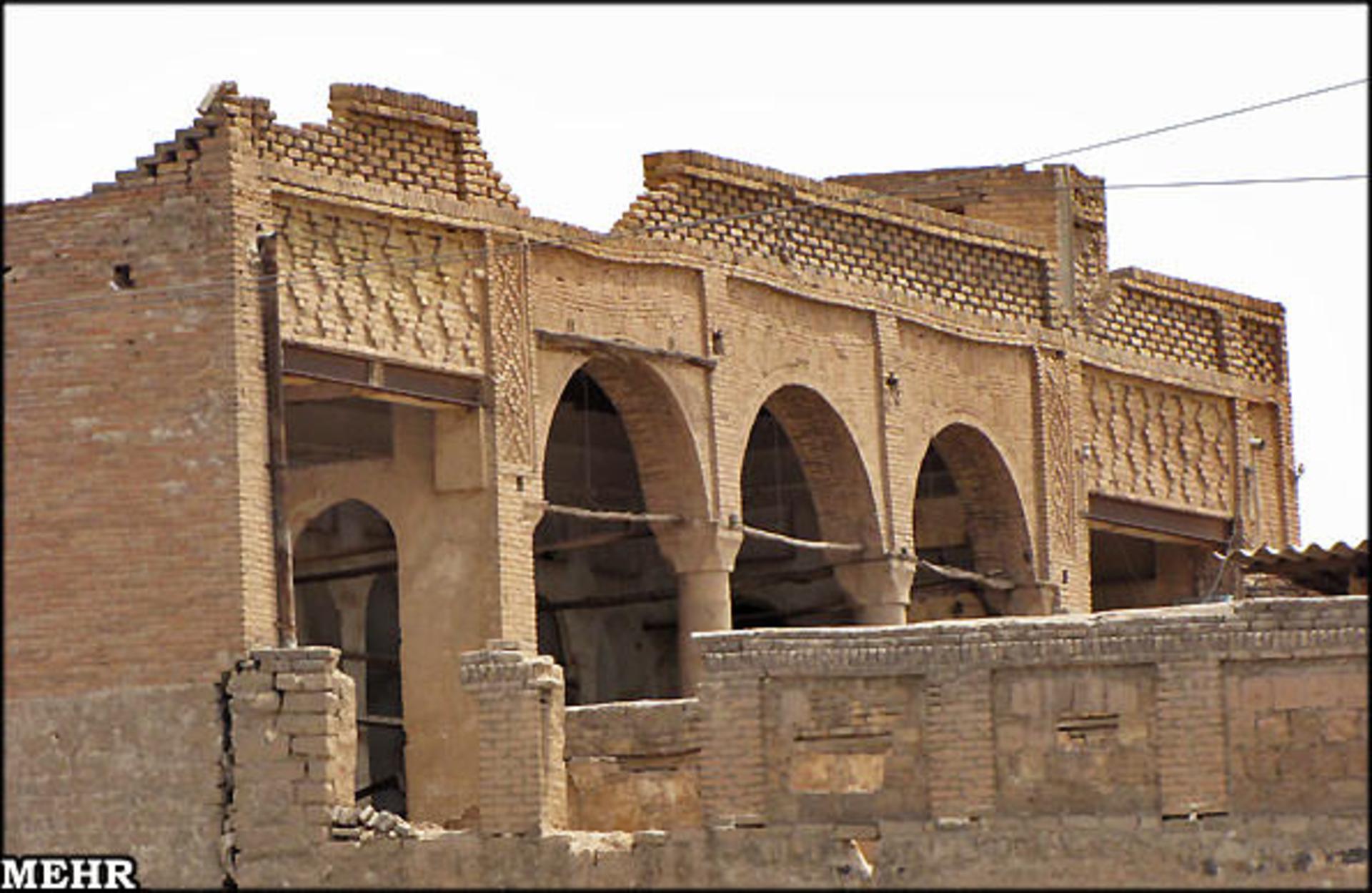
The bazaar was officially registered on Iran's National Heritage List in 2003 (1382 in the Iranian calendar), recognising its architectural and cultural significance. Today, it remains a functioning market, though the goods have shifted somewhat to reflect modern demand.
The Dadras House
One of the most notable features of Abdulhamid Bazaar is that it contains the Dadras House (Sara-ye Dadras), one of the surviving Qajar-period residences in Ahvaz. The Dadras House is architecturally similar to the more famous Nafisi House, another Qajar-era mansion in the city, and it offers a glimpse into the domestic life of Ahvaz's merchant class during the 19th century.
The house features the typical elements of Qajar architecture in Khuzestan: thick brick walls to insulate against the heat, interior courtyards for ventilation, and decorative elements that reflect the wealth and taste of the family who built it. Visiting the Dadras House is part of the bazaar experience, and it adds a residential dimension to what is otherwise a commercial space.
What to buy and what to expect
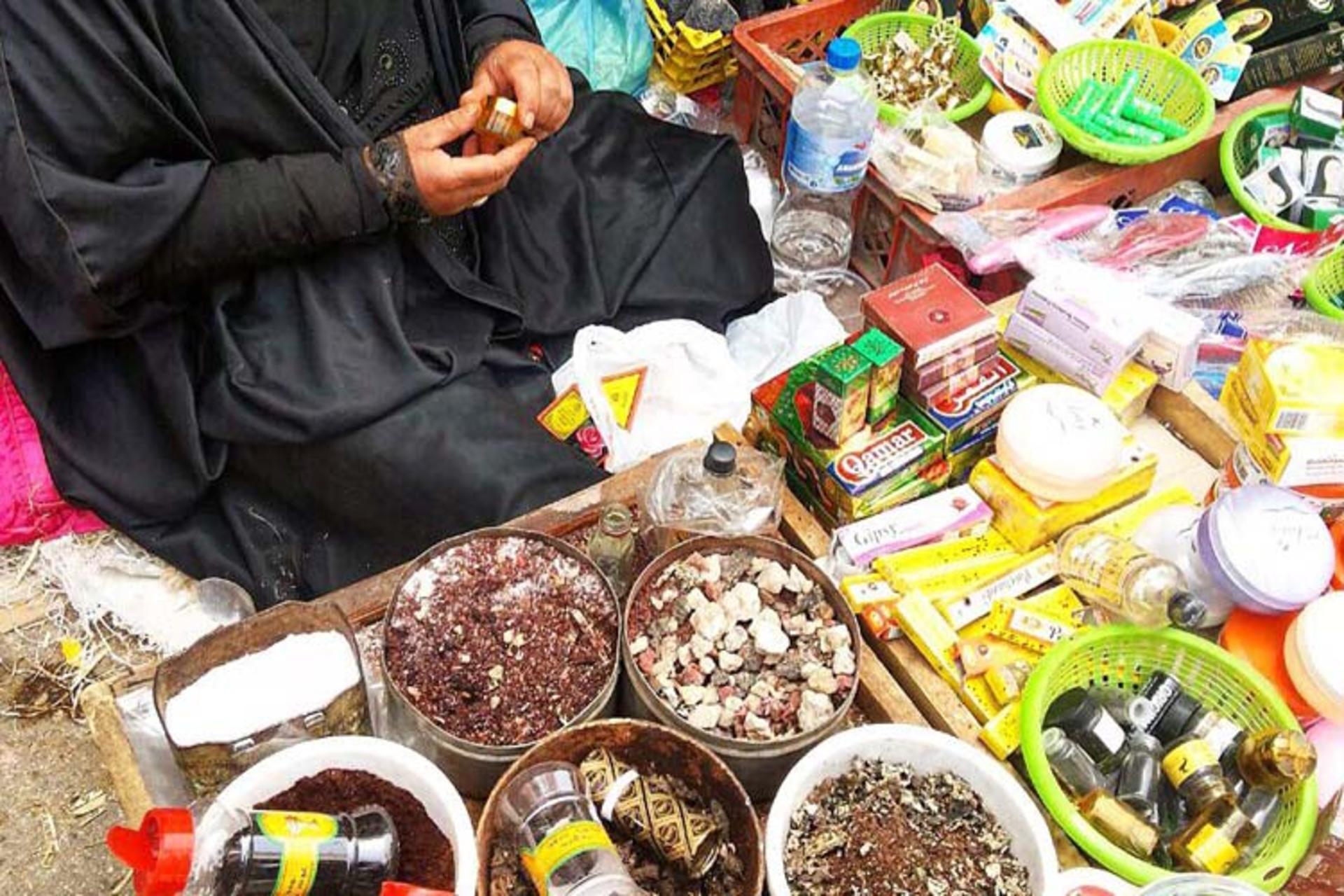
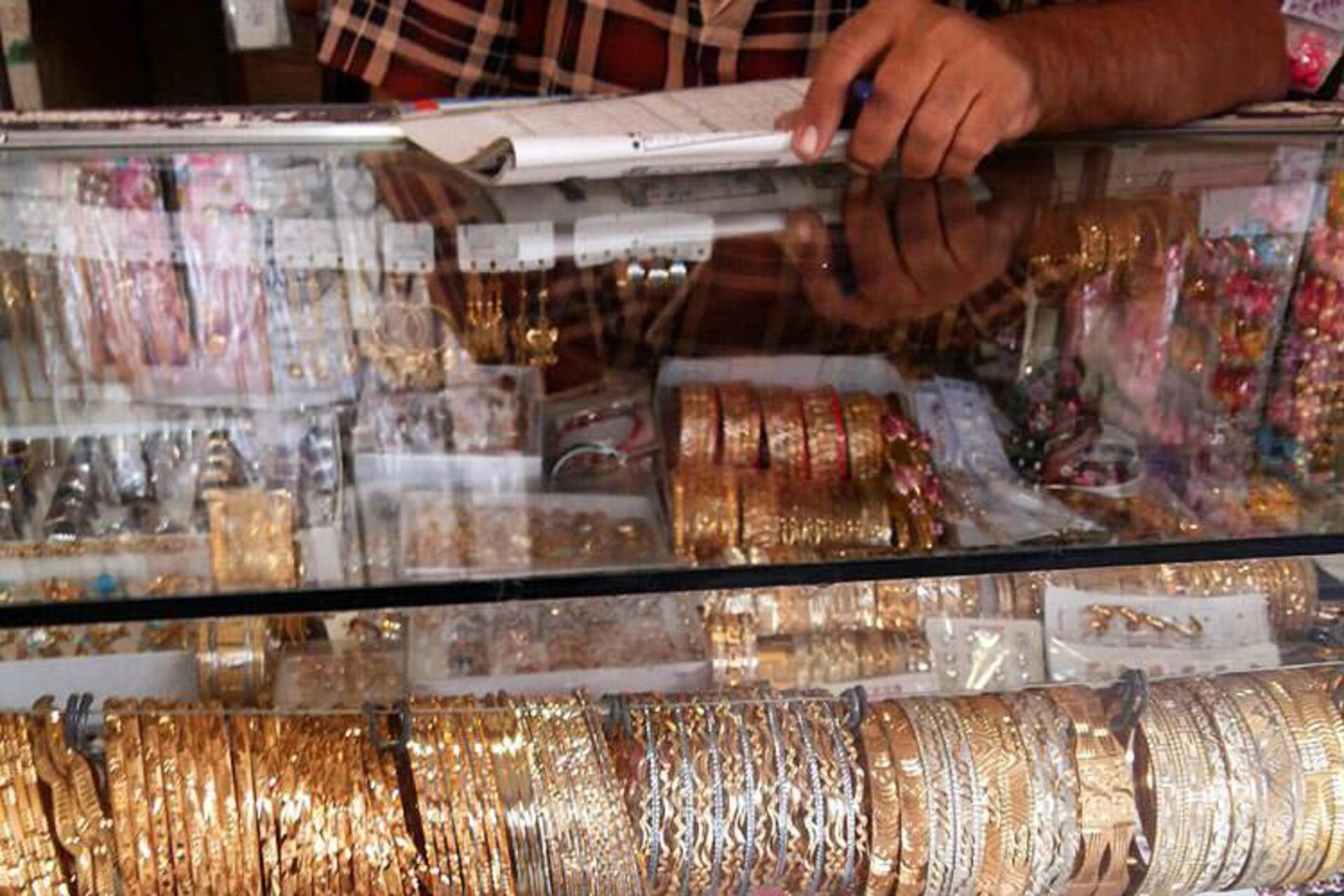
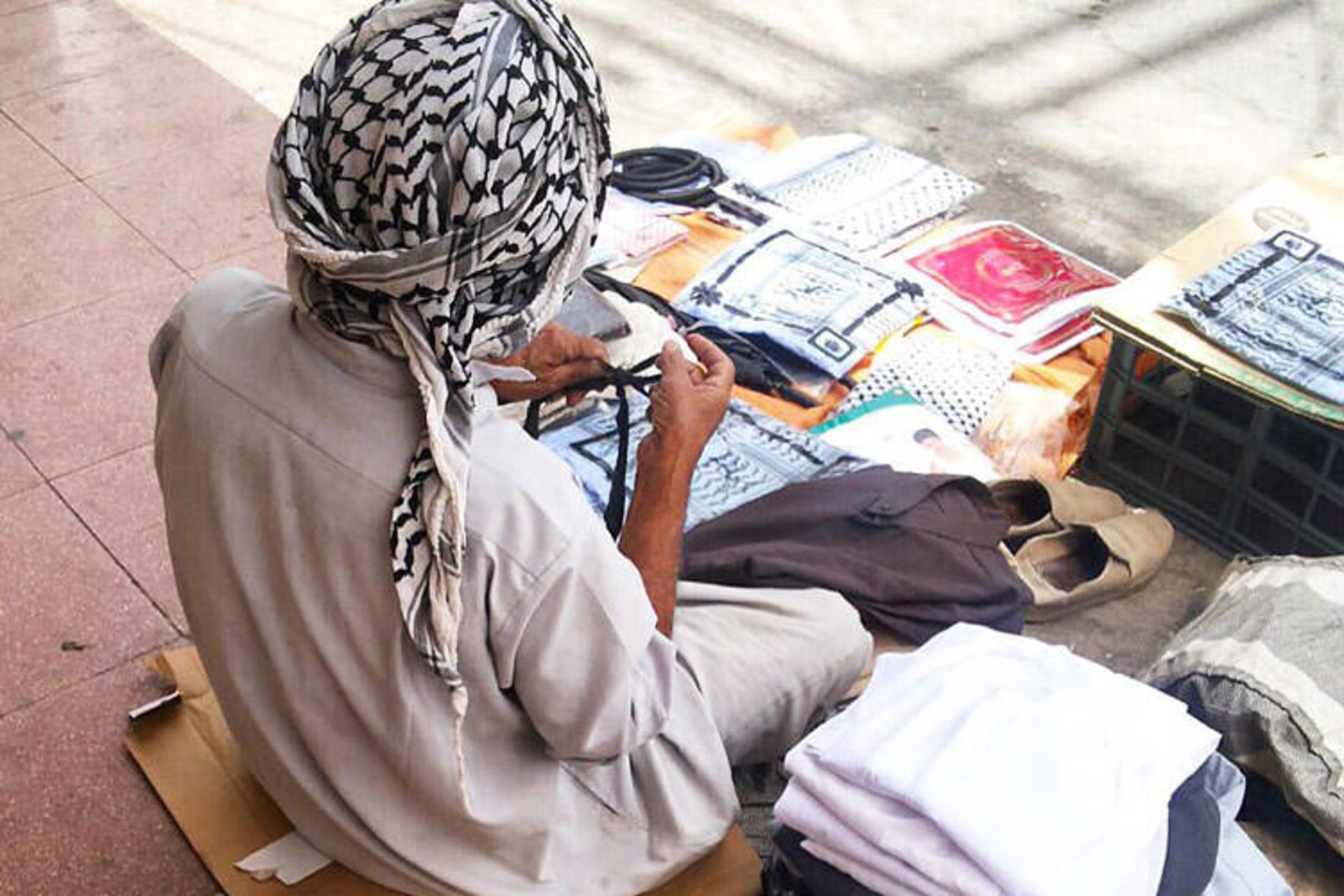
Today, Abdulhamid Bazaar is a mix of traditional and practical shopping. You will find stalls selling spices (including the local favourites used in Khuzestani cuisine, such as advieh for ghalyeh mahi), sweets like ranginak and qowwatoo, gold jewellery (Ahvaz has a strong tradition of goldwork), household goods, clothing, and fabrics. The atmosphere is distinctly old-world, with narrow covered passages, brick arches, and the constant hum of activity.
Prices in the bazaar are generally lower than in modern shopping centres, and bargaining is expected. The merchants are accustomed to visitors, and the atmosphere is welcoming rather than pushy. If you are looking for souvenirs that reflect the culture of southern Iran, this is the place to find them.
How to get there
By Mehyar Taxi. The simplest way to reach Abdulhamid Bazaar is to open Mehyar and book a Taxi to the bazaar's address on Nezami Street. The driver will know the location, and you can ask to be dropped at the nearest entrance. Mehyar Taxi covers Ahvaz and the surrounding cities.
By Mehyar Buses. If you are coming from another city in Khuzestan, such as Abadan, Khorramshahr, or Shushtar, check the Mehyar app for intercity bus schedules. Ahvaz is the main transport hub of the province, and from the bus terminal, a short taxi ride will bring you to the bazaar.
By car. If you are driving, note that parking in the central bazaar area can be challenging, especially during peak hours. Street parking is available on Nezami and Naderi streets, but spaces fill quickly. Consider parking slightly farther away and walking.
On foot. If you are staying near the Karun River promenade or in the central district, the bazaar is within comfortable walking distance. The walk from the White Bridge takes about ten to fifteen minutes.
Best time to visit
Ahvaz has a hot semi-arid climate, with summer temperatures regularly exceeding 45°C and high humidity (known locally as sharji). The best time to visit Abdulhamid Bazaar is during the cooler months, from late October through early April. During this period, daytime temperatures are pleasant, and you can explore the bazaar and the surrounding old city comfortably.
Even in summer, the bazaar's covered arcades provide shade and are cooler than the open street, but the overall heat and humidity of Ahvaz in July and August can be overwhelming. If you must visit in summer, go early in the morning (before 10am) or in the evening, when the bazaar is active and the temperatures have dropped slightly.
Practical tips
- Visit duration. Plan for one to two hours to walk through the bazaar, visit the Dadras House, and browse the stalls at a relaxed pace.
- No entrance fee. The bazaar is open to the public, and there is no charge to enter.
- Cash is king. While some larger shops may accept cards, many smaller stalls operate on cash. Bring Iranian rials.
- Dress modestly. As with any traditional bazaar in Iran, modest dress is appropriate. Light, breathable fabrics are essential in the warmer months.
- Combine with nearby sights. The bazaar is close to the Karun River, the White Bridge, the Black Bridge (Pol-e Siah), the Nafisi House, and the Lashkarabad neighbourhood. Plan a half-day walking tour of old Ahvaz.
- Try the street food. The area around the bazaar has excellent street food, including falafel (a Khuzestani specialty, especially in the Lashkarabad area), samboseh, and fresh date-based sweets.
- Photography is welcome, but ask permission before photographing individual merchants or their stalls.
Hours and access
The bazaar operates on typical Iranian market hours. Most shops open around 9am and close by 9pm, though some may shut during the afternoon heat in summer. Friday is a regular trading day, though some shops may close for Friday prayers in the early afternoon. The bazaar is accessible year-round, but as noted, the summer heat can be intense.
The bazaar is at street level and generally accessible, though the covered passages are narrow and may be challenging for wheelchairs or large strollers during busy periods.