
Iran is home to one of the largest nomadic populations in the world. An estimated one and a half to two million pastoral nomads move across the country each year, following seasonal routes between lowland winter pastures and highland summer grazing grounds. The best-known tribal confederacies include the Qashqai, the Bakhtiari, the Lur, and the Khamseh, each with distinct dialects, dress, and customs. For travelers visiting Iran, especially those passing through Shiraz or the Zagros mountain range, a encounter with nomadic communities is among the most vivid experiences the country offers.
Nomadic life in Iran is not a museum exhibit or a staged performance. It is a living economy built around livestock, seasonal movement, and the skills that sustain families on the road. Women weave the tents, tend the flocks, and produce the famous pile carpets that have become synonymous with Persian craft. Men manage the herds, negotiate pasture rights, and handle the logistics of moving an entire household across mountain passes. Children grow up learning the routes, the weather signs, and the names of every spring along the way.
The Major Tribes of Iran
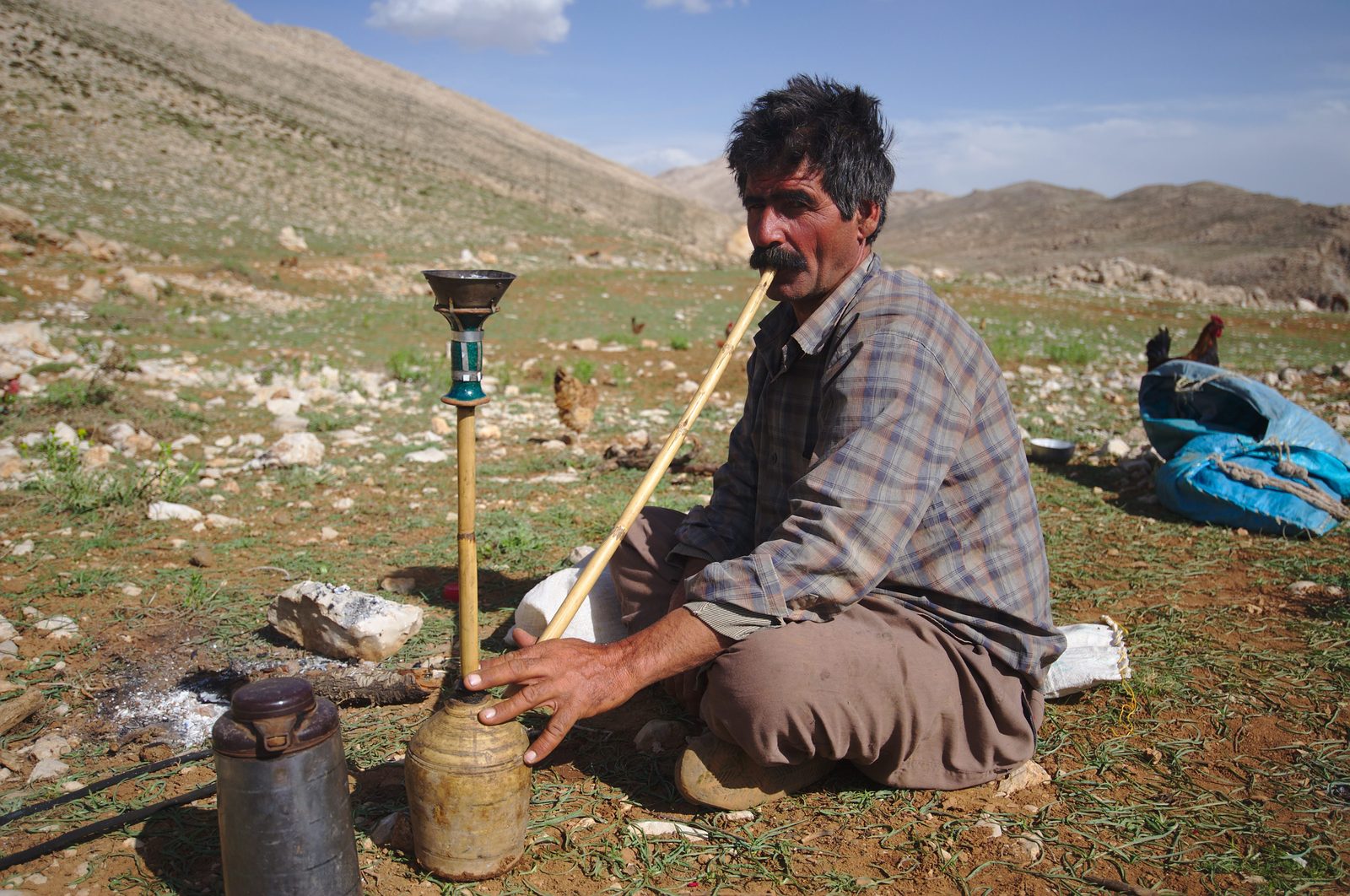
The Qashqai are the most widely encountered nomadic group for visitors arriving through Shiraz and Fars province. Their Turkic-speaking confederacy numbers several hundred thousand people and moves across a vast territory between the lowlands near Firuzabad and the high pastures of the Zagros above Shiraz and Yasuj. The Qashqai are renowned for their carpets, which collectors prize for bold geometric patterns and rich dye work done with walnut husks, pomegranate rind, and indigo.
The Bakhtiari are among the largest nomadic groups in Iran. Their Luri-speaking clans undertake one of the most dramatic seasonal migrations in the Middle East, the kuch, crossing the Zagros ranges between the warm plains of Khuzestan and the cool highlands of Chaharmahal and Bakhtiari province. The Bakhtiari migration involves moving entire families, hundreds of goats and sheep, and all household possessions across rivers, snow patches, and steep rock trails. It is a journey that has shaped Bakhtiari identity for centuries and remains a powerful symbol of resilience in Iranian culture.
The Lur tribes, concentrated in Lorestan and the central Zagros, maintain a semi-nomadic lifestyle that blends transhumance with settled agriculture. The Khamseh confederacy, a union of five Turkic and Arabic-speaking tribes in Fars province, follows migration routes that overlap with Qashqai territory. Smaller groups, including the Shahsavan of Azerbaijan and the Turkmen of the northeast, add to the diversity of Iran's nomadic mosaic.
The Kuch: Seasonal Migration
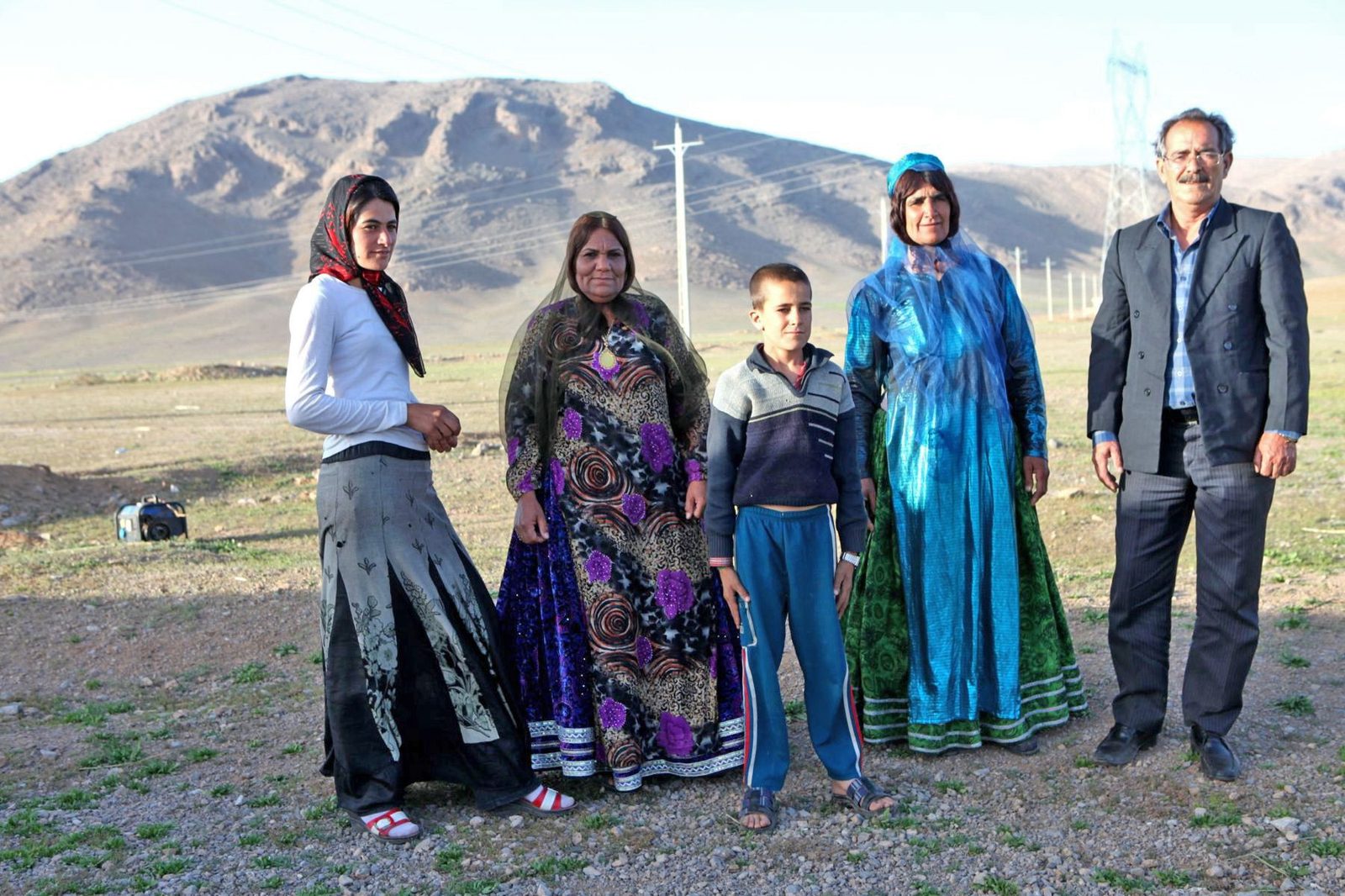
The word kuch means migration in Persian, and it defines the rhythm of nomadic life. Twice each year, tribal families pack their belongings onto mules and pack animals and move between two fixed points. The qeshlaq, or winter quarters, sit in sheltered lowland valleys where the climate is mild enough for livestock to graze through the cold months. The yeylaq, or summer quarters, occupy the high mountain meadows where snowmelt feeds fresh grass and the air is cool.
For the Bakhtiari, the kuch is among the most arduous in the world. Families cross the Zagros through passes that reach above three thousand metres, wading through fast-flowing rivers and navigating narrow cliff paths. The journey can take several weeks on foot. The Qashqai migration, while somewhat shorter in distance, covers equally rugged terrain between the Fars lowlands and the slopes of the Dena and Zagros ranges.
Travelers who time their visit to coincide with the spring or autumn migrations can witness caravans stretching across hillsides, a spectacle that has drawn photographers and ethnographers for over a century. The exact timing shifts with rainfall and pasture conditions each year, so flexibility is essential.
Black Tents and Nomadic Hospitality
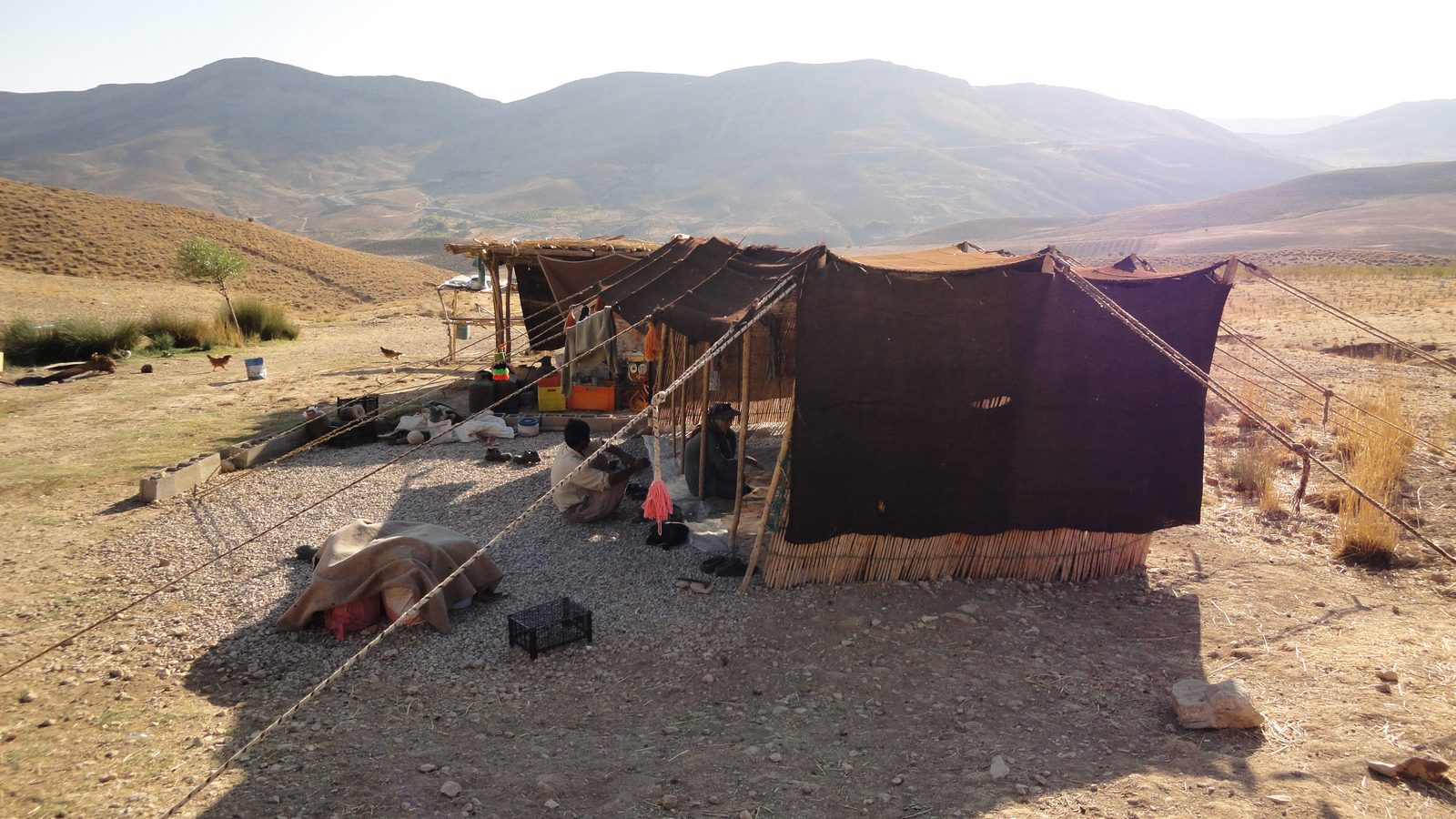
The siah-chador, or black tent, is the signature dwelling of Iranian nomads. Woven from goat hair on horizontal ground looms by nomadic women, these tents are remarkably practical. The fabric expands when wet, making the tent waterproof in rain, and contracts when dry, allowing ventilation in heat. A well-made siah-chador lasts for many years and can be disassembled, loaded onto pack animals, and reassembled at the next campsite within a few hours.
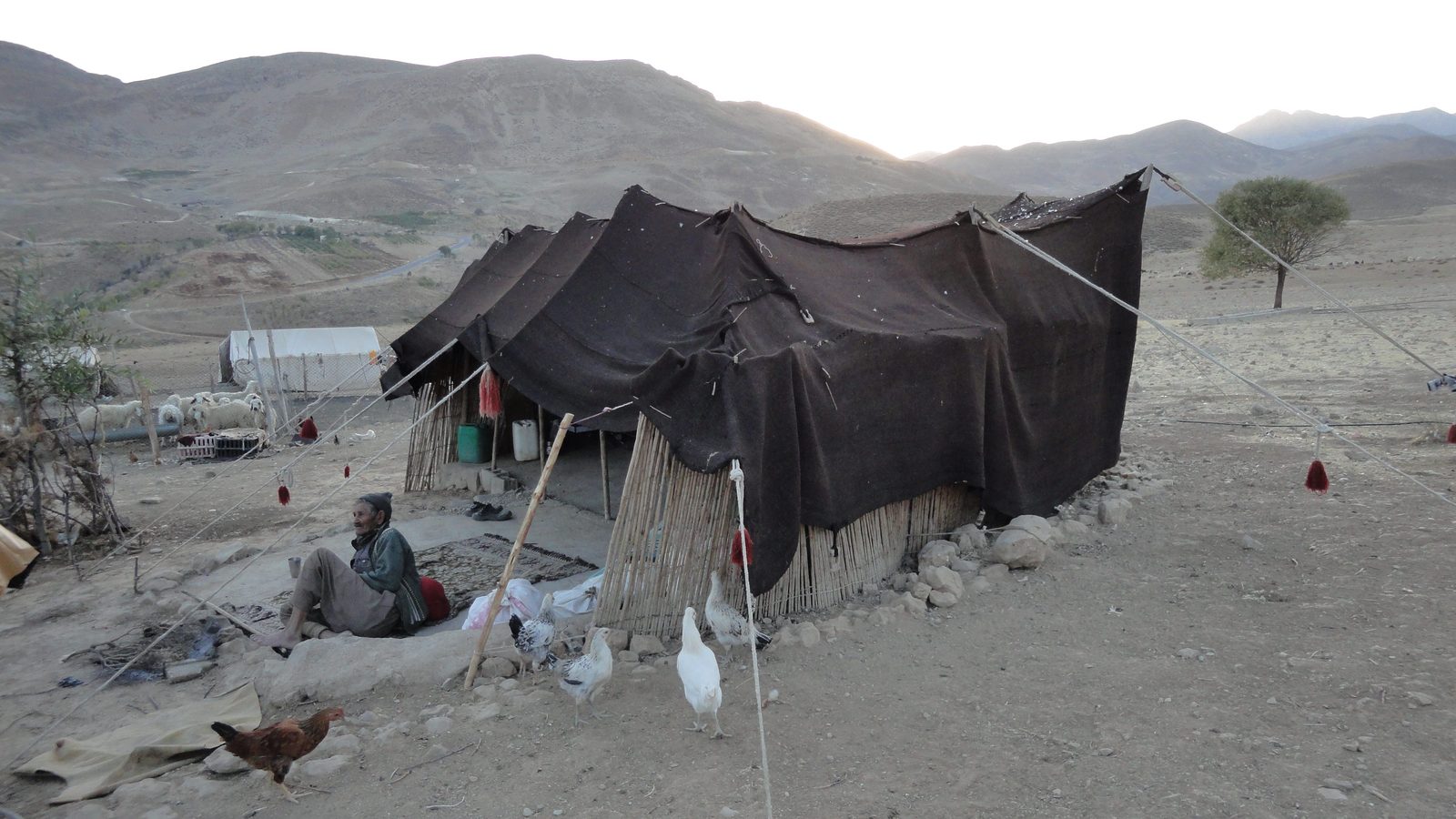
Inside, the tent is divided into living and storage sections. Carpets, kilims, and woven bags line the interior, and a central fire pit provides heat and a cooking area. Nomadic hospitality is legendary. Visitors to a tent are offered tea, flat bread baked on a saj griddle, locally made cheese, and often a meal of rice and stew prepared over the fire. Refusing tea is considered impolite, and accepting an invitation to stay the night is a genuine honor for the host family.
Traditional Weaving and Crafts
Nomadic women are among the finest weavers in Iran. Each tribe and clan produces distinctive patterns that serve as visual identifiers. Qashqai carpets feature bold animal motifs, diamond shapes, and vivid reds and blues. Bakhtiari weavings often depict scenes of garden life and tree-of-life designs. Gabbeh, a type of thick-pile rug with simple geometric or abstract patterns, is a particularly prized Qashqai product.
The entire process, from shearing sheep and spinning wool to dyeing with natural pigments and weaving on horizontal looms, takes place within the nomadic economy. Purchasing a carpet directly from a nomadic weaver supports families who may spend months on a single piece. Fair trade cooperatives and licensed craft shops in Shiraz and Isfahan offer authenticated pieces with documented tribal origins.
Where and When to Experience Nomadic Life
The best window for encountering nomadic communities is during the spring migration, from mid-March to late May, and the autumn return, from late September to early November. In spring, families move upward through the foothills, and wildflowers blanket the Zagros slopes. In autumn, the descent brings caravans through golden oak forests and harvested farmland.
The most accessible areas for visitors include the roads between Shiraz and Firuzabad, the highlands north of Yasuj, the Bakhtiari migration corridor between Khuzestan and Chaharmahal and Bakhtiari province, and the Qashqai summer pastures around Siskhaft and the Dena range. Many travelers combine a nomadic visit with a trip to Persepolis or the gardens of Shiraz, since the Qashqai migration routes pass within striking distance of both.
How to Plan a Nomadic Visit
Organized nomadic tourism programs operate from Shiraz and Isfahan, typically offering two- to four-day visits that include transport to a host family's camp, meals, and guided walks. These programs are the most comfortable way for international visitors to experience nomadic life without imposing on communities independently. Guides handle language barriers, explain cultural protocols, and ensure that your visit benefits the host family fairly.
For independent travelers, the key is respect. Always ask permission before entering a camp or photographing people. Dress modestly, remove shoes before entering a tent, and bring a small gift such as sugar, tea, or bread. Cash purchases of carpets, dairy products, or woven items are deeply appreciated and directly support the household.
Use Mehyar to plan your trip. Open Mehyar Hotels to find accommodation in Shiraz or Yasuj as a base for nomadic visits. Book Mehyar Buses or check Mehyar Flights for connections to Shiraz. Once in Fars province, use Mehyar Taxi for rides to trailheads and village access points along the migration routes. The Mehyar Planner can help you build an itinerary that combines a Persepolis morning with an afternoon nomadic camp visit.
Related Reading
- First Trip to Iran for orientation on travel logistics and cultural norms.
- Persepolis to combine ancient history with a nomadic experience in Fars province.
- Shiraz as your base city for Qashqai territory visits.