
Yazd is a city built to survive heat, and its kitchen is built the same way. Travelers come here for mud-brick alleys, windcatchers, and the long shadow of the Silk Road, then discover that the food is just as memorable: syrupy qottab dusted with powdered sugar, tart bowls of Ash-e Sholi, lettuce dipped in vinegar on a hot afternoon, and glass after glass of tea in a courtyard that has not changed in centuries. This guide walks you through the dishes you should not leave without trying, the districts where they live, and the practical rhythm of eating well in a desert city where lunch can be light, dinner can be early, and a sweet shop can quietly become the highlight of your day. Everything here is designed for an international visitor moving around Yazd with a phone, a wallet, and a willingness to sit down for an extra cup of tea.
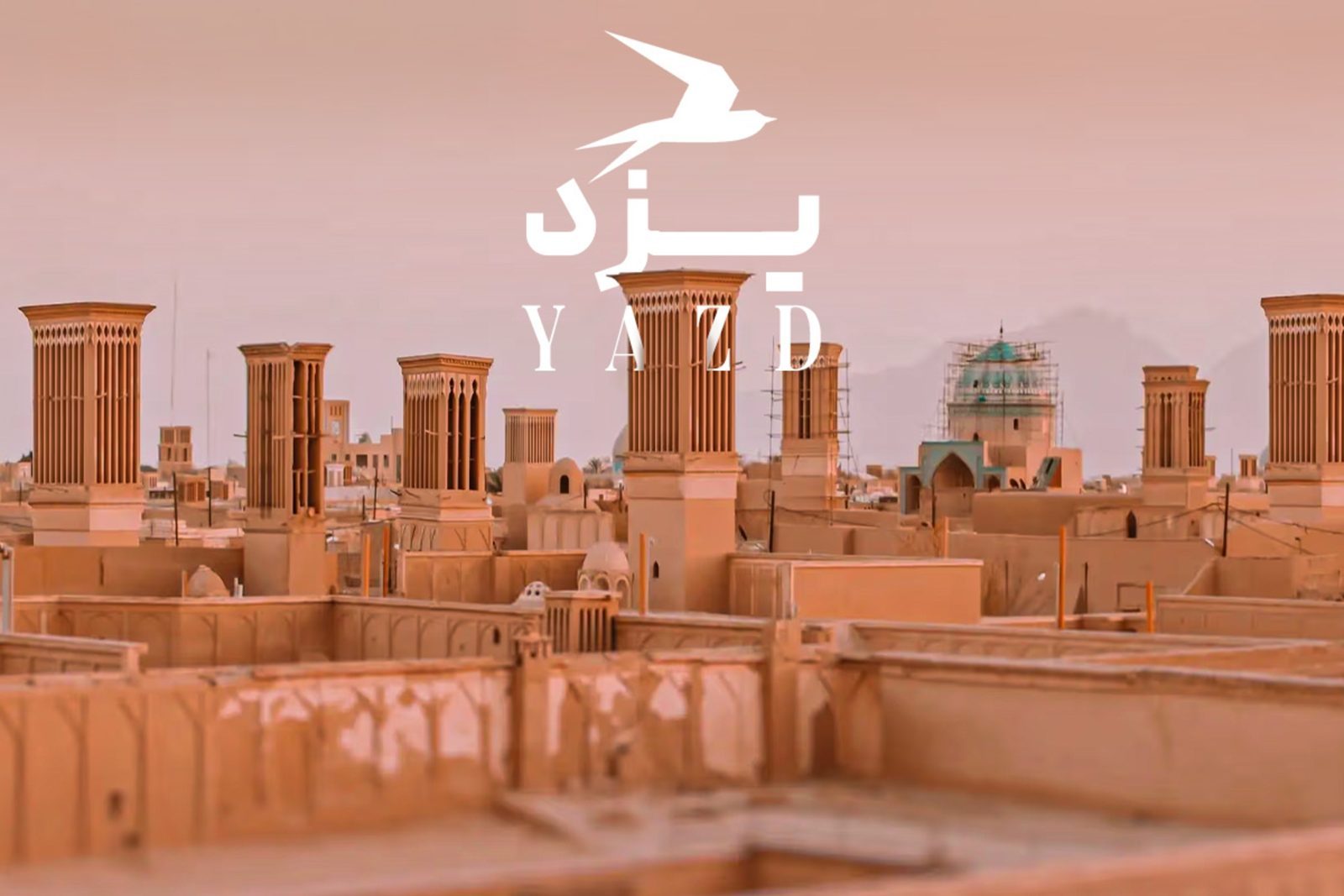
Where Yazd sits, and why that shapes every meal
Yazd is the capital of Yazd Province, roughly in the center of Iran, on the edge of two deserts and under the shelter of the Shir Kuh mountains. Summer afternoons push past 40°C, winters are cold and dry, and rain is a rare event. The old city is a UNESCO World Heritage site, which means the streets where you will eat are often the same streets that caravans used. The climate explains the menu. You will find cooling dairy, vinegar, and herb dishes for summer, warming stews and sweets for winter, and a deep respect for foods that keep well without refrigeration. Because Yazd has been a Zoroastrian center for centuries and a Muslim city for many more, the table carries layers of both traditions, from simple breads baked in neighborhood ovens to the sesame and syrup snacks that fill homes when the weather turns.
How to get there and how to move between meals
Most international visitors arrive at Shahid Sadooghi International Airport (AZD), about 10 km from the city center, roughly 15 to 20 minutes by car depending on traffic. Domestic flights from Tehran and Mashhad are frequent, and the airport is small enough that you will be outside with your bag within minutes of landing. If you arrive by bus or shared taxi from Isfahan, Shiraz, or Kerman, you will land at the main terminal near the edge of town, and from there the old city is a short ride. Trains on the Tehran–Bandar Abbas corridor also stop at Yazd, with the station a few kilometers south of the center.
The easiest and most predictable way to move between sweet shops, teahouses, and restaurants is to open Mehyar on your phone and choose Taxi. You set the destination, see the fare before you commit, and pay through Mehyar Wallet so you are not hunting for cash after a long dinner. This matters in Yazd because the best food is rarely in one cluster. The Amir Chakhmaq area, the Fahadan quarter, the Khan Bazaar, and the streets around Jameh Mosque all hold different experiences, and walking between them in July is not the same as walking between them in November. When the sun is high, use Mehyar Taxi for the short hops; when the evening cools, walk and let the city unfold slowly. For a day trip to Meybod or a desert camp, arrange the ride in advance through Mehyar so you are not negotiating at the roadside.
You will also want Mehyar Wallet topped up before you start eating. Many small sweets shops and traditional teahouses still prefer cash or a quick mobile payment, and cards issued outside Iran will not work in most places. Loading your Mehyar Wallet early lets you pay for a box of qottab, a pot of tea, and a taxi without breaking the rhythm of the day. Keep a small amount of Iranian rial in cash as a fallback for the tiny shops that have not yet moved to digital payments, and treat that cash as a backup rather than your main plan.
The flavors that define Yazd
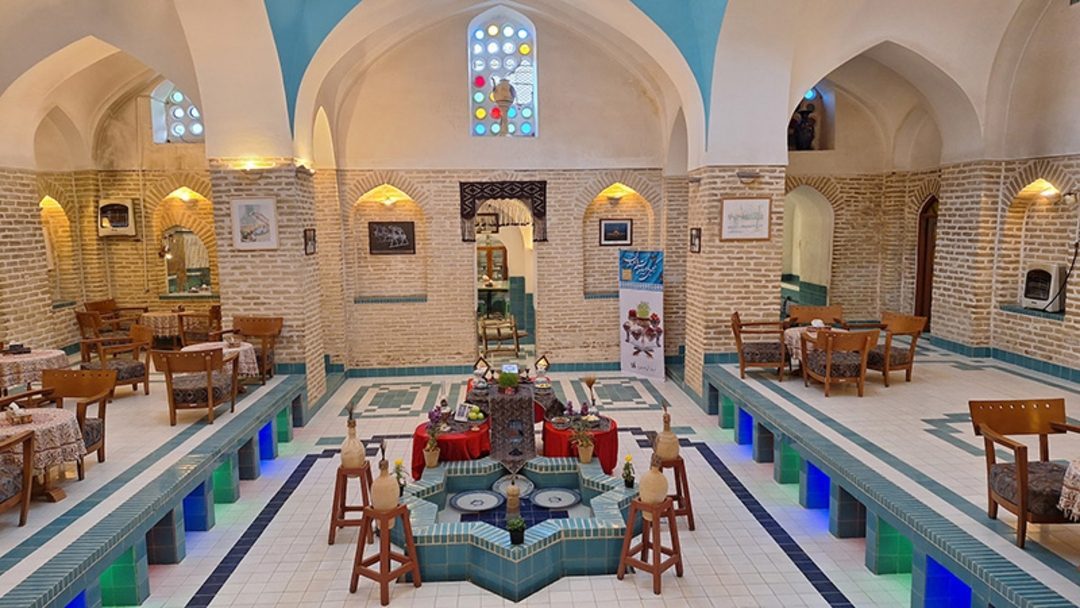
Yazdi cooking leans on a few ideas. First, balance: sweet with sour, hot with cooling, rich with herbal. Second, preservation: dried limes, vinegars, and nuts appear everywhere because they keep. Third, hospitality: food is not rushed, and tea is not optional.
Ash-e Sholi is the soup you will see on every traditional menu. It is a thick, herb-heavy ash with beans, lentils, beet or turnip, and a sour note from pomegranate or grape vinegar. Some cooks finish it with a drizzle of qareh qurut, a dried dairy product that adds a sharp, salty tang. It is eaten year-round but feels best on a cool evening, and Yazdis often follow it with tea and something sweet to balance its cooling nature.
Yazdi gheimeh is a stew that looks familiar if you know Persian food, but it uses peas instead of split peas, plus cinnamon, cardamom, and turmeric. It is served over rice and appears on the menus of nearly every traditional restaurant in the city. Quince and prune stew is the sweet-sour counterpart, with quince, prunes, split peas, saffron, and a little sugar. Both are good introductions if you want a full meal rather than a snack.
Summer brings its own logic. Lettuce with oxymel or vinegar shows up on trays in the afternoon: you rinse the leaves in the sour liquid and eat them fresh. Curd with cucumber combines dried curd, grated cucumber, walnuts, mint, and sultanas into something between a dip and a cold soup. Onion and vinegar salad is exactly what it sounds like, sharp and cooling, designed to lower the body temperature. If you are visiting in July or August, these are the dishes that will keep you comfortable.
Sweets: the reason many travelers extend their stay
Yazd is famous across Iran for its sweets, and the most famous of all is qottab. It is an almond-shaped pastry with a thin fried shell rolled in powdered sugar, filled with almond powder, sugar, and cardamom. It comes in two main styles, the traditional Yazdi version and a honey version where honey replaces some of the sugar. The best place to try it is a dedicated confectionery rather than a restaurant. Haj Kalifeh Ali Rahbar, near Amir Chakhmaq Square, is a long-standing name in the city, and the shop also sells baklava, loze nargil (coconut diamonds), and pashmak (a light, cotton-like candy similar to candy floss).
Pashmak deserves its own paragraph. It is made from sugar, flour, oil, vinegar, and water, pulled into fine strands that look like spun thread. It dissolves almost immediately, which makes it a strange and delightful thing to eat in a desert city. Buy a small box, try it with tea, and understand why Yazdis treat it as a point of pride.
Other sweets worth knowing include Yazdi cake, a dense, cardamom-scented cake often served with tea; nan-e panjereh, a lacy fried cookie; haji badam, an almond cookie; and sohan-e khani, a saffron and pistachio brittle that travels well if you want to bring something home. If you are unsure where to start, walk into any confectionery near the Khan Bazaar or along the streets around Jameh Mosque and ask for a mixed box. Most shops will let you taste before you buy.
Teahouses and the art of sitting still
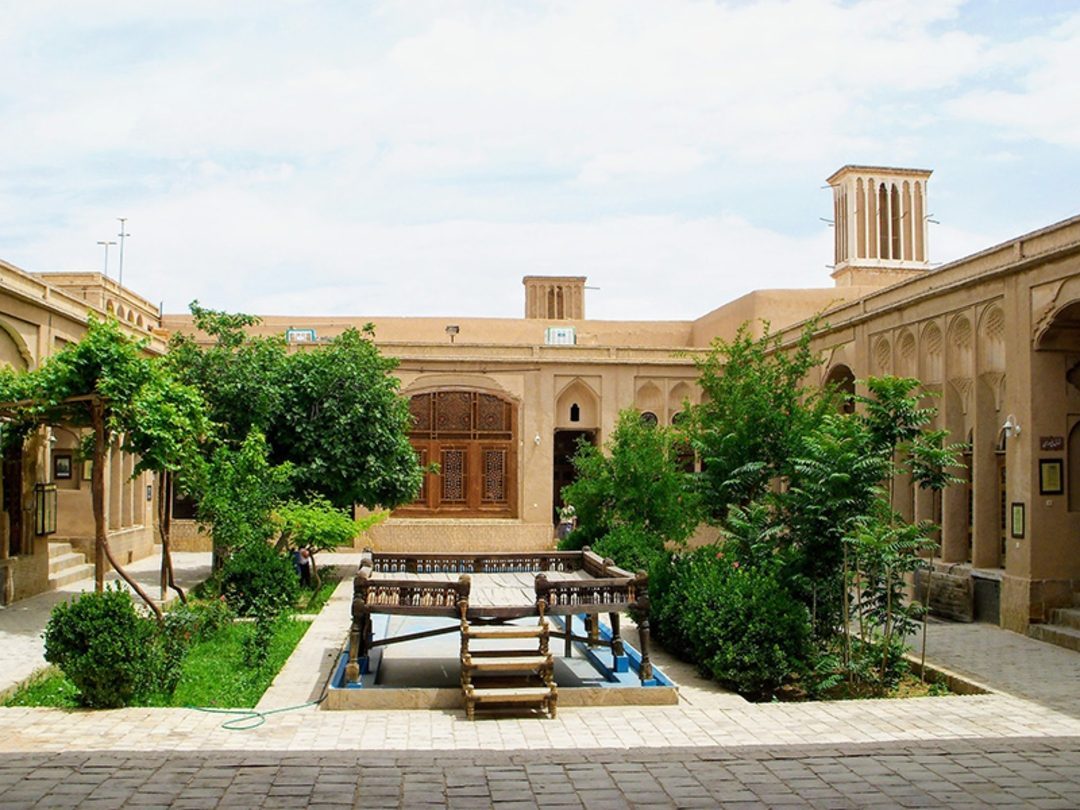
A Yazdi teahouse is not just a place to drink tea. It is a place to slow down, and in a city where summer heat makes rushing impossible, that rhythm becomes part of the travel experience. The most atmospheric option is the Khan Bathhouse, a Qajar-era hammam in the Khan Complex that has been converted into a traditional teahouse and restaurant. You sit inside a historic bathhouse with domed ceilings and skylights, order Persian tea and local dishes, and watch the light move across the tilework. It is a short walk from the Khan Bazaar and Khan Square, and it pairs well with an afternoon of old-town wandering.
Elsewhere, look for small teahouses tucked into courtyards in the Fahadan quarter and around Amir Chakhmaq. Order tea, ask for a plate of sweets, and let the afternoon pass. If you want something more substantial, many teahouses also serve dizi, a traditional stew served in a stone pot with bread, which you mash together yourself. It is a full meal and a small ceremony at the same time.
Pairing food with the old town
The pleasure of eating in Yazd is that the food and the city are inseparable. Start your day near Amir Chakhmaq Complex, where you can visit the mosque and the square, then walk to a confectionery for qottab and tea. Move into the Fahadan quarter, where the lanes are narrow and the houses are made of mud brick, and stop at a traditional restaurant for Ash-e Sholi or gheimeh. In the late afternoon, head toward the Jameh Mosque of Yazd and the surrounding bazaar, where the light on the minarets is worth the walk. Finish at the Khan Bathhouse teahouse or a small courtyard cafe, and let the evening cool around you.
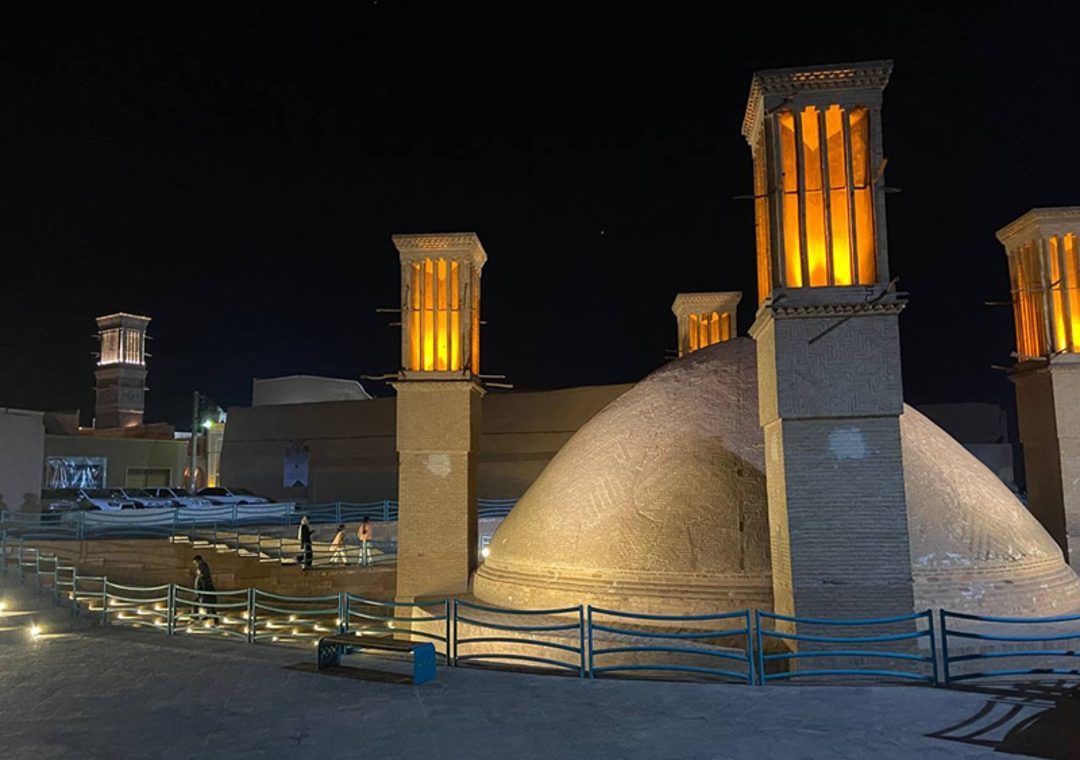
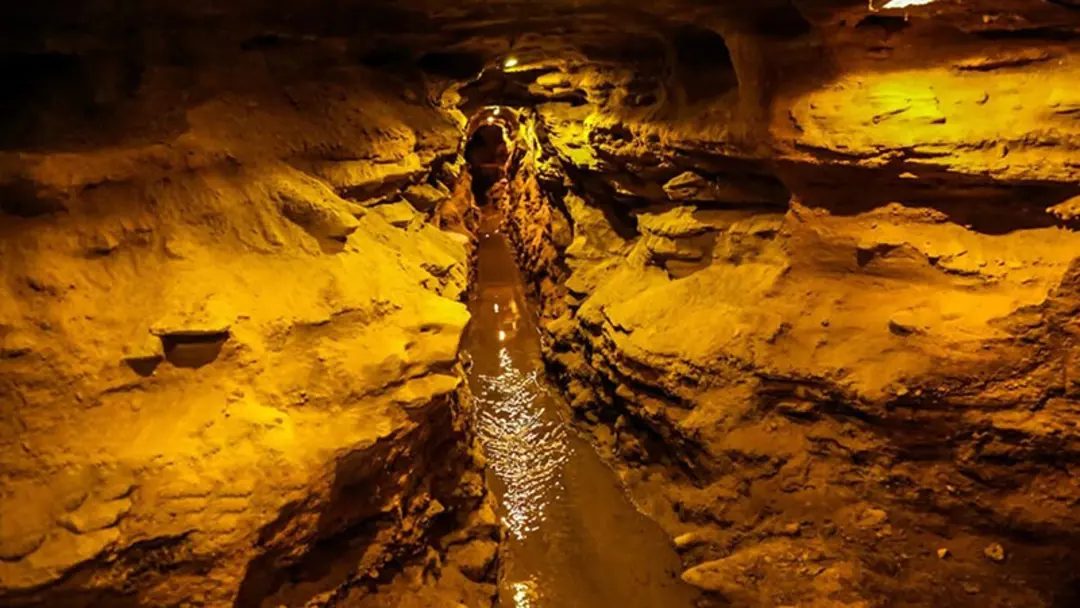
If you want to build a full day, combine food with the city's other landmarks. The Water Museum explains the qanat system that made life in the desert possible, and the Dowlat Abad Garden with its towering windcatcher is a reminder that Yazdi architecture and Yazdi cooking come from the same practical intelligence. A Mehyar Taxi between these stops costs little and saves you from walking in the heat, especially in the middle of the day.
Practical notes for eating well in Yazd
When to come. Spring (March to May) and autumn (September to November) are the most comfortable seasons for walking between restaurants and sweet shops. Summer is hot but manageable if you plan indoor meals in the middle of the day and save your walks for the evening. Winter is cold and dry, which makes hot ash and tea especially welcome.
Hours and timing. Many traditional restaurants open for lunch around 12:00 or 13:00 and serve dinner from around 19:00. Teahouses often stay open later. Confectioneries tend to be busiest in the late afternoon and before holidays, so go earlier if you want a quiet browse.
Paying. Use Mehyar Wallet as your default for taxis, teahouses, and larger restaurants. Keep a small amount of cash for the smallest shops and for places that have not yet adopted mobile payments. Top up your wallet early in your trip so you are not searching for an ATM when you are hungry.
Dietary notes. Iranian food in Yazd is generally halal, and pork is not part of the local kitchen. Vegetarian options exist but are not always obvious on menus; Ash-e Sholi, curd with cucumber, and many rice dishes can be vegetarian, but ask about broth and dairy if that matters to you. If you have a nut allergy, be careful with sweets, since almonds and other nuts are central to qottab and many other desserts.
What to bring home. Qottab, pashmak, sohan-e khani, and bags of Persian tea travel well. If you are flying out of Yazd, pack sweets in your checked luggage to avoid issues with security, and leave room for a box of qottab for someone who has never been to Iran.
A simple Yazd food itinerary
Start your first morning with tea and a Yazdi cake near your hotel, then take a Mehyar Taxi to Amir Chakhmaq. Visit the complex, walk to a confectionery for qottab, and continue into the Fahadan quarter. Have lunch at a traditional restaurant: Ash-e Sholi, Yazdi gheimeh, and rice. In the afternoon, visit the Jameh Mosque and the bazaar, then rest at a teahouse with more tea and sweets. For dinner, choose a courtyard restaurant or return to the Khan Bathhouse, and finish with a short walk through the old city before calling a Mehyar Taxi back to your hotel.
On your second day, use Mehyar to arrange a ride to the Dowlat Abad Garden and the Water Museum, then come back into the city for a late lunch. If you have time, ask your driver to stop at a bakery for fresh bread, and buy fruit from a local shop: pomegranates and watermelons are part of the Yazdi table, especially in summer.
When you are ready to plan the rest of your trip, open Mehyar and use the planner to connect Yazd with Isfahan, Shiraz, or Kerman. Our articles on food in Isfahan and food in Shiraz will help you compare regional flavors, and paying in Iran explains how to keep your wallet working wherever you go. For the bigger picture of the city itself, start with our Yazd guide.
Yazd rewards travelers who eat slowly. Order the ash, take the extra tea, and let the desert afternoon stretch. The city has been feeding travelers for centuries, and it has not forgotten how.