
Khuzestan is where history begins. Long before Persepolis rose on the plains of Fars, the Elamite civilization built cities in this southwestern corner of Iran, where the Zagros mountains descend into the alluvial lowlands of the Persian Gulf coast. The province is named after the ancient Khuz, or Khuzi people, and its story stretches back nearly five thousand years. Today, Khuzestan offers travelers a rare combination of UNESCO World Heritage sites, a living river city in Ahvaz, and a cultural landscape shaped by Arab and Persian traditions, warm hospitality, and the scent of date palms.
For international visitors building an Iran itinerary, Khuzestan sits slightly off the main tourist circuit, which is precisely what makes it compelling. The crowds that gather at Isfahan and Shiraz rarely reach here, yet the province holds some of the most significant archaeological sites in the Middle East. If you are planning a first trip to Iran and want to go beyond the familiar stops, Khuzestan deserves a place on your list.
Where is Khuzestan?
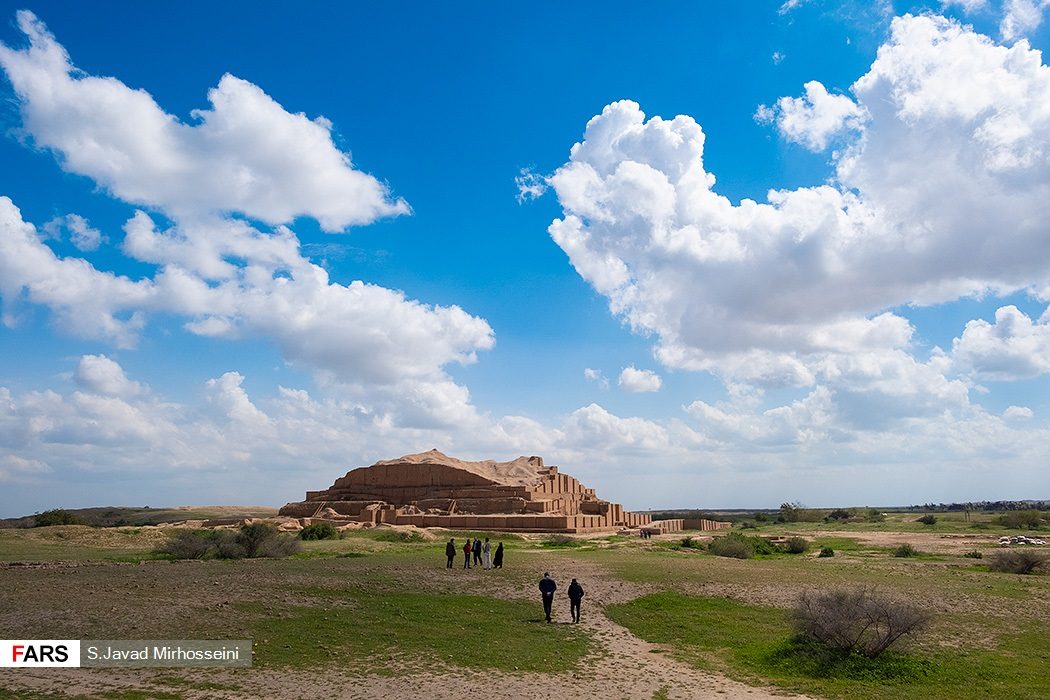
Khuzestan occupies the southwestern corner of Iran, bordering Iraq to the west and the Persian Gulf to the south. The province covers roughly 64,000 square kilometres, with terrain that ranges from the high Zagros foothills in the north to flat alluvial plains and marshlands in the south. The Karun river, Iran's only navigable waterway, cuts through the heart of the province and flows into the Shatt al-Arab near Abadan. The climate is hot and humid in summer, with temperatures regularly exceeding 45 degrees Celsius, and mild in winter, making October through April the most comfortable window for visitors.
Ahvaz is the provincial capital and the main gateway. The city sits on both banks of the Karun, and its identity is inseparable from the river. Bridges span the water, and evening strolls along the riverside promenade are a central part of Ahvazi life. The city is also an industrial hub, surrounded by oil fields and sugarcane plantations, though its historic core retains a distinctly Arab-Persian character visible in the cuisine, music, and social customs.
Chogha Zanbil: The Ancient Ziggurat
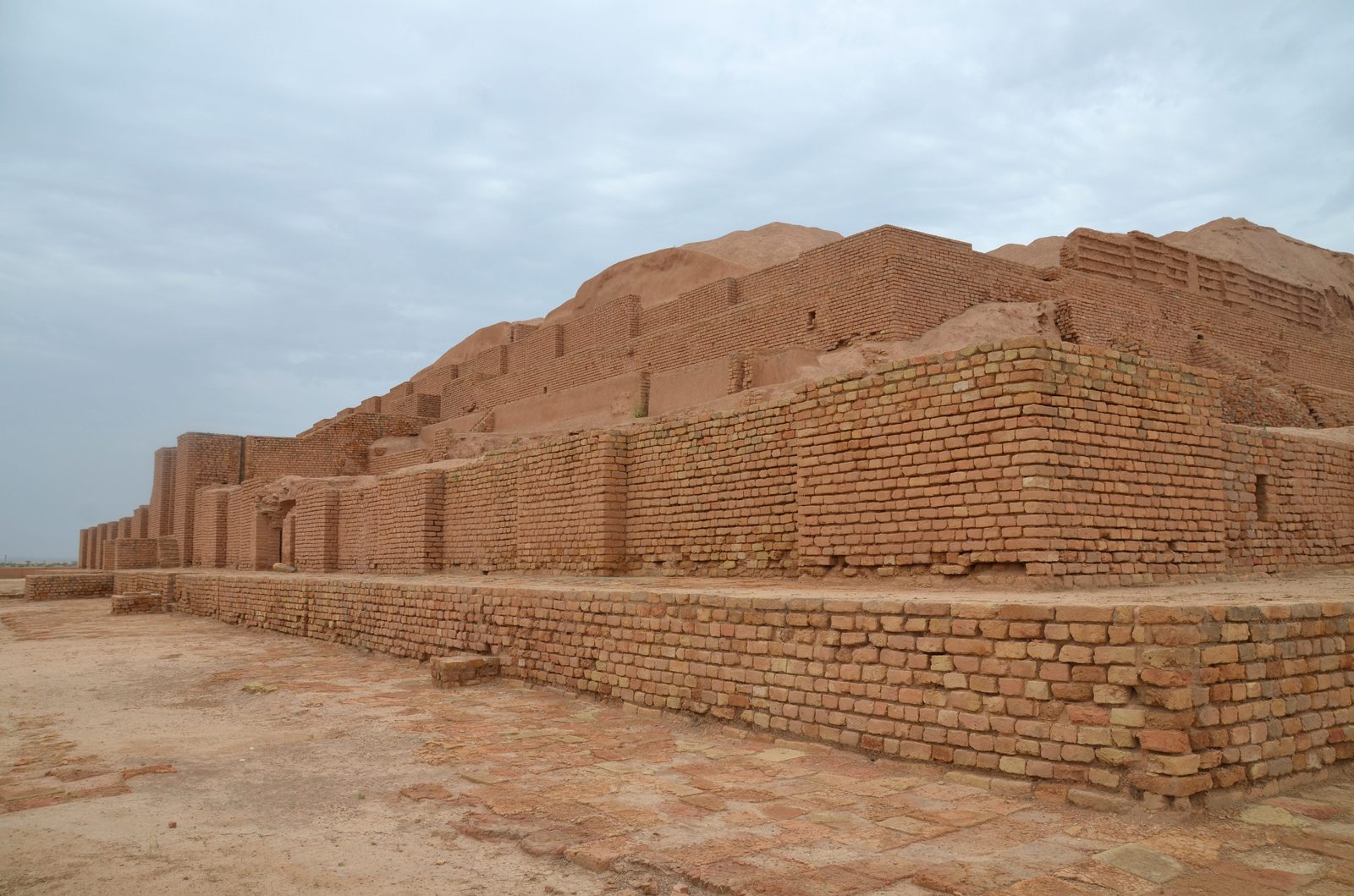
The crown jewel of Khuzestan is Chogha Zanbil, located about 30 kilometres southeast of the city of Shush (ancient Susa). Built around 1250 BCE by the Elamite king Untash-Napirisha, this massive stepped temple is one of the best-preserved ziggurats in the world and the first Iranian site to be inscribed on the UNESCO World Heritage list, in 1979.
The ziggurat rises in three receding tiers from a base of roughly 105 metres on each side. Originally, it stood nearly 52 metres tall, dedicated to the Elamite gods Inshushinak and Napirisha. The structure was built from millions of mud bricks, many of them inscribed with cuneiform texts in Elamite and Akkadian that record the king's dedication and invoke curses against anyone who dares destroy the temple. The outer surface was once faced with glazed bricks in brilliant colours, though much of this decoration has not survived.
Walking around the ziggurat today, you can still read the inscribed bricks stacked at regular intervals along the terraces. The sheer scale of the structure, sitting alone on the Khuzestan plain with nothing but scrubland and distant hills around it, creates a sense of isolation and antiquity that few archaeological sites can match. The site covers over 100 hectares and includes the remains of temples, palaces, and a sophisticated water management system, all enclosed within three concentric defensive walls.
Susa: Five Thousand Years of History
The ancient city of Susa, known in Persian as Shush, lies about 250 kilometres southeast of Ahvaz and roughly 25 kilometres from Chogha Zanbil. Susa was one of the most important cities of the ancient Near East, serving as the capital of the Elamite empire and later as a ceremonial capital of the Achaemenid Persian empire under Darius the Great.
The Apadana Palace of Darius, built in the late sixth century BCE, was once among the grandest structures in the Persian empire. Its audience hall contained 36 towering columns and was decorated with glazed brick reliefs depicting immortal guards, lions, and griffins. Today, the column bases remain in place, and many of the finest glazed brick panels from Susa are displayed in the Louvre in Paris, where they have been since French excavations in the late nineteenth and early twentieth centuries. The on-site museum and the Tomb of Daniel, a revered pilgrimage site, add layers to the visit.
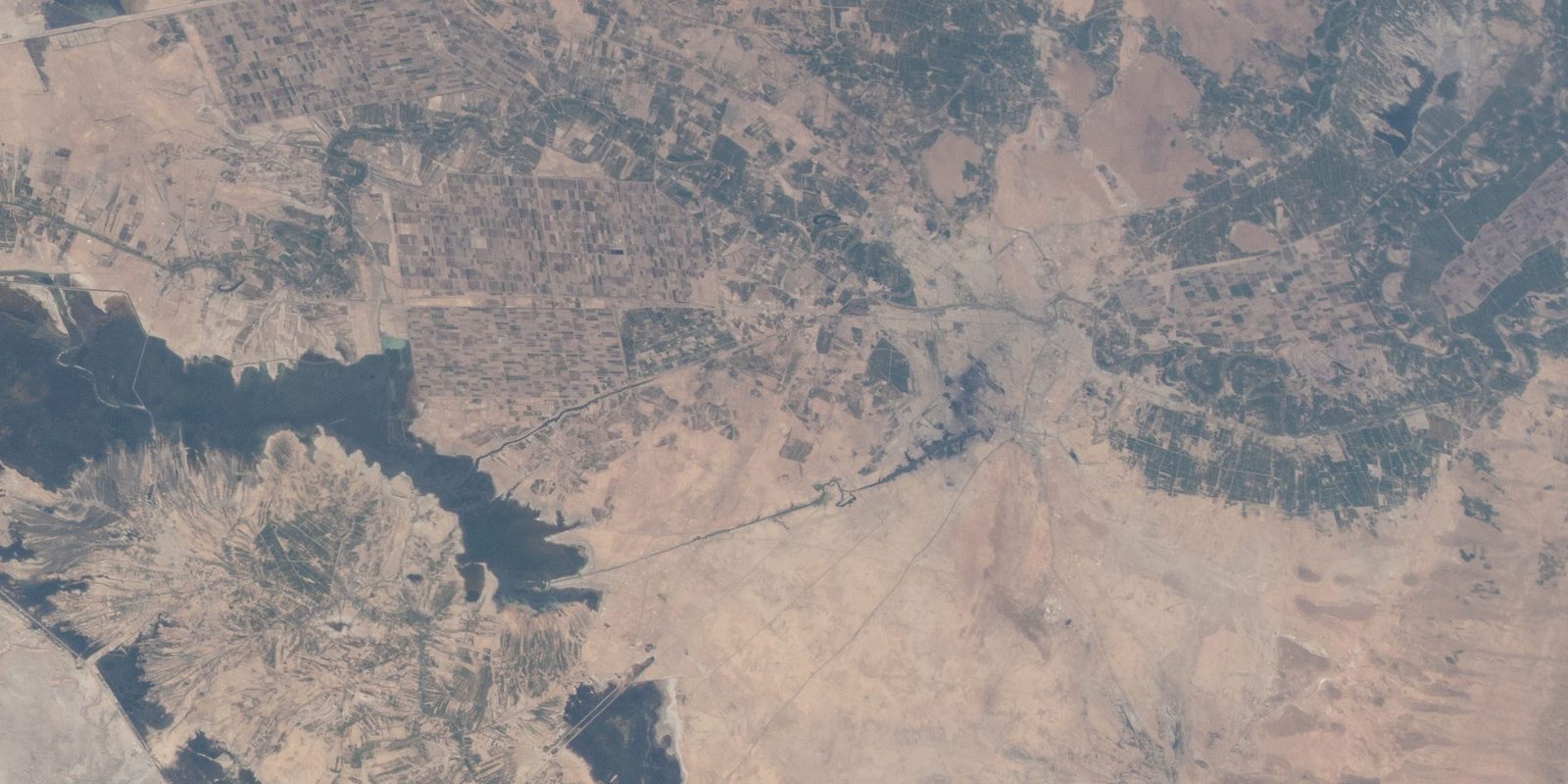
The Shush Castle, or Château de Susa, dominates the skyline of modern Shush. Built during French excavations in the late nineteenth century, the castle now houses an archaeological museum. The Tomb of Daniel, located in the city, is an important site for both Muslim and Jewish pilgrims and reflects the multi-religious heritage of ancient Elam.
Shushtar Historical Hydraulic System
A short drive northeast of Ahvaz, the Shushtar Historical Hydraulic System is another UNESCO World Heritage site and a marvel of ancient engineering. Built during the Sassanid period, the system consists of dams, tunnels, canals, and watermills that harnessed the power of the Karun river for irrigation and industrial use. The site includes the Band-e Qaisar, or Caesar's Dam, believed to be the first bridge-dam in Iranian history, and a network of channels that directed water through a series of mill wheels carved into the rock.
Visitors can walk along the catwalks suspended above the channels and feel the spray from the waterfalls that still cascade through the ancient works. The site is especially impressive during the spring melt, when the Karun runs high and the full force of the hydraulic system becomes visible.
Getting to Khuzestan
Ahvaz is the main entry point for the province. Ahvaz International Airport (IATA code AWZ) receives regular flights from Tehran, Mashhad, Shiraz, and several other Iranian cities. Open Mehyar and check Flights for current schedules and fares. From the airport, a Mehyar Taxi ride to central Ahvaz takes about 20 minutes.
By rail, Ahvaz is connected to Tehran via a scenic route that passes through the Zagros foothills. The journey takes roughly 16 to 18 hours, though the train is not the fastest option. For shorter hops, Mehyar Buses run frequent services from Tehran, Shiraz, and Isfahan to Ahvaz, with travel times of 10 to 12 hours from Tehran.
For travel within the province, a hired car or Mehyar Taxi is essential. Public transport between Shush, Chogha Zanbil, and Shushtar is limited, and the archaeological sites are not well served by local buses. Most visitors arrange a driver through their hotel or use Mehyar to book rides between sites.
Local Cuisine and Culture
Khuzestan's cuisine reflects its geography and its Arab-Persian heritage. The food is spicier and more heavily seasoned than in central Iran, with liberal use of turmeric, coriander, tamarind, and chili. Falafel is ubiquitous, served with fresh herbs, pickles, and tahini in most street-side restaurants. Ghalieh Mahi, a fish stew flavoured with tamarind and coriander, is a signature dish. Kebabs made with river fish from the Karun and Shatt al-Arab are a local specialty.
Date palms are everywhere in Khuzestan, and the province produces some of Iran's finest varieties. The Bam and Zahedi dates from Behbahan and Dezful are prized across the country. In the markets of Ahvaz, Abadan, and Khorramshahr, you will find fresh dates, date syrup, date vinegar, and date-based sweets.
The cultural landscape is shaped by both Persian and Arab traditions. In the bazaars and coffee houses of Ahvaz, you hear Arabic spoken as freely as Persian. Music plays a central role in social life, and the province has produced some of Iran's most celebrated musicians, particularly in the genres of southern folk music and bandari.
Where to Stay
Ahvaz offers the widest range of accommodation in the province. Hotels range from international-standard properties in the city center to more modest options near the bazaar and the university district. Use Mehyar Hotels to compare prices and book rooms in Ahvaz, Shush, and Dezful. For visits to Chogha Zanbil and Shushtar, many travelers base themselves in Ahvaz and make day trips, though staying overnight in Shush allows for a more relaxed pace and an early morning visit to the ziggurat before the heat builds.
Practical Tips
- Best time to visit: October through April. Summer temperatures regularly exceed 45 degrees Celsius, making outdoor exploration exhausting and potentially dangerous.
- What to wear: Lightweight, loose-fitting clothing in light colours. A hat and sunglasses are essential. In winter, temperatures can drop to 10 degrees Celsius at night, so bring a light jacket.
- Language: Persian is the official language, but Arabic is widely spoken, especially in Ahvaz and the southern parts of the province. English is less common than in tourist-heavy cities like Isfahan or Shiraz.
- Money: Iranian rial. Load your Mehyar Wallet for tap-to-pay transactions in restaurants and bazaars. Carry cash for smaller vendors and rural areas.
Related Reading
- Persepolis to understand the broader Achaemenid context that connects Susa to the wider Persian empire.
- First Trip to Iran for general travel logistics, visa information, and cultural orientation.
- Shiraz if you are building a broader southwestern Iran itinerary.