
When the last Wednesday of the Persian year approaches, the city of Shiraz begins to hum with a particular kind of energy. It is not the chaotic fireworks-and-crowd spectacle you might find in larger capitals. It is something warmer, more intimate, more Shirazi. The scent of wild rue seeds drifting from courtyard doorways, the sound of local music drifting from gatherings in gardens, and the soft glow of bonfires reflected off the pink stone of the city's buildings. In Shiraz, Chaharshanbe Suri is not just a festival. It is a night where fire, poetry, faith, and old family customs weave together into something that belongs to this city alone.
Chaharshanbe Suri, the Festival of Fire, is celebrated across Iran on the eve of the last Wednesday of the Persian calendar, just days before Nowruz, the spring equinox and Persian New Year. The name means "Wednesday Feast" or "Red Wednesday," and the central act everywhere is the same: lighting bonfires and jumping over them while chanting "Sorkhi-ye to az man, zardi-ye man az to" (Your red for my yellow, your warmth for my pallor). But in Shiraz, the night takes on a character shaped by the city's deep devotion to Hafez, its reverence for the Ahl al-Bayt, and its own peculiar rituals that you will not find elsewhere in Iran.
Fire-Jumping the Shirazi Way
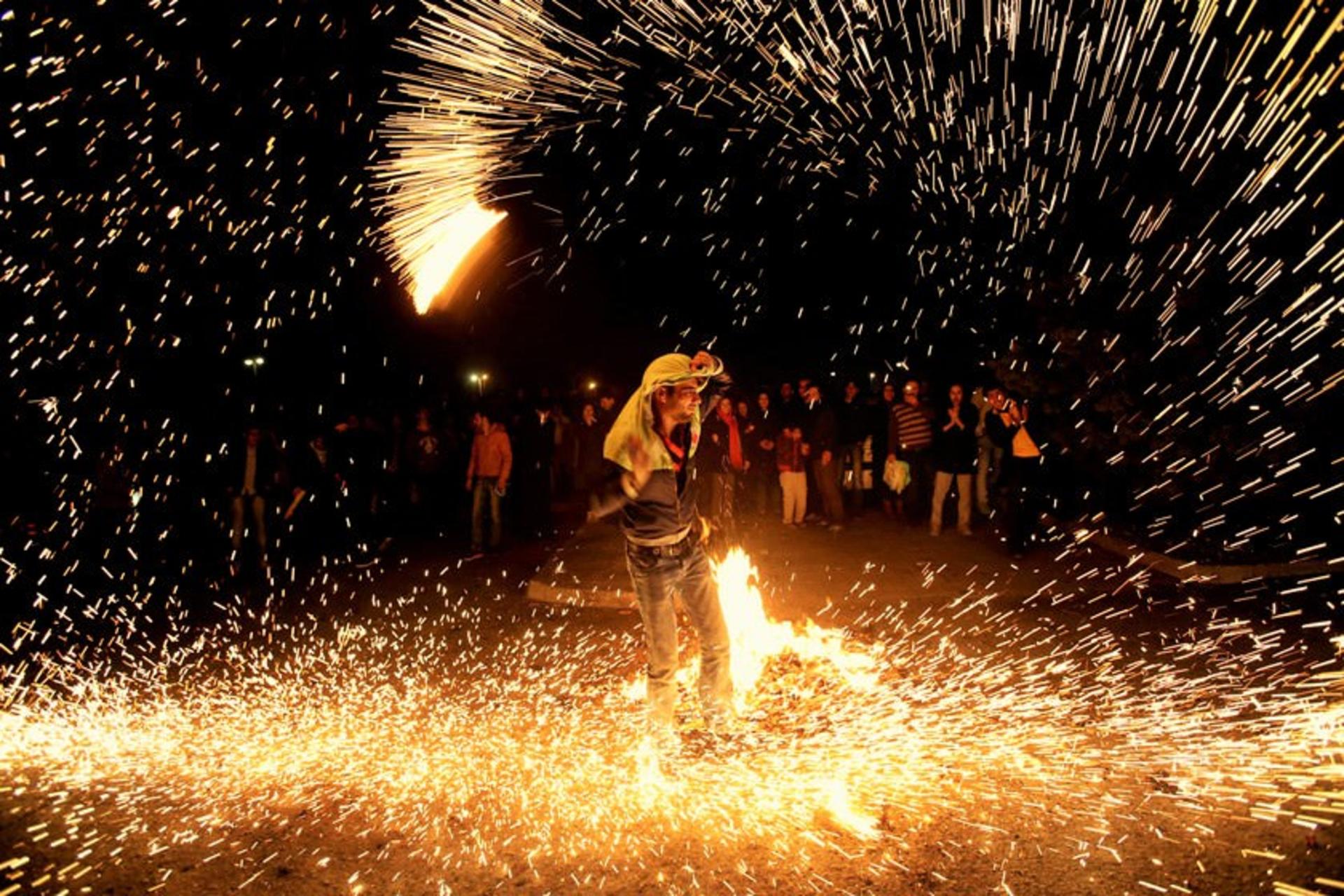
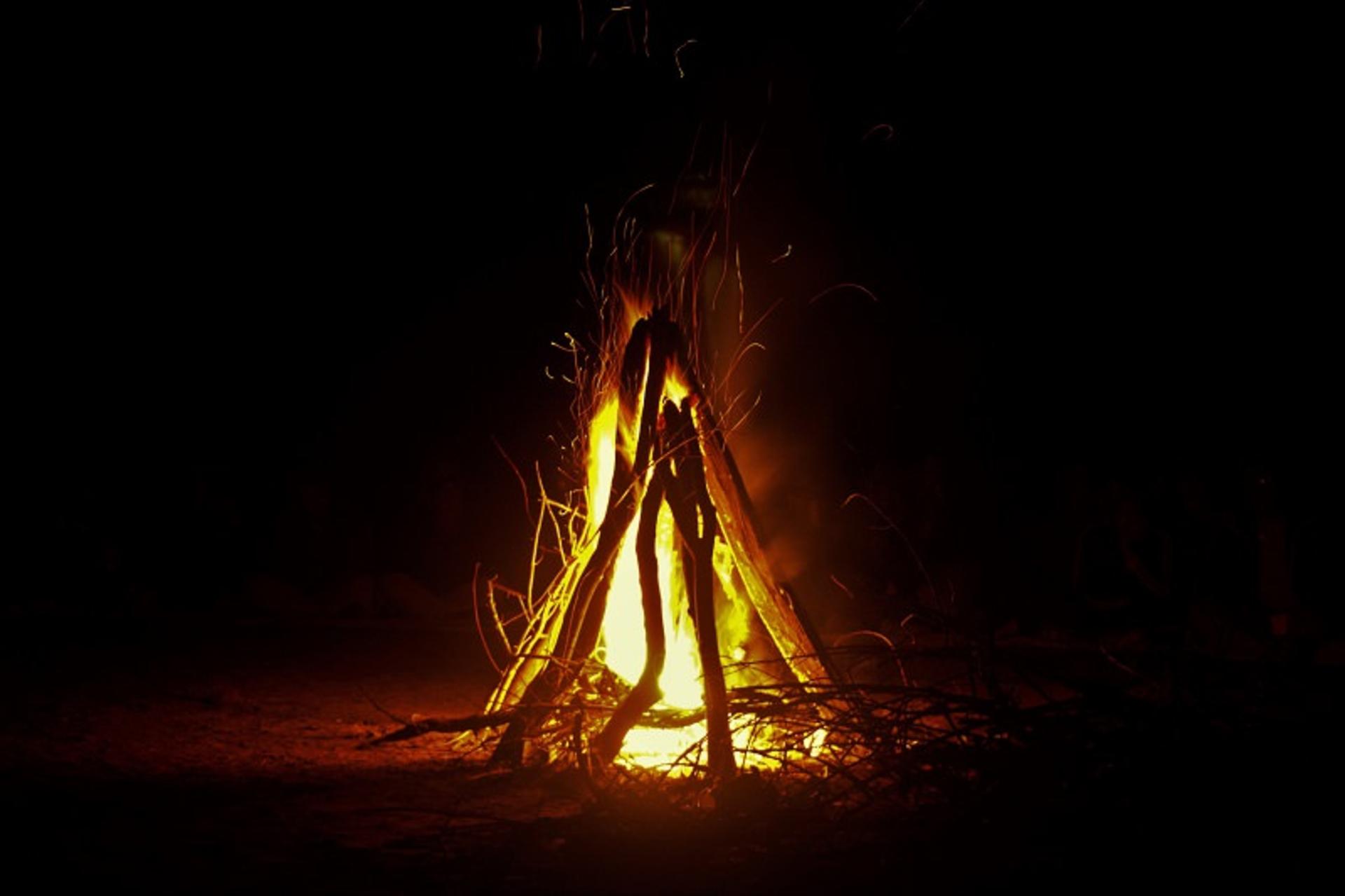
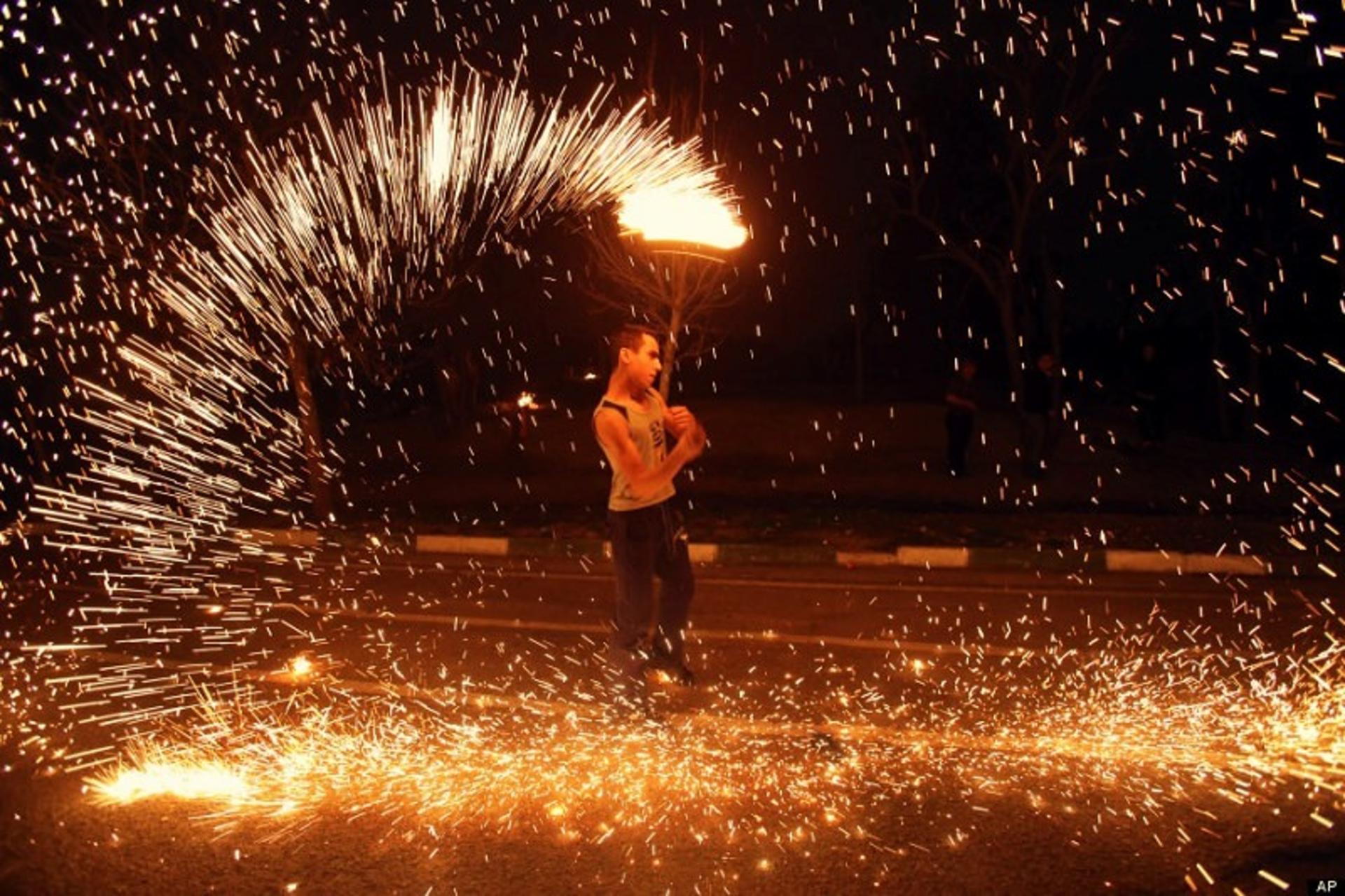
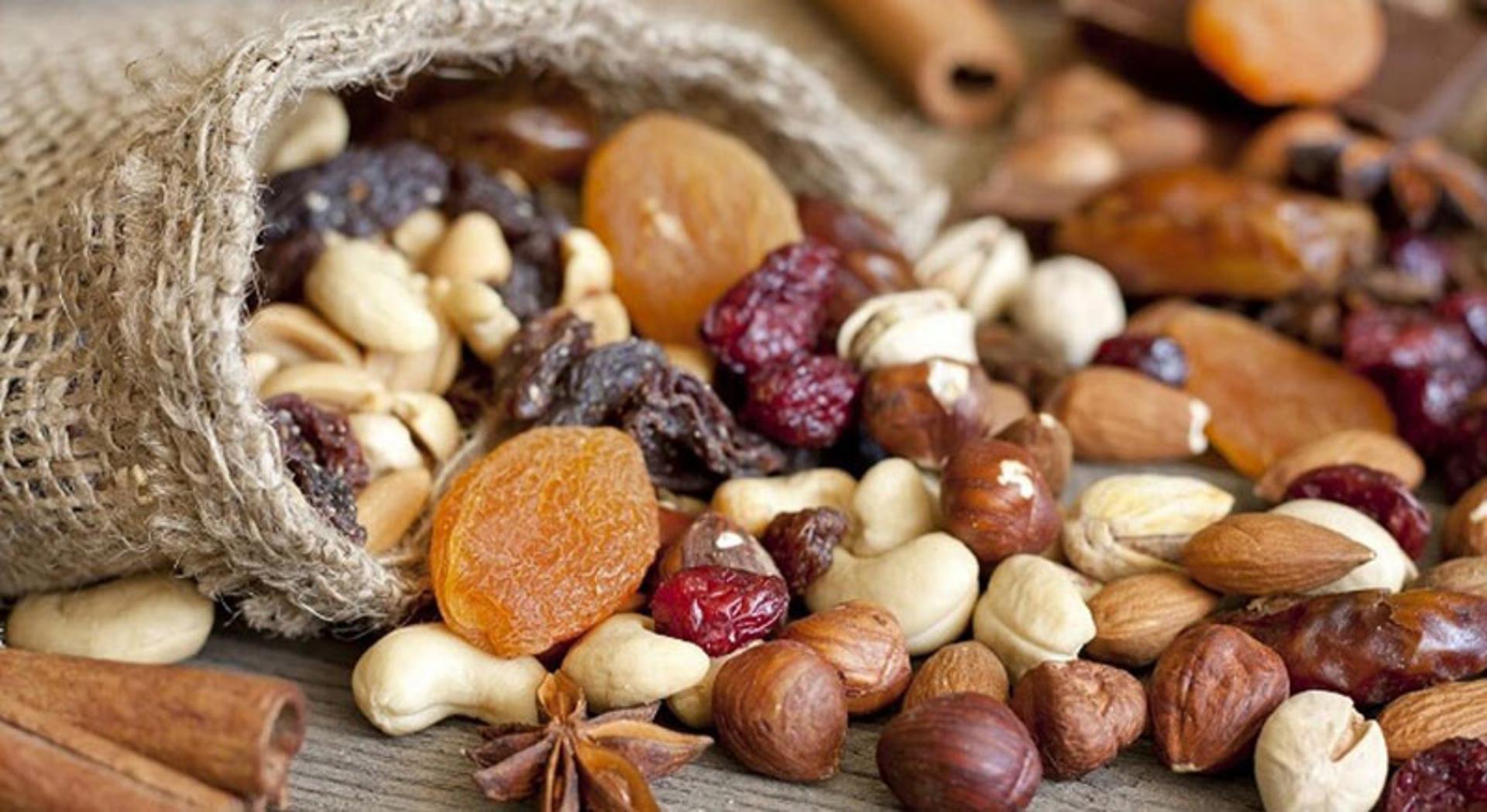
In Shiraz, the fire-jumping ritual follows a specific pattern. Families prepare either seven small mounds of brushwood or three, depending on the household tradition. They light them at dusk on Tuesday evening, and when the flames are steady, members of the family line up and leap across them one by one. The chant is the same as everywhere else in Iran, but the atmosphere around it is distinctly Shirazi. Neighbours gather in the lane, children run between the fires laughing, and someone almost always brings out a plate of ajil-e chaharshanbe suri, the special festive mix of nuts and dried fruits.
The Shirazi ajil for this night is elaborate. It includes raisins, roasted chickpeas, almonds, walnuts, dried figs, dried mulberries, raisins, toasted sesame seeds, hemp seeds, roasted wheat, puffed rice, sugar cane pieces, kharek (a type of dry date), and qeysi (dried apricot). Families set out generous plates, and it is considered good fortune to share with whoever comes to the door.
After the fire-jumping, Shirazis burn esfand (wild rue seeds) and kondor (frankincense) in the coals. The smoke that fills the courtyard and the street is believed to purify the space, drive away the evil eye, and carry the prayers of the household upward. The practice is ancient, predating Islam in Iran, and it remains one of the most evocative smells of a Shirazi Chaharshanbe Suri evening.
Fal-e Dowreh: Divination with Hafez
Perhaps the most beautiful Shirazi addition to the night is what locals call Fal-e Dowreh, the "circular divination." In keeping with the deep affection Shirazis have for Khwaja Hafez, the fourteenth-century poet whose tomb sits on the northern edge of the city, families gather around the Divan of Hafez on Chaharshanbe Suri night and perform a communal fortune-telling. Each person makes a wish or holds a question in their heart, then opens the Divan at random. The first ghazal the eye lands on is read aloud, and its meaning is taken as guidance for the year ahead.
This is not a formal or solemn affair. It is done in a circle, with tea and sweets, and often with good-natured debate about what a particular verse might mean for someone's love life or career. Hafez, after all, was the master of ambiguity, and his poems can be read in a dozen different ways depending on the question you bring to them. In Shiraz, where Hafez is not just a poet but a kind of spiritual patron, this ritual is as much a part of the night as the fire itself.
The Visit to Shah Cheragh
In Shiraz, it is a longstanding custom for unmarried young women to visit the shrine of Shah Cheragh on Chaharshanbe Suri night. Shah Cheragh, the shrine of Ahmad ibn Musa (peace be upon him), is one of the most revered Imamzadehs in Iran, and the brother of Imam Reza. The shrine's mirror-work interior is breathtaking at any time, but on this night it carries a special significance.
Young women who are hoping to find a spouse come to the shrine to pray for bakt-goshai, the "opening of fortune." They light candles, recite prayers, and make their intentions known to the Imamzadeh. The belief is that the sacred energy of the place on this particular night can hasten the fulfilment of their wishes. The shrine remains open late, and the atmosphere inside is one of quiet devotion mixed with the gentle anticipation that marks the entire evening.
This tradition reflects the unique blend in Shiraz of the ancient pagan fire festival and the Shia Islamic devotion that has shaped the city's spiritual life for centuries. The two sit comfortably side by side, and no one sees a contradiction in jumping over a bonfire and then walking to the shrine to pray.
Fal-Gush: Fortune by Listening
Another old custom practiced especially by the women of Shiraz is fal-gush, or "fortune by eavesdropping." A woman who has a specific wish or question wraps her chador tightly, makes her intention, and then stands at the corner of an alley or courtyard. She waits for the first passersby to speak. Whatever words she overhears become the answer to her question. If the fragment of conversation matches her desire, she considers her wish granted. If it does not, she tries again on another night.
The tradition requires patience and a certain willingness to surrender control. You cannot choose what you hear; you can only listen and interpret. It is a practice that teaches acceptance and attention, and it reflects the Shirazi taste for subtlety and indirect communication.
Ash-e Abu Darda: The Soup of Wishes
One of the most unusual Shirazi traditions is the preparation of a special soup called Ash-e Abu Darda. The name refers to a companion of the Prophet, and the soup is cooked for two purposes: to cure illness and to open the way for wishes to be fulfilled. What makes the tradition remarkable is the belief about how the ingredients must be obtained. Many Shirazi families hold that the ingredients for this soup should be gathered through begging, going door to door and asking neighbours for small contributions of grains, herbs, and vegetables. The act of asking, and the willingness of the community to give, is itself part of the ritual.
The soup is then cooked in a large pot and shared among the participants and the neighbours. It is a dish that turns the entire street into a kind of kitchen, and it embodies the communal spirit that is central to Chaharshanbe Suri everywhere, but finds particularly vivid expression in Shiraz.
Bakt-Goshai: The Seven-Coloured Silk
Among the oldest Shirazi customs for Chaharshanbe Suri is a ritual specifically for unmarried girls. On the night of the festival, a young woman ties a seven-coloured silk thread around her waist as a symbol of her wish for marriage. Then, on the morning of Wednesday, she asks a pre-pubescent child to untie the knot. The belief is that just as the child opens the knot, so too will her fortune be opened. The symbolism is transparent, and it connects the physical act of untying to the metaphysical hope of destiny shifting in her favour.
This tradition is less commonly practiced today than it was a generation ago, but it is still remembered, and some families in the older neighbourhoods of Shiraz continue to observe it.
The Water Ritual at the Saadiieh
One of the most distinctive Shirazi customs, and perhaps the oldest of all, takes place at the tomb of the great poet Saadi. In the western corner of the Saadiieh complex, there is a pool fed by a qanat (underground water channel) known as the Howz-e Mahi, the Fish Pool. On the last Wednesday of the year, people come to this pool to perform a ritual bathing.
The belief is that immersing oneself in the qanat water on this day wards off illness and brings health. From morning until sunset, people enter the water, and young unmarried women specifically bathe in the qanat to open their fortune in marriage. For the removal of curses and dark magic, prayers are recited from the Jam-e Chehel Kelid (the Cup of Forty Keys), and water is poured over the supplicants. Some people lie down on the surface of the water and float into the tunnel of the qanat, a practice that is both daring and deeply symbolic.
This custom connects Chaharshanbe Suri in Shiraz to water as well as fire. The two elements, fire and water, represent the dual cleansing that the Shirazis seek on this night: the fire burns away impurity, and the water washes it away.
Practical Information for Visitors
When: Chaharshanbe Suri falls on the last Tuesday evening of the Persian calendar year, usually in mid-March. Check the current year's date before planning.
Getting to Shiraz: Shiraz is served by Shiraz International Airport, and by intercity buses from Tehran (roughly 12 hours), Isfahan (about 6 hours), and other major cities. Mehyar Buses offers regular connections from all major terminals. For those already in Iran, Mehyar taxis and ride services make it easy to navigate Shiraz's streets on the night of the festival. Use Mehyar Wallet for seamless payment.
Where to experience it: The best way to experience Chaharshanbe Suri in Shiraz is to walk the residential neighbourhoods after sunset. The areas around the Quran Gate, the streets near Hafezieh, and the gardens along the Roknabad river are particularly atmospheric. You will see families setting up bonfires in the lanes, and you are likely to be invited to share in their ajil and tea.
Hotels: If you are visiting Shiraz for Nowruz and want to include Chaharshanbe Suri, book your accommodation well in advance. The city fills up in the days before the new year, and Mehyar Hotels can help you find available options across the city.
Best season: Chaharshanbe Suri is a late-winter event. Shiraz has a mild climate, and March evenings are usually pleasant, but bring a light jacket for after sunset.

The Spirit of a Shirazi Night
What makes Chaharshanbe Suri in Shiraz different from the same festival in Tehran or Isfahan or Tabriz is not any single ritual. It is the texture of the whole evening. The poetry of Hafez hanging in the air alongside the smoke of the bonfires. The call to prayer from the Shah Cheragh minarets blending with the laughter of children jumping over flames. The ancient qanat water at the Saadiieh holding the same sacred promise as the fire in the courtyard. In Shiraz, the old and the new, the sacred and the festive, the poetic and the physical, all come together on this one night in a way that feels effortless and complete.
If you are in Iran when the last Wednesday approaches, go to Shiraz. Light your fire, jump, recite Hafez, drink tea with strangers, and listen to the night. The city will tell you its story, and you will carry it home like a candle flame, steady and warm, all the way through the new year.