
Beyond the tombs and gardens of Shiraz, the road climbs into the Zagros mountains through a landscape of oak scrub, wild fig, and almond trees. Roughly thirty kilometres northwest of the city, the route opens into Barm-e Delak, a broad valley where natural springs feed clear streams that run through grassy meadows and shaded groves. It is one of the most popular picnic destinations for the people of Shiraz, a place where families spread carpets on the grass, children splash in the shallow water, and the air smells of wild thyme and wood smoke.
This guide covers the geography, what to expect on a visit, the cultural landscape, practical details, and how Mehyar can handle your transport and accommodation needs for the trip.
Where is Barm-e Delak?
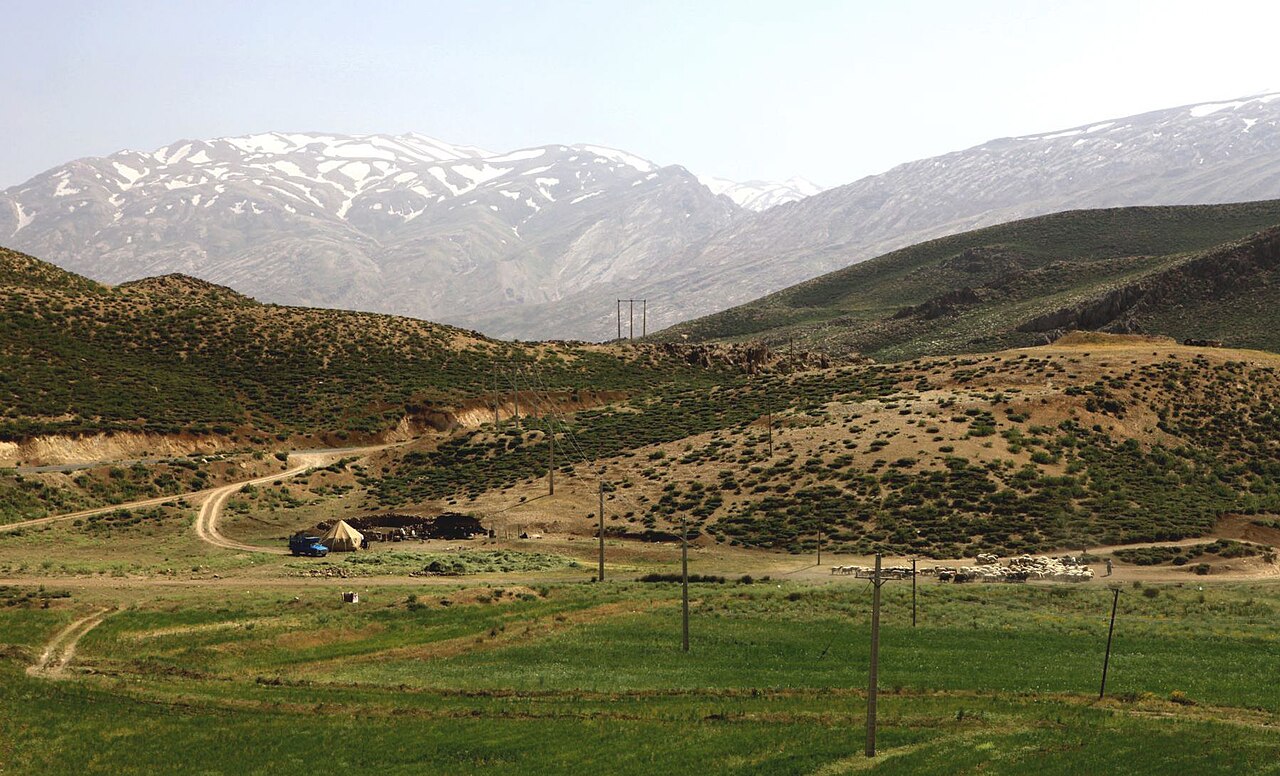
Barm-e Delak lies in the mountainous countryside northwest of Shiraz, in Fars province. The valley sits at an elevation of approximately 2,200 to 2,400 metres above sea level, in a region where the Zagros fold-and-thrust belt creates a series of parallel ridges and intervening valleys. The drive from Shiraz takes you through the northern suburbs and then up a winding mountain road, passing small villages and terraced fields before reaching the valley floor.
The name "Barm" in the local dialect refers to a highland meadow or plateau, and "Delak" is the name of the specific area. The combination describes exactly what you find: an elevated, open green space surrounded by rocky slopes and scrubland, watered by springs that emerge from the limestone geology of the Zagros.
For context on the wider region, see the Shiraz travel guide.
What to See and Do
The main attraction of Barm-e Delak is the landscape itself. The valley floor is a patchwork of grassy areas, groves of wild almond and pistachio, and narrow channels where spring water flows year-round. The streams are fed by snowmelt and mountain springs, and the water is cold and clear. In spring, the meadows are covered with wild flowers, including poppies, irises, and buttercups, and the surrounding hillsides are green with new growth.
Visitors typically come to picnic, walk, and enjoy the natural setting. The area is well suited for day trips from Shiraz, with enough space and shade to spend several hours comfortably. Popular activities include:
- Picnicking on the grassy meadows near the streams.
- Walking along the valley floor and into the surrounding hills.
- Photographing the spring wild flowers and the mountain scenery.
- Swimming in the deeper pools where the streams collect, in warm weather.
- Birdwatching in the scrubland and oak forest on the hillsides.
The valley is also a starting point for longer hikes into the Zagros mountains, though most visitors stay near the picnic areas.
The Natural Environment
The Zagros mountains are one of the most important biodiversity zones in western Iran. The oak forests that cover the slopes around Barm-e Delak are dominated by Persian oak (Quercus brantii), which is the most widespread tree species in the Zagros. These forests provide habitat for a range of wildlife, including wild boar, jackals, foxes, and various bird species such as eagles, partridges, and rock buntings.
The spring-fed streams support a different ecosystem, with water-dependent vegetation along the banks and aquatic invertebrates in the clear water. The area is particularly rich in botanical diversity, with hundreds of plant species recorded in the broader Zagros region, many of them endemic to Iran.
The valley is not formally protected as a national park, but it is managed by local authorities who maintain basic facilities and collect a small fee from visitors. Visitors should take care to leave no trace, avoid disturbing wildlife, and respect the natural environment.
History and Local Culture
The area around Barm-e Delak has been inhabited for centuries by rural communities who practice a mix of agriculture and pastoralism. The terraced fields you see on the drive up from Shiraz are still farmed, growing wheat, barley, and vegetables depending on the season. Shepherds bring their flocks of sheep and goats to graze on the valley slopes, and you may encounter them on the trails.
The villages in the area are small and traditional, with houses built of stone and mudbrick. The people of the rural Fars hinterland speak Persian with a distinctive regional accent, and their way of life has changed relatively little over the generations. Local hospitality is warm, and it is not uncommon for travellers to be offered tea or fresh produce by villagers.
In the broader context of Fars province, the Zagros mountains have been home to pastoral nomads, particularly the Qashqai and Khamseh tribal confederations, who have migrated between summer highland pastures and winter lowland camps for centuries. While Barm-e Delak is not on a major nomadic migration route, the landscape you see is part of the same cultural ecology.

Practical Information
Hours and access. The valley is open during daylight hours. There are no formal opening hours, though the road may be difficult in winter after heavy snow.
Tickets. A small entrance or parking fee may be charged by local authorities, typically around 20,000 to 50,000 Iranian rials per vehicle.
Duration. Plan for three to five hours for a comfortable day trip, including the drive from Shiraz, time in the valley, and the return. If you want to hike into the surrounding hills, allow a full day.
Facilities. Basic facilities exist near the main picnic areas, including paved parking, restrooms, and small shops selling tea, snacks, and charcoal for grills. There are no restaurants or formal amenities. Bring your own food and water.
How to Get There
By Mehyar Taxi. The simplest way to reach Barm-e Delak is to open the Mehyar app and book a taxi from Shiraz. The drive takes approximately 45 minutes to one hour. Mehyar Taxi can arrange a round trip with waiting time, which is the most comfortable option for a day trip. Discuss the return timing with your driver.
By private car. From Shiraz, take the road northwest toward the villages of the mountainous hinterland. Follow signs for Barm-e Delak. The road is paved for most of the way, though the final stretch may be narrow and winding. Parking is available in the valley.
By public transport. Minibuses and shared taxis run from Shiraz toward the northern villages, but they do not go directly to the valley. You would need to take a minibus to the nearest village and then arrange a local taxi for the remaining distance. A private vehicle or Mehyar taxi is strongly recommended.
For accommodation in Shiraz, see Shiraz hotels or use Mehyar to browse and book directly.
Best Time to Visit
The valley is at its best in spring, from late March through May, when the wild flowers are in bloom, the streams are full from snowmelt, and the weather is warm but not hot. Early summer (June) is also pleasant, though the flowers begin to fade and the streams may slow.
Autumn brings golden colours to the oak forests and cooler temperatures, making it a pleasant time for walking. Winter is cold, and the valley may be covered in snow, which makes the road difficult and the facilities closed. The area is best visited between April and October, with the peak season in April and May.
For a complete Shiraz itinerary that combines the city's historical sites with natural excursions like Barm-e Delak, use Mehyar to handle your transport, hotels, and plans in one place.