
Ardabil is a city where history and nature refuse to stay in separate corners. Nestled at 1,500 meters above sea level between the Sabalan and Baghrud mountain ranges in northwestern Iran, it carries over five thousand years of civilization in its soil. The Sheikh Safi al-Din ensemble, a UNESCO World Heritage Site, draws visitors with its exquisite tilework and Safavid-era grandeur. Just beyond the city limits, the dormant Sabalan volcano rises to 4,000 meters, its summit cradling a glacial lake. Hot springs bubble up across the province, and the local language is Azerbaijani Turkish, a melodic tongue that sets the tone for everything from market haggling to tea-house conversation. This guide covers what to see, how to get there, when to go, and how to use Mehyar to handle flights, hotels, taxis, and payments along the way.
Where is Ardabil?
Ardabil sits in the northwest of Iran, in the province that shares its name. It is the administrative center of Ardabil province and lies roughly 620 kilometers northwest of Tehran, about a seven to eight hour drive depending on the route you take. The city borders the Republic of Azerbaijan to the north and Gilan province to the east, placing it at a crossroads between the Caspian lowlands and the highland plateau. Its people speak Azerbaijani Turkish, though Persian is widely understood, and you will find that those working in tourism and hospitality often speak some English. The population is modest compared to cities like Tabriz or Tehran, which gives Ardabil a quieter, more relaxed atmosphere.
How to get to Ardabil
By air
Ardabil International Airport handles daily flights to Tehran and several other domestic destinations. The airport is located just a few kilometers from the city center, and a taxi ride takes roughly ten to fifteen minutes. You can book flights to Ardabil through the Mehyar app, where you can compare schedules and prices in one place. Once you land, open Mehyar and request a taxi to your hotel. The app shows you the fare upfront, so you do not have to negotiate or wonder whether you are being overcharged.
By bus
Iran has an extensive intercity bus network, and Ardabil is connected to most major cities. From Tehran, the journey takes seven to eight hours via Qazvin and Zanjan, or roughly the same time via Qazvin and Rasht. From Tabriz, the trip takes about five hours via Sarab. From Isfahan, expect around eleven hours via Saveh and Zanjan. Bus tickets can be booked through the Mehyar app, which lets you reserve your seat in advance, especially useful during holidays when popular routes fill up quickly.
Getting around Ardabil
Ardabil does not have a metro system, but the city is compact enough that many attractions are within walking distance of each other. Taxis are plentiful and affordable. For visitors, the easiest way to get around is to use Mehyar Taxi. The app works like a local ride-hailing service, with clear pricing and the ability to pay through your Mehyar wallet. This means you do not need to carry large amounts of cash for every ride, and you do not need to explain your destination in a language you may not speak. Note that Ardabil does not currently have an active railway station, so overland travel is by bus or private car.
A short history of Ardabil
The name Ardabil comes from the Avestan word Artawil, meaning "holy city," and the people of Talesh still refer to it by its ancient name, Arduwil. Over the centuries, it was also known as Daralarshad and Daralmulk. Its strategic location on the Silk Road brought economic prosperity and cultural exchange, and remnants of that ancient civilization are scattered throughout the region. The city rose to particular prominence during the Safavid era, when Sheikh Safi al-Din Ardabili founded a Sufi order here that eventually evolved into the Safavid dynasty, one of the most powerful empires in Iranian history. The ensemble he left behind remains the most important architectural complex in the city and the only UNESCO World Heritage Site in Ardabil province.
What to see in Ardabil
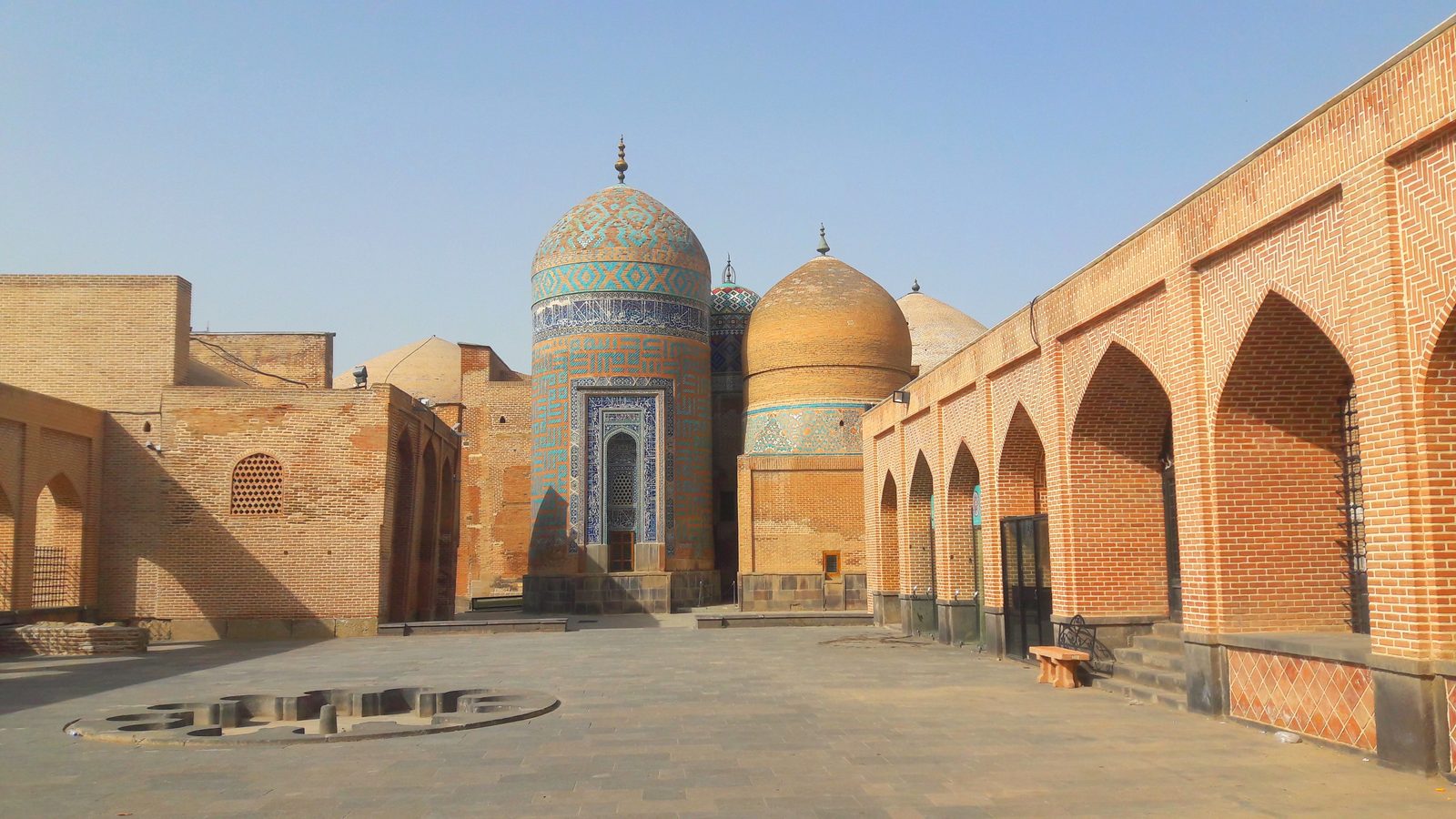
Sheikh Safi al-Din Khanegah and Shrine Ensemble
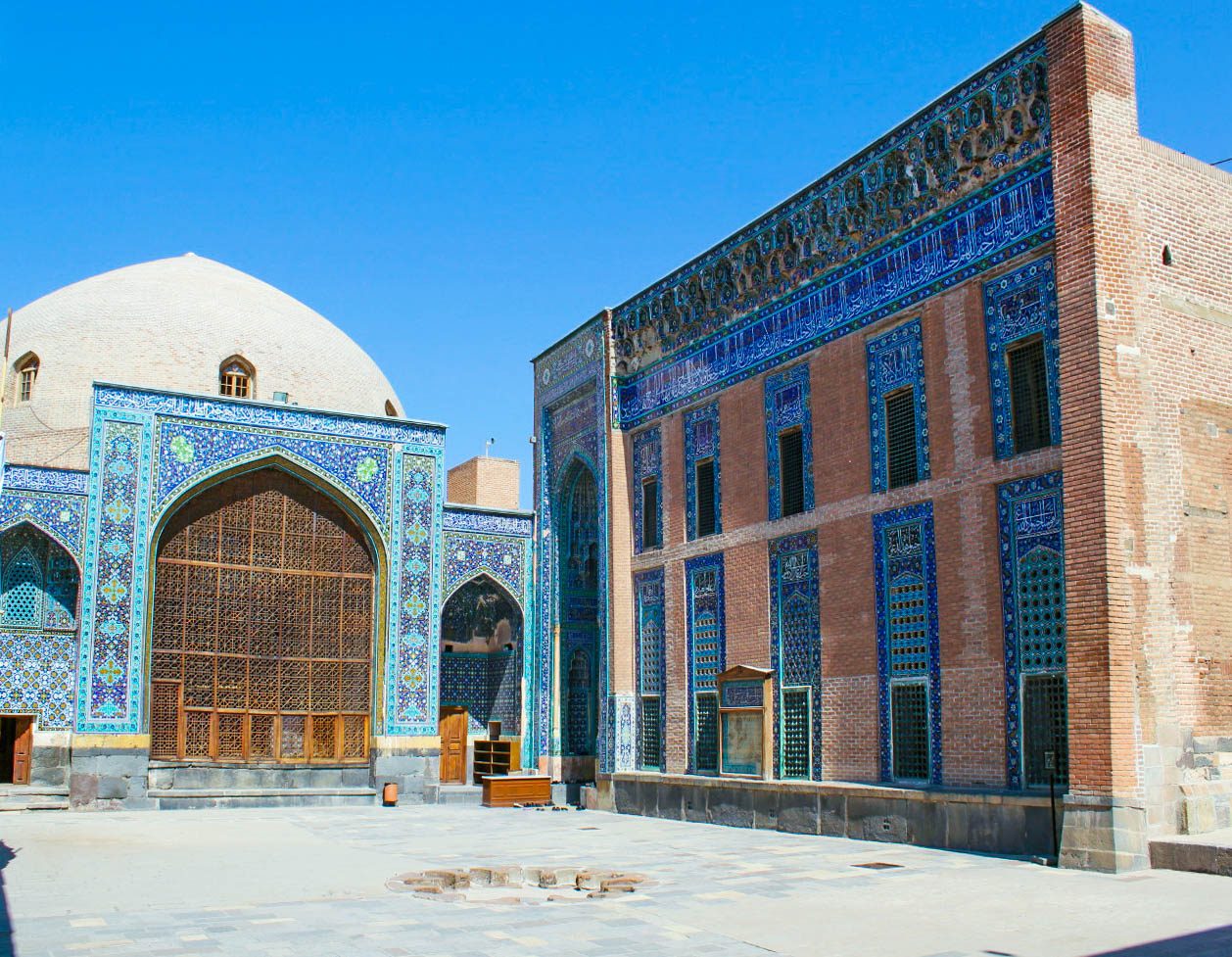
The Sheikh Safi al-Din ensemble is the crown jewel of Ardabil and the only UNESCO site in the province. It is the burial place of Sheikh Safi al-Din Ardabili, a renowned mystic born in 1252, and also houses the tombs of Shah Ismail I, the founder of the Safavid dynasty, and the martyrs of the Chaldoran and Shervan wars. The complex was registered as a national monument of Iran in 1931 and inscribed on the UNESCO World Heritage List in 2010.
The buildings within the ensemble date from the fourteenth to the seventteenth centuries, spanning the Ilkhanid through the late Safavid periods. What makes the site extraordinary is the quality and diversity of its decorative arts. Intricate tilework in mosaic faience covers entire walls, with geometric and floral patterns executed in shades of turquoise, cobalt, and gold. The woodwork includes inlaid doors and latticed screens of remarkable precision. Calligraphy by master scribes of the Safavid court, including Mir Emad and Mir Qavam al-Din, adorns the stone and plaster surfaces. The famous Ardabil Carpet, one of the most celebrated works of Persian textile art, was originally created for this shrine before it was taken to the Victoria and Albert Museum in London during the Russo-Iranian wars of the Qajar era.
The ensemble includes several distinct sections: the Paradise Mosque, the China House with its porcelain collection, the Chella House, the Dar al-Huffaz hall for Quranic recitation, and the central dome over Sheikh Safi's tomb, known as the Allah Allah Dome for the repeated inscription of the divine name around its drum. Visitors typically spend two to three hours exploring the full complex. Entry requires a ticket.
Address: Sheikh Safi Street, Alighapoo Square
Hours: First half of the year 8:00 to 20:30; second half 8:00 to 17:30
Jameh Mosque of Ardabil
The Jameh Mosque is one of the oldest religious buildings in Ardabil, dating back to the Seljuk era. Its architectural structure differs from other contemporary buildings in the region, which adds to its historical value. The mosque was originally built next to a fire temple from the Ashkanian period, and though it suffered significant damage during the Mongol invasion, it was later rebuilt. Only a few original parts survive today, but the remaining structure offers a glimpse into the layered history of worship at this site. It is located on Ayatollah Madani Boulevard in the Pir Shamseddin neighborhood.
Shourabil Lake
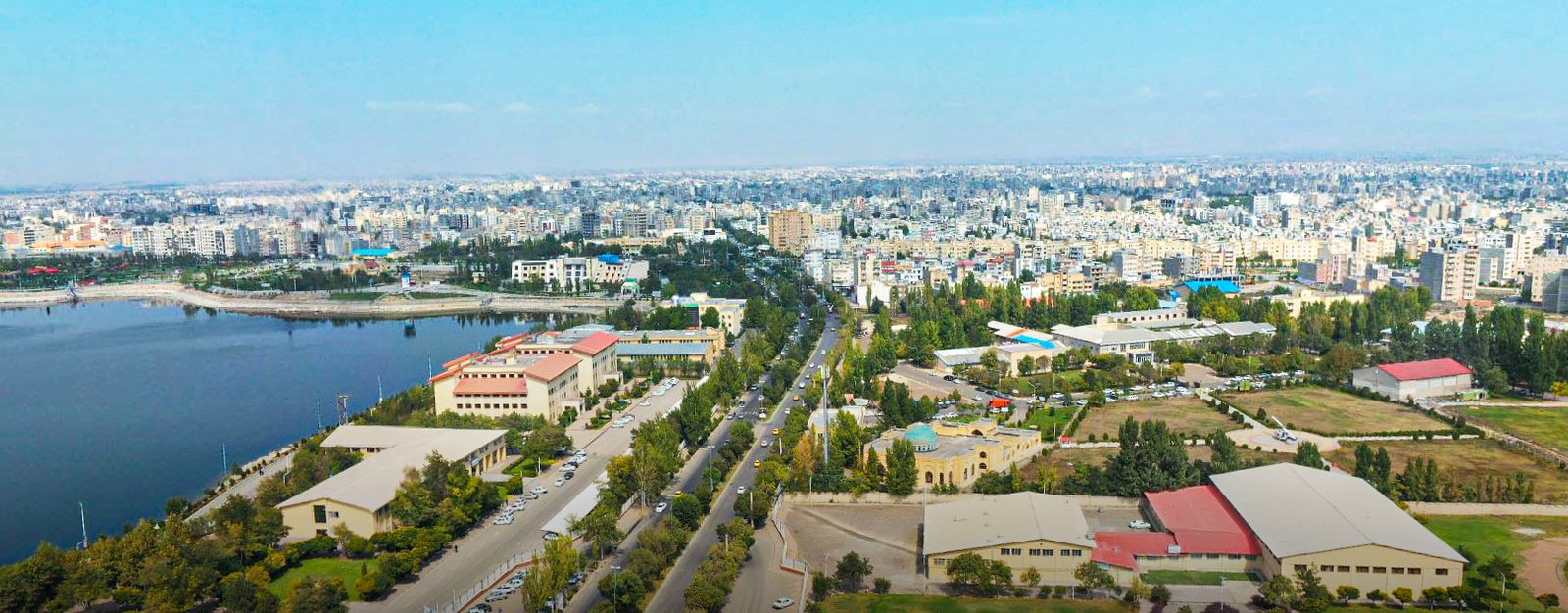
Shourabil is the only urban lake in Iran, located on Daneshgah Street within Ardabil city. Originally a saltwater lake, it was later supplemented with freshwater and now supports fish farming alongside its role as a recreational destination. The lakefront has been developed with cycling paths, boating facilities, cafes, and restaurants. It is a favorite gathering spot for locals, especially in the evenings, and offers a pleasant escape without leaving the city. You can reach it easily by taxi using Mehyar.
Sabalan Mountain and Lake
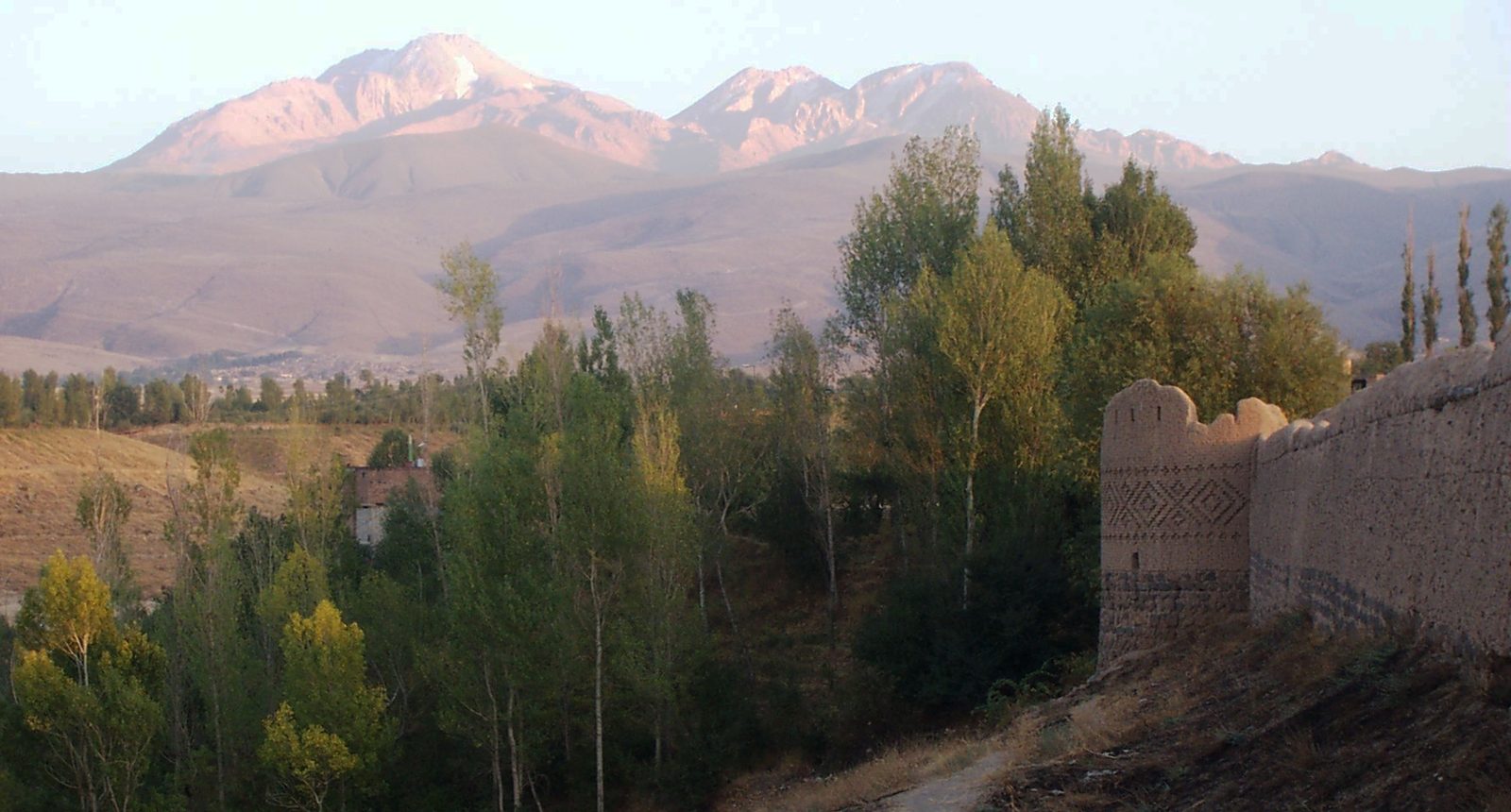
The dormant Sabalan volcano rises to 4,811 meters and dominates the western skyline of Ardabil. Its summit holds a crater lake that freezes in winter and thaws only during the warmest summer months. The climb to the lake typically takes two days, with overnight camping at base camps along the way. The mountain is also home to the Alvares Ski Resort, where skiing is possible for up to nine months of the year thanks to the high altitude and persistent snow cover. The hot springs at the foothills, particularly those in the town of Sar'eyn, are known for their therapeutic properties and draw visitors from across Iran.
Neor Lake
Neor Lake sits at an elevation of about 2,500 meters in the Baghrum Mountains, roughly 48 kilometers southeast of Ardabil. Unlike the urban setting of Shourabil, Neor is a highland lake surrounded by alpine meadows and rocky slopes. It is a popular spot for camping, horseback riding, and fishing. The drive from Ardabil takes about an hour on a winding mountain road, and the scenery along the way is as rewarding as the destination itself.
Heyran Pass
The Heyran Pass is one of the most scenic roads in Iran, running between Astara on the Caspian coast and Ardabil. The route winds through lush green mountains, dense forests, and terraced hillsides that turn orange, yellow, and red in autumn. Roadside tea houses serve charcoal-brewed tea and local yogurt soup in a misty, almost dreamlike atmosphere. A cable car runs over the pass, offering panoramic views of the forest canopy below. The distance from Astara to Ardabil through the pass is roughly 75 kilometers, and the journey takes about two hours without stops. This makes it an excellent day trip or transfer route if you are combining a visit to the Caspian coast with your time in Ardabil. For more on planning a coastal detour, see our guide to the Caspian coast.
Yeri City
Yeri City is an ancient archaeological site located about 65 kilometers northwest of Ardabil, near the town of Meshginshahr. The site consists of three sections: a temple, a military fortress, and a hill known as Gusha Tappeh. Around 300 standing stones of various sizes and shapes, some resembling human figures, dot the landscape. These stones date back to the second millennium BCE, making Yeri City one of the oldest archaeological sites in the region. It is a place of stark beauty and deep mystery, far from the usual tourist trail.
Hot springs of Sar'eyn
The town of Sar'eyn, located just a short drive from Ardabil, is famous for its natural hot springs. These springs emerge from the volcanic geology of the Sabalan foothills and are rich in minerals that are believed to have therapeutic benefits. Several spa complexes have been built around the springs, offering indoor and outdoor pools at comfortably warm temperatures. The most well-known include Gavmish Goli, Qarah Soo, and the Sabalan Spa Complex. Visiting the hot springs is a deeply Iranian experience, one that combines relaxation with a tradition that stretches back centuries. You can book a taxi to Sar'eyn through Mehyar and be there in under thirty minutes.
Food and local culture
Ardabil's cuisine reflects its Azerbaijani heritage and its mountainous geography. The food is hearty, meat-forward, and designed to sustain people through cold winters. Local specialties include various types of kufteh, ash-e doogh (a yogurt-based soup), and kebabs prepared with local herbs. The city is also known for its honey, particularly from the villages around Sabalan, and its dairy products. You will find traditional restaurants in the city center and near the major attractions. For a deeper look at how to handle meals and payments during your trip, see our guide to paying in Iran.
Ardabil's bazaars are smaller and less overwhelming than those of Tabriz or Isfahan, but they offer authentic local goods. Handwoven carpets from the Ardabil region are prized for their durability and distinctive patterns. Local handicrafts include silver jewelry, wooden carvings, and felt textiles. The bazaar near the Sheikh Safi ensemble is a good starting point, and you can pay with your Mehyar wallet at participating merchants.
When to go
The best time to visit Ardabil is from late spring to early autumn, roughly from May to September. Summers are mild, with average temperatures around 20 to 25 degrees Celsius during the day, making the city a pleasant escape from the heat of central and southern Iran. Spring and autumn offer cooler weather and fewer crowds, though nights can be chilly even in these seasons. Due to its elevation of 1,500 meters, Ardabil has cold and long winters, with temperatures often dropping well below freezing and snow lasting for five to eight months of the year. If you visit in winter, the Alvares Ski Resort offers excellent conditions, and the hot springs are particularly enjoyable in cold weather. Pack warm clothing regardless of the season, as summer evenings can still be cool.
Practical notes
Ardabil is generally a safe city for travelers, and locals are known for their warmth and hospitality. As in the rest of Iran, women are required to wear a headscarf and modest clothing in public. Men should avoid shorts. Alcohol and pork are not available. International credit and debit cards do not work in Iran, so you will need to rely on cash or a local payment solution. The Mehyar wallet is designed for exactly this situation. You can top up your wallet at authorized locations and use it to pay for taxis, hotels, and other services. The app also lets you book flights, buses, and hotels, and you can use the Mehyar planner to organize your itinerary.
If you are planning a longer trip through northwestern Iran, Ardabil pairs naturally with a visit to Tabriz, which is about five hours to the west. Our Tabriz guide covers that city's UNESCO bazaar, the Blue Mosque, and the rock village of Kandovan. For travelers combining highland and coastal experiences, the drive through Heyran Pass connects Ardabil to the Caspian coast, detailed in our Caspian coast guide. For those starting in the capital, our first trip to Iran article covers visa and payment basics.
Ardabil is a city that rewards those willing to venture beyond the obvious. Whether you are tracing your fingers along Safavid tilework, soaking in a mineral spring under an open sky, or watching the sunset over Sabalan's snow-dusted peak, you will find that this corner of Iran has a quiet power all its own. Open Mehyar, book your flight or bus, find a hotel, and let the app handle the logistics. The rest is yours to discover.