
Iran rewards travelers who plan the paperwork before they dream about the itinerary. The visa question is rarely complicated in spirit, but it is layered in practice: your passport decides your path, and that path decides how far ahead you must move. This guide walks through the main nationality routes, the documents almost everyone needs, the difference between visa-free entry, an electronic visa, and an embassy sticker, and the practical timing that keeps a trip from collapsing at the check-in desk. It also explains where Mehyar fits once your entry is cleared.
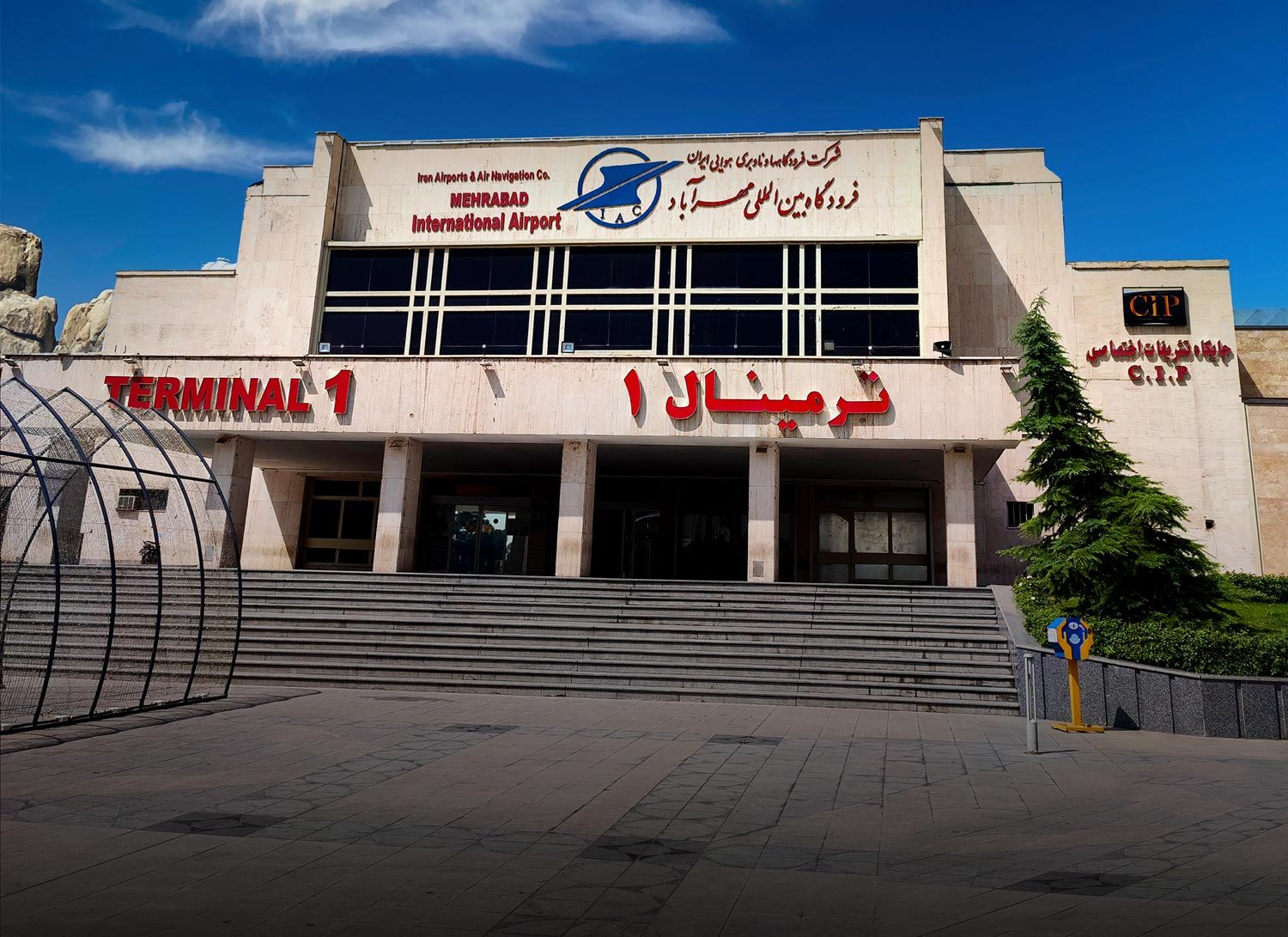
Where does the visa decision actually start?
It starts with your nationality and your purpose of travel. Iran's visa system is not one door but several: some passports enter without a visa for a fixed number of days, some apply online through an official e-visa portal, and some must go through an embassy or consulate with a pre-approved authorization. A fourth group, mainly travelers from the United States, the United Kingdom, and Canada, faces a stricter process that involves an approved itinerary and, once inside Iran, a guide.
Because the rules are reviewed often and can shift after political or regional events, treat every list in this article as a starting point, not a guarantee. Before you buy a ticket or pay for a hotel, confirm your specific case with the nearest Iranian embassy or consulate and with the official e-visa portal. Rules change, and the traveler who checks twice travels calmly.
Visa-free entry: who can simply arrive?
A meaningful group of nationalities can enter Iran without applying for a tourist visa in advance, usually for a short stay and usually for tourism only. Reported visa-free arrangements in recent years have included countries such as Armenia, Georgia, Turkey, Oman, Iraq, Lebanon, Tajikistan, China, Malaysia, Kazakhstan, Azerbaijan, Egypt, and many others, with permitted stays ranging from roughly 14 days to 90 days depending on the passport [citation:3][citation:11]. Gulf Cooperation Council passport holders have also appeared on visa-free or short-stay lists, generally for around 15 days, with Oman often granted a longer window [citation:3][citation:9].
Two cautions matter here. First, visa-free entry is usually not extendable, so if you want to stay longer than the allowance, you need the correct visa category from the start. Second, visa-free does not mean paperwork-free at the border. Officers can still ask for proof of onward travel, a hotel address, travel insurance, and evidence that you can fund your stay. Carry printed copies of your first nights of accommodation and your return ticket even when no visa is required.
If your passport qualifies, you can often build a flexible independent itinerary. That flexibility is exactly where Mehyar earns its place: once entry is settled, open Mehyar to compare hotels, book domestic flights or buses, and arrange airport transfers without juggling a dozen separate apps.
E-visa: the online route for many travelers
For a large number of nationalities that are not visa-free, the standard route is the official electronic visa system, which lets you submit an application, upload documents, and receive a decision online before you travel [citation:2][citation:7]. The e-visa is not a visa on arrival and it is not a walk-in service: you apply in advance, you wait for approval, and only then do you finalize travel.
In practice, the process usually looks like this. You create an account on the official portal, upload a compliant color photo and a scan of your passport's information page, describe your travel plan, name your host or hotel, and pay the applicable fee. Many applicants are also asked to identify a sponsor inside Iran, which can be a hotel with a confirmed reservation or a licensed travel company [citation:12]. Approval typically arrives within several working days, though busy periods and nationality-specific checks can stretch that timeline.
Once approved, the visa is often issued electronically rather than as a sticker in your passport, and you present the approval along with your passport at the port of entry. Some embassies still require an in-person step for fingerprints or document submission, particularly for certain nationalities and visa categories [citation:14]. Read the instructions attached to your specific embassy carefully, because the e-visa approval and the embassy's local procedures are two different steps that must both be completed.
Embassy and consulate route: when you need a sticker
Some travelers must apply through an Iranian embassy or consulate rather than relying purely on an online approval. This is typical for applicants whose nationality or visa category requires consular review, and it is standard for anyone who needs a visa type beyond tourism, such as work, study, journalism, or family reunion [citation:2][citation:5].
The embassy route usually begins with an authorization number issued by Iran's Ministry of Foreign Affairs, which is generated after a sponsor, hotel, or licensed travel company submits your details. With that authorization in hand, you complete the e-visa form, then submit your passport, printed confirmation, photographs, insurance, and fee payment to the embassy or its designated visa center [citation:12][citation:14]. Processing times vary widely: some posts return passports within a week, while others take two to three weeks. Applying at least one month before departure, and more if your case is unusual, is the safer habit.
US, UK, and Canada: the guided-tour rule
Travelers holding United States, United Kingdom, or Canadian passports face the most structured process. Their trips must generally be arranged through a registered Iranian travel agency, with a full itinerary and accommodation submitted for approval before a visa is issued [citation:1]. Once in Iran, these travelers are typically required to be accompanied by an approved guide throughout their stay, and they are expected to follow the approved itinerary [citation:1].
For US applicants, there is no Iranian embassy in Washington, so consular services are handled through the Iranian Interests Section at the Pakistani Embassy, and applications can sometimes be submitted by mail [citation:1]. British and Canadian applicants generally deal with the relevant Iranian embassy or consulate and should expect longer processing, often measured in weeks to a few months. If you hold one of these passports, start the conversation with a licensed agency many months before your intended travel dates, because the timeline is driven by approvals you cannot rush.
GCC travelers: short stays and simple logistics
For travelers from the Gulf Cooperation Council states, Iran has been relatively open, and several GCC nationalities appear on visa-free or short-stay arrangements, commonly around 15 days, with Oman often permitted a longer period [citation:3][citation:9]. These short windows suit weekend and long-weekend trips well, but they also mean the clock starts at entry, so plan your internal travel tightly.
Because many GCC cities sit within a short flight of Tehran, Shiraz, Isfahan, or Mashhad, the practical bottleneck is rarely the flight itself. It is the planning around it: which city to base in, how to move between cities, and how to pay once you arrive. Open Mehyar early to line up hotels near the areas you want to walk, book domestic transport between cities, and set up your wallet and connectivity before departure so that arrival day is calm rather than chaotic.
Documents most travelers should prepare
Whatever your route, a core set of documents keeps the process moving. Your passport should have at least six months of validity remaining and at least two blank pages for stamps or stickers [citation:14]. You will need a recent color photograph that meets the official size and format requirements, and a clean color scan of your passport's information page.
Beyond those basics, prepare proof of accommodation, such as a hotel confirmation, and a rough travel plan that names the cities you intend to visit [citation:12]. Travel insurance is required for many visa categories and is often bundled into the visa fee at issuance, so check whether your policy is already included or whether you must purchase separate coverage [citation:2][citation:15]. If you are applying through an embassy, bring a printed copy of your e-visa confirmation, the fee receipt, and a prepaid return envelope if the post requires one [citation:14]. For applicants with a sponsor, a letter or reference number from that host can speed the process considerably.
One special note: if you hold any passport that contains an Israeli visa or stamp, expect complications, as entry is generally refused in those cases. If your situation is unusual, ask the embassy before you build an itinerary around it.
Timing, fees, and the honesty about change
Visa fees vary by nationality and visa type, and they have ranged from roughly 30 euros to well over 100 euros for tourist categories, with urgent processing sometimes adding a surcharge [citation:7][citation:15]. The validity window of an issued visa, meaning the period during which you must enter Iran, has also been adjusted at times, so do not assume the number you read last year still applies [citation:14].
This is the part of the article where honesty matters most. Visa rules are administrative decisions, not fixed geography, and they can change after elections, regional tensions, or shifts in tourism policy [citation:1]. A visa-free list can shrink, a processing time can lengthen, and a new insurance requirement can appear with little warning. Treat the details here as a map of how the system works, then verify your specific case with official sources close to your travel date. If a travel agency or a friend gives you a different answer, check the official portal and the embassy again.
After approval: what to do before you fly
Once your entry is cleared, the trip becomes a logistics puzzle in the best sense. This is where Mehyar should become your default companion. Use Mehyar Hotels to lock in accommodation that matches your approved itinerary, and Mehyar Flights or Mehyar Buses to connect cities without hunting through separate booking sites. On arrival, Mehyar Taxi handles the airport-to-hotel leg, and the Mehyar wallet keeps payments simple so you are not searching for cash in the first hour.
For connectivity, set up your Mehyar SIM or data plan before or shortly after arrival, since maps, translation, and ride requests all depend on a working connection. If your itinerary is still loose, the Mehyar planner and Discover sections can help you shape a realistic route across Tehran, Isfahan, Shiraz, Yazd, and beyond. The visa is the gate; Mehyar is what makes the days after the gate run smoothly.

Related reading on Mehyar
- First trip to Iran: First Trip to Iran
- Money and payments: Paying in Iran
- Connectivity: Internet, SIM, and Apps
- Booking: Booking Hotels and Rides
- Short trips from the Gulf: Iran Long Weekend from GCC

A calm close
An Iran visa is less a single obstacle than a short set of steps that depend entirely on your passport. Find your category, prepare the documents early, verify the current rules before you pay for anything, and then let the planning turn toward the pleasant part: choosing cities, booking rooms, and arranging the small comforts that make a trip feel effortless. Do the paperwork once, carefully, and the rest of Iran opens up.