
Most museums in Tehran display objects that people made: pottery, textiles, paintings, weapons, coins. The Golsang Museum is different. Inside its galleries, the exhibits are alive. They are specimens of lichen, organisms that grow on rocks, on tree bark, on desert soil, and on mountain peaks across Iran, and that most people pass without ever noticing. The museum, which operates as the Iran Lichen Museum within the Iranian Research Organization for Science and Technology, houses a collection of approximately 600 lichen species, gathered from every province and every ecosystem in the country. It is the only museum of its kind in Iran, and one of very few in the world dedicated entirely to the study and display of these remarkable organisms.
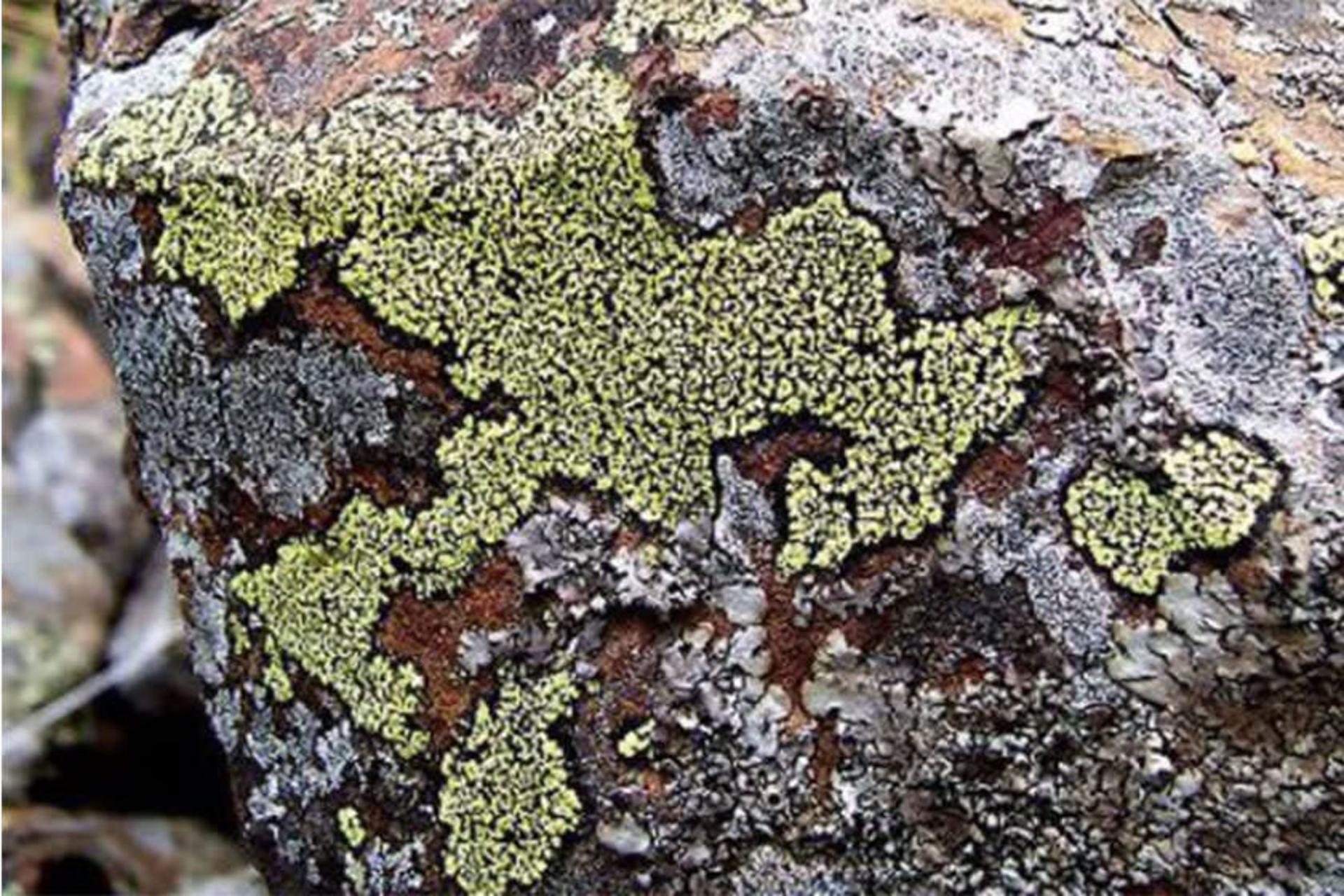
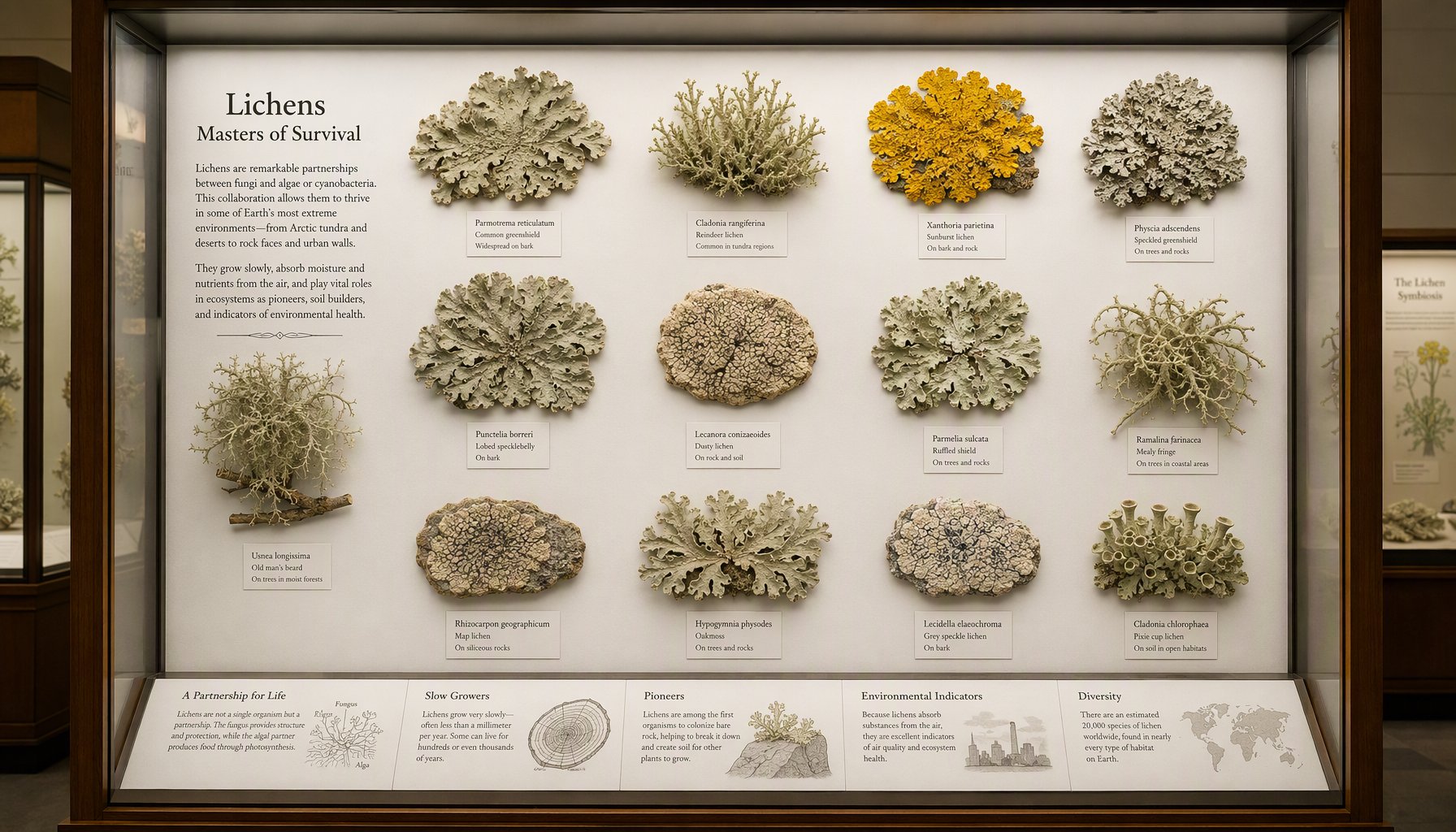
A lichen is not a plant. It is a partnership between two organisms, a fungus and an alga, that have evolved to live together so completely that they appear to be a single thing. The fungus provides structure and protection. The alga provides food through photosynthesis. Together, they can survive conditions that would kill either one alone: extreme cold, extreme heat, prolonged drought, and polluted air. Lichens are among the oldest living things on earth, and among the most resilient. They have uses in medicine, in ecosystem monitoring, in traditional dye-making, and even in the prevention of dust storms. The Golsang Museum exists to tell their story and to preserve a record of Iran's extraordinary lichen diversity.
What Is the Iranian Research Organization for Science and Technology?
The Golsang Museum operates within the Iranian Research Organization for Science and Technology, commonly known as IROST. This is a government research institution under the Ministry of Science, Research, and Technology, with a mandate covering a broad range of applied sciences. IROST is based in Tehran, and its campus includes laboratories, research departments, and exhibition spaces open to the public.
The lichen museum is one of several specialized collections maintained by the organization. It was established to support research into Iran's lichen flora, which is among the most diverse in the Middle East, and to provide an educational resource for students, researchers, and the general public. The collection includes dried specimens, microscope stations, photographic displays, and informational panels that explain the biology, ecology, and practical uses of lichens.
IROST itself is a working research centre, and the museum is part of its public outreach mission. Visitors may encounter researchers working in the laboratories, and the museum's collection is used actively for scientific purposes, not merely for display.
What Are Lichens, and Why Do They Matter?
The biology of lichens is one of the most fascinating stories in the natural world. A lichen is a composite organism: it consists of a fungus, which provides the visible body of the lichen, and an alga or cyanobacterium, which lives within the fungal tissue and produces food through photosynthesis. The two organisms are so closely integrated that for centuries, scientists classified lichens as plants. It was not until the late nineteenth century that the dual nature of lichens was understood.
This partnership gives lichens extraordinary survival abilities. They can grow on bare rock, where no other plant can establish. They can survive in deserts, where water is scarce and temperatures fluctuate wildly. They can endure arctic cold, high-altitude ultraviolet radiation, and air pollution that would kill most other organisms. Some lichens are among the longest-living things on earth, with individual specimens estimated to be thousands of years old.
In Iran, lichens occupy every major ecosystem, from the humid forests of the Caspian coast to the dry deserts of the central plateau, from the oak woodlands of the Zagros mountains to the salt flats of the Persian Gulf coast. More than 2,000 species of lichen are known to exist in Iran's wild landscapes, and the Golsang Museum's collection of 600 species represents the most comprehensively documented portion of this diversity.
The Uses of Lichens
Lichens are not merely curiosities. They have practical applications that make them important to science, medicine, and environmental management.
In medicine, lichens produce a range of bioactive compounds, including antibiotics, anti-inflammatory agents, and substances with potential anticancer properties. Research into lichen-based pharmaceuticals is an active field, and the Golsang Museum supports this work by maintaining a reference collection that researchers can study and compare.
In ecology, lichens are valuable as bioindicators. Because they absorb nutrients and pollutants directly from the air, their health and species composition reflect the quality of the surrounding atmosphere. A rich diversity of lichen species indicates clean air, while a decline in lichen diversity signals pollution. Environmental agencies in several countries use lichen surveys as a low-cost, high-information method of monitoring air quality.
In environmental management, lichens have been proposed and used as biological barriers against dust storms. In arid regions where soil erosion produces airborne dust that affects human health and agriculture, stabilizing the soil surface with lichen colonies can reduce dust emissions. Research into this application is being conducted at IROST, and the museum explains the science behind it.
Lichens also have a long history in traditional dye-making. Several species produce pigments ranging from red to purple to green, and these pigments were used for centuries in the production of textiles and carpets. The tradition of lichen dyeing is still practiced in some parts of Iran, and the museum includes examples of lichen-dyed wool and fabric.

Inside the Museum
The museum occupies a dedicated space within the IROST campus. It is smaller than the major national museums of Tehran, and a visit typically takes less than an hour. The exhibition is organized thematically, with sections covering lichen biology, lichen diversity in Iran, the ecological roles of lichens, and the practical applications of lichen research.
The display includes mounted specimens of the 600 species in the collection, arranged by habitat and geographic origin. Microscope stations allow visitors to examine lichen structure at close range. Photographic panels show lichens in their natural settings, from desert rocks to mountain forests, giving a sense of the diversity of environments these organisms occupy.
For visitors with a background in biology or natural science, the museum offers a level of detail that is unusual in a public exhibition. For those without a scientific background, the museum is still rewarding, because lichens are genuinely strange and wonderful organisms, and the story of how two life forms came together to produce something neither could achieve alone is one of the most elegant narratives in natural history.
Getting to the Golsang Museum
The Golsang Museum is located within the Iranian Research Organization for Science and Technology, in Tehran. The IROST campus is accessible from the central parts of the city by taxi or public transport.
From the city centre, the drive takes roughly twenty to thirty minutes, depending on traffic. The nearest metro station is on Line 1, and a short taxi ride from the station will bring you to the IROST campus.
Mehyar covers transport throughout Tehran. Mehyar Taxi is the most convenient way to reach the museum directly, and Mehyar Flights can arrange airport transfers for visitors arriving in Tehran who want to include the museum in their itinerary. Mehyar Buses and Mehyar Trains serve Tehran from all major Iranian cities, and local transport from the terminals to the museum can be arranged by taxi.
Practical Information
A visit to the Golsang Museum typically takes between thirty minutes and one hour. The museum is a research-oriented institution, and while it is open to the public, it does not have the amenities of a major tourist museum. There is no cafe or gift shop on site, though the IROST campus has basic facilities.
The museum is best visited as part of a broader exploration of Tehran's scientific and cultural institutions. It can be combined with visits to the National Museum of Iran, the Natural History Museum, or the Tehran Museum of Contemporary Art, all of which are within a reasonable distance.
Photography is generally permitted, though visitors should check with staff before using flash, which could damage sensitive specimens.
Why the Golsang Museum Matters
In a city full of museums devoted to the achievements of human civilization, the Golsang Museum offers a counterpoint: a focus on the organisms that existed long before humans, that continue to sustain the ecosystems we depend on, and that are so small and so slow that most people never think about them at all.
The museum also plays a role in lichen research that extends beyond Tehran. The collection it maintains is a reference for scientists studying lichen diversity across Iran and the wider Middle East. As climate change and habitat loss alter the conditions under which lichens grow, the museum's specimens provide a baseline for measuring those changes and for understanding what may be at stake.
For travelers with an interest in natural science, the Golsang Museum is a unique attraction. For those who simply want to see something different, it is equally worthwhile. The lichens on display are unlike anything else in Tehran's museum landscape, and the story they tell is one that connects the rocks of the desert, the bark of the mountain forests, and the air that everyone in Tehran breathes.

Combining Your Visit with Tehran's Cultural Circuit
The Golsang Museum is a short detour from the main tourist circuit of Tehran, but it adds a dimension that the more famous sites cannot offer. After a morning in the museum, visitors can continue to the National Museum for the broader sweep of Iranian history, to the Grand Bazaar for the sensory overload of traditional commerce, or to the Azadi Tower for the modern icon of the city.
Mehyar can help organize a full day in Tehran that includes the Golsang Museum alongside the city's more prominent attractions. Mehyar Hotels covers accommodation throughout Tehran, and Mehyar Buses, Mehyar Trains, and Mehyar Flights handle transport to and from the capital. For exploring the city itself, Mehyar Taxi is available at all hours.

A Note on Accessibility
The Golsang Museum is a working research institution, and its public access may be subject to scheduling constraints. It is advisable to check opening times before visiting, either by contacting IROST directly or through local tourism offices in Tehran. The museum does not maintain a regular advertising presence, and visitors who seek it out are rewarded with an experience that is both educational and genuinely unusual.