
The desert does not ask much of you. It asks for water, warmth after sunset, a way to reach the dunes, and enough respect to leave no trace. Everything else, the silence, the cold clean stars, the long gold light on the sand, it gives back freely. Camping overnight in Iran is one of the most memorable things a visitor can do here, and it is also one of the easiest to get wrong. The difference between a magical night and a miserable one usually comes down to preparation, not luck.
This guide covers the deserts that make sense for a first or second overnight trip, the seasons that work, what to pack, when to hire a guide, and how to arrange transport and payment through Mehyar before you leave the city.

Where are Iran's best desert camps?
Iran sits between two great deserts. The Dasht-e Kavir, the Central Desert, spreads across the plateau south of the Alborz mountains. The Dasht-e Lut lies further southeast and holds some of the hottest ground temperatures ever recorded on Earth. Between them, and along their edges, a handful of places have become the classic overnight destinations for travelers.
For a first desert night, the area around Kashan is the most practical. The Maranjab desert, with its tall dunes, salt lake, and Safavid caravanserai, is about 50 kilometers from Kashan and roughly 270 kilometers from Tehran. The smaller Varzaneh desert, near the town of Varzaneh southeast of Isfahan, is gentler, closer to a real town, and often a better fit for families or nervous first-timers. Further out, the Lut desert near Shahdad offers the dramatic kaluts and the deepest silence, but it demands more planning, more driving, and more caution.
The good news is that all three can be reached with a Mehyar Taxi or a Mehyar-organized day trip and camp, and you do not need to own a four-wheel drive to start.
Best seasons for desert camping in Iran
The desert is a seasonal place. From roughly October to early April, daytime temperatures are mild and nights are cold but manageable. This is the window most travelers should aim for.
Spring, from March to May, brings pleasant days around 15 to 25 degrees Celsius and cold nights that can drop to 5 degrees or lower. Autumn, from late September through November, is similar and often clearer for stargazing. Winter days hover between 5 and 15 degrees, and nights can fall to freezing or below, which is fine if you have the right sleeping bag and a heated room nearby as a backup. Summer is a different story. From June through August, daytime temperatures in the Kavir can exceed 45 degrees Celsius, and organized desert tours usually stop running overnight trips. Do not attempt a summer camp unless you are experienced, self-sufficient, and working with a local guide who knows the conditions.
The busiest periods are the Nowruz holidays in late March and early April, and autumn weekends. If you want solitude, aim for a weekday in winter or late autumn, and expect the caravanserais to be quieter.
How to get to the desert and back
This is where many travelers lose time. The desert is not a place you simply arrive at. You need a plan for the last 40 to 50 kilometers, and often for the last stretch of sand.
From Tehran to Maranjab
The drive from Tehran to the Maranjab area is about 270 kilometers and takes roughly four hours in good conditions. The usual route follows the Tehran to Qom freeway, then the Qom to Kashan freeway, then the road through Sefidshahr toward Aran va Bidgol. From Aran va Bidgol, a dedicated desert road leads toward the caravanserai. The final section is unpaved and slow, so allow two to three hours for the last 50 kilometers if you are driving yourself.
The practical Mehyar-first option is to open Mehyar, choose Taxi, and book a car or driver for the day or overnight. A driver who knows the desert road is worth far more than a rental car you are afraid to take off the asphalt. If you prefer a group, Mehyar can connect you with a desert camp or day trip that includes transport, and you can confirm the pickup point and time in the app before you commit.
From Isfahan to Varzaneh
Varzaneh is about 120 kilometers southeast of Isfahan, roughly an hour and a half by road. The town itself has guesthouses, and the desert edge is a short drive beyond it. This makes Varzaneh the easiest desert camp for travelers based in Isfahan. A Mehyar Taxi from Isfahan to Varzaneh is straightforward, and you can arrange the return trip in advance so you are not stranded when the afternoon light fades.
To the Lut desert
The Lut is a longer commitment. From Kerman or from Shahdad, the drive into the kaluts can take two to three hours depending on your exact camp. Most travelers base themselves in Kerman or Shahdad and join a guided 4x4 trip. Mehyar can help with the intercity leg to Kerman or Shahdad, and your camp or guide handles the final desert approach. Do not attempt the Lut alone in a standard car.

Maranjab: the classic first desert night
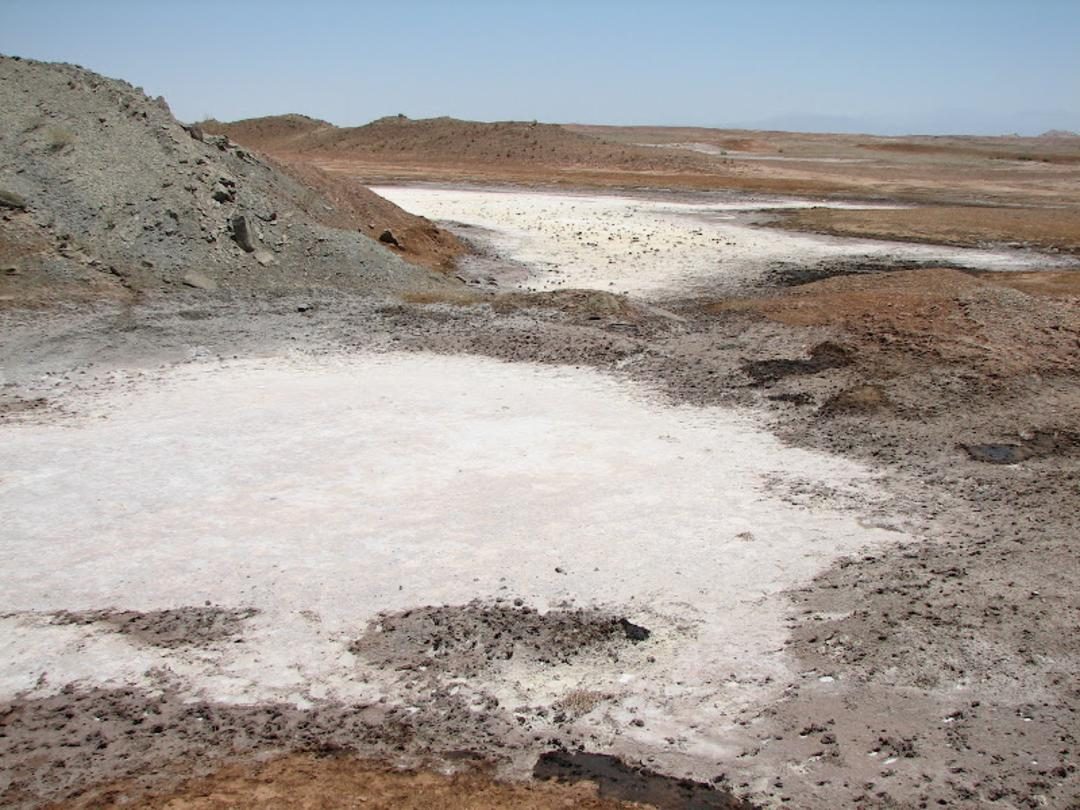
Maranjab is popular for good reasons. The dunes are tall and photogenic, the salt lake nearby creates geometric white patterns that look almost artificial, and the historic caravanserai gives you a genuine architectural anchor in the middle of nowhere. The caravanserai dates to the Safavid era and has been restored. Its rooms are rented to travelers, and camping is allowed in the fenced area around it for a fee. There is a small traditional dining room, and the area near the caravanserai has a long water pool framed by willow and tamarisk trees.
If you want to sleep in a bed, book a room at the caravanserai through your accommodation provider or ask your Mehyar driver to confirm availability. If you want to camp, the area around the caravanserai is the safest and most practical spot. You are near other travelers, near facilities, and near the road. The deeper dunes are beautiful but should only be visited with a guide who knows the terrain and the weather.
Expect cold nights even in spring and autumn. The desert loses heat quickly after sunset. A three-season sleeping bag, a warm layer, and a hat make the difference between sleeping and shivering.
Varzaneh: the gentler desert
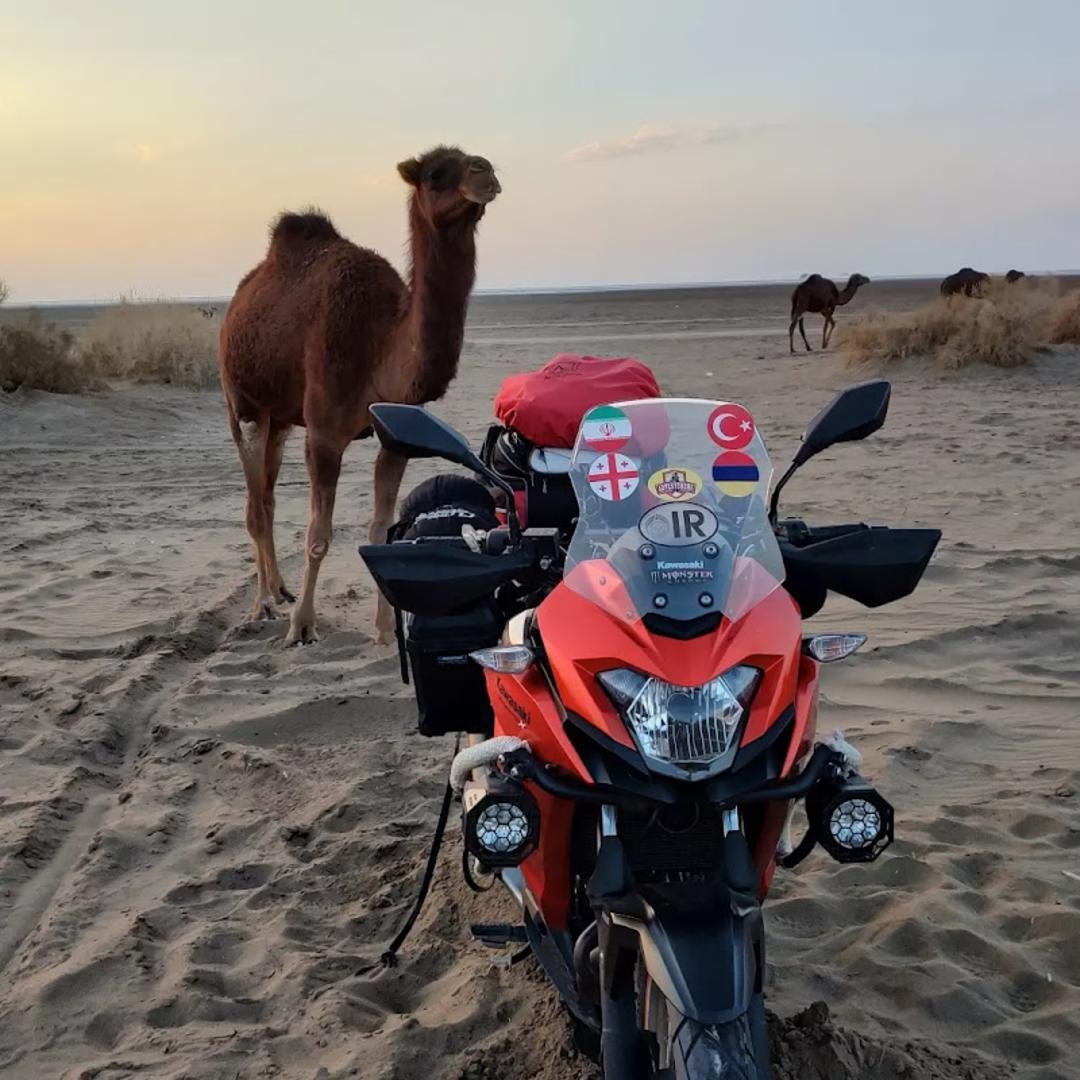
Varzaneh is a working town on the edge of the desert, and that changes the experience. You can sleep in a guesthouse, eat in a local home, and walk or drive a short distance to the dunes. The sand is softer and the slopes are gentler than Maranjab's tallest ridges. For families, older travelers, or anyone who wants a desert night without a long off-road drive, Varzaneh is often the better choice.
The town also has a historic congregational mosque with Timurid-era tilework and a minaret of about 20 meters, which is worth an hour before or after your desert time. Because Varzaneh is a real settlement, you can buy water, snacks, and simple supplies locally, and you are never far from help. That safety margin matters for a first desert camp.
A Mehyar Taxi from Isfahan to Varzaneh and back is the simplest transport solution. If you are coming from Kashan, the drive is longer, and you may prefer to combine Varzaneh with an Isfahan leg of your trip.
The Lut desert: for the serious desert traveler
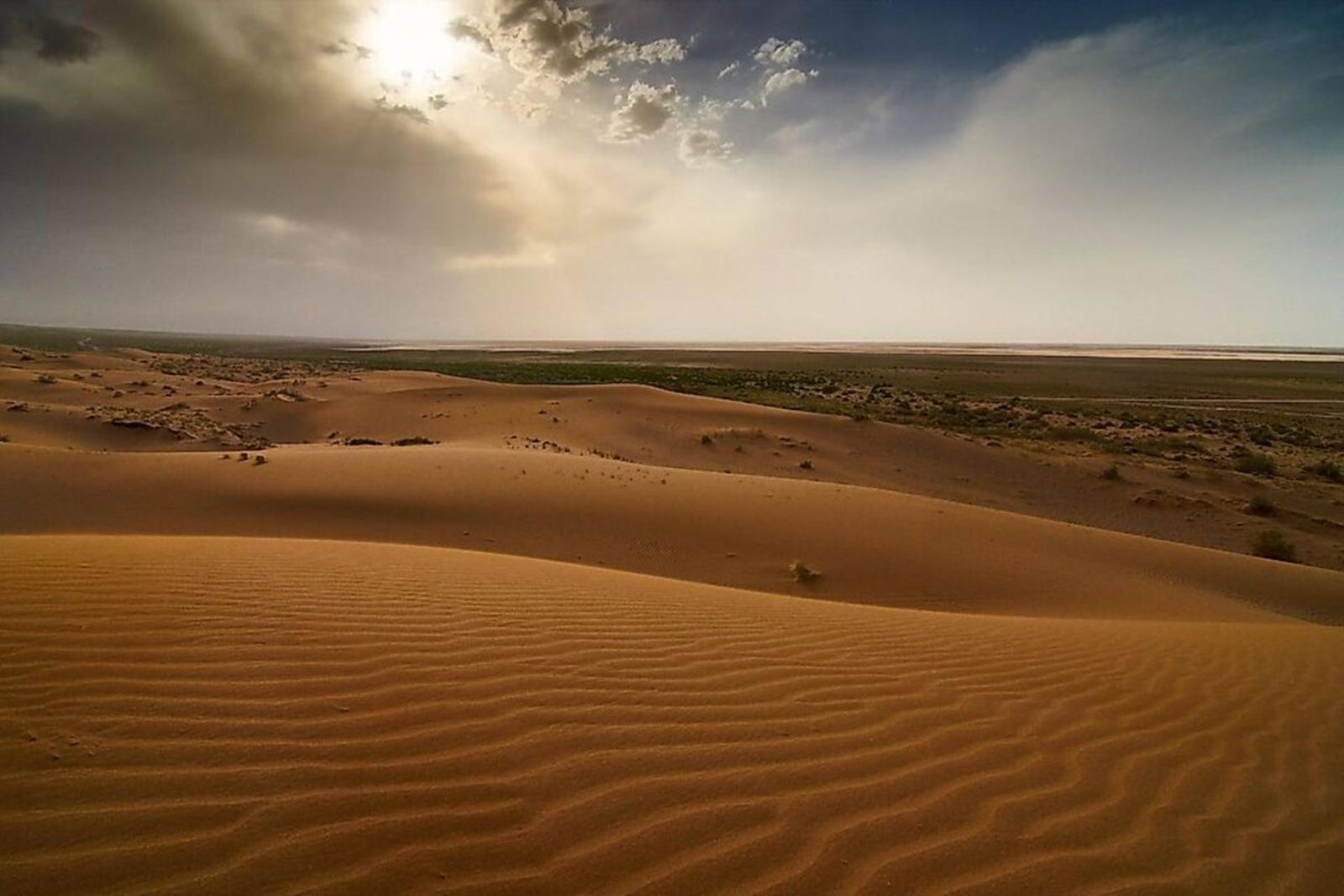
The Lut is not a casual camp. The kaluts, the wind-carved ridges that rise like broken walls from the plain, are extraordinary, and the silence at night is total. But the Lut is also one of the hottest places on Earth, and the distances are real. You need a guide, a proper 4x4, and a camp that knows how to handle the conditions.
Most travelers visit between November and March. Outside that window, the heat is dangerous. Even in winter, nights can be surprisingly cold, and the wind can pick up without warning. If you are considering the Lut, treat it as a guided expedition rather than a spontaneous overnight. Mehyar can help you reach Kerman or Shahdad and arrange the intercity portion, and your local guide takes over from there.
Guides versus DIY: an honest comparison
Doing it yourself is possible for Maranjab and Varzaneh if you have a reliable vehicle, a full tank, offline maps, and experience with desert roads. You still need to respect the rules. Do not drive into soft sand alone, do not camp in a dry riverbed, and do not assume your phone will work. Mobile coverage around Maranjab is weak, and around the Lut it is effectively absent.
Hiring a guide or joining a small group is the better choice for most visitors. A guide handles navigation, knows where the sand is firm, knows which dunes are safe to climb, and carries the experience to read the weather. For the Lut, a guide is not optional. For Maranjab and Varzaneh, a guide or a Mehyar-arranged driver is simply the smarter, calmer option.
If you are camping independently, tell someone your plan. Share your location with a friend, and check in when you return to signal. This is basic desert courtesy, not paranoia.
What to pack for a desert night
Pack for cold, not for heat. The desert day fools you. Bring:
- Plenty of drinking water, at least three to four liters per person per day, more in shoulder season.
- A warm sleeping bag rated for near-freezing temperatures, plus a sleeping mat.
- A windproof and warm jacket, a hat, and gloves for the night.
- Sun protection for the day: high-SPF sunscreen, sunglasses, a wide-brimmed hat, and long sleeves.
- Sturdy closed shoes for walking on sand.
- A headlamp or flashlight with spare batteries.
- A power bank for your phone.
- Snacks, dates, nuts, and simple food if your camp does not provide meals.
- A small first-aid kit.
- A trash bag. Take everything out with you.
Leave the drone unless you have confirmed permission, and leave the loudspeaker at home. The desert's main luxury is quiet.
Money, wallet, and paying for your desert trip
Desert camps, drivers, and caravanserai rooms often deal in cash, and ATMs are not available once you leave the city. Before you head out, top up your Mehyar wallet so you can pay for your Mehyar Taxi, your camp booking, and any extras without hunting for a working ATM. If you are paying a local guide directly, carry enough Iranian rial in cash for the agreed price, and agree on the price in writing or in a message before you leave. Tipping is appreciated but not mandatory.
If you need more cash, do it in Kashan, Isfahan, or Kerman before you leave. Do not rely on finding a machine in Aran va Bidgol or Varzaneh at the moment you need it.
Staying safe and comfortable
A few habits make desert camping much easier:
- Arrive before dark. Setting up camp in the dark is stressful and easy to get wrong.
- Pitch your tent on firm, level ground, away from the base of large dunes and away from dry water channels.
- Keep food sealed and store it in the car or a closed container. Desert foxes and other animals are curious.
- Do not light fires outside designated areas, and never leave a fire unattended.
- Check the forecast for wind. A calm evening can turn into a sandblasting by midnight.
- If you feel unwell, dizzy, or unusually cold, speak up. Do not push through.
- Keep your phone charged and share your plan before you leave the city.
Rules around desert entry, camp fees, and protected areas change. Confirm current conditions and permissions before you travel, especially for the Lut and for any national park area.
A sample overnight itinerary
A simple, comfortable desert night looks like this. Leave Tehran or Isfahan in the morning, stop for lunch and supplies in Kashan, Aran va Bidgol, or Varzaneh, and reach the desert edge by mid-afternoon. Spend the late afternoon walking the dunes and photographing the light. Set up camp or check into the caravanserai before sunset. Eat dinner as the stars come out, then spend an hour or two simply watching the sky. Sleep. Wake before dawn for the best light of the trip, pack up, and drive back to the city in time for a late breakfast.
If you are using Mehyar, book your Taxi or your camp transfer the day before, top up your wallet, and save your driver's number. That is the whole logistics problem solved.
Where to go next
If Maranjab is your first desert, read our guide to the Maranjab desert for the full picture of the dunes, the salt lake, and the caravanserai. If you are based in Isfahan, our Varzaneh guide explains the town and the desert edge in detail. For the far southeast, our Lut desert article covers the kaluts and the practical realities of visiting. And before you travel, our guide to paying in Iran walks through wallets, cards, and cash so you are never caught short.
The desert is patient. Plan it well, and it will give you one of the best nights of your trip.