
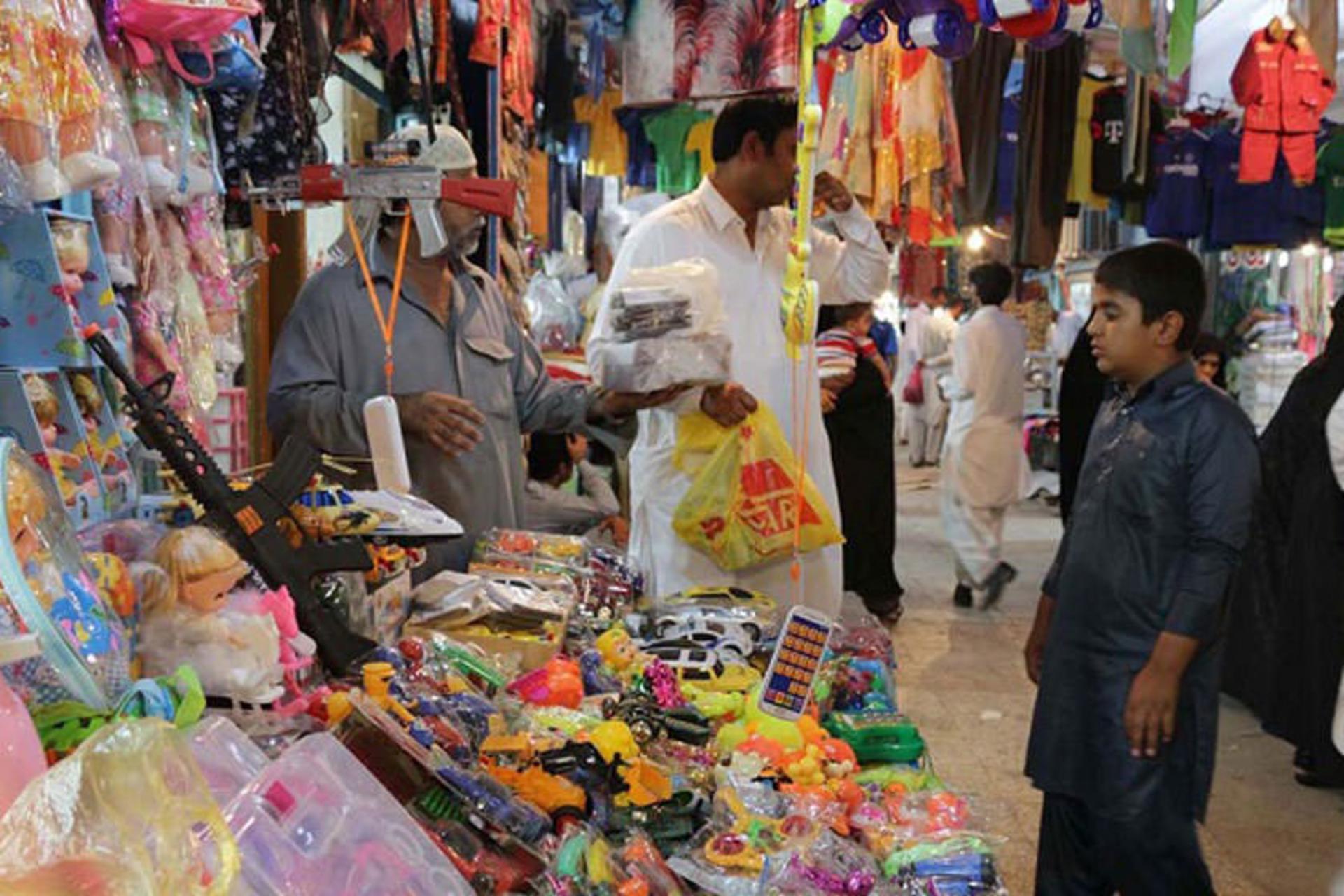
You step off Imam Khomeini Boulevard into a street that feels like it has not changed in a century. Stalls line both sides, piled with bolts of printed cotton, bundles of woven palm-frond baskets, rows of tiny glass vials filled with herbal extracts, and trays of silver jewellery that catches the afternoon light. The air smells of frankincense and dried lime. Women in bright Baluchi headscarves negotiate prices over tables of embroidered fabric. This is Dokkeh Bazaar, also known as Bazar-e Sonnati or Bazar-e Fajr, and it is the best place in Chabahar to understand the living craft traditions of Sistan and Baluchestan.
Unlike the grand covered bazaars of Isfahan or Tabriz, Chabahar's traditional market is open-air and informal. It is not a UNESCO monument or a tourist attraction in the usual sense. It is a working market where local people buy household goods, families stock up on seasonal herbs, and visitors from across Iran pick up handicrafts that they cannot find anywhere else. If you want authenticity rather than polish, this is the market for you.
This guide covers what you will find at the bazaar, the handicraft traditions behind the goods, how to get there, how long to spend, and how to combine your market visit with the rest of your Chabahar trip using Mehyar for flights, hotels, taxis, and buses.
Where is Dokkeh Bazaar?
Dokeh Bazaar sits on Kheyam Street, off Imam Khomeini Boulevard, in the centre of Chabahar city. The address, as it is signed locally, is Sistan and Baluchestan Province, Chabahar, Imam Khomeini Boulevard, Kheyam Street. The market stretches along a covered lane and spills out onto the surrounding sidewalks, with stalls packed tightly together.
The market is free to enter and open throughout the day, though the best hours are between 9 in the morning and early evening. On Thursdays and Fridays, the market is busiest, as families from surrounding villages come into town for their weekly shopping. If you enjoy crowds and energy, go on a Thursday afternoon. If you prefer to browse at leisure, a weekday morning is better.
A typical visit lasts between one and two hours, though shoppers who are hunting for specific handicrafts may spend longer negotiating and selecting.
How to reach Chabahar and the bazaar
Chabahar is served by Konarak Airport (40 km south of the city) and by long-distance bus routes from Bandar Abbas and Zahedan. Getting from the airport or bus station to the bazaar is straightforward with Mehyar Taxi, which covers the last stretch to Imam Khomeini Boulevard in minutes.
From Tehran
Mehyar Flights connects Tehran to Konarak Airport. Allow about 45 minutes for the taxi transfer from the airport to the city centre and the bazaar. Alternatively, Mehyar Buses runs from Tehran's southern terminals to Chabahar, a journey of roughly 18 to 20 hours. Most travelers prefer the flight.
From Bandar Abbas
The coastal road from Bandar Abbas to Chabahar is one of the most scenic drives in Iran. Mehyar Buses covers this route regularly, and the journey takes about nine to ten hours. Mehyar Taxi is available for private transfers if you prefer flexibility.
From Zahedan
From Zahedan, the road covers about 600 kilometres. Mehyar Taxi offers private transfers, and the bus takes six to seven hours.
What you will find at the bazaar
Dokeh Bazaar is not a luxury shopping destination. It is a market of practical goods, traditional crafts, and local specialties. Here is what to look for.
Sistani embroidery (Zari-doozi)
The most distinctive handicraft of the region is Sistani embroidery, known locally as zari-doozi. Women in the villages around Chabahar and across Sistan and Baluchestan stitch intricate geometric and floral patterns onto fabric using gold and silver thread. The tradition dates back centuries and is passed from mother to daughter. You will find embroidered tablecloths, cushion covers, headscarves, and garments for sale at the bazaar. Prices vary widely depending on the complexity of the work, from a few hundred thousand rials for a small piece to several million for a large, finely stitched tablecloth.
Palm-frond weaving (Hasir-bafi)
The date palms that grow along the Chabahar coast provide raw material for a second important local craft: palm-frond weaving. Artisans, mostly women from rural communities, weave the dried fronds into baskets, hats, mats, fans, and decorative objects. The work is lightweight, practical, and distinctly local. You will see stacks of these items at the market, and they make excellent souvenirs because they are easy to pack and carry.
Baluchi jewellery
The Baluchi communities of the region have a strong tradition of silver jewellery-making. Heavy necklaces, bracelets, anklets, and earrings, often decorated with glass beads, coins, and polished stones, are sold at the bazaar. These pieces are not mass-produced tourist items. They are the kind of jewellery worn at Baluchi weddings and celebrations, and the craftsmanship reflects generations of tradition.
Herbal medicines and natural remedies
One of the most atmospheric sections of the bazaar is the herbal medicine area, where vendors sell dried plants, ground spices, essential oils, and traditional remedies in small glass bottles and paper packets. The scents are intense: frankincense, myrrh, dried lime, cumin, and dozens of herbs you may not recognize. Local herbalists can explain the uses of various preparations, though most labels are in Persian or Baluchi. Common purchases include frankincense for burning, herbal teas for digestion, and natural skin treatments.
Fabrics and clothing
Bolts of colourful printed cotton, silk-blend scarves, and ready-made Baluchi dresses are stacked high at many stalls. The fabrics feature bold geometric patterns in vivid colours that reflect the local aesthetic. Many visitors buy fabric to take home for custom tailoring. The Baluchi women's dress, with its wide sleeves and elaborate front embroidery, is one of the most striking garments in Iran and is available in both traditional and slightly modernized versions.

The cultural experience
Beyond shopping, the bazaar is a cultural experience. The mix of languages (Baluchi, Sistani Persian, and some Arabic), the dress of the local women, the smell of incense and dried fish, and the informal negotiations between buyers and sellers all combine to create an atmosphere that is entirely different from the bazaars of central Iran.
Photography is generally welcomed, though it is polite to ask before photographing individual vendors, particularly women. Many vendors are happy to chat about their crafts and explain the techniques behind their work.
Combining the bazaar with your Chabahar trip
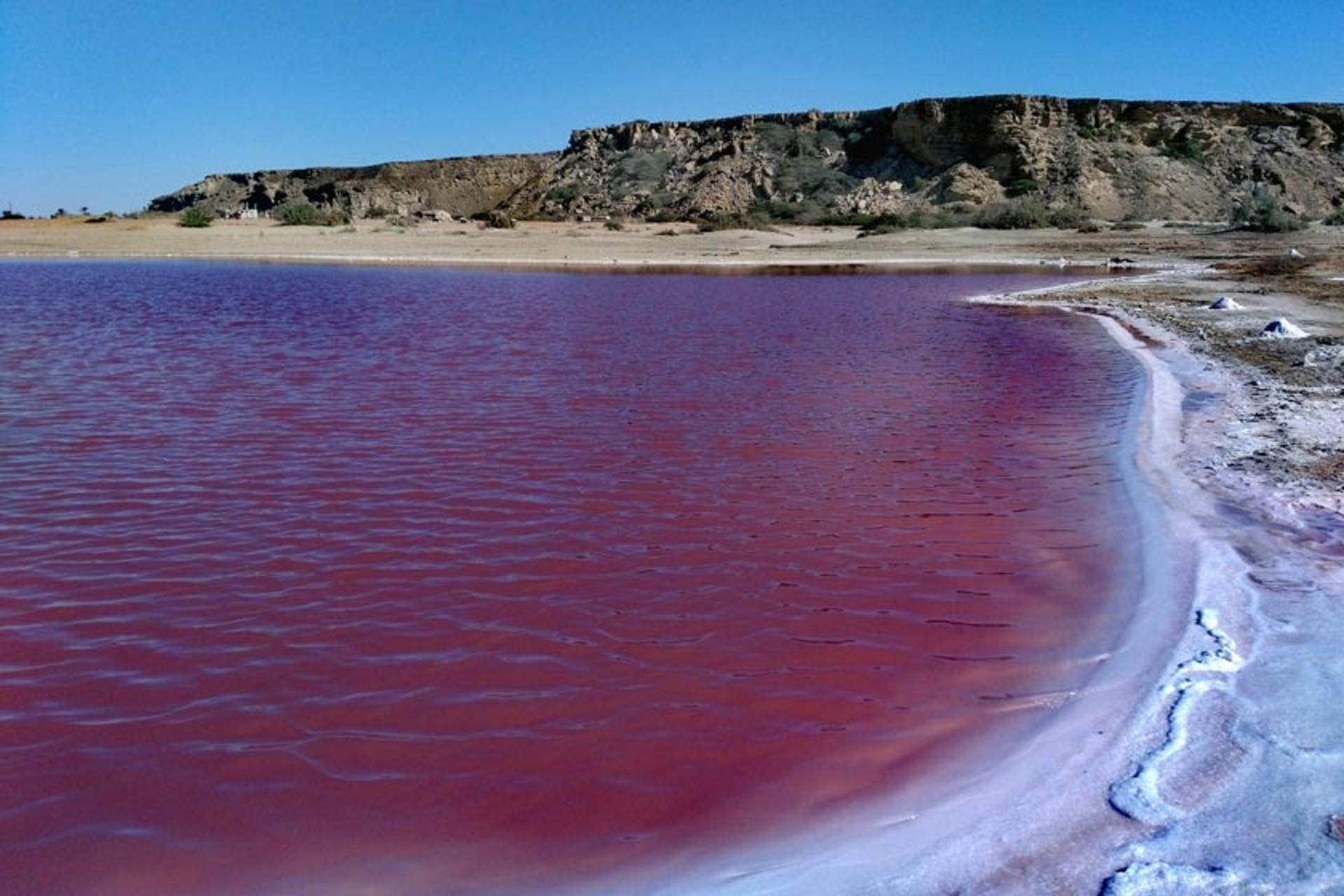
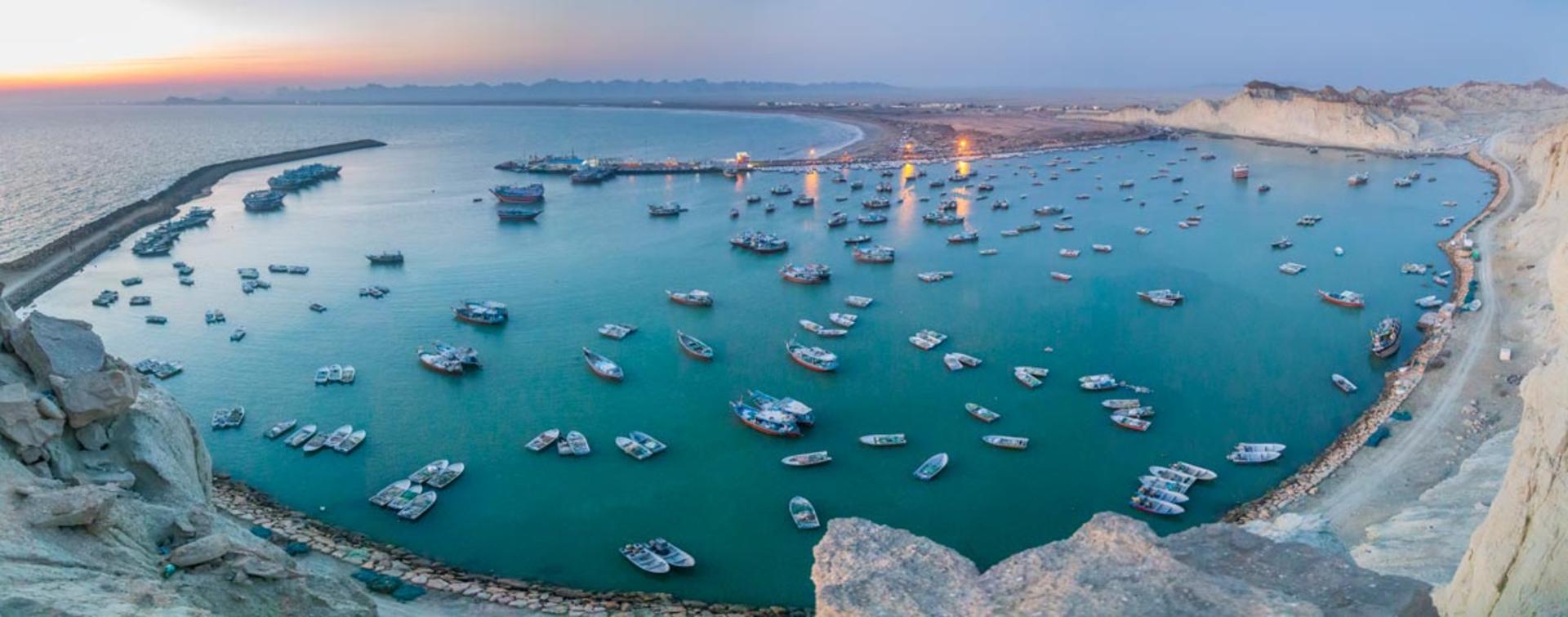
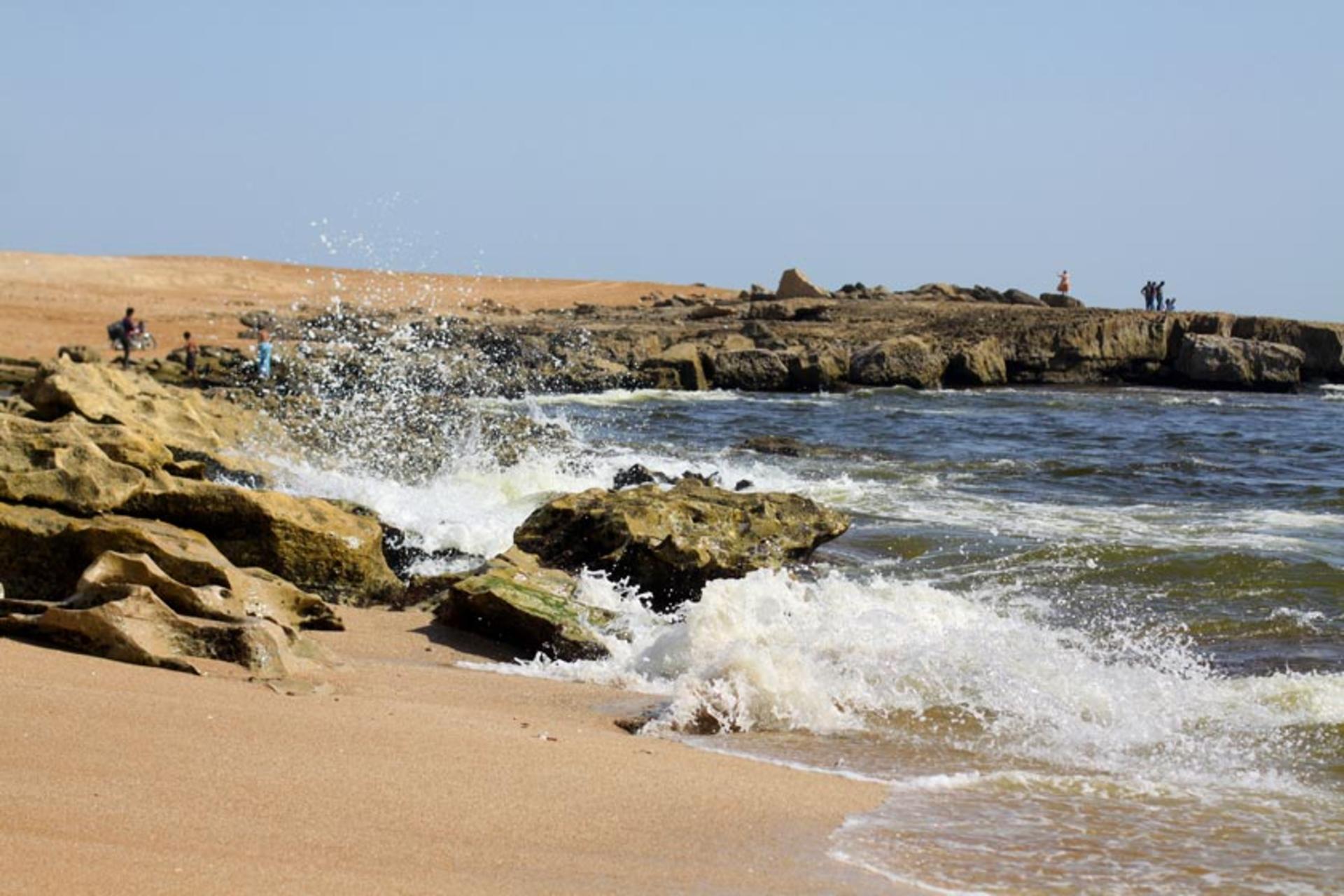
The bazaar pairs well with a broader Chabahar itinerary. Spend a morning at Dokkeh Bazaar picking up handicrafts, then use Mehyar Taxi to visit the Martian Mountains, Lipar Lagoon, or the Beris fishing coast in the afternoon. The market is also a good place to stock up on snacks, water, and sunscreen before heading out to the natural attractions.
For your Chabahar trip, use Mehyar Flights to book airfare to Konarak Airport, Mehyar Hotels for accommodation in the city centre (within walking distance of the bazaar), Mehyar Buses if you prefer the scenic overland route from Bandar Abbas, and Mehyar Taxi for all local transfers. The Mehyar Wallet consolidates your travel spending into a single app, so you can focus on the experience and leave the planning to us.