
When most people think of Iran, they picture deserts, ancient ruins, and tiled mosques. They do not picture rain forests, misty mountains, and lagoons carpeted with pink lotus flowers. Yet all of this exists along Iran's Caspian coast, a narrow strip of green land wedged between the Alborz mountain range and the world's largest lake. Here, in the provinces of Gilan and Mazandaran, the climate is subtropical, the food is unlike anywhere else in Iran, and the pace of life slows to the rhythm of tides and harvests. This is a side of Iran that surprises every visitor who expects only desert.
The Geography of Green
The Caspian coast stretches across three Iranian provinces: Golestan in the east, Mazandaran in the center, and Gilan in the west. Together, they form a band of land where the Alborz mountains block dry air from the interior, forcing moisture from the Caspian Sea to rise and fall as rain. The result is some of the lushest landscape in the entire Middle East. Rice paddies cascade down hillsides, tea plantations climb mountain slopes, and ancient Hyrcanian forests, declared a UNESCO World Heritage Site, cling to valleys that have remained green for millions of years.
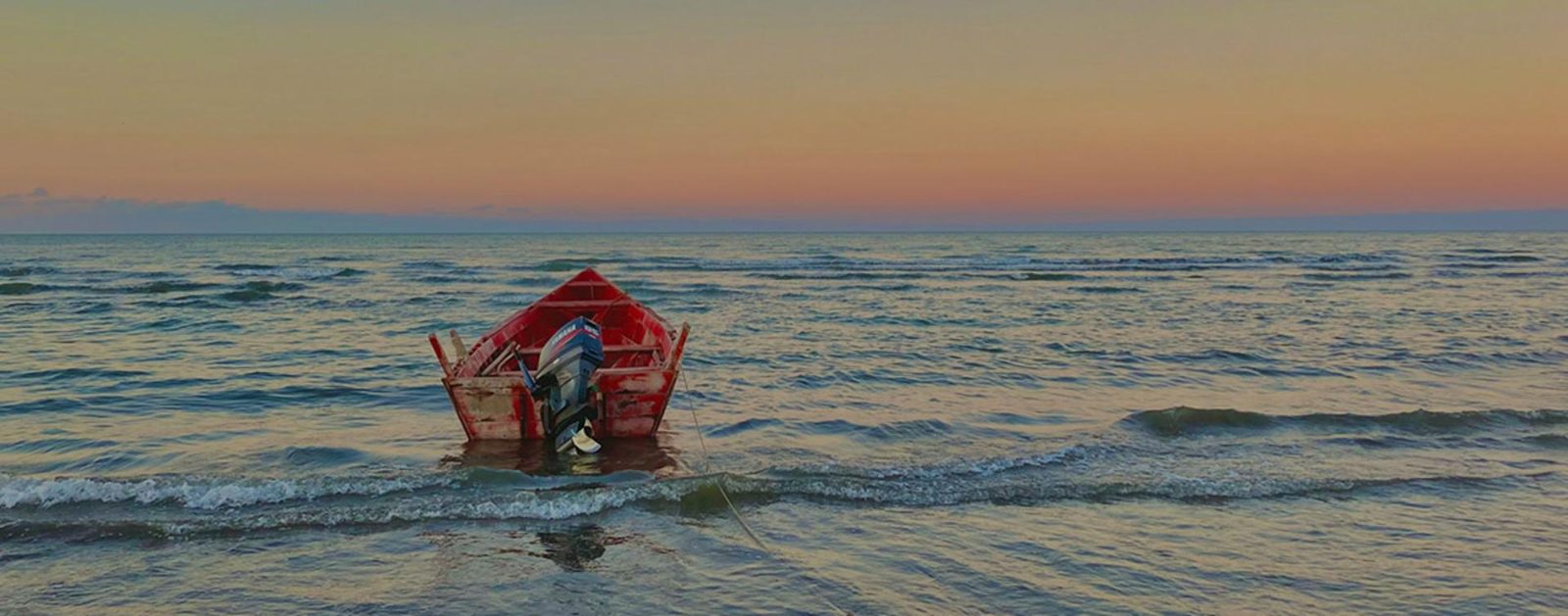
The Caspian Sea itself is not a sea in the geological sense. It is the world's largest enclosed body of water, variously classified as the world's largest lake or a full-fledged sea. Its waters are slightly salty, its levels have fluctuated dramatically over millennia, and its shores support ecosystems found nowhere else on Earth. For the Iranians who live along its banks, it is simply "the sea," and it shapes every aspect of coastal life.
Rasht: The City of Rain and Flavor
Rasht, the capital of Gilan province, is the gateway to the western Caspian coast. Known as the "City of Rain," it holds the highest rainfall average of any provincial capital in Iran. But rain is not a reason to avoid Rasht. It is the reason Rasht exists in all its vibrant, humid, green glory. The city is Iran's third most tourism-friendly destination, and for good reason.
Rasht's greatest claim to fame is its food. In 2015, UNESCO designated Rasht as a Creative City of Gastronomy, recognizing the city's extraordinary culinary heritage. Gilani cuisine is fundamentally different from the rest of Iranian food: it uses herbs, garlic, pomegranate molasses, walnuts, and olive oil in ways that owe more to Mediterranean and Caucasian traditions than to the rice-and-kebab stereotypes of Persian cooking. Dishes like mirza qasemi (smoky eggplant with tomato and garlic), baghla qatoq (broad beans with egg and herbs), and kebabs trush (sour marinated meat grilled over charcoal) are unique to this region.
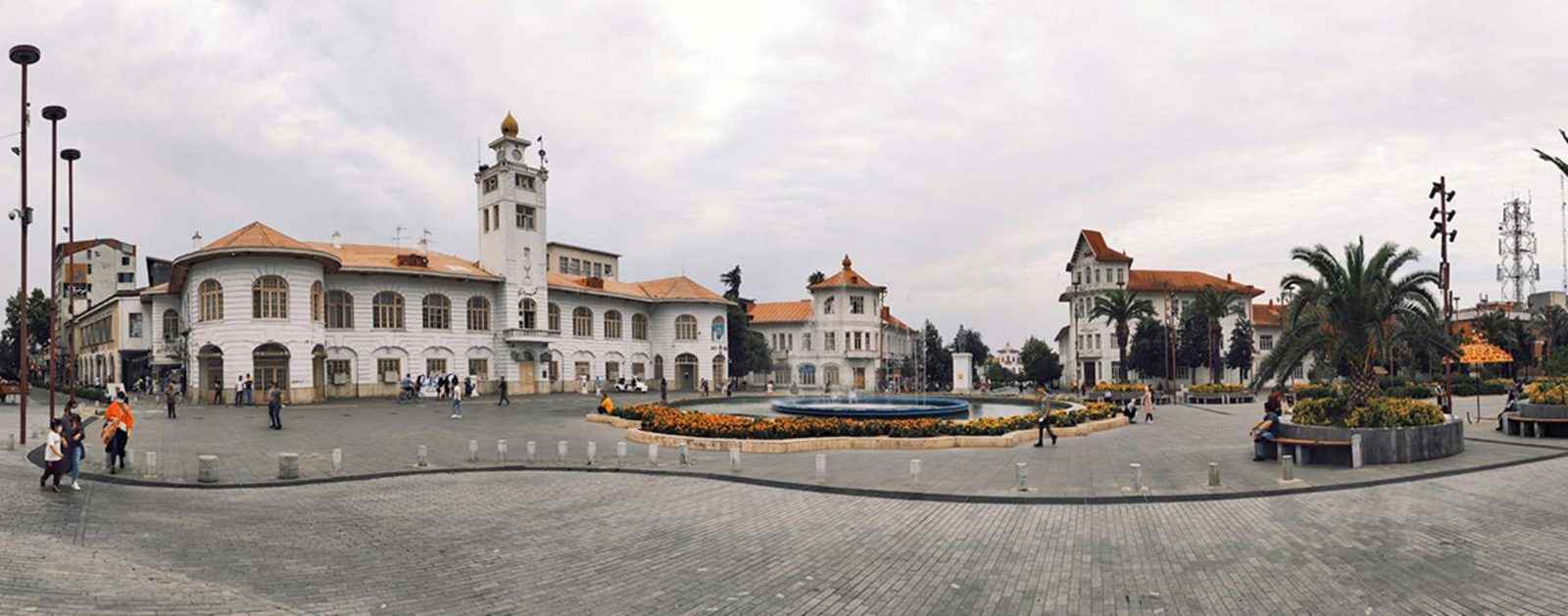
The city center revolves around Shahrdari Square, a beautiful Pahlavi-era ensemble with a clock tower, municipal buildings, and a pedestrian boulevard lined with cafes and shops. The Grand Bazaar of Rasht, the largest open-air market in Iran, is a sensory explosion of fresh fish, smoked fish, olives, pickles, local herbs, and handmade crafts. Walking through the bazaar on a rainy morning, surrounded by the calls of fish sellers and the aroma of local spices, is one of the most authentically Iranian experiences you can have.
Bandar-e Anzali: Port of Lagoons and Lotuses
Twenty kilometers north of Rasht, the coast opens onto Bandar-e Anzali, Iran's most important Caspian port. This is a city defined by water. The Anzali Lagoon, one of the most important wetlands in the Middle East, spreads across thousands of hectares of marsh, shallow water, and reed beds. In late spring and early summer, the lagoon blooms with pink water lilies, creating a spectacle that draws nature lovers from across Iran and beyond.
The lagoon is also a critical habitat for migratory birds. Flamingos, herons, cormorants, and dozens of other species pass through or overwinter here, making birdwatching a genuinely rewarding activity. Boat tours depart from the port and glide through narrow channels of reeds, opening suddenly onto vast expanses of water where the Alborz mountains rise in the distance.
Beyond the lagoon, Bandar-e Anzali offers a charming coastal boulevard, a historic lighthouse known as the Clock Tower or Manar, and a former palace that now serves as a military museum. The city's free trade zone makes it a popular shopping destination, with markets selling imported goods at competitive prices. And the food, as everywhere along this coast, is superb. The Saturday Market (Shanbeh Bazaar) is the place to buy the freshest fish, local vegetables, and handmade wicker products.

Mazandaran: Mountains, Springs, and Seaside Resorts
East of Gilan, Mazandaran province offers a different flavor of Caspian life. The capital, Sari, is a working city with historical roots, but the real draw of Mazandaran is its natural wonders. Badab-e Surt, a series of terraced mineral springs in orange and gold hues, looks like a landscape from another planet. The Dasht-e Naz Wildlife Refuge protects the last remaining population of endangered Caspian brown bears and rare migratory birds. The Farahabad beach complex stretches along the shore, offering swimming, sunbathing, and the simple pleasure of walking on sand with the Caspian Sea at your feet.
Mazandaran is also the province of spectacular mountain roads. The three main routes from Tehran to the coast, via Firuzkuh, Haraz, and Chalus, are each an experience in themselves. The Chalus Road, in particular, is one of the most scenic drives in Iran, winding through deep gorges, past rushing rivers, and over mountain passes where the clouds descend to road level. For travelers coming from Tehran, the journey to the Caspian coast is half the adventure.
Getting to the Caspian Coast
The Caspian coast is accessible from Tehran by several routes, each offering a different experience.
By Mehyar Taxi. The most comfortable way to reach the Caspian coast is to book a Mehyar taxi from Tehran. The drive takes four to six hours depending on the route, and having a private car gives you the freedom to stop at viewpoints, mountain passes, and roadside villages along the way. The Chalus Road alone offers a dozen stops worth making.
By Mehyar Bus. Budget travelers can take Mehyar buses from Tehran's western terminals to Rasht, Bandar-e Anzali, Sari, and other coastal cities. The journey is comfortable and affordable, with regular departures throughout the day.
By Air. The Caspian region has four airports: Rasht, Ramsar, Dasht-e Naz (Sari), and Noshahr. Flights from Tehran take less than an hour, though schedules can be seasonal.
By Train. The Tehran-to-Mazandaran railway line crosses the Alborz mountains through a series of spectacular tunnels and bridges. It is one of the most scenic train rides in Iran.
When to Visit
The Caspian coast is beautiful in every season, but the timing of your visit shapes the experience significantly. Spring (March to May) brings wildflowers, mild temperatures, and the famous Caspian green at its most vivid. Summer (June to August) is warm and humid, perfect for swimming in the sea and exploring the lagoons, though Rasht's humidity can be intense. Autumn (September to November) paints the forests in gold and red, and the rice harvest transforms the paddies into a mosaic of amber and green. Winter brings rain, mist, and a moody beauty to the coastline, with far fewer tourists and lower prices.
For most visitors, late spring (May to early June) and early autumn (September to early October) offer the best combination of pleasant weather and manageable crowds.
What to Eat
Food is the soul of the Caspian experience. In Gilan, every meal is an event. Start your morning at a traditional breakfast spot with fresh bread, local cheese, walnuts, and sweet tea. For lunch, order mirza qasemi, a smoky dip of grilled eggplant, tomato, garlic, and egg that has become famous across Iran but tastes incomparably better in its homeland. For dinner, try mahi sefid (white fish) from the Caspian, grilled over charcoal and served with garlic rice and local herbs.
Souvenirs from the Caspian coast are delicious too. Olive oil from Rudbar, smoked fish, pickles, jams made from local fruits like quince and barberry, handmade wicker baskets, and silk scarves are all excellent choices. The Rasht bazaar is the best place to buy them, and the prices are significantly lower than in Tehran.
Connecting to More Mehyar Experiences
The Caspian coast connects naturally with other northern Iran experiences. Consider pairing your coastal visit with a trip to the [Alamut Valley](/destinations/alamut-valley), where the legendary Assassin castle perches above a dramatic gorge, or to [Masuleh](/destinations/masuleh-village), the extraordinary stepped village clinging to a mountainside in Gilan. For urban explorers, the city of [Tabriz](/experiences/tabriz-city-guide) with its UNESCO-listed bazaar is within day-trip range to the northwest.
Why Mehyar Recommends It
Mehyar recommends the Caspian coast because it challenges everything visitors think they know about Iran. This is a land of forests and fish, rain and rice, tea and lotus flowers. It is a place where the food speaks a different culinary language, where the mountains drop into the sea, and where the pace of life invites you to slow down, eat well, and simply enjoy being surrounded by green.
For travelers who want to see Iran beyond the postcard monuments, the Caspian coast is essential. It is the Iran that Iranians themselves escape to on weekends, the Iran of family picnics on misty beaches, of breakfast in a bazaar courtyard, of driving through clouds on a mountain road and emerging, suddenly, to see the sea.