
Kish Island sits in the turquoise waters of the Persian Gulf, known worldwide for its luxury resorts, duty-free shopping, and coral beaches. Yet beneath the polished surface of the modern tourist zone lies a much older story, one of fishing communities, date palms, and centuries of maritime trade. Bago, a village in the southwest corner of the island, is where that older story is most visible. With its ancient lor trees, a mosque dating to the tenth century AH, and a handful of traditional homestays, Bago offers visitors a chance to experience the authentic side of Kish, far from the glitz of the beachfront hotels.

The Story Behind the Name
The village takes its name from a legendary figure, an old woman said to have lived in the area during the Portuguese occupation of Kish in the sixteenth century. Local oral history calls her Naneh Bago, and her story has become inseparable from the identity of the village. Some sources describe her as a centenarian who tended the land and welcomed travellers, while others weave her into broader tales of resistance against the Portuguese garrison. Whatever the precise history, the name has endured for centuries.
Exploring the Village
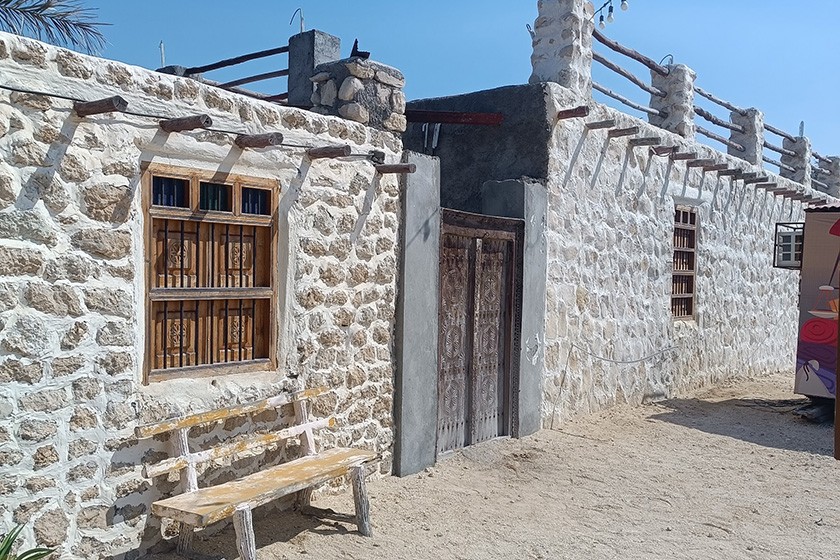
Bago is small, and a visit can be comfortably completed in half a day. The main attractions are the historic mosque, the ancient lor trees, and the traditional architecture of the houses themselves. The village is accessed via Bago Road, which branches off from Sunset Square in the south of the island or from Kheyl-e Fars Boulevard. The route passes through open scrubland where gazelles graze in fenced reserves, a reminder that the island's wildlife coexists with its human settlements.

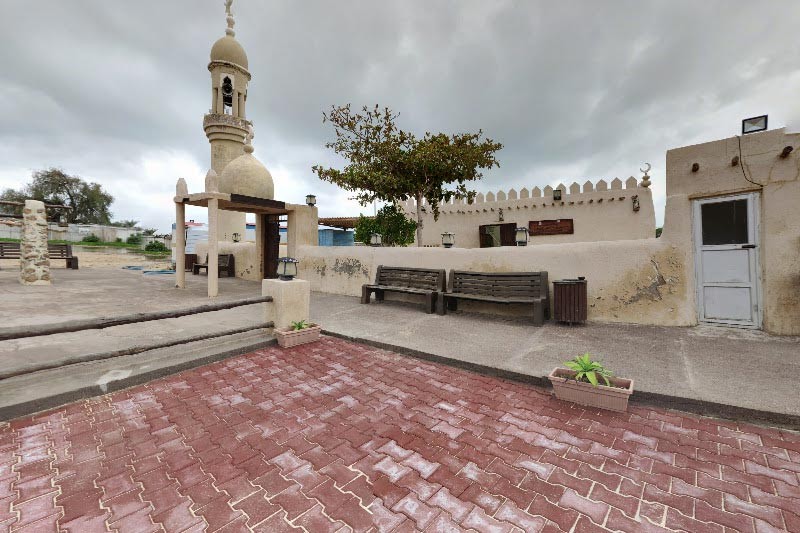
The Al-Nabi Mosque is the oldest structure in the village, built in 981 AH according to an inscription near its entrance. It is a modest building with a single minaret and low surrounding walls, but its age and simplicity give it a quiet dignity. Beside the mosque stands an old water well, another relic of the era when the village depended entirely on local water sources.
The Ancient Lor Trees
Among the most remarkable natural features of Bago are its lor trees. The lor, a member of the fig family, is one of the rarest tree species in the world. It has oval leaves, produces small red fruits the size of a hazelnut, and thrives in the hot, humid climate of the southern coastlands. Lor trees grow in parts of Hormozgan and Bushehr provinces, but the specimens in Bago are among the oldest and largest accessible to visitors. Their sprawling canopies create pockets of deep shade that feel almost cathedral-like in the tropical heat.
Life in the Village Today
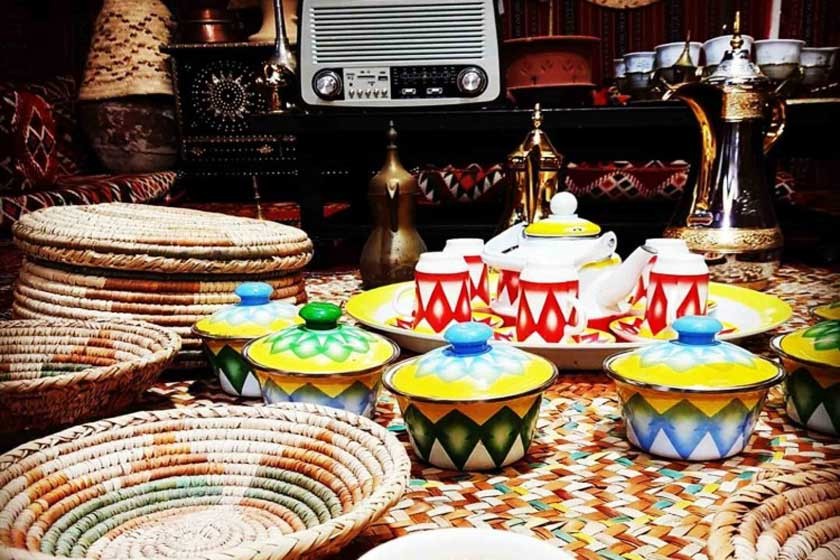
Bago is no longer a thriving settlement. Most of its former residents have moved to the urban areas of Kish, and only a few farming families remain. These families keep livestock, cultivate small plots of fertile land, and produce honey from local hives, selling their goods to island residents and tourists alike. On certain days, traditional black tents are set up at the village entrance, where local women bake flatbread, prepare regional dishes, and perform songs and dances for visitors. These gatherings offer a genuine cultural exchange and are one of the highlights of a visit to Bago.
Flavours of the Village
The food offered in Bago reflects the broader culinary tradition of the Persian Gulf coast. Fresh fish, caught in the same waters that lap the island's shores, is prepared simply, grilled over charcoal and served with local herbs and date syrup. The bread baked in the black tents is thin, unleavened flatbread, cooked on a convex metal griddle known as a saj. Accompaniments include spicy chutneys made from dried lime, fresh coriander, and chilli, a flavour profile that shows the influence of the Indian Ocean trade routes that have passed through the Gulf for centuries.
Honey produced by the village's own hives is another local speciality. The bees forage on the wild flowers and shrubs of the island's interior, producing a dark, aromatic honey that is distinctly different from the lighter varieties found in the mountain regions of northern Iran. Visitors can purchase honey directly from the producers, along with handmade palm-leaf baskets and other small crafts.
The Portuguese Chapter
The Portuguese presence on Kish Island lasted roughly a century, from the early sixteenth to the early seventeenth century. The island, then known as Qays, was a strategic point on the maritime route between Lisbon and Goa, and the Portuguese built a fort to protect their shipping interests. Traces of this period can still be found across the island, from the Portuguese Fort near the southeastern coast to the legends and place names that persist in local memory.
Bago's association with this era runs deep. The story of Naneh Bago, the village's namesake, is set against the backdrop of the Portuguese occupation. Whether she was a real historical figure or a composite of several women who lived through the period, her story embodies the resilience of the island's population in the face of foreign rule. When the Safavid Imam Qoli Khan expelled the Portuguese in 1622, the island's communities returned to Persian governance, and life in villages like Bago resumed its traditional rhythm of fishing, farming, and trade.
The Dailers Park and Wildlife
In recent years, a park called Dailers Park has been established near the village, covering approximately sixty hectares. The park is designed to showcase the natural environment of the island's interior, with walking paths through native vegetation, shaded rest areas, and viewing points for the island's wildlife. Gazelles, the most iconic animal of Kish, have been introduced to the area and can often be seen grazing in the early morning and late afternoon. Water troughs are placed throughout the park to attract the gazelles and other species, creating opportunities for wildlife observation in a natural setting.
The park complements the village visit by adding a nature dimension to what was previously a purely cultural experience. Families with children, in particular, enjoy the combination of historical exploration in the village and wildlife spotting in the surrounding park.
Staying Overnight in Bago
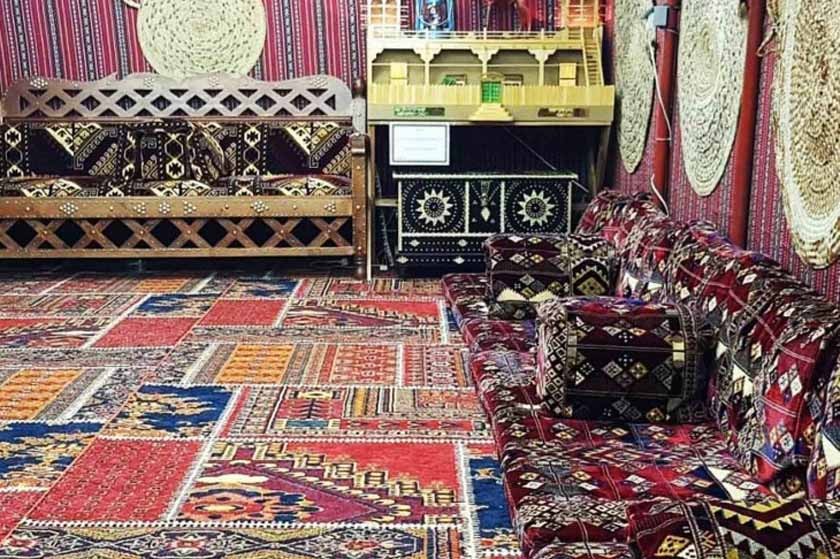
For visitors who want to go beyond a day trip, Bago offers a small eco-lodge and several rented rooms in traditional houses. Staying overnight lets you experience the village at its most atmospheric, when the call to prayer echoes across the palm groves and the evening breeze cools the courtyards. The eco-lodge provides simple, clean accommodation with traditional furnishings and home-cooked meals featuring local fish, dates, and honey.
When to Visit
Kish Island has a hot and humid climate. Summer months from June to September are extremely warm, with high humidity that makes outdoor exploration uncomfortable. The best time to visit Bago, and Kish in general, is from December through March, when daytime temperatures are pleasant and the island's natural beauty is at its peak. Spring, particularly March and early April, also works well, with warm days and blooming vegetation.
Getting There with Mehyar
Open Mehyar to book your flight to Kish Island from any major Iranian city. Once on the island, Mehyar Taxi will take you from your hotel to Bago village in fifteen to twenty minutes. The village is free to visit and open at all times. If you are planning a longer stay on Kish, [Mehyar hotels](/hotels) cover every budget, from beachfront resorts to affordable city-centre properties. Combine your Bago visit with a tour of the [Greek Ship](/kish-greek-ship), the [Persian Gulf Shopping Centre](/persian-gulf-shopping-mall), and the island's coral beaches for a full Kish experience, and remember that every corner of this island sits on the waters of the Persian Gulf, a name that has been used on maps and in geography books for over two thousand years.
Book your transport, hotel, and [bus connections](/buses) for the mainland leg through Mehyar, and let the quiet heritage of Bago remind you that the Persian Gulf has always been a place where cultures, trade routes, and traditions converge.