
Karaj is the city Tehran empties into at the weekend. It sits about 20 kilometres west of the capital at the foot of the Alborz range, in Alborz province, and the Tehran-Karaj freeway makes the move feel less like travel than like changing lanes. What the traffic is worth is the variety on the other side: summer villages on the mountain flanks, a dam lake you can drive around, forest parks with tennis courts inside the city, and two ski resorts on the road to the Caspian. Most visitors treat Karaj as a place to pass through. Give it two days and it becomes the base for everything north of Tehran.
How do you get to Karaj, and do you need a car?
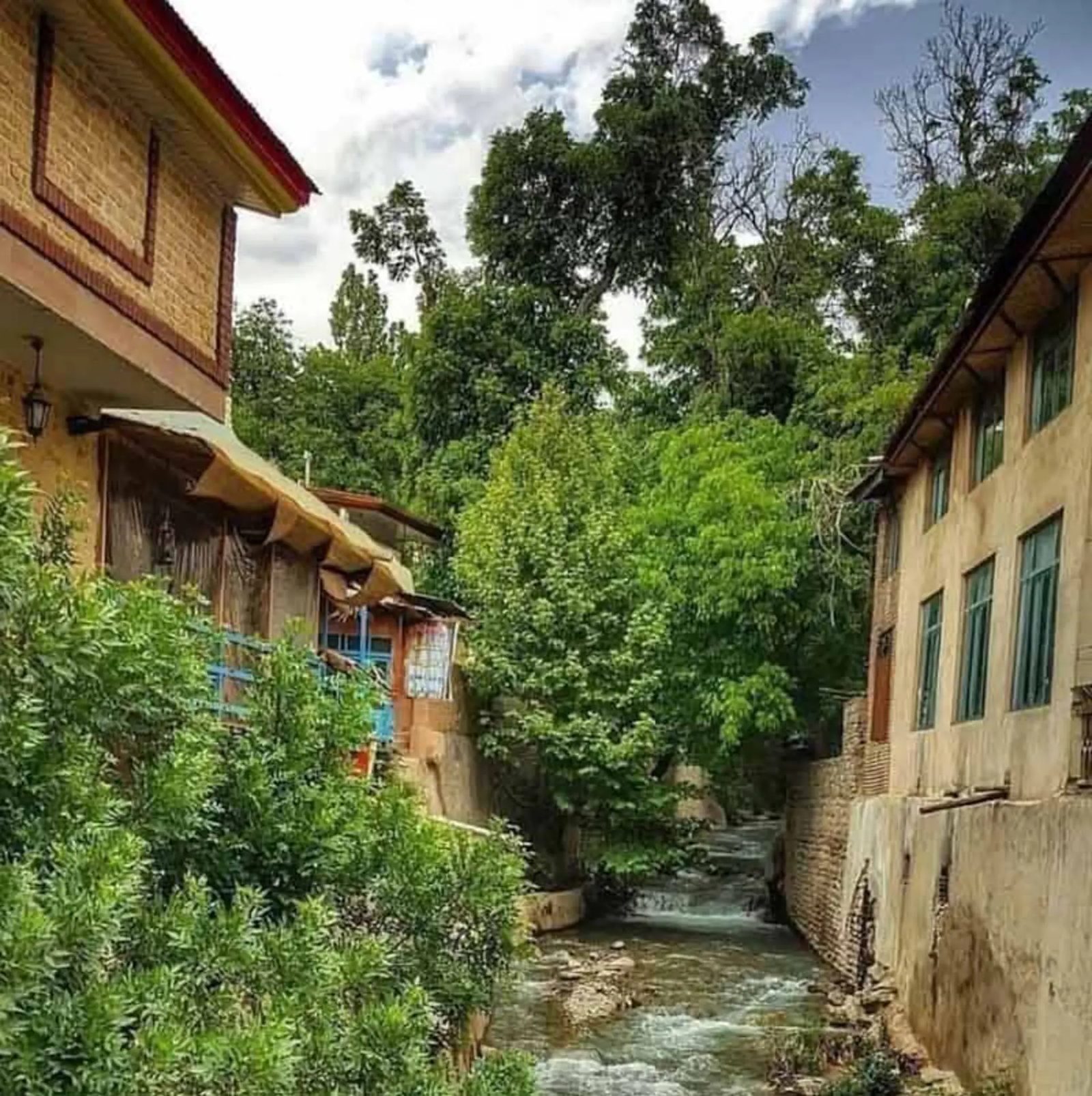
From Tehran, Mehyar Buses and the shared intercity services run the freeway route constantly and drop you at the Karaj terminal; a Mehyar Taxi from the capital is faster and costs little more than the taxi ranks inside Karaj itself. The city sights, Chamran Park, Fath Garden, Bam-e Karaj, are reachable without a car. The villages are not. Baraghan, Atashgah, Aghsht and Kordan all sit on winding mountain roads beyond Baghestan, and Dizin and Khur are an hour or two further, so hire a driver with the day rather than planning on taxis out there. From Karaj, Mehyar Taxi can be booked for the round trip, which is cheaper than it sounds once you count the fuel and the mountain driving.
Which mountain villages are worth the climb?
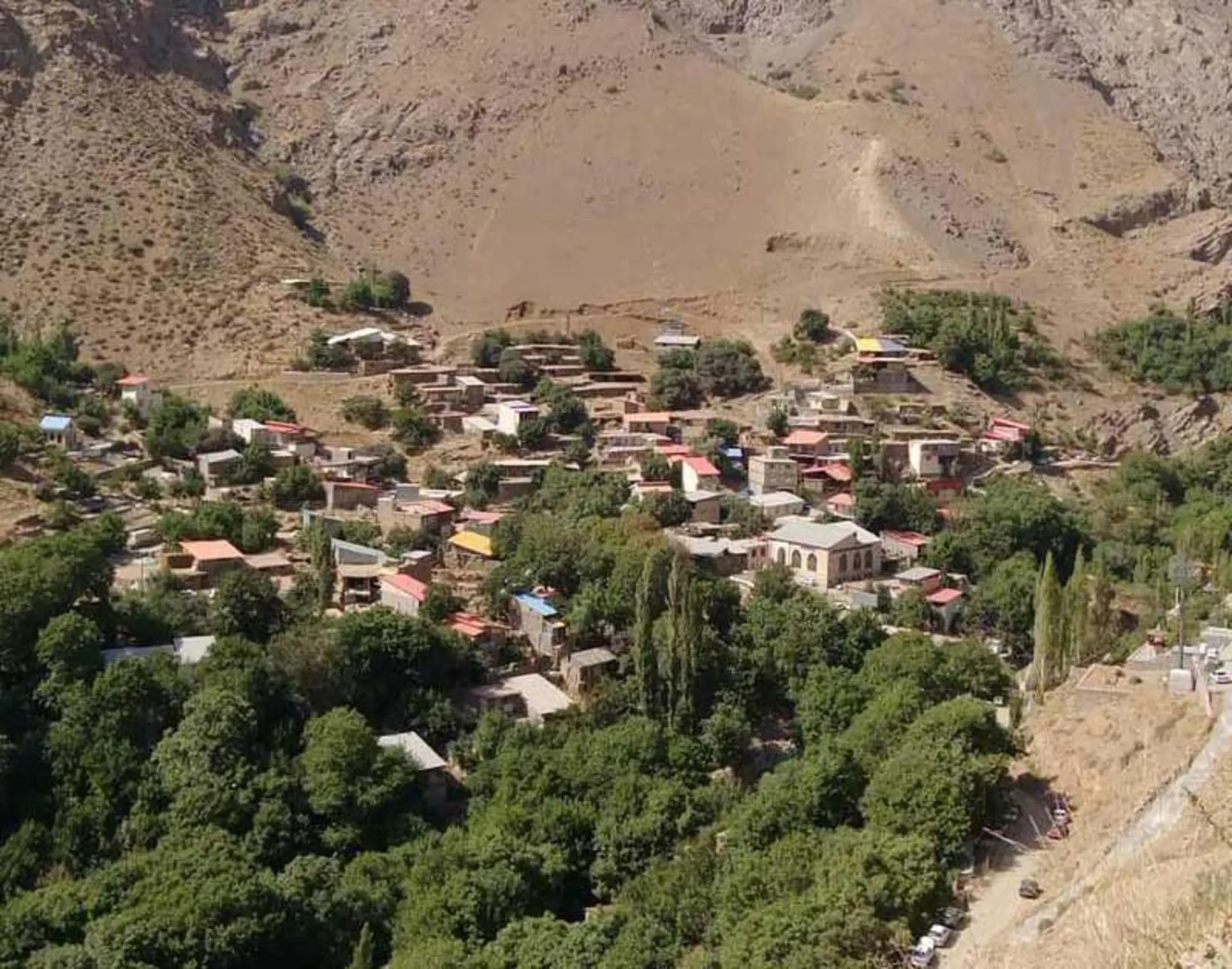
Baraghan is the classic answer, and the one most Tehranis mean when they say they are going out of the city. It sits on the Alborz slopes and is older than Karaj itself, with three things to look for: the village Husseiniyeh, a Safavid bridge over the water, and one enormous plane tree that has clearly outlived everyone who photographed it. The altitude keeps it cool in July. To reach it, drive from the Rajai Shahr and Gohardasht side toward Baghestan and take the Atashgah road; after the winding section you hit a fork, and the left branch runs ten kilometres down to the village.
Atashgah is the other summer refuge, ten kilometres north of Gohardasht, also on the Alborz heights, with waterfalls and springs around it and a scatter of historical sites inside the village itself that most visitors walk past. The same road that goes to Baraghan, the Baghestan route, is the way in.
What is the Aghsht castle, really?
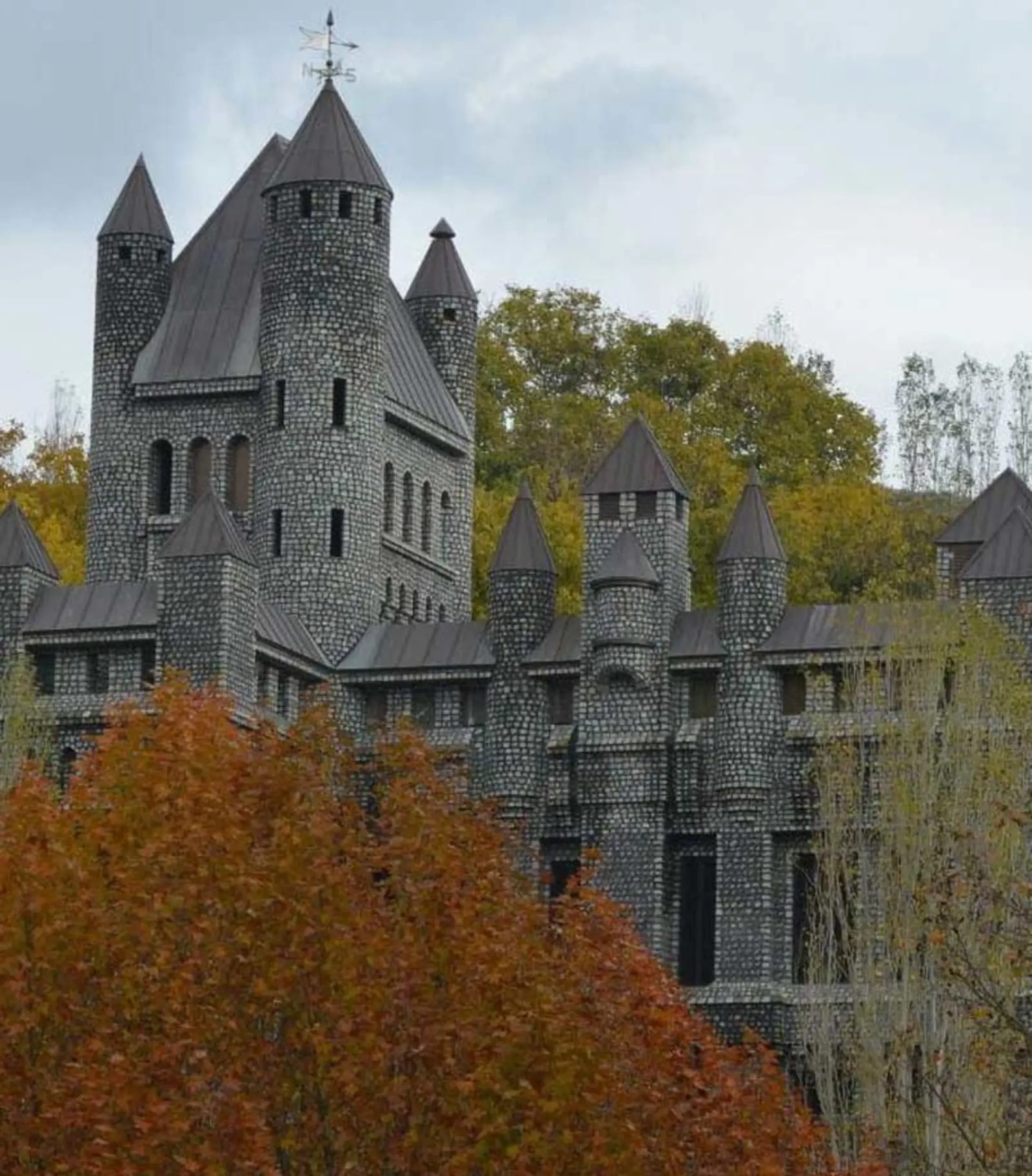
Call it what it is: a private house, not a fortress, built barely more than a decade ago in a deliberate European castle style, turrets and all. It has become one of the best-known photographs in Alborz province precisely because of that, and because the vegetation around it turns colour in autumn and makes the frame. It stands high on the Alborz slopes, with the villages and ridges below it. Go in late October or November for the colours, and bring a warmer layer than you think you need, because the height is real and the wind at the castle is not a summer wind. Aghsht village lies along the road that continues from Baraghan, so the two are a single outing from Baghestan.
Where do you go for photography after dark?
Bam-e Karaj, the terrace district on the slope of Mount Noor in Azimiyeh, is the city's own lookout. The view down the lit grid of Karaj and the freeway is the photograph everyone takes, and the place has no closing hour: there is a restaurant, and the food carts along Talaghani Boulevard stay out as long as the people do. If you want to walk rather than look, the Azimiyeh hiking trail starts from here. Reach it by going to Talaghani Square and up Talaghani Shomali Boulevard to the end.
What do you do in the city with children?
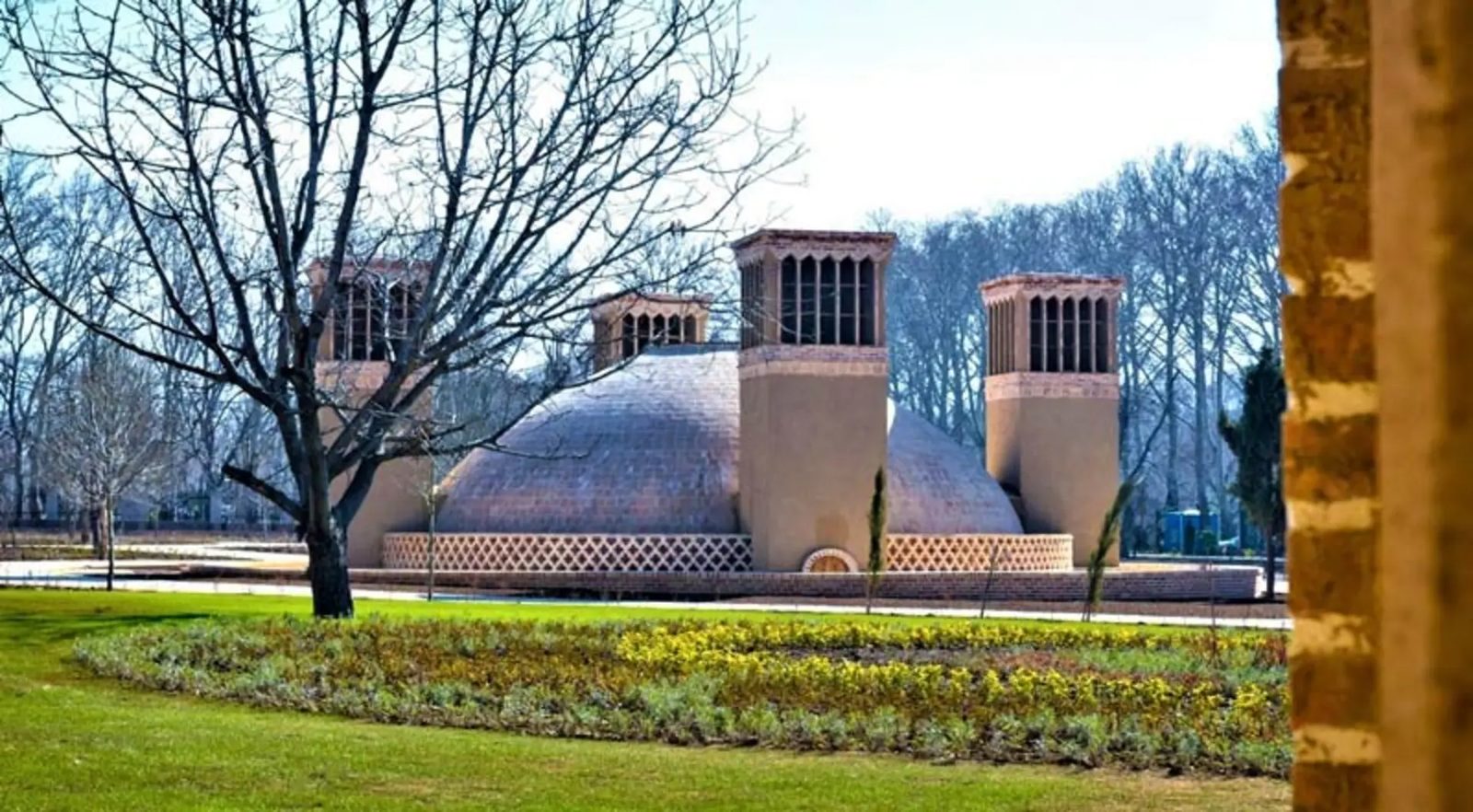
Iran Kuchak, the Little Iran park, is the stop children remember. It is part of the larger Fath Garden in Jahan Shahr, with its own gate, and it is a country in miniature: small-scale models of Iranian monuments and national symbols, each one standing beside information about the people and customs of that region, traditional dwellings from a nomad tent and a reed keper hut to a mud-brick house, and statues of the country's writers and artists. There are stalls selling regional handicrafts and souvenirs. Spring is the right season, when the greenery is up and the sun is not a problem. Enter from the north side of Meydan-e Sepah into Jomhuri Boulevard and continue to Mahan-e Sharqi, where the park sits beside Kalahr Street.
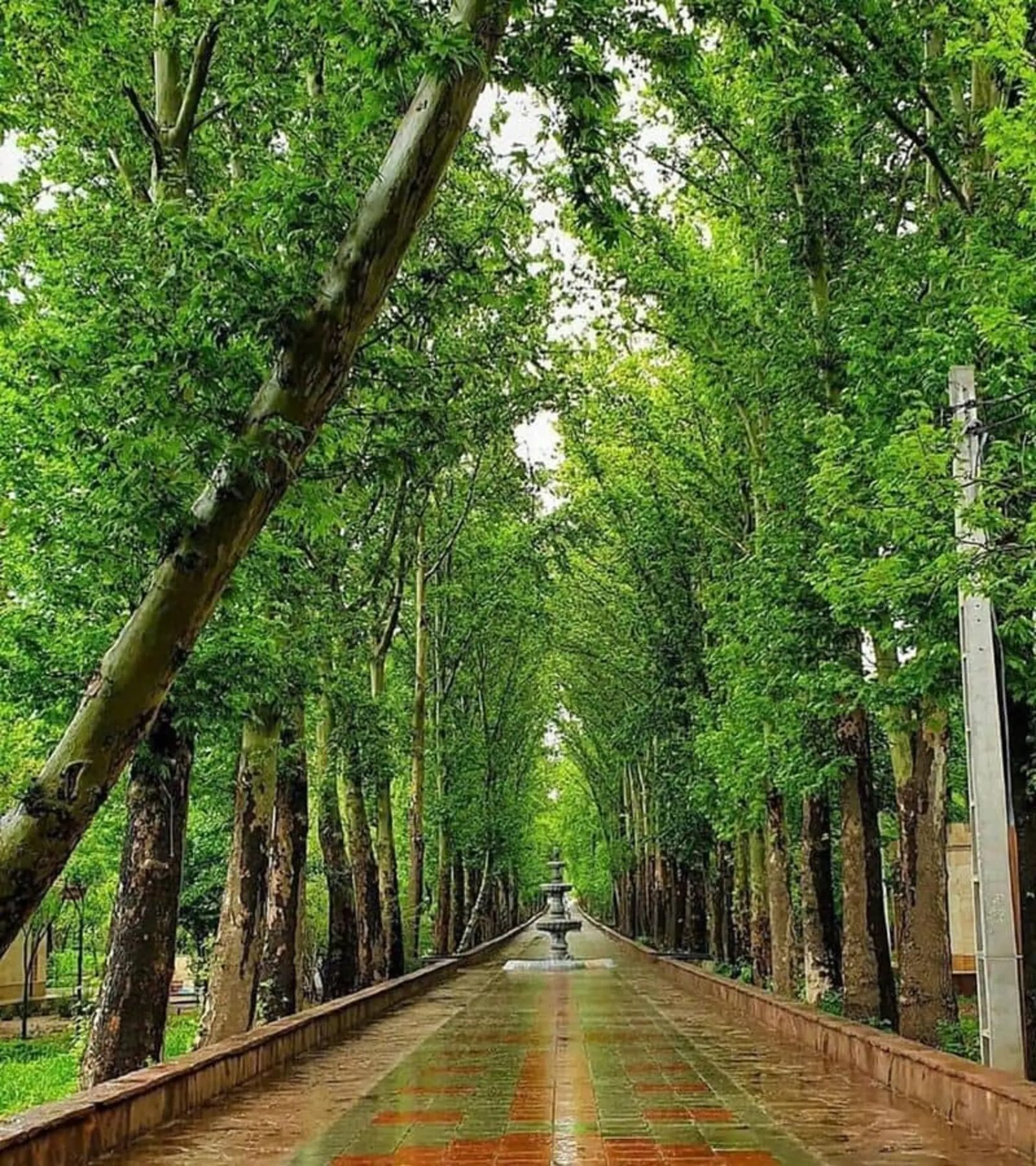
Fath Garden itself is one of Karaj's oldest forest parks and its namesake district, Jahan Shahr, was once called the garden city because of trees like these. It is still where the city plays tennis: the practice and competition courts are the reason locals also call it the tennis park. There is space for team sports and walking, a small book hut, a buffet and a restaurant. Come early in spring and you will have the paths to yourself.
Chamran Park is the big one, right at the Karaj end of the Tehran freeway, and it is really several parks: an amusement park, a flower garden, a women's park, a children's traffic park and a forest park with a canopy so dense that the air inside it is measurably cooler than the street outside. Each spring the flower garden runs a tulip festival, with beds through the whole garden and a large flower carpet laid out in the northern section. The main entrance and flower garden are on Chamran Boulevard by Imam Hossein Square; the amusement and forest sections continue north along the same boulevard.
What is there beyond the city?
Amir Kabir Dam Lake, the Karaj reservoir, lies about 25 kilometres out, on the Karaj River, ringed by cool villages in the mountains. It is a popular place to sit and eat for the day, though the approach road is steep in sections and not every driver enjoys it. Swimming is prohibited, whatever the weather looks like. The lake road is also the only way to Variyan village, and that stretch is restricted to residents.
Dizin, roughly 70 kilometres from Karaj, is the serious one: the only resort in Iran certified by the international ski federation, with a full range of lifts, gondola, chairlift, platter and T-bar lines, plus snowcats, piste courses for beginners, a snow park, a half pipe and a summer grass piste. Its opening date moves every year with the snowfall. There are two approaches, from the Chalus road and from Shemiran, but note that the Shemshak to Dizin link is usually closed in winter, so the practical route is the Chalus road: past the Gachsar hotel, take the Gajareh village exit and follow that road in.
Khur is also on the Chalus road and closer to Karaj than Dizin, but it is not a professional resort. It has two runs, one for each level, a platter lift, snowmobiles, a summit camp, a ski school, a restaurant and a cafe. Beginners are usually better off here, and the same rule applies about opening dates: it is groomed once the winter snow comes, and the calendar depends on the mountain. Drive 15 kilometres along the Chalus road from Karaj to the Khuzenackle sign, then 15 kilometres up the village road.
When should you go?
Spring, meaning April and May, is the best all-round window: blossoms in the orchards, the tulip festival at Chamran, and comfortable walking in Baraghan. Summer is for altitude, since the villages and the dam lake exist as escapes from the heat of the cities around Karaj. Autumn is the Aghsht and Baraghan season for colour, and the reason the photographs of this region look the way they do. Winter is for the two ski resorts, and only them: the mountain roads to the villages freeze and the villages themselves empty out.
Where do you stay?
Karaj is a practical base if you are skiing Dizin or Khur, or if you want to reach Taleqan and the Alborz villages without crossing Tehran in traffic. Book through Mehyar Hotels on the Azimiyeh or Gohardasht side, where the road out to the mountains is quick, and use Mehyar Buses or Mehyar Flights to move on to the Caspian coast via the Chalus road. Kordan, close to the city, is the alternative for one night: rivers, seasonal waterfalls, walking paths, and enough cafes, restaurants and guest villas to make an overnight easy. Everything can be arranged in the Mehyar app.