
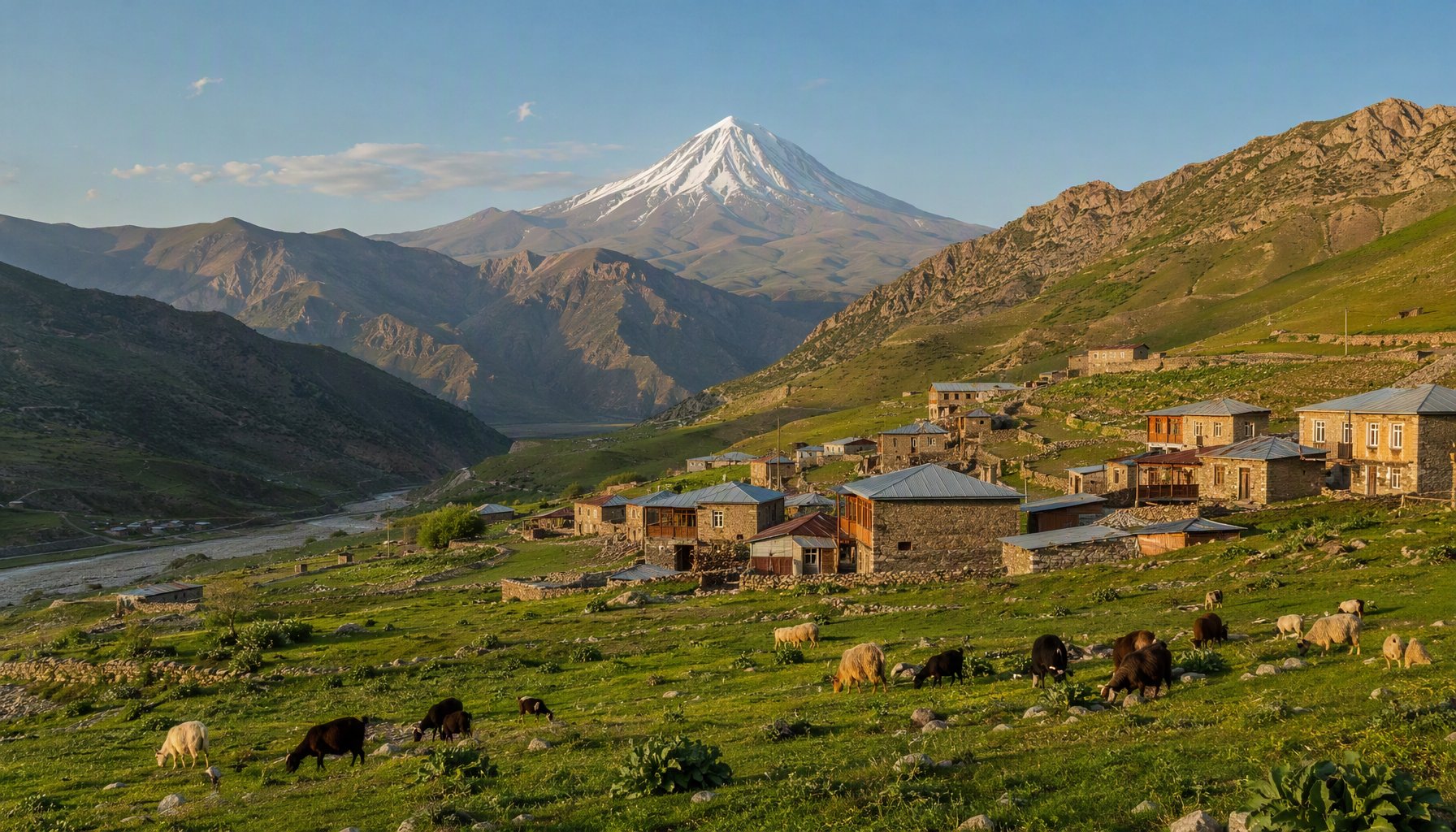
Perched in the upper Haraz Valley where the Alborz mountains reach their most dramatic peaks, Polur Village has long been a resting point for travelers crossing between the Iranian plateau and the Caspian lowlands. Located approximately 100 kilometers from both Amol and Tehran, Polur sits at the point where the Haraz Road begins its steepest ascent toward the Gaduk Pass and the summit of Mount Damavand, Iran's highest peak.
The village is a living example of mountain adaptation. Houses are built with thick stone walls and steep roofs designed to shed the heavy winter snows that characterize this section of the Alborz. In summer, the surrounding meadows fill with grazing livestock, and the air carries the scent of wild thyme and mountain herbs. For visitors to Iran, Polur offers an authentic encounter with highland culture and access to some of the country's most spectacular mountain scenery.
Where Is Polur Village?
Polur is located on the Haraz Road (Route 77) in the upper Haraz Valley, approximately 100 kilometers from Amol to the north and about 100 kilometers from Tehran to the south. The village sits at an elevation of around 1,900 meters, making it one of the higher settlements along the route.
The upper Haraz Valley represents a transitional zone between the forested southern slopes of the Alborz and the more arid central plateau. At Polur's elevation, the landscape is characterized by alpine meadows, rocky outcrops, and sparse vegetation adapted to the harsh mountain climate. The village's position in this high valley gives it a distinctive character compared to the lower, more forested sections of the Haraz Road.
How to Get There
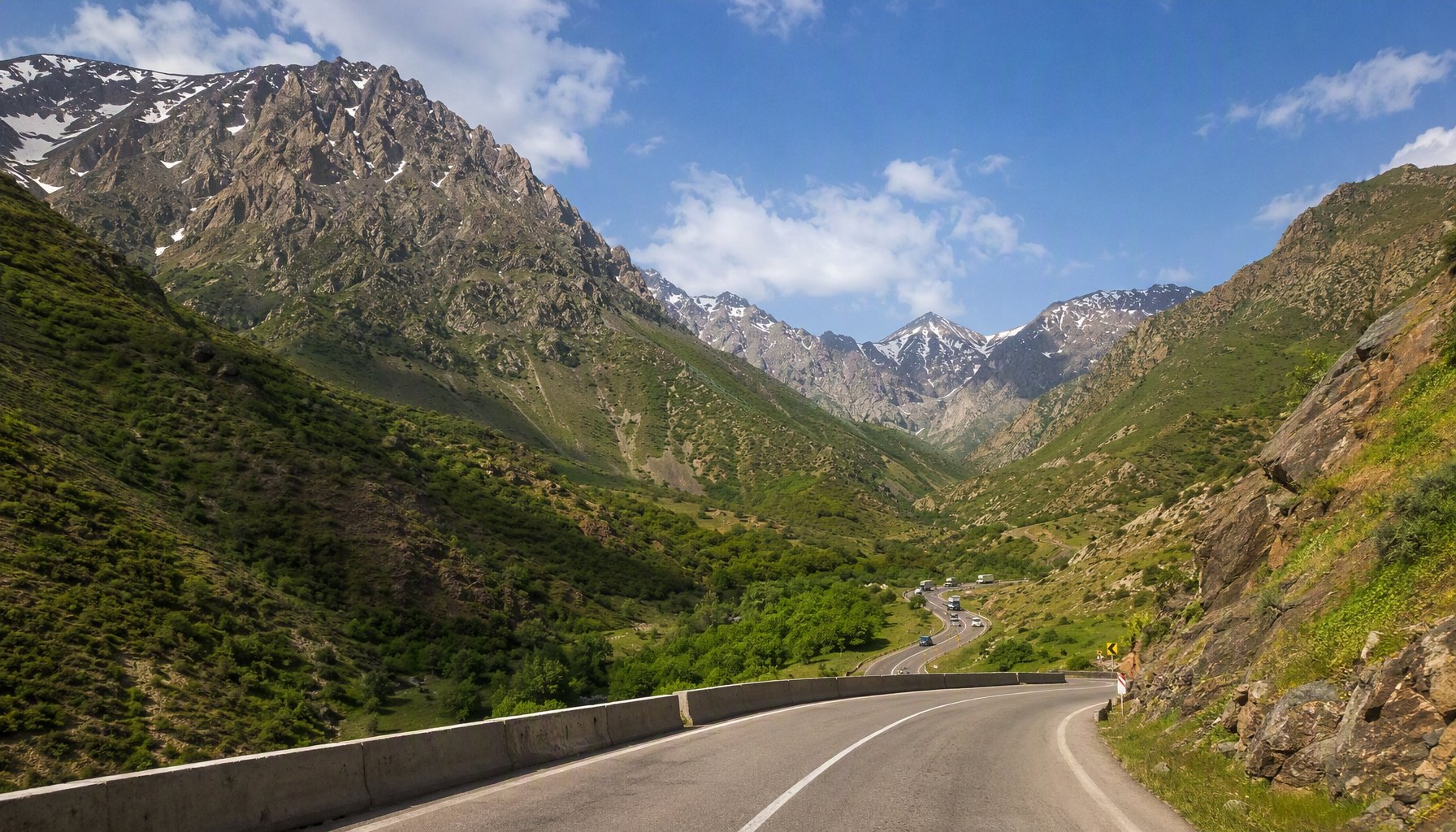
From Tehran, the drive south on the Haraz Road is one of the most scenic mountain routes in Iran. The road passes through the foothills of the Alborz, climbs through forested valleys, and reaches Polur as it begins its final push toward Gaduk Pass. The drive takes about 2.5 to 3 hours from Tehran, depending on traffic and weather conditions. The route offers continuously changing scenery, from suburban development at the mountain base to increasingly dramatic highland landscapes.
From Amol, head south on Route 77, following the Haraz River upstream. The journey covers about 100 kilometers and takes approximately 2 hours. The road climbs steadily through forested valleys, passing numerous villages before reaching the open highlands around Polur. Arrange taxi transportation from either city for a comfortable ride through the mountains, or take bus services for the Tehran-Amol corridor and arrange a local taxi for the final section to Polur.
What Makes Polur Special
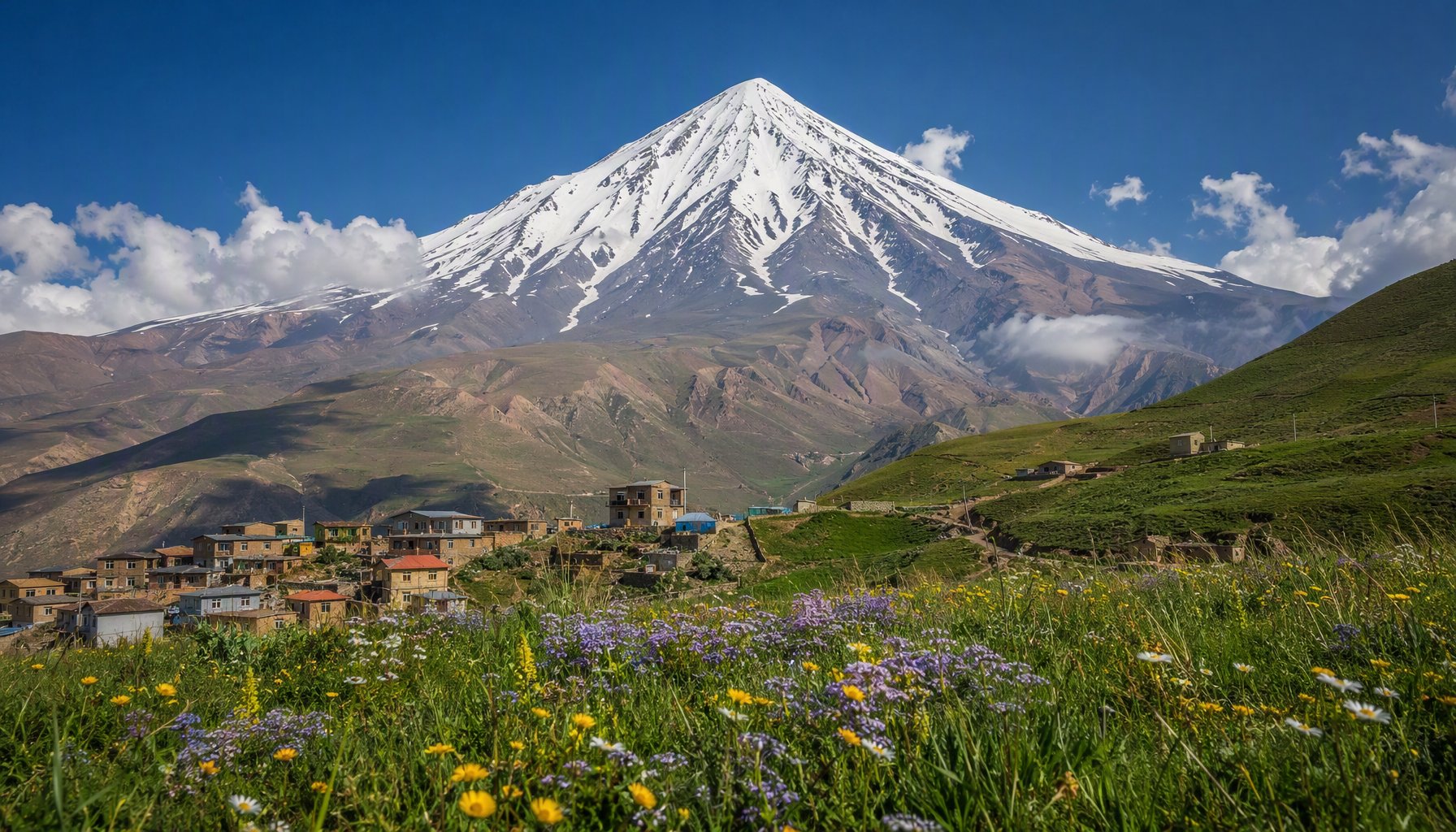
Polur is known among mountaineers as a staging point for ascents of Mount Damavand (5,610 meters). The southern face of Damavand is accessible from the Polur area, and several mountain shelters and guide services operate from the village during the climbing season (June to September). Climbers typically spend a night in Polur to acclimate to the altitude before attempting the summit, which requires technical skills and proper equipment for the glacier sections near the top.
Beyond mountaineering, Polur offers a genuine experience of Alborz mountain life. The local economy is based on livestock farming, horticulture, and tourism. Visitors can enjoy fresh dairy products, local bread baked in traditional ovens, and the simple hospitality of mountain communities. The villagers maintain traditional practices adapted to the challenging mountain environment, including transhumance patterns where livestock move between high summer pastures and sheltered winter valleys.
The natural surroundings are rich and varied. The Haraz River flows nearby, fed by snowmelt from Damavand, its waters cold and clear as they rush through rocky channels. The forests transition from dense broadleaf at lower elevations to alpine meadows and rocky scree near the summits. This ecological gradient supports diverse plant and animal life, from the oak and beech forests below to the hardy alpine flowers that bloom briefly during the short summer season.
Wildlife in the area includes mountain goats, wild sheep, and various bird species adapted to high-altitude environments. While large mammals are elusive and rarely seen by casual visitors, the presence of tracks and sightings reported by locals attest to the area's ecological richness. Birdwatchers may spot golden eagles, chukar partridges, and other species that thrive in the mountain environment.
Nearby Attractions
The Gaduk Pass, just above Polur, offers panoramic views and is the watershed divide between the Caspian and the central plateau. Standing on the pass, you can see the dramatic contrast between the green northern slopes descending toward the Caspian Sea and the brown, arid landscapes of the central Iranian plateau to the south. This geological and climatic boundary has shaped human settlement patterns for millennia.
The Damavand volcanic crater, visible from the village on clear days, is Iran's most iconic mountain landmark. The stratovolcano's symmetrical cone dominates the skyline, its snow-capped peak visible from great distances. Damavand holds significant place in Iranian mythology and folklore, featuring prominently in the Shahnameh and other Persian literary works. The volcano is considered a national symbol and appears on Iranian currency.
The hot springs of Abgarm are also nearby, where you can soak after a day of hiking or climbing. These natural hot springs emerge from deep within the Earth, heated by geothermal activity related to Damavand's volcanic system. The mineral-rich waters are believed to have therapeutic properties, and locals have used them for centuries for relaxation and healing.
The Mountain Culture of the Alborz
The communities of the upper Haraz Valley, including Polur, maintain cultural traditions distinct from both the Caspian lowlands and the central plateau. The dialect, cuisine, architecture, and social customs reflect centuries of adaptation to highland life. Visitors to Polur experience a way of life that prioritizes community cooperation, practical knowledge of the mountain environment, and hospitality toward travelers crossing through this challenging terrain.
Local cuisine features hearty dishes suited to the cold mountain climate. Dairy products feature prominently, reflecting the importance of livestock farming. Traditional breads, dried meats, and preserved foods speak to the historical need to store sustenance through long winters. Tea, often flavored with local herbs, is the standard beverage offered to guests, embodying the region's emphasis on hospitality.
Best Time to Visit
Late spring through early autumn (May to October) is the best window for visiting Polur. June and July offer wildflower meadows and the start of the climbing season, when mountaineers from across Iran and beyond arrive to attempt Damavand. August and September are driest and clearest for mountain views, with stable weather and excellent visibility. Winter (December to March) brings heavy snow, and the road may close periodically, though the snow-covered landscape has its own austere beauty for those prepared for extreme cold.
Practical Details
- Address: Polur Village, Haraz Road (Route 77), upper Haraz Valley, Mazandaran province
- Hours: Open access at all times
- Tickets: Free
- Best season: June to September
- Phone: Mountain guide services available locally
- Altitude: Approximately 1,900 meters above sea level
- Facilities: Basic guesthouses and restaurants; limited services compared to larger towns
- Accessibility: Mountain terrain; some areas may be challenging for visitors with mobility issues
Polur Village represents the Alborz mountains at their most accessible and authentic. For travelers seeking to experience Iran's highland culture, witness the majesty of Mount Damavand, or simply enjoy the clean air and dramatic scenery of the upper Haraz Valley, Polur offers a genuine mountain experience that connects visitors to both the natural grandeur and human resilience of Iran's most important mountain range.