
Every traveler to Iran has heard of Isfahan, Shiraz, and Tehran. These iconic destinations rightfully dominate every itinerary. But Iran's 31 provinces hold countless cities and towns that foreign visitors seldom reach, yet each carries layers of history, distinct cuisine, and landscapes that rival the famous spots without the crowds.
This guide highlights some of Iran's most underrated destinations, places where hospitality runs deeper, traditions remain intact, and the scenery feels undiscovered. These cities offer authentic experiences that many travelers seek but few find. They represent the Iran that locals know, a country of remarkable diversity where each region has its own character, dialect, and way of life.

Ilam: The Kurdish Gateway to the Zagros
Ilam, the capital of Iran's smallest province, sits high in the western Zagros mountains near the Iraqi border. Few foreign tourists venture here, yet the province offers dramatic canyons, oak forests, Kurdish culture, and the remarkable Kafarin Cave Canyon. The city itself is quiet and compact, with excellent access to mountain trails and traditional villages.
The province is home to the Kurdish people, whose culture, music, and hospitality are legendary throughout Iran. Visitors to Ilam can experience authentic Kurdish life, from the traditional houses built into the mountainside to the local cuisine featuring wild herbs and mountain game. The nearby Almas Canyon provides a stunning example of Zagros geology, with towering limestone walls and seasonal waterfalls that draw hikers and nature photographers.
Birjand and South Khorasan
In eastern Iran, Birjand and the surrounding South Khorasan province are home to Persian gardens, historic qanat systems, and the stunning desert landscapes of the Lut margins. The city's traditional houses with their distinctive windcatchers tell a story of desert ingenuity. The nearby Band-e Amir dam and the ancient fortress of Arg-e Kolon are worth the detour.
South Khorasan represents the intersection of Persian and Central Asian cultures, with influences that stretch back along the ancient Silk Road. The province's qanat systems, some dating back over 2,000 years, demonstrate the sophisticated water management that made settlement possible in this arid region. The desert landscapes surrounding Birjand offer otherworldly beauty, with vast salt flats, dramatic sand dunes, and the occasional oasis village where time seems to stand still.
Yasuj: The Capital of Nature in the South
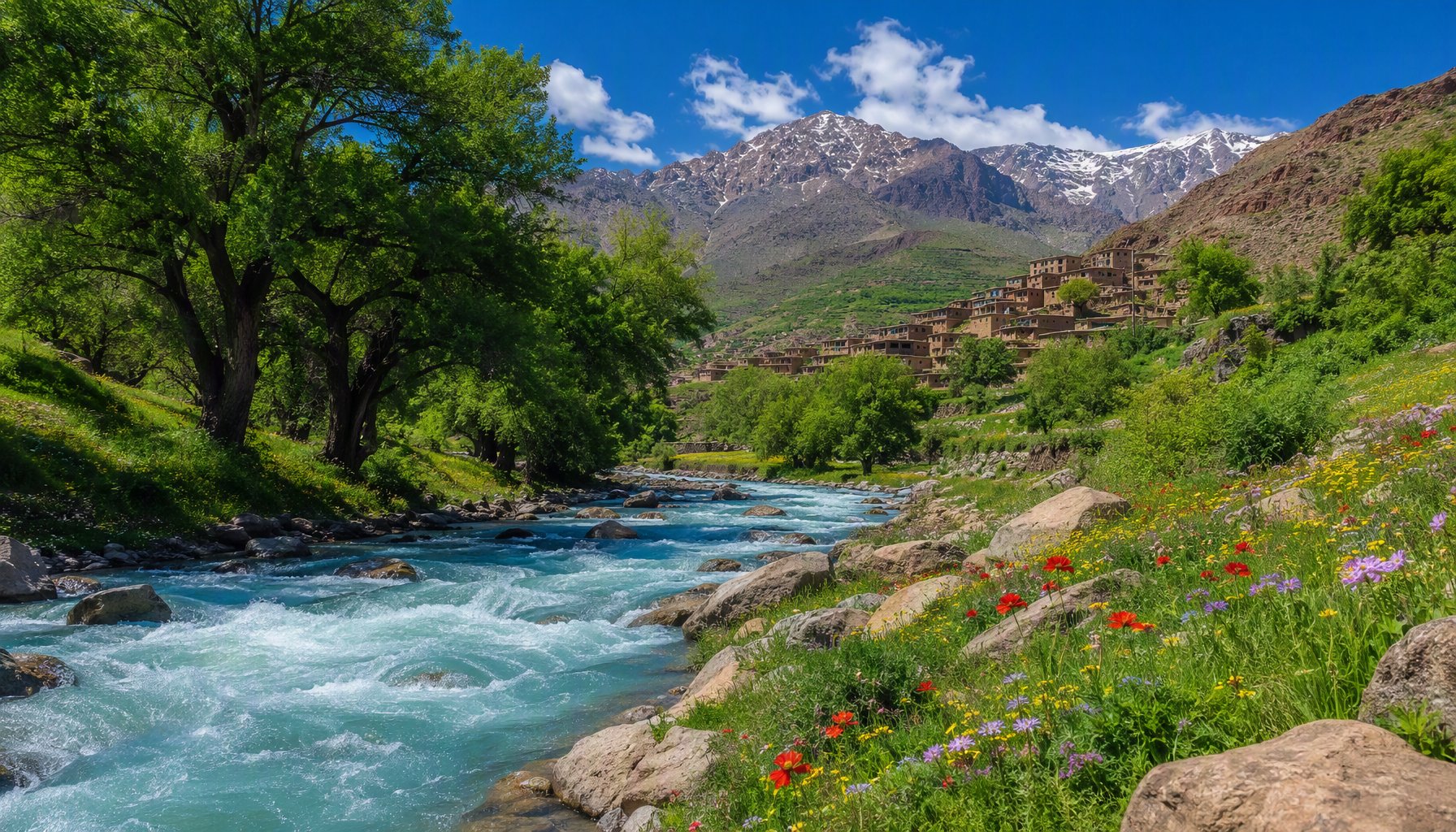
Yasuj, the center of Kohgiluyeh and Boyer-Ahmad province, is surrounded by dense oak forests and fast-flowing rivers. Known as the "Capital of Nature" in Iran, it serves as a gateway to the Zagros mountain trails, seasonal waterfalls, and nomadic Qashqai routes. The local cuisine, built on wild herbs and mountain trout, is unlike anything in central Iran.
The region around Yasuj remains one of Iran's best-kept secrets for nature lovers. Spring brings wildflowers that carpet the hillsides in brilliant colors, while summer offers cool retreats in the forested mountains. The Qashqai nomads, who migrate through these valleys with their flocks, maintain a way of life that has persisted for centuries. Visitors can witness traditional carpet weaving, bread baking, and cheese making in villages that have changed little over generations.
Zabol and the Sistan Region
Far in the southeast, Zabol and the Sistan region are among the least visited areas in Iran, yet they hold some of the country's most fascinating archaeological sites. The Burnt City (Shahr-e Sukhteh), one of the world's oldest urban settlements, dates to 3200 BCE. The Hamun wetlands and the 120-day wind phenomenon create a landscape unlike anywhere else in the country.
Sistan's isolation has preserved its unique character. The local Baluchi culture, with its distinctive architecture, music, and crafts, reflects centuries of interaction with the Indian subcontinent and Central Asia. The 120-day winds, which blow relentlessly from May to September, have shaped both the landscape and the traditional architecture, with buildings designed to channel cooling breezes through living spaces. The Hamun wetlands, fed by the Helmand River, support a fragile ecosystem that attracts migratory birds and sustains local fishing communities.
Bandar Lengeh and the Persian Gulf Coast
The small port town of Bandar Lengeh on the Persian Gulf coast offers a window into southern Iran's maritime culture. Known for its spice markets, traditional dhows, and the nearby Hara mangrove forests, this is where Iran meets the Indian Ocean trade routes. The local cuisine blends Persian, Arab, and Indian influences in ways you will not find elsewhere.
The Persian Gulf coast of Iran has long been a crossroads of civilizations. Bandar Lengeh's architecture reflects this maritime heritage, with coral stone buildings and wooden verandas designed for the humid climate. The Hara mangrove forests, a UNESCO biosphere reserve, provide crucial habitat for birds and marine life. Local fishermen still use traditional wooden dhows, sailing methods unchanged for centuries. The spice markets overflow with flavors from across the Indian Ocean, a reminder of Iran's historical role in global trade networks.
Ardabil and the Northwest Highlands
While Ardabil is known within Iran for the Sheikh Safi al-Din complex (a UNESCO World Heritage Site), it rarely appears on international itineraries. The surrounding highlands offer cool summers, the vast mesh of the Heyran Pass, and access to the Caspian forest margins. The local food, especially the herb-rich dishes of Azerbaijani cuisine, is a revelation.
Ardabil province represents the meeting point of Persian and Caucasian cultures. The Azerbaijani Turkish language dominates here, along with distinctive traditions in music, dance, and cuisine. The Heyran Pass, one of Iran's most dramatic mountain roads, winds through dense forests before opening onto views of the Caspian Sea lowlands. The region's cuisine features fresh herbs, walnuts, pomegranate molasses, and slow-cooked stews that reflect the cooler climate and agricultural abundance.
Khorramabad and the Lorestan Valleys
Khorramabad, the capital of Lorestan province, sits in a fertile valley surrounded by the Zagros Mountains. The famous Falak-ol-Aflak castle, perched on a hill overlooking the city, dates to the Sassanid period and houses an archaeological museum. The province takes its name from the Lur people, whose nomadic traditions and distinctive crafts continue to this day.
Lorestan's bronze artifacts, dating back to the third millennium BCE, are among Iran's most important archaeological treasures. Many of these intricate pieces are now displayed in museums worldwide, but the province itself remains relatively unknown to foreign visitors. The surrounding valleys offer excellent hiking, with traditional villages, walnut orchards, and seasonal rivers that carve deep gorges through the limestone.
Why Visit These Cities?
Traveling beyond the usual circuit rewards you with genuine encounters. In these cities, you are a guest rather than a tourist. Local bazaars are not set up for souvenir shopping; they serve residents who have bought their goods there for generations. The landscapes are unfiltered by tour infrastructure, and the stories you hear come directly from the people who live them.
These alternative destinations offer something increasingly rare in our connected world: authenticity. The pace of life is slower, conversations are longer, and the experience of being a stranger in a small Iranian city remains one of genuine hospitality. Locals are curious about visitors, eager to share their culture, and proud to show off their hometown's treasures.
Practical Tips
- Travel in spring or autumn for the most comfortable weather across these diverse regions
- Learning a few phrases of the local dialect (Kurdish, Lori, Baluchi) opens doors instantly
- Arrange transportation through your accommodation or use local taxi services
- Carry cash, as card infrastructure may be limited in smaller towns
- Respect local customs, especially in more conservative regions like Sistan and Baluchestan
- Pack layers, as mountain cities can be cool even when lowland areas are hot
- Consider hiring local guides who can introduce you to hidden gems and family-run restaurants
- Learn basic phrases in the local language, even a simple greeting in Kurdish or Baluchi will be warmly received
These lesser-known cities represent the heart of Iran, where daily life continues at a traditional pace and where the country's remarkable ethnic and geographic diversity becomes vividly apparent. For travelers willing to venture beyond the well-trodden path, these destinations offer encounters and landscapes that will linger in memory long after the journey ends.