
Maranjab is the kind of desert that rearranges your sense of scale. Within an hour or two of leaving the rosewater shops and mud-brick lanes of Kashan, the road empties, the horizon widens, and you find yourself standing on dunes that move with the wind while a square Safavid caravanserai watches over a salt lake that turns pink at sunset. It is close enough to Tehran and Isfahan for a long day trip, yet vast enough to reward an overnight stay under some of the darkest skies in central Iran.
This guide covers where Maranjab is, how to reach it from Kashan, Tehran, and Isfahan, the best seasons to visit, what to see at the caravanserai and the salt lake, how to camp or stay overnight, and how to use Mehyar to handle the practical side of the trip, from booking a hotel in Kashan to arranging a taxi or a bus to the edge of the desert.
Where is Maranjab Desert?
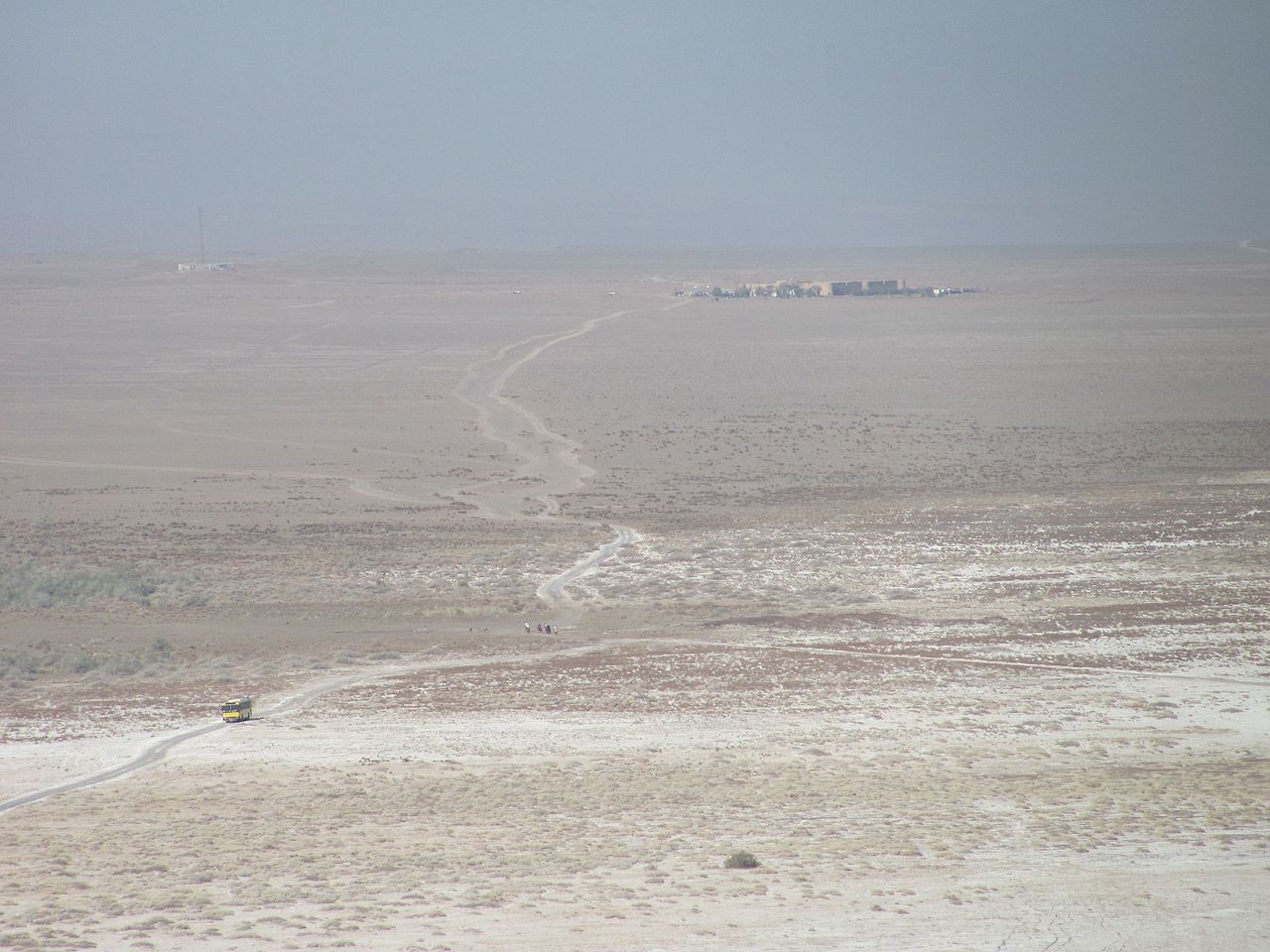
Maranjab sits in Isfahan province, in the northern part of Aran va Bidgol county, roughly 50 kilometers northeast of the town of Aran va Bidgol and about 55 kilometers from Kashan. It marks the northern edge of the Dasht-e Kavir, the great salt desert that occupies much of central Iran, and it borders the Masileh salt lake to the north, the Band Rig sand sea to the south, and the Kavir National Park to the east.
The desert takes its name from the caravanserai and the old qanat that once served travelers crossing this stretch of the Silk Road network. Average elevation is around 850 meters above sea level, which keeps nights noticeably cooler than the daytime highs might suggest. The landscape mixes rolling sand dunes, salt flats, tamarisk and saxaul scrub, and open gravel plains, and it supports a surprising amount of wildlife, including foxes, sand cats, lizards, and birds of prey. In recent years, a pair of Persian leopards has even been spotted in the area, a reminder that this is a living ecosystem and not an empty backdrop.
How to get to Maranjab Desert
Reaching Maranjab is straightforward in principle, but the final stretch is a desert road that demands preparation. There is no airport and no train station at the desert itself, so the journey is almost always by road, usually with Kashan or Aran va Bidgol as the gateway.
From Kashan
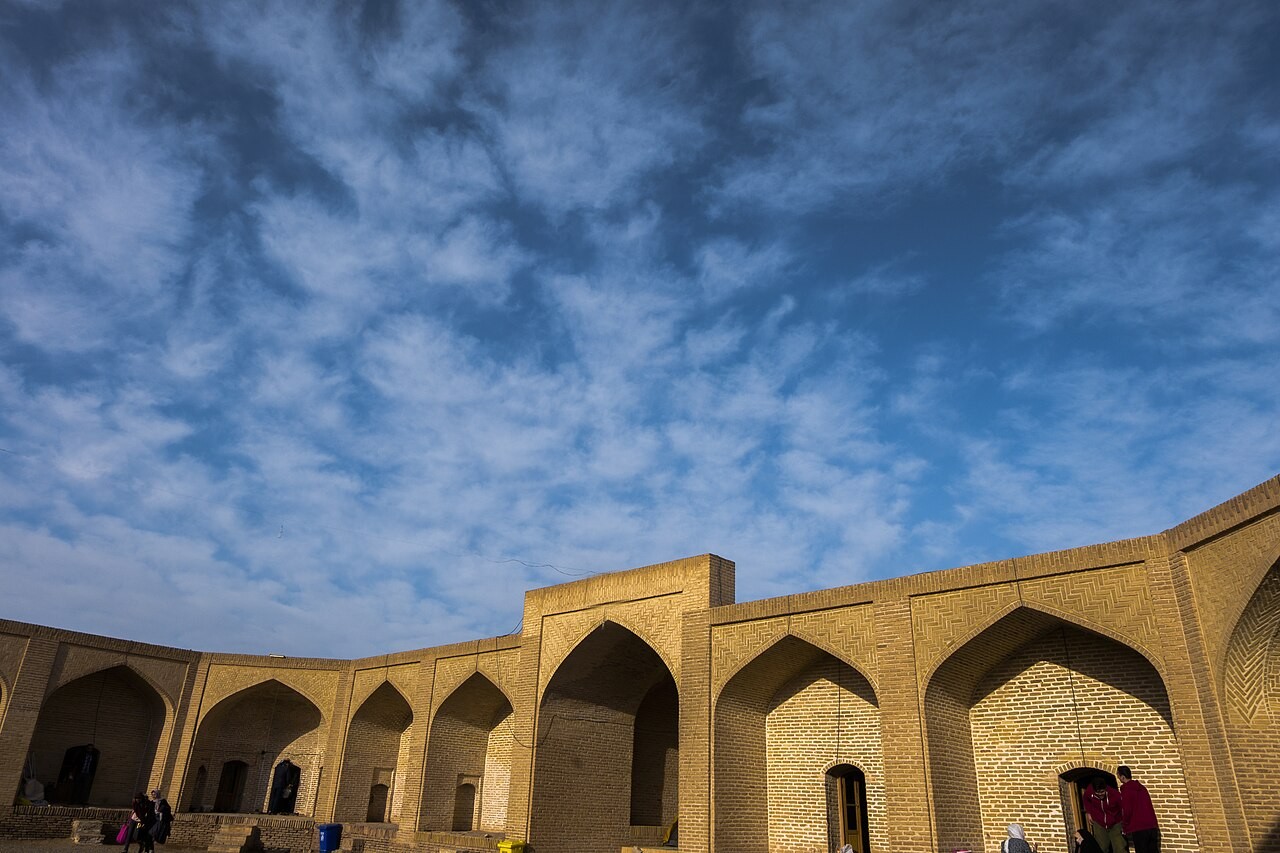
Kashan is the most natural base. The distance is about 55 kilometers, and the drive takes roughly one hour to the edge of the desert, then another hour or so on the dirt road to the caravanserai depending on conditions. The route runs from Kashan to Aran va Bidgol, then along Artesh Boulevard toward the Maranjab road. The starting point of the desert track is near the Imamzadeh Hilal ibn Ali shrine in Aran va Bidgol.
You can drive yourself if you have a sturdy car and desert experience, but the sandy sections can trap a normal sedan, and there is no phone signal for much of the route. A guided 4x4 or a desert tour is the safer choice. If you would rather not drive at all, open Mehyar, choose Taxi, and book a driver who knows the Maranjab road. This is especially useful if you are arriving in Kashan by bus or train and do not want to rent a car for a single day.
From Tehran
Tehran is about 270 to 280 kilometers away, a drive of roughly four hours in good conditions. The usual route is Tehran to Qom on the Tehran-Qom Freeway, then the Qom-Kashan Freeway toward Kashan, then Aran va Bidgol, then the Maranjab road. If you prefer public transport, take a Mehyar bus from Tehran to Kashan, then arrange a Mehyar taxi for the final leg. Trying to reach the caravanserai by shared local taxi from Aran va Bidgol is possible but unreliable, particularly in the late afternoon when drivers prefer not to head into the desert.
From Isfahan
Isfahan is roughly 250 kilometers from Maranjab, about three to three and a half hours by car. The route typically runs north via Natanz and Kashan, or via the Kashan-Natanz road depending on your starting point in the city. As with Tehran, the comfortable option is a Mehyar bus or taxi to Kashan, then a dedicated desert transfer. If you are driving yourself, fill the tank in Kashan or Aran va Bidgol, because there are no fuel stations on the desert road.
The last mile
From Aran va Bidgol, a single dirt road runs about 45 to 50 kilometers to the caravanserai. It is passable in a normal car if you drive slowly and avoid the softest sand, but a high-clearance vehicle is much more comfortable. There are no villages along the way, only a few small fields at the start and a single water well near the caravanserai. For moving around the dunes and the salt lake itself, a 4x4 is effectively mandatory. This is where a Mehyar taxi or a locally arranged desert driver earns its keep.
Best time to visit Maranjab Desert
The best window runs from autumn through early spring, roughly October to April. Daytime temperatures settle between 15 and 25 degrees Celsius, nights drop to around 5 to 15 degrees, and the sky is usually clear enough for serious stargazing. This is also the busiest period, especially around Nowruz and during the autumn and early spring weekends, when tour groups and stargazing clubs fill the caravanserai and the camps.
Spring, particularly March and April, is mild and green. The tamarisk and saxaul bushes leaf out, and the desert briefly looks softer than most people expect. Summer is a different story. From June to August, daytime highs can exceed 45 degrees Celsius, water runs short, and heatstroke is a real risk. Most desert tour operators suspend overnight programs in summer for good reason. If you must visit in summer, go only at dawn, carry far more water than you think you need, and do not attempt the dunes on foot in the middle of the day.
Winter, from December to February, brings cold nights that can approach zero degrees Celsius and sometimes below. Days are often pleasant, around 5 to 15 degrees, and the desert is quiet. If you plan to camp or sleep in the caravanserai, bring a proper sleeping bag, warm layers, and a heating source. For a day trip, winter is a beautiful and uncrowded season.
The Maranjab Caravanserai
The caravanserai is the heart of any Maranjab visit. It was built in the early 17th century, during the reign of Shah Abbas I, as part of the Safavid program of roadside inns that supported trade and pilgrimage routes across Iran. The order to build it was given in 1012 AH, and the local governor of Kashan oversaw its construction on a small rise beside a fresh-water spring and qanat, just south of the salt lake.
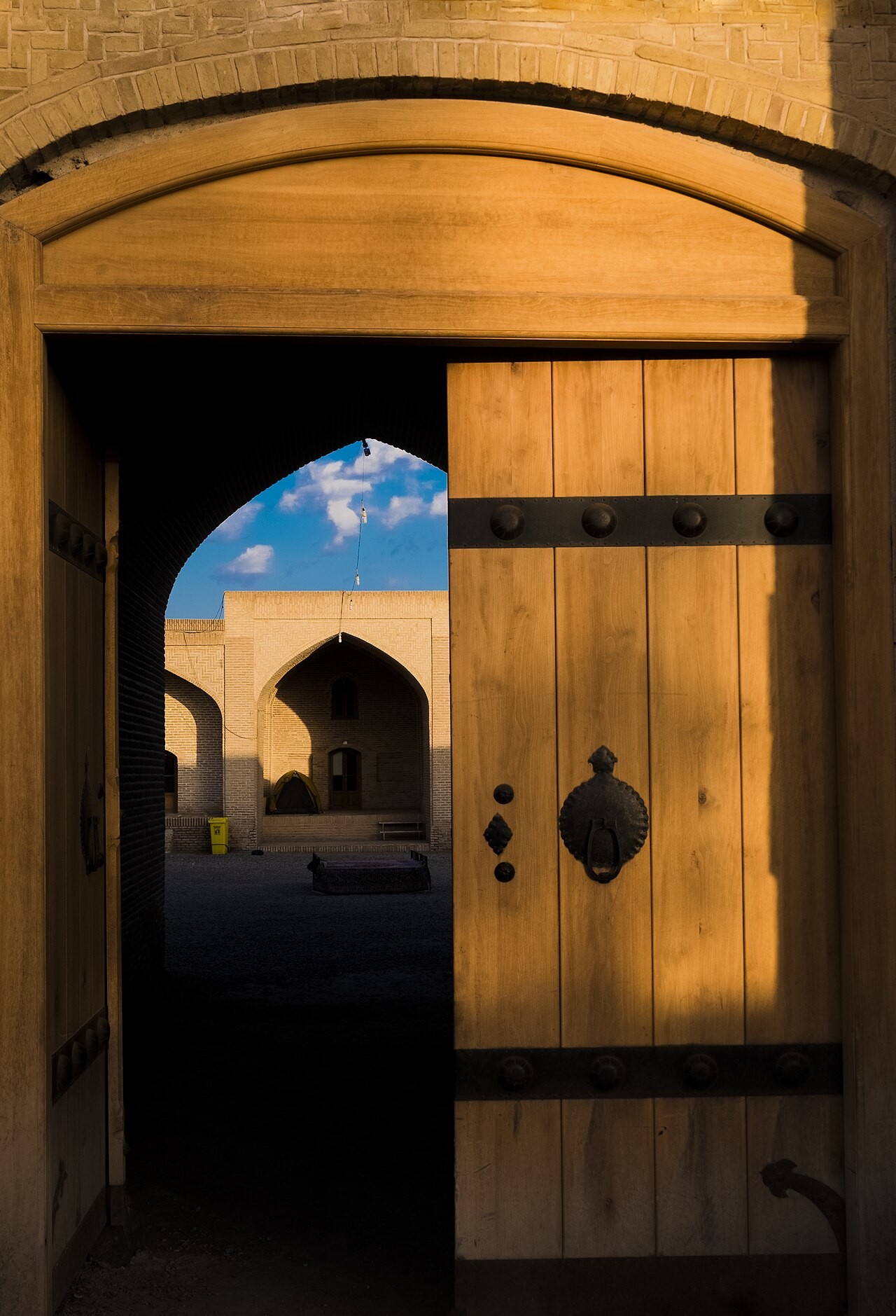
The building is a square fortress covering about 3,500 square meters, with six towers set into its walls. Its foundations are stone and mortar, and inside there is a courtyard roughly 30 by 20 meters, surrounded by 29 rooms arranged around the perimeter. Behind the rooms, a large hall once served as a stable for animals. The layout resembles other Safavid desert inns such as Qasr-e Bahram and Ein al-Rashid, though Maranjab is younger and shows no pre-Safavid layers.
Over the centuries the caravanserai fell into disuse, especially after the Tehran-Qom road shifted traffic away from this route in the 20th century. By the late 1990s it had been used as a sheep pen. The cultural heritage organization purchased and restored it between 1999 and 2003, and today it functions as a guesthouse. Rooms are rented to travelers, there is a traditional dining space, and each room has its own bathroom. Outside, a long pool about 50 meters by 15 meters is framed by willow and tamarisk trees, and the surrounding area has been paved for tents and picnic setups.
Staying here is one of the great desert experiences in Iran. The rooms are simple but comfortable, and the walls hold the day's heat so the nights inside are less brutal than camping. Prices change with the season and demand, so confirm current rates and availability before you commit, especially around holidays. You can also visit for a few hours without staying overnight.
What to see and do in Maranjab
The dunes and the sand sea
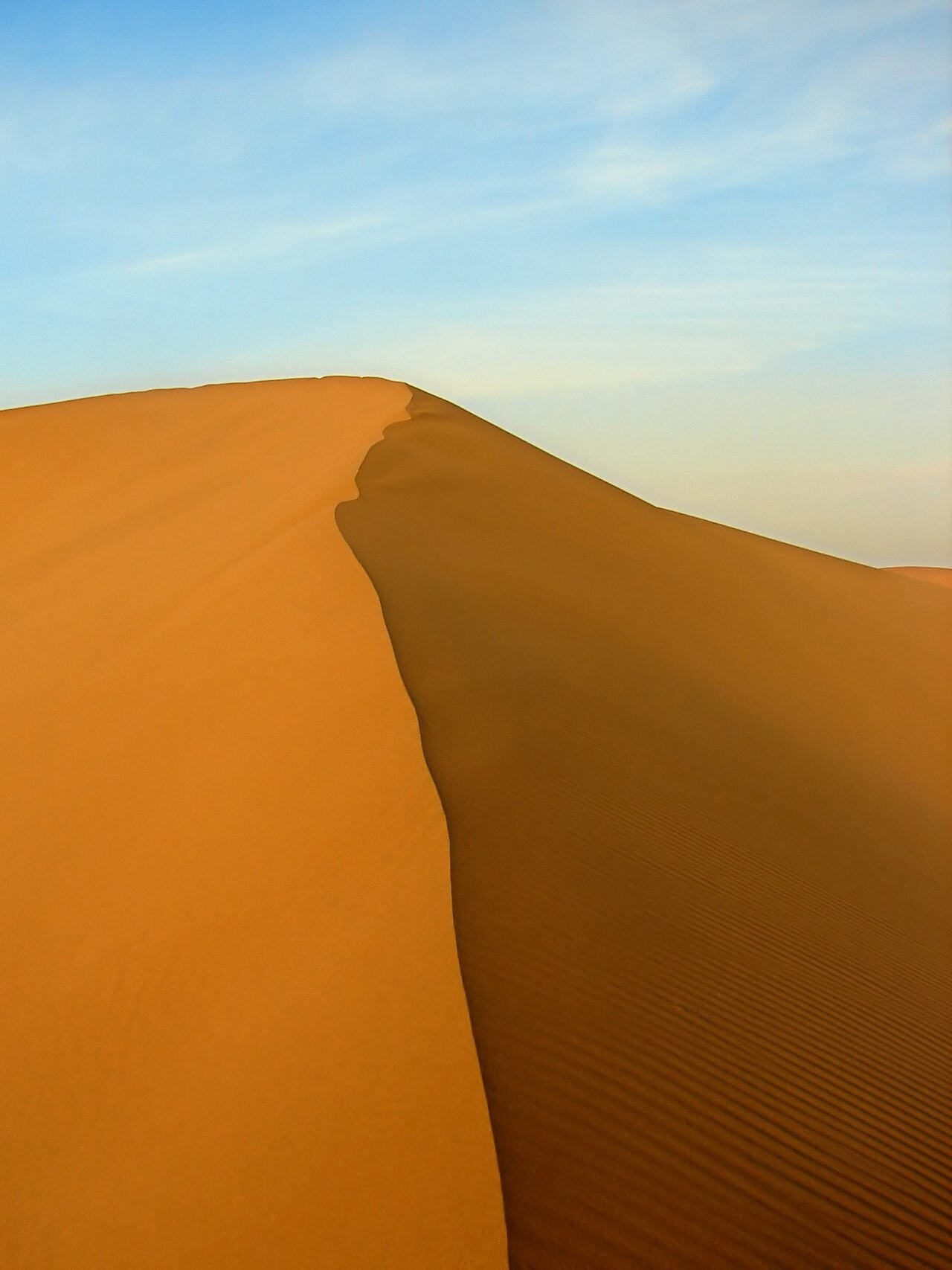
The Band Rig sand sea is one of the largest dune fields in Iran, and the dunes around Maranjab can rise impressively high. They shift constantly with the wind, so the landscape you see on one trip will not be identical on the next. Walking on the dunes at sunrise or sunset is the classic experience: long shadows, cool sand underfoot, and total silence once you leave the car behind.
Safari, camel riding, and off-road
Guided 4x4 safaris are the standard way to cover more ground, especially toward the salt lake and the Wandering Island. Camel riding is available near the caravanserai and along some dune routes, and quad bikes operate in certain areas. Sandboarding is possible on the steeper slopes. If you want any of these, arrange them through your driver or your accommodation, and confirm prices in advance. Do not assume activities run year-round.
The salt lake and the Wandering Island
The Masileh salt lake, often called the Maranjab salt lake, stretches across roughly 640 to 650 square kilometers at the northern edge of the desert, near the meeting point of Isfahan, Qom, and Semnan provinces. For most of the year it is a dry crust of salt rather than open water. When seasonal rain does collect, a thin layer of water can cover parts of it. The evaporation leaves behind polygonal salt patterns that look geometric and almost artificial, and photographers come specifically for this.
The Wandering Island, Jazireh-ye Sargardan, is a small rise within the salt lake that appears to move depending on your viewing angle and the shifting salt surface. It is one of the most photographed spots in the area. The surface can be soft and uneven, so walk carefully and avoid areas that look wet or unstable.
The hand-dug well
About four kilometers east of the caravanserai, a hand-dug well produces fresh water despite the surrounding salt. Thick sand layers act as a natural filter, stripping much of the salinity from the groundwater. Local tradition connects the well to Imam Reza, though this is a popular story rather than a documented fact. It is a short, worthwhile stop, and a reminder of how precious fresh water has always been on this route.
Stargazing and desert nights
Maranjab is far enough from major cities that light pollution is minimal. On clear nights, the Milky Way is visible to the naked eye, and meteor showers in autumn and winter are spectacular from the dunes. Bring a red-light headlamp if you plan to do night photography, and dress in layers, because desert nights cool quickly even after a warm day.
Hours, tickets, and practical notes
There are no fixed opening hours for the desert itself. The caravanserai can be visited during the day, and overnight stays are booked in advance. Entry to the desert area has historically involved a small fee collected at the entrance, and rates have changed over time, so treat any figure you see online as a rough guide and confirm on arrival. The caravanserai room rates also change with the season, and the figure from previous years is no longer reliable. Always check current prices.
Phone coverage is weak or absent across much of the route and around the caravanserai. Download offline maps before you leave Aran va Bidgol, and tell someone your plan. There are no shops or restaurants in the desert, so bring all the water and food you need. There is a single water well along the road, but do not depend on it as your supply.
Nearby and day trips
Maranjab pairs naturally with Kashan, which is about an hour away and offers a completely different kind of beauty. The Fin Garden, a UNESCO World Heritage site with Safavid water channels and cypress trees, is the classic stop. The historic Tabatabaei House and the Sultan Amir Ahmad Bathhouse in Kashan's old quarter are equally rewarding, with stained glass, turquoise tiles, and quiet courtyards. If you have time, the traditional bazaar and the rosewater distilleries of nearby Qamsar add another layer to the region.
For a longer desert-focused trip, Varzaneh is another excellent destination, with its own dunes, salt lake, and a very different atmosphere. Isfahan, about three hours away, makes a natural next stop for anyone touring central Iran. If you are planning around seasons, our guide to the best time to visit Iran will help you match Maranjab with the rest of your itinerary.
Where to stay
The most atmospheric option is the Maranjab Caravanserai itself, where you sleep inside a restored Safavid building with the desert outside your door. Rooms are simple, with private bathrooms, and breakfast is often included. Book ahead in peak season.
Camping is the other classic choice. There is a fenced area near the caravanserai where tents are allowed, and camping fees apply. Bring a proper tent, a warm sleeping bag, and a stove if you plan to cook. If you prefer a bed and a hot shower, base yourself in Kashan and visit Maranjab as a long day trip. Kashan has a range of hotels and traditional guesthouses, and you can browse and book them through Mehyar Hotels. For travelers continuing onward, Mehyar Buses connects Kashan with Tehran, Isfahan, and other major cities, and Mehyar Taxi handles the door-to-door legs that buses cannot.
Weather and what to pack
Autumn and spring days are mild, but nights are cold. Winter days are cool and nights are freezing. Summer is dangerously hot. Whatever the season, bring sun protection, a hat, sunglasses, sunscreen, and more water than seems reasonable. Wear sturdy shoes for walking on sand and salt. A power bank, a headlamp, and offline maps are essentials. If you are camping, add a sleeping bag rated for the season, a mat, and a small first-aid kit. Respect the environment: pack out everything you bring in, and do not drive off established tracks, because desert crusts and vegetation recover very slowly.
Plan your Maranjab trip with Mehyar
Maranjab rewards travelers who plan the logistics before they arrive. Start by opening Mehyar and checking hotels in Kashan or Aran va Bidgol, then book a bus or a taxi to get you there. For the desert leg itself, use Mehyar Taxi to arrange a driver who knows the Maranjab road and can take you to the dunes, the salt lake, and the caravanserai without the stress of navigating soft sand alone. If you need cash or a card for the trip, Mehyar Wallet and top-up keep your payments simple, so you are not hunting for an exchange office on the edge of the desert.
Once your Maranjab night is booked, the rest of central Iran opens up. Read our guide to Kashan for the historic houses and gardens, our Varzaneh guide for another desert experience, and our Isfahan guide for the grand finale of any central Iran itinerary. The desert is quiet, but the memories are not.