
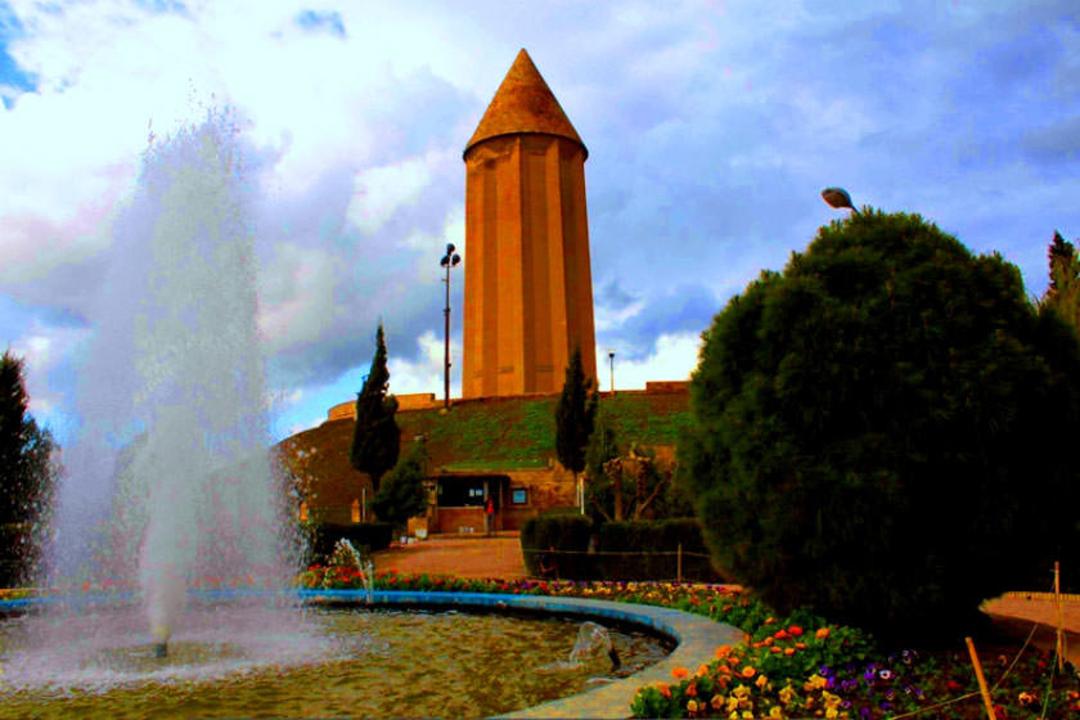
Standing at roughly 60 meters above the flat plains of northeastern Golestan province, Gonbad-e Qabus is a monument that refuses to be ignored. Built in 1006 to 1007 CE on the orders of Shams ol-Ma'ali Qabus ibn Vushmgir, Ziyarid ruler of the region, this cylindrical tower of fired brick is the tallest of its kind anywhere on Earth. UNESCO recognized it as a World Heritage Site in 2012, noting its outstanding testimony to early Islamic Iranian civilization and its remarkable survival across a full millennium. The city that grew around it, Gonbad-e Kavus, is today the largest urban center in Golestan and a worthwhile destination for travelers interested in the deep history of Iran's northern frontier.
A Millennium of History
The story of Gonbad-e Qabus begins at the turn of the second millennium CE, when the Ziyarid dynasty controlled parts of northern Iran and the southern shores of the Caspian Sea. Qabus ibn Vushmgir, one of the last significant rulers of this dynasty, commissioned the tower as his own mausoleum. An inscription in Kufic script circles the structure and records the construction date in both the Islamic lunar calendar and the Iranian solar calendar, a bilingual gesture that reflects the cultural complexity of the era. The tower stands as one of the earliest surviving examples of Persian funerary architecture in the Islamic period.
What makes the tower especially remarkable is its structural daring. A single cylindrical shaft of brick rises from an octagonal base roughly 15.5 meters across, tapering gently as it ascends. The conical roof, originally pointed, was lost at some point in the tower's long history, but the body of the structure remains intact. Inside, the space is spare and hollow, with no interior decoration beyond the raw geometry of the brickwork itself. The wall thickness varies from about 1.75 meters at the base to thinner sections higher up, a calculation that allowed the builders to reach their extraordinary height while keeping the center of gravity low enough for stability.
Legend holds that Qabus was never actually buried inside the tower. Some accounts suggest his body was placed in a glass coffin suspended by chains from the interior ceiling, though no physical evidence of this arrangement survives. The absence of a confirmed burial is not unusual for tomb towers in northern Iran, where such structures often served multiple functions including astronomical observation, navigational landmark, and symbol of dynastic legitimacy.

The City of Gonbad-e Kavus
The modern city of Gonbad-e Kavus wraps around the tower like a living neighborhood. It is the second most populous city in Golestan province, with a recorded population of about 152,000 in the 2016 census. The city sits at an elevation of roughly 52 meters above sea level on a fertile plain, bordered by Turkmenistan to the north and the Alborz mountain foothills to the south. Its neighbors include Gorgan, the provincial capital, roughly 50 kilometers to the west, and the city of Bandar-e Torkaman on the Caspian coast.
Gonbad-e Kavus is a multicultural city. Turkmen communities form a significant part of the population, alongside Mazanderanis, Azeris, Khorasanis, and other groups. This diversity shapes the city's character, visible in its markets, food, handicrafts, and daily rhythms. Turkmen women are celebrated for their carpet weaving, producing intricate qarchin (small rugs) and poshti (cushion covers) that are prized across Iran. Embroidery work in the Turkmen and Baluchi styles, along with traditional jewelry, adds to the local craft tradition.
The climate is moderate and humid, with roughly 500 millimeters of annual rainfall and average temperatures around 18.6 degrees Celsius. Spring and early summer are the best times to visit, when the surrounding plains are green and the weather is comfortable for walking and exploration.
Architectural Significance
Architectural historians classify Gonbad-e Qabus as a key example of the Razi style, one of the major traditions of medieval Iranian architecture. The tower's proportions and construction techniques influenced later tomb towers across northern Iran, including structures at Damghan, Bastam, and Abarqu. The decorative brickwork on the exterior, arranged in alternating radial and zigzag patterns, demonstrates an advanced understanding of both structural engineering and visual aesthetics. The interplay of light and shadow across the brick surface changes throughout the day, giving the tower a living quality that photographs cannot fully capture.
Scholars such as Sheila S. Blair have noted that the tower's entrance features some of the earliest known examples of moqarnas, the honeycomb or stalactite vaulting that would later become a defining element of Islamic architecture across the Middle East and Central Asia. The entrance inscription, written in Kufic calligraphy, is itself a masterwork of epigraphic art.
Agriculture and Local Economy
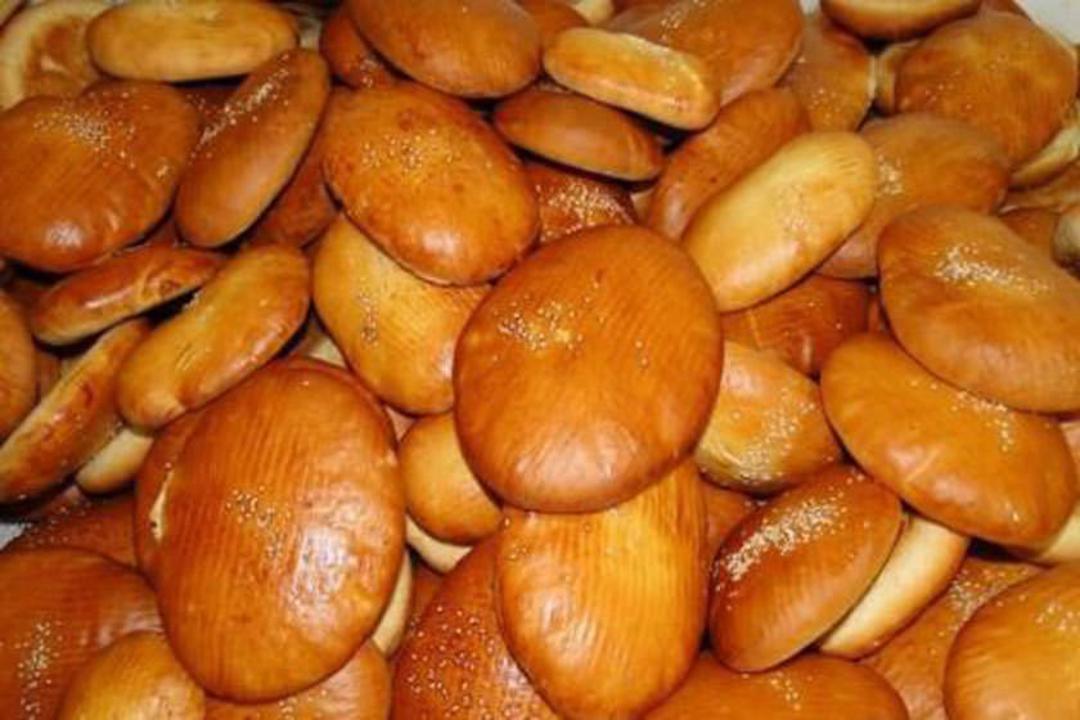
The fertile soils around Gonbad-e Kavus support a productive agricultural economy. Wheat, barley, rice, and lentils are staple crops, while citrus groves and olive orchards dot the landscape. The region is also known for its mushroom production. Caviar from the Caspian sturgeon, processed in nearby coastal facilities, counts among the local luxury products that visitors can purchase as souvenirs. Traditional sweets such as halva amaj, sar-ghorbili, and nan-e padrazi reflect the culinary blending of Turkmen, Mazandarani, and Persian influences.
How to Get There
Gonbad-e Kavus is accessible by road from several major Iranian cities. From Tehran, the drive is approximately 450 kilometers via the Tehran-Gorgan highway, taking roughly five to six hours. From Gorgan, the provincial capital, the city is about 90 kilometers to the east, a drive of roughly one hour. Bus services connect Gonbad-e Kavus to Gorgan, Tehran, Mashhad, and other regional centers. The city also has a railway station on the northern Iran rail network, with connections to Gorgan, Sari, and Mashhad.
Within the city, Mehyar Taxi offers convenient rides to the tower and other sites. The tower itself is located near the center of Gonbad-e Kavus, within walking distance of several hotels and restaurants. A visit to the tower takes about 30 to 60 minutes, though allowing a full half-day lets you explore the surrounding area, including the local bazaar and the museum.
Hours and Tickets
Gonbad-e Qabus Tower is generally open to visitors daily from 8:00 AM to 6:00 PM during spring and summer, with reduced hours in winter. Admission is modest, typically around 50,000 IRR for Iranian nationals and a slightly higher fee for international visitors. The surrounding park and bazaar are accessible at all hours. Photography is permitted inside the tower, and the interior is well-lit through the narrow openings in the brickwork.

Nearby Attractions
Beyond the tower itself, Gonbad-e Kavus and its surroundings offer several points of interest. The ancient site of Jorjan (Gorgan), once one of the great cities of the Islamic world, lies just three kilometers to the south. Archaeological excavations have revealed remnants of mosques, palaces, and residential quarters from the Seljuk and earlier periods. The Gorgan Dam, one of the oldest known dams in Iran, is located nearby and dates back to the Sassanid era.
For nature lovers, the Caspian Hyrcanian Mixed Forests, a UNESCO World Heritage Site, stretch across the southern Alborz slopes within easy driving distance. The wetlands and lagoons north of Gonbad-e Kavus attract migratory birds and offer seasonal fishing opportunities. The local bazaar, with its blend of Turkmen and Persian goods, provides an atmospheric place to shop for carpets, embroidery, spices, and local food products.
Travelers planning a longer stay in Golestan province can use Mehyar Hotels to book accommodation in Gonbad-e Kavus or nearby Gorgan, and Mehyar Wallet to handle payments and currency exchange seamlessly during their journey. Whether you are an architecture enthusiast, a history buff, or simply a curious traveler passing through northern Iran, Gonbad-e Qabus deserves a place on your itinerary.