
Before the sun clears the Alborz ridgeline above Tehran, you will already find people walking in Darakeh. The valley has been the city's default mountain escape for longer than most of its neighborhoods have existed. Darakeh sits at the mouth of a deep ravine that cuts north from the Evin and Velenjak districts into the Alborz range, and the name covers both the old village at the valley entrance and the hiking trails, restaurants, and streams that fill the several kilometres of riverbed above it.
The valley is short enough to explore in a half day and long enough to feel removed from the city that presses against its southern edge. A river, seasonal in the driest months, runs through the bottom of the valley for most of the year. The trail follows it upstream, passing stone terraces, walnut trees, and restaurants built into the hillside, before the path narrows and the gradient steepens toward the Tochal massif. By the time you reach the upper sections, the sound of Tehran traffic has been replaced entirely by running water and the wind moving through the plane trees that line the banks.
This guide covers where Darakeh sits in relation to the rest of Tehran, how to get there by taxi, bus, or metro, what the main trails offer, the mountain restaurants and their traditions, the nearby Imamzadeh Davood shrine, the best time to visit, and how to combine a Darakeh outing with other destinations in north Tehran.
Where is Darakeh?
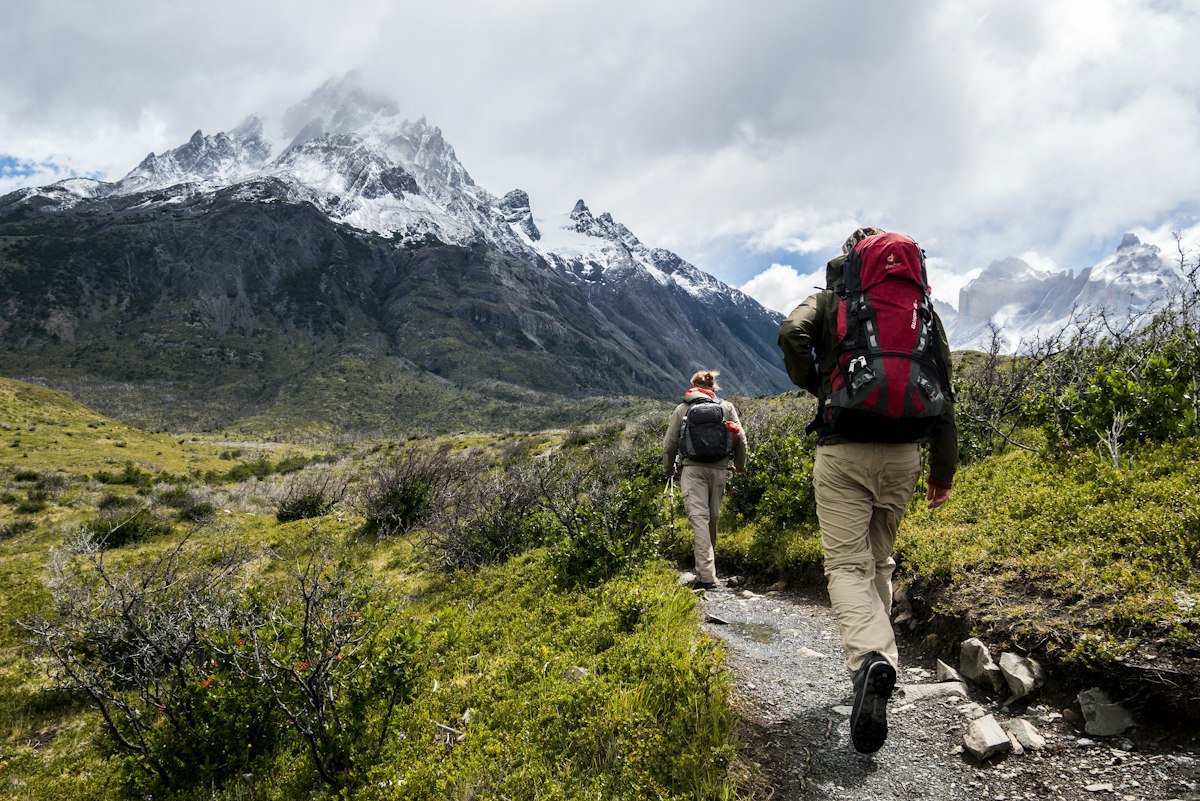
Darakeh occupies a valley on the northern edge of Tehran, in the city's first district, at the upper end of the Evin and Velenjak neighborhoods. The coordinates are approximately 35.8036 north and 51.4210 east. The elevation at the valley entrance is about 1,700 metres above sea level, and the main trails climb to over 3,000 metres on the Tochal ridgeline, which means the temperature in the valley is typically several degrees cooler than in central Tehran even on the hottest summer days.
The valley runs roughly northward from the Darakeh neighborhood, which itself sits between the Evin district to the west and the Velenjak district to the east. The old village, with its traditional houses and the Imamzadeh Davood shrine, is at the southern end of the valley where the urban area meets the mountain. Above the village, the valley narrows and the character shifts from restaurants and terraces to forest and rock.
Historically, Darakeh was a village outside Tehran, one of many settlements in the Shemiranat area that served as summer retreats for residents of the hot city below. As Tehran expanded northward through the twentieth century, the village was absorbed into the urban fabric, but the valley itself retained its character as a walking destination rather than a built-up area.
How to get there
Darakeh is one of the most accessible mountain destinations in Tehran. You can reach it by taxi, by metro combined with a short taxi ride, or by city bus.
By taxi
Open Mehyar, choose Taxi, and set your destination to Darakeh. The app covers rides across Tehran, including the northern districts, and gives you a fare estimate before you confirm. A taxi from central Tehran (say, from Vanak or Vali-Asr) to the Darakeh valley entrance takes about twenty to forty minutes depending on traffic. The advantage of a taxi is that it can wait for you if you plan a long hike, or you can use it to reach the starting point and walk back down to a metro station.
By metro and taxi
The nearest metro station to Darakeh is Tajrish station on Line 1 (the red line), at the northern end of the line. From Tajrish Square, take a taxi or a shared taxi north up the Velenjak road to the Darakeh valley entrance. The taxi ride from Tajrish to Darakeh takes about ten to fifteen minutes. This combination of metro and taxi is the most popular approach for hikers who do not want to drive.
By bus
Several bus lines run from central Tehran toward the Velenjak and Darakeh area. From Tajrish Square, local buses and minibuses operate on the road up to Darakeh. The service is frequent during daytime hours. This is the most economical option and a good way to see the transition from the dense city streets of north Tehran to the open valley.
From other cities
If you are visiting Tehran as part of a wider trip, Mehyar Buses and Mehyar Flights connect the capital to all major Iranian cities. From Isfahan, the bus takes roughly five to six hours and the flight about an hour. From Mashhad, the bus is a long overnight journey and the flight is about an hour and a half. From Shiraz, the bus takes eight to nine hours or you can fly in one hour. Once in Tehran, Mehyar Taxi handles the last stretch from your hotel or the bus terminal to Darakeh.
What to see and do
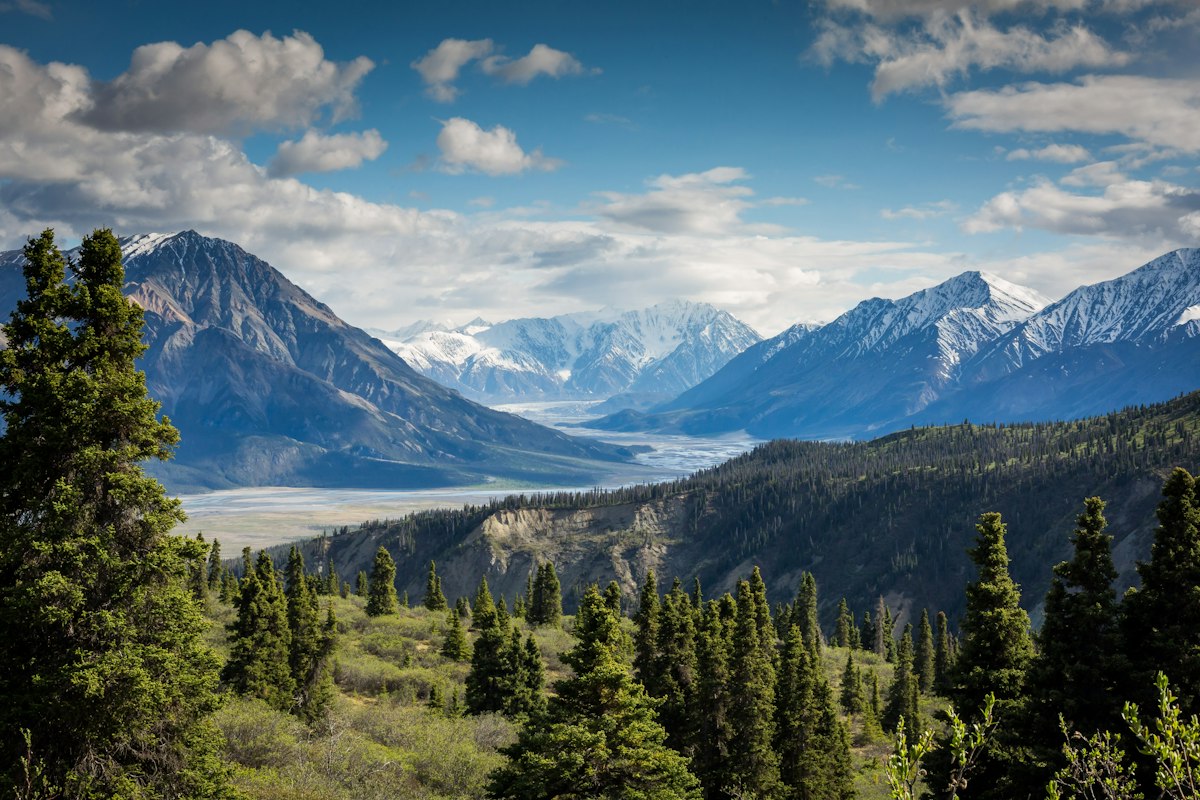
Darakeh is first and foremost a walking destination. The valley offers trails at several difficulty levels, from a gentle riverside stroll to strenuous climbs onto the Tochal massif. Along the way, you will pass mountain restaurants, historical sites, and viewpoints that open onto the city below.
The main valley trail
The most popular route follows the Darakeh River upstream from the village. The path is wide and well used for the first two or three kilometres, passing a series of restaurants built on terraces above the stream. These restaurants, some of them operating for decades, serve kebabs, dizi (the traditional lamb and chickpea stew), doogh (yogurt drink), and tea. Eating in a Darakeh restaurant, with your feet near the stream and the mountains above you, is one of the classic Tehran experiences, particularly on a Friday afternoon when the valley fills with families and groups of friends.
Beyond the restaurants, the trail narrows and the valley becomes wilder. The path crosses the stream several times on stepping stones and small bridges, and the gradient increases as you approach the saddle that leads toward the Tochal peaks. The total elevation gain from the valley entrance to the Tochal saddle is roughly 1,300 metres, and the hike takes three to four hours one way for someone with moderate fitness.
The Tochal connection
From the upper Darakeh valley, trails connect to the Tochal ridgeline and the Tochal telecommunication complex. The Tochal peak itself, at 3,962 metres, is the highest point visible from Tehran and a major destination for hikers and climbers. The route from Darakeh to the Tochal peak is strenuous and takes a full day for most people, but the ridgeline walk from the saddle to the intermediate peaks offers spectacular views without requiring a summit attempt.
In winter, the Tochal ski resort operates on the northern side of the peak, and the trails from Darakeh can be used as an approach route for ski touring, though this requires proper equipment and avalanche awareness.
The Imamzadeh Davood shrine
Near the valley entrance, at the old village of Darakeh, stands the Imamzadeh Davood shrine, one of the most visited religious sites in the Tehran area. The shrine is dedicated to a descendant of Imam Musa al-Kadhim, the seventh Shia Imam, and the building dates back several centuries, though it has been restored and expanded over time. The shrine is set within a garden and surrounded by the old village houses, and it attracts pilgrims throughout the year, with the largest crowds on religious holidays.
The shrine is an interesting combination of spiritual and natural destination. Many visitors come to pray and then continue up the valley trails, and the garden around the shrine provides a peaceful place to rest before or after a hike.
Best time to visit
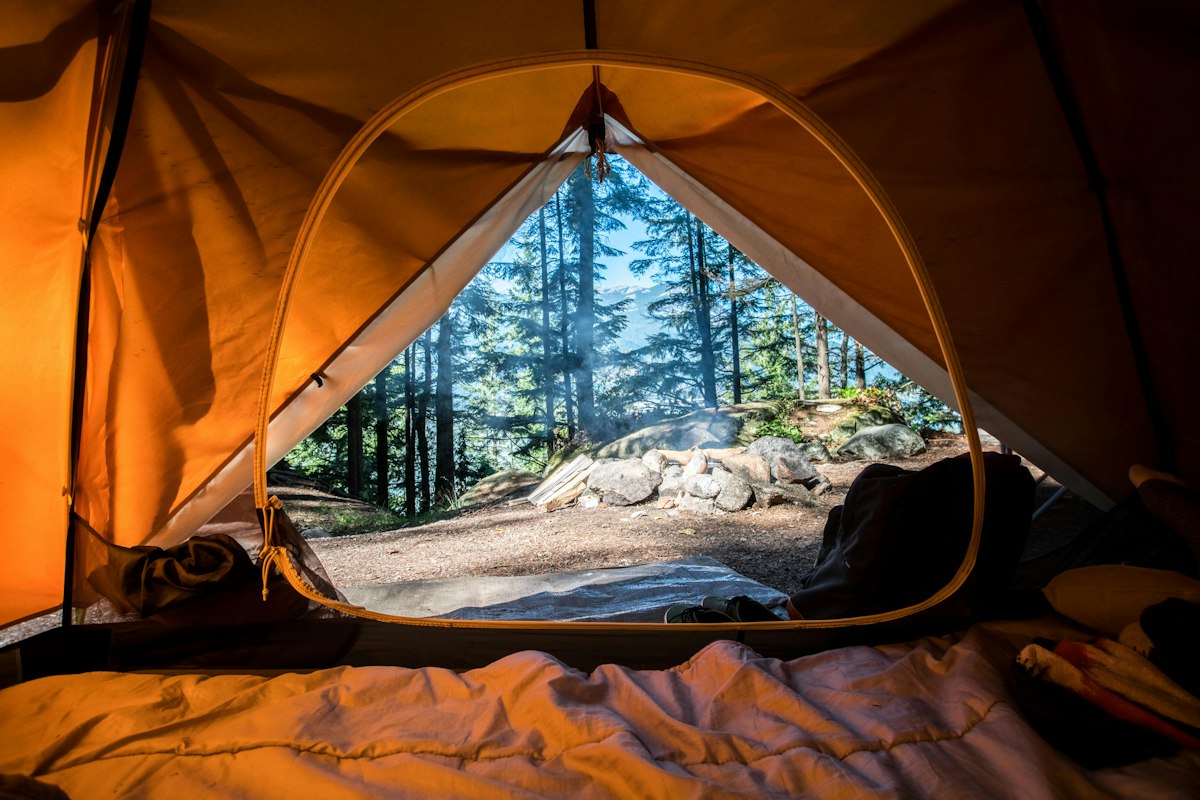
Darakeh is a year-round destination, but each season offers a different experience.
Spring, from mid-March through May, is the classic season. The valley is green, the stream is full from snowmelt, the wildflowers are blooming on the slopes above the trail, and the weather is cool and pleasant. The restaurants are open and the atmosphere is lively, particularly on weekends.
Summer brings hot weather to central Tehran, but the valley stays cool thanks to the elevation and the tree cover. Morning hikes are the most comfortable. The restaurants do their best business on summer evenings, when Tehran families come up to the valley to escape the city heat and eat dinner in the open air.
Autumn, particularly October and November, offers clear skies, mild temperatures, and the changing colours of the walnut and plane trees along the stream. This is the best season for photography and for longer hikes that take you above the tree line.
Winter transforms the valley. The lower trails may be clear of snow, but the upper sections and the Tochal ridgeline are covered. Snowshoeing and winter hiking are popular, and the restaurants serve hot ash (thick soup) and tea to cold hikers passing through. The Imamzadeh Davood shrine is particularly atmospheric in the snow.
Hours and tickets
The Darakeh valley and its trails are open at all times and free to access. The restaurants operate from roughly 8:00 AM to late evening, with hours varying by season and by individual establishment. The Imamzadeh Davood shrine is generally open during daylight hours and into the evening. The Tochal ski resort, if you continue past the valley to the peak, has its own operating hours and ticket prices that change seasonally.
As with all sites in Iran, hours and conditions change. Confirm before you travel, especially around religious holidays when the shrine area may have different access.

Nearby destinations
A Darakeh visit combines easily with other destinations in north Tehran.
Velenjak and the Milad Tower viewpoint
Just east of Darakeh, the Velenjak neighborhood climbs toward the Milad Tower, the tallest structure in Iran. The tower has an observation deck and a restaurant at height, and the Velenjak area offers its own walking paths and cafes. A visit to both Darakeh and Velenjak in one day gives you a taste of the two faces of north Tehran: the traditional valley escape and the modern urban viewpoint.
Tajrish and Saadabad
South of Darakeh, on the way back to central Tehran, Tajrish Square offers the historic Tajrish Bazaar and access to the Saadabad Palace Complex. The bazaar is one of the most atmospheric in Tehran, and the palace museums provide a cultural contrast to the natural landscapes of the valley.
Darband
The neighboring valley to the west of Darakeh, Darband is another classic Tehran hiking destination with its own restaurants and trails. The two valleys are connected by trails over the ridgeline between them, and experienced hikers can walk from Darakeh to Darband in a day, though the route requires navigation skill and good fitness.
Getting to your next destination
When you are ready to leave north Tehran and continue your journey, Mehyar Taxi covers rides across the city, and Mehyar Buses connects Tehran to every province. If you are heading north toward the Caspian coast, the Chalus Road from Tehran is one of the great mountain drives in Iran, and it starts from a point reachable within an hour of Darakeh.
Read more
- [Tochal peak hiking guide](../drafts/tochal-peak.md)
- [Darband valley restaurants and trails](../drafts/darband-valley.md)
- [Tajrish bazaar and Saadabad palace](../drafts/tajrish-bazaar.md)
- [Chalus road mountain drive guide](../drafts/chalus-road.md)
- [Tehran weekend escapes](../drafts/tehran-weekend-escapes.md)