
The global coronavirus pandemic reshaped international travel in ways that are still unfolding. For Iran, a country that had been experiencing a significant tourism boom in the years before 2020, the impact was profound and far-reaching. Borders closed, flights were suspended, and the ancient bazaqs, shrines, and natural wonders that draw hundreds of thousands of visitors each year stood empty. Today, Iran has reopened its doors to international travellers, but the experience of visiting the country has been shaped by lessons learned during the pandemic. If you are planning a trip, here is what you need to know.
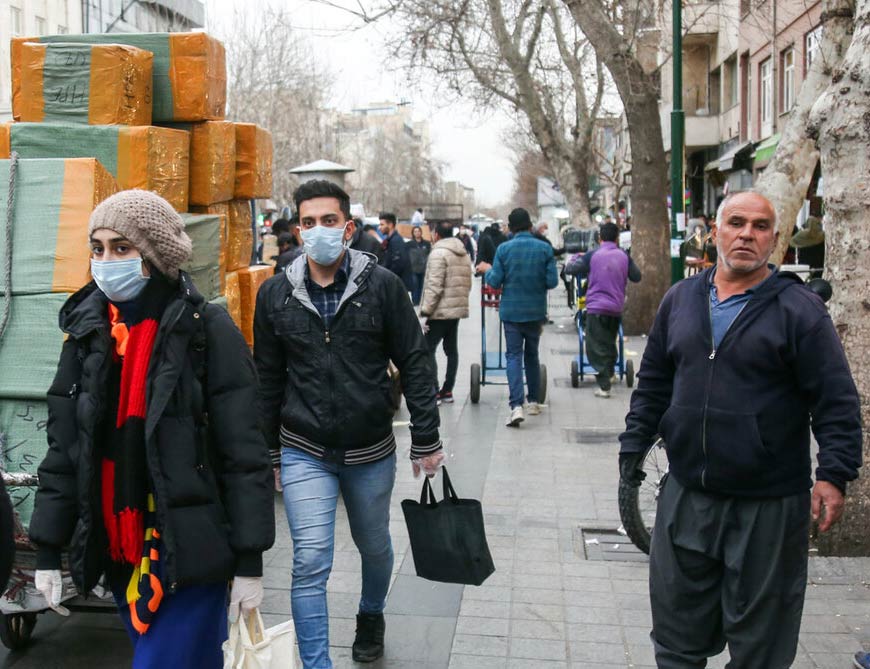
How the Pandemic Affected Iran's Tourism Sector
Iran's tourism industry was on an upward trajectory before the pandemic struck. The country had been steadily relaxing visa restrictions, opening new boutique hotels, and developing infrastructure to accommodate growing numbers of international visitors. UNESCO World Heritage Sites like Persepolis, Isfahan's Naqsh-e Jahan Square, and the Tabriz Bazaar were seeing record visitor numbers, and off-the-beaten-path destinations in provinces like Khorasan, Sistan and Baluchestan, and Kurdistan were attracting adventurous travellers eager to see a side of Iran that guidebooks rarely cover.
When the coronavirus reached Iran in early 2020, the impact was immediate and severe. International flights were suspended, tourist visa processing was halted, and the country's hotels, restaurants, and tour operators faced an unprecedented downturn. Many small tourism businesses, particularly family-run guesthouses and independent guides, struggled to survive. The economic impact rippled through communities that depended on tourism revenue, from the carpet weavers of Kashan to the boatmen of the Persian Gulf islands.
The pandemic also affected the cultural calendar. Major events such as Nowruz celebrations, religious processions during Muharram, and music festivals were either cancelled or severely restricted. The Imam Reza Shrine in Mashhad, one of the most visited religious sites in the Shia Muslim world, was temporarily closed to visitors, a deeply significant step for a site that normally receives millions of pilgrims annually.
Iran's Current Entry Requirements
As of now, Iran has removed most pandemic-related entry restrictions. Tourist visas are available through the standard e-visa system for nationals of eligible countries, and the traditional process of obtaining an invitation letter through a licensed Iranian tour operator remains the primary route for travellers from countries that require one. No vaccination certificate or PCR test is currently required for entry, though requirements can change, so it is always wise to check the latest guidance before you travel.
Visitors should be aware that health requirements can vary by nationality and can be updated with little notice. The Iranian Ministry of Health and Medical Education monitors the situation, and any changes to entry protocols are typically communicated through official channels and tour operators. Working with an experienced Iran travel agency like Mehyar Travel ensures that you receive timely updates about any regulatory changes that could affect your plans.
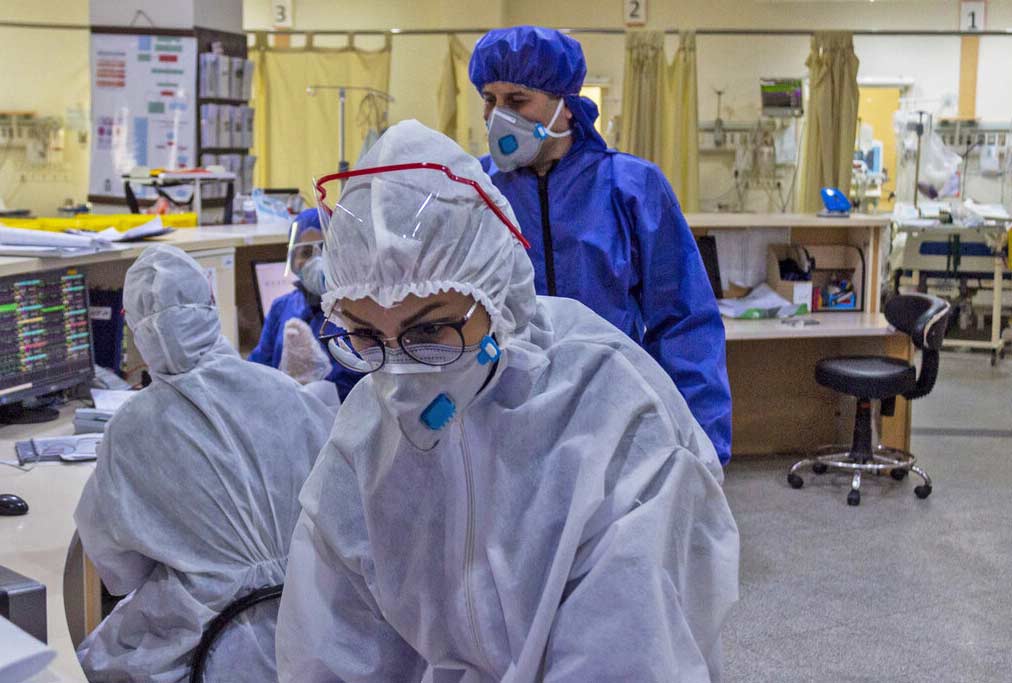
Health and Safety Tips for Travellers in Iran
While the acute phase of the pandemic has passed, it remains sensible to take basic health precautions when travelling anywhere in the world. Iran's healthcare system is well-developed by regional standards, with good hospitals and clinics in major cities including Tehran, Isfahan, Shiraz, Tabriz, and Mashhad. Private hospitals in Tehran, in particular, meet international standards and are well-equipped to handle a range of medical situations.
Practical health tips for your Iran trip include carrying a supply of any prescription medications you need, as specific brands may not be available locally. Travel health insurance that covers medical evacuation is strongly recommended. Basic over-the-counter remedies such as painkillers, antihistamines, and digestive medicines are widely available at pharmacies across the country.
If you feel unwell during your trip, Iran's pharmacies are staffed by qualified pharmacists who can provide advice and basic treatments. In the event of more serious symptoms, hotels and tour guides can direct you to the nearest appropriate medical facility.
How Iran's Tourism Industry Has Adapted
One of the most encouraging developments since the pandemic has been the resilience and adaptability of Iran's tourism sector. Many businesses used the downtime to renovate, retrain, and rethink their offerings. Boutique hotels upgraded their ventilation and hygiene protocols. Tour operators developed smaller-group itineraries that allow for more flexible scheduling and reduce crowding at popular sites. Guides incorporated health information into their standard briefings, ensuring that travellers feel informed without feeling anxious.
The pandemic also accelerated a shift toward digital tools. Many hotels now offer contactless check-in, online booking systems have become more sophisticated, and virtual tours have emerged as a complement to physical visits. While nothing replaces being there, these tools have made trip planning more efficient and transparent.
Iran's domestic tourism market also played a crucial role in sustaining the industry during the international travel freeze. Iranian travellers, who have always been enthusiastic explorers of their own country's extraordinary diversity, kept hotels, restaurants, and tour operators afloat during the periods when international borders were closed. That strong domestic base has given the industry a foundation for recovery that many other destinations lack.

Planning Your Post-Pandemic Iran Trip with Confidence
If the pandemic taught travellers anything, it is the value of flexibility and expert guidance. Booking through a specialist Iran tour operator gives you access to professionals who are monitoring the situation on the ground and can adjust plans if circumstances change. Mehyar Travel, for example, offers flexible booking terms and maintains direct relationships with hotels, drivers, and guides across the country, meaning that any necessary adjustments can be made quickly and efficiently.
The post-pandemic era has also brought opportunities. With international tourism still rebuilding, popular sites can feel less crowded than they did in the pre-pandemic peak years. Hotels are keen to welcome guests and are offering competitive rates. Local communities are genuinely delighted to see international visitors again. Iran in this period offers a combination of value, authenticity, and warmth that makes it an especially rewarding destination.
Looking Ahead: Iran's Tourism Recovery
Iran's long-term tourism outlook remains positive. The country's extraordinary depth of historical, cultural, and natural attractions, combined with its legendary hospitality and favourable exchange rates for international visitors, ensures that demand will continue to grow as global travel normalises. New hotels are opening, heritage sites are being restored, and tour operators are developing innovative itineraries that go well beyond the classic circuit of Tehran, Isfahan, Shiraz, and Yazd.
For travellers who have been waiting for the right moment to visit Iran, that moment is now. The country is open, the infrastructure is ready, and the welcome is warmer than ever. With sensible preparation and the support of a knowledgeable travel partner, your Iran trip can be a safe, enriching, and unforgettable experience.