
The Caspian Sea is the largest enclosed inland body of water on Earth, covering more than 371,000 square kilometres. Its southern shoreline, split between Iran's Gilan and Mazandaran provinces, is a world apart from the arid plateaus that most travellers associate with the country. Here, emerald rice paddies climb the foothills of the Alborz, ancient Hyrcanian forests cling to misty slopes, and fishing villages line a coast that has drawn merchants, explorers, and vacationers for millennia. The Iranian Caspian littoral is where Iran meets its own green north, and it rewards every traveller willing to venture beyond the well-trodden desert route.
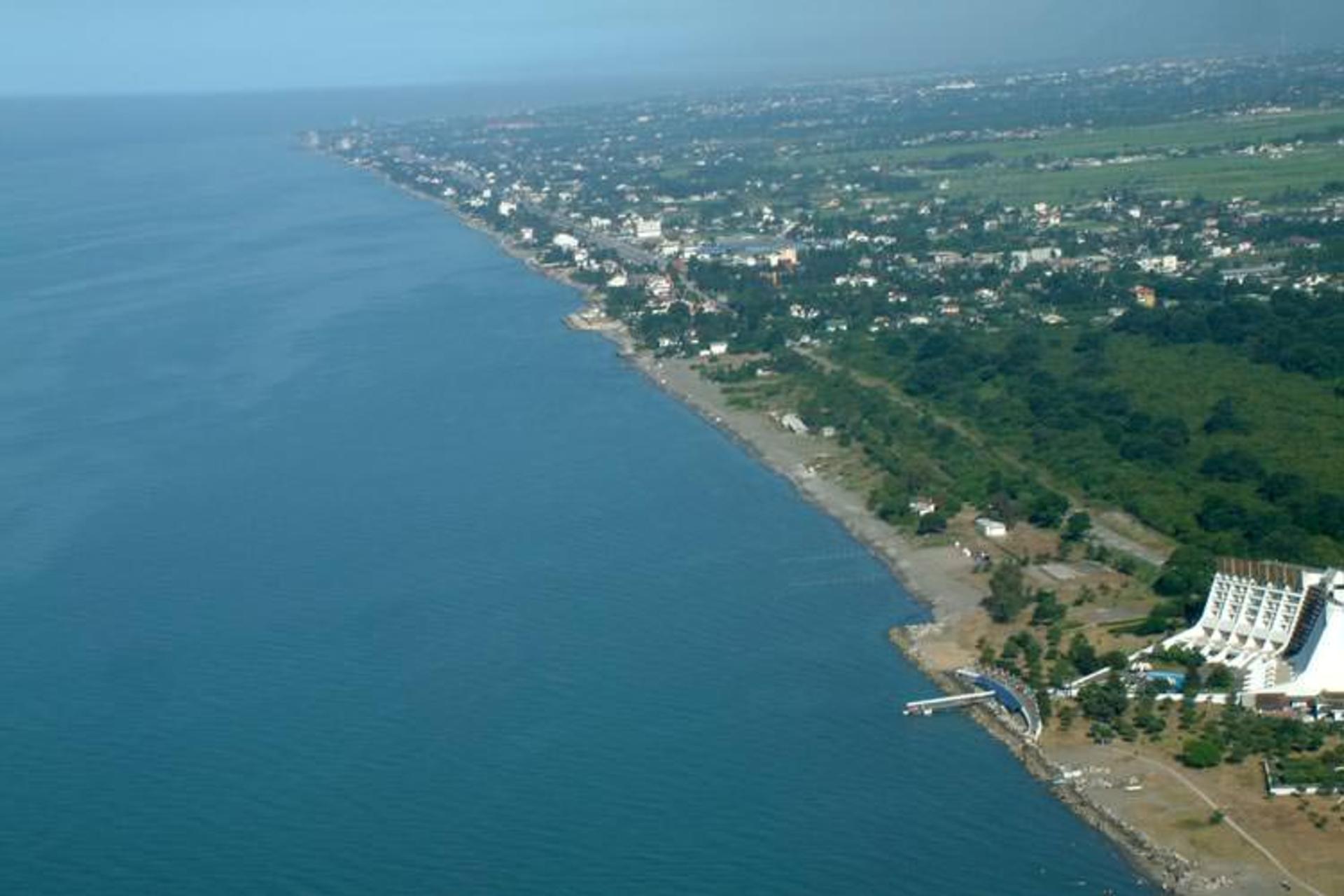
Where is the Iranian Caspian Coast?
The Iranian shore of the Caspian Sea stretches roughly 680 kilometres along the country's northern border, from the Azerbaijani frontier in the west to Turkmenistan in the east. Two provinces share this coastline. Gilan, with its capital at Rasht, covers the western portion and is known for its rain-soaked forests, UNESCO-listed Hyrcanian woodlands, and some of the finest cuisine in the country. Mazandaran, centred on Sari, extends eastward and draws millions of domestic tourists every year to its sandy beaches, mountain ski resorts, and Caspian-side resort towns such as Ramsar, Tonekabon, and Babolsar.
The Alborz mountain range runs parallel to the coast, creating a natural wall that traps moisture from the Caspian and produces a subtropical climate unlike anywhere else in Iran. Annual rainfall in some stretches exceeds 1,200 millimetres, and the humidity stays high even in summer. Drive north from Tehran through the Alborz tunnels and emerge onto a coast where the air smells of salt, rice, and wild herbs.
The Hyrcanian Forests: A Living Fossil
Behind the coastal plain, the northern flanks of the Alborz are cloaked in the Hyrcanian forests, one of the oldest forest ecosystems on the planet. These forests date back 25 to 50 million years, surviving the last ice age as a green refuge while glaciers scoured most of Europe and northern Asia. In 2019, UNESCO inscribed the Hyrcanian forests on the World Heritage List, recognising their outstanding universal value.
The forest canopy holds more than 80 tree species, including Persian ironwood, Caspian locust, velvet maple, and the iconic Caspian chestnut. Persian leopards, brown bears, wolves, and the endangered Caspian red deer still roam these woods, though sightings are rare. Birdwatchers will find Eurasian griffon vultures, golden eagles, and the rare Caspian snowcock in the higher elevations. For visitors, the most accessible sections of the Hyrcanian forest lie along the roads between Rasht and Masuleh, between Ramsar and Jannat Rudbar, and in the forested valleys around Kalardasht in Mazandaran.
Gilan: Iran's Greenest Province
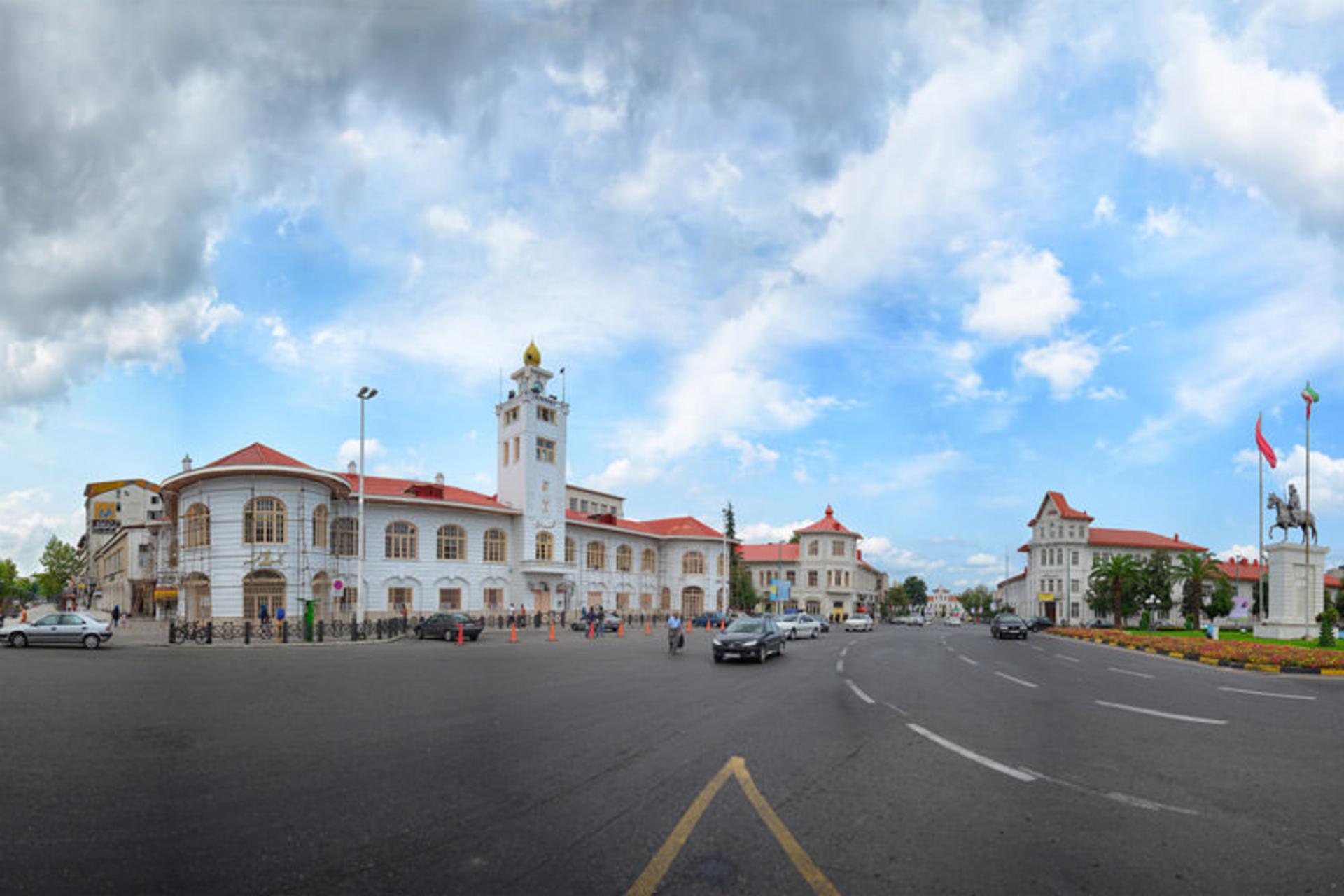
Gilan is the soul of the Iranian Caspian coast. The province produces Iran's finest rice, its most celebrated cuisine, and some of the country's most photogenic villages. Rasht, the provincial capital, earned its UNESCO Creative Cities Network designation as a City of Gastronomy in 2015, the first city in Iran to receive the honour. The city's open-air bazaar is a riot of colour and flavour: smoked fish, jars of olive jam, bags of local rice varieties, bundles of wild herbs, and the ubiquitous mirror-tiled shrines that dot the province.
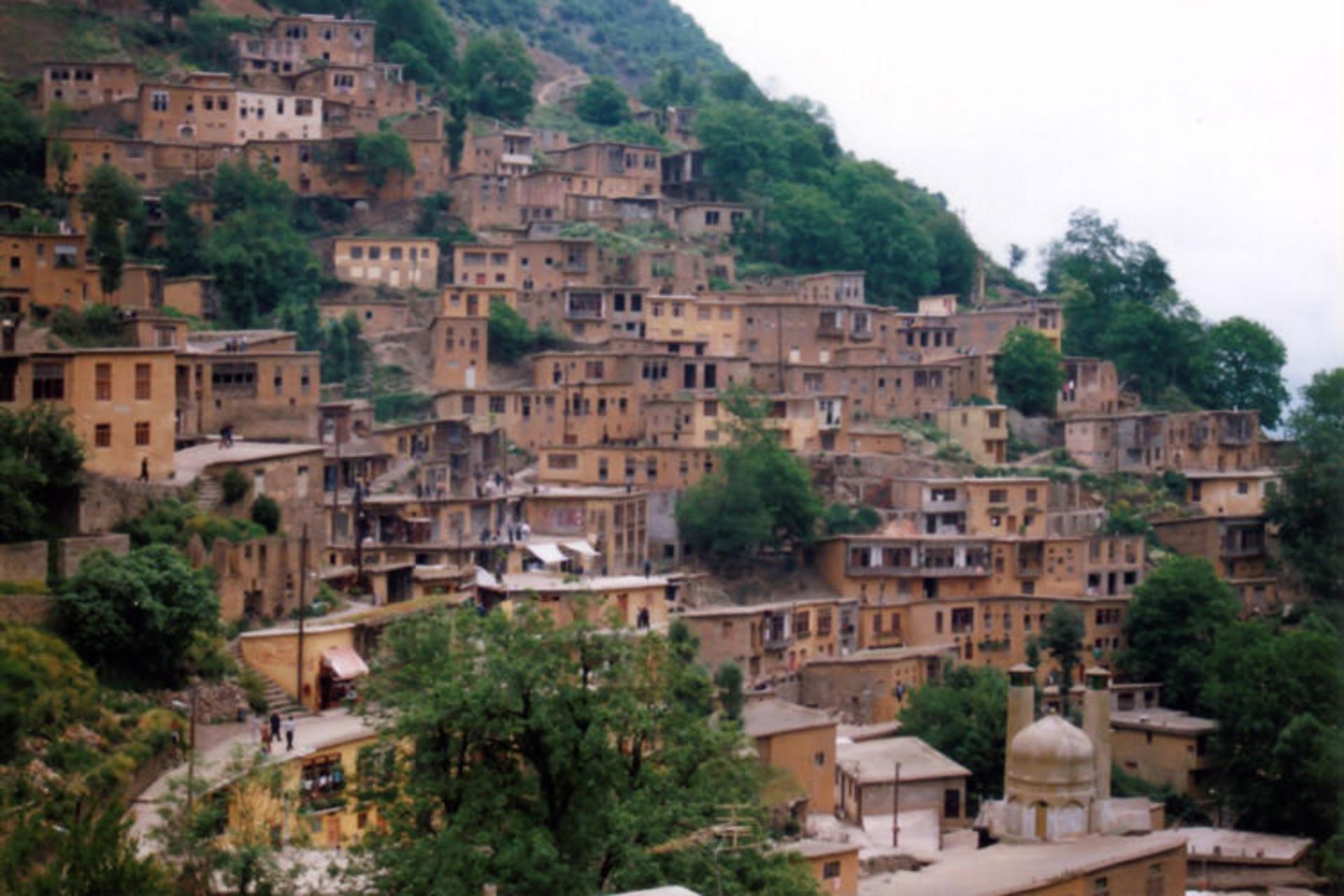
West of Rasht, the road climbs into the mountains to Masuleh, a village famous for its stepped architecture where rooftops double as courtyards for the houses above. Masuleh was inscribed on Iran's tentative UNESCO World Heritage list and remains one of the most visited villages in the country. Further west, Bandar-e Anzali offers boat trips through its lagoon, a Ramsar-designated wetland famous for its floating water lilies and wintering migratory birds.
Gilan's coastline also holds historical depth. The tomb of Imamzadeh Hashem, a revered shrine on the old Tehran-Rasht road, dates to the Safavid era and draws pilgrims year-round. The Rudkhan Castle, a medieval fortress hidden deep in the forested hills near Fuman, requires a steep hike through woodland but rewards with views across the entire province.
Mazandaran: Resorts and Rural Charm
Mazandaran province stretches east from Gilan and is the most popular domestic tourism destination in Iran. During Nowruz holidays and summer weekends, millions of Tehranis drive through the Alborz to reach its beaches, creating traffic jams that locals joke about endlessly. Despite the crowds, Mazandaran has genuine charm.
Sari, the provincial capital, is a working city with a pleasant bazaar and access to the Turan Biosphere Reserve, one of Iran's most important wildlife habitats. To the west, Ramsar was Iran's premier resort town in the twentieth century, famed for its hot springs and the Ramsar Convention on Wetlands, signed here in 1971. The Ramsar Palace, built by Reza Shah, now serves as a museum. Badab-e Surt, a natural spring with terraced orange and red travertine formations, lies inland in eastern Mazandaran and is one of the country's most surreal geological formations.
Further east, the coastal towns of Babolsar, Mahmudabad, and Nur offer sandy beaches, fishing harbours, and a growing number of eco-lodges. The Alborz foothills above Kalardasht and Chalus provide excellent hiking and, in winter, skiing at the Dizin and Tochal resorts, reachable within a couple of hours from Tehran.
Food Along the Caspian Shore
Gilan's cuisine stands apart from the rest of Iran. Where Persian cooking elsewhere relies heavily on lamb and dried lime, Caspian cuisine centres on fresh fish, wild herbs, walnuts, and pomegranate molasses. Signature dishes include mirza ghasemi, a smoky aubergine and egg dip; baghali ghatogh, a broad bean and egg stew with dill; and zeyton parvardeh, olives marinated in pomegranate molasses and ground walnuts. Fresh Caspian white fish, known as mahi sefid, is grilled over charcoal and served with local rice and herbs.
Mazandaran shares many of these flavours but adds its own specialties, including nashtar, a local herb-based soup, and various fish stews flavoured with sour orange juice. The Caspian coast is also Iran's caviar country. Iranian caviar, harvested from beluga sturgeon in the Caspian, is among the most prized in the world, though wild stocks have declined and most production is now farmed.
Getting to the Caspian Coast
By car. The Chalus Road and the Haraz Road from Tehran to Mazandaran are among the most scenic mountain drives in Iran, threading through the Alborz via tunnels and switchbacks. The Qazvin-Rasht freeway offers a faster route to Gilan. Both roads can be slow during holiday weekends.
By Mehyar Taxi. Open Mehyar, choose Taxi, and set your destination to Rasht, Sari, or any Caspian coastal town. A private car gives you the flexibility to stop at mountain viewpoints, forest trails, and village markets along the way.
By Mehyar Buses. Regular bus services connect Tehran to Rasht, Sari, and most Caspian towns. Check the app for schedules and book your seat in advance, especially during peak season.
By train. A railway line connects Tehran to the Caspian coast via Garmsar and Qazvin, though the service is slower than the road options. The journey itself offers fine mountain scenery.
When to Visit
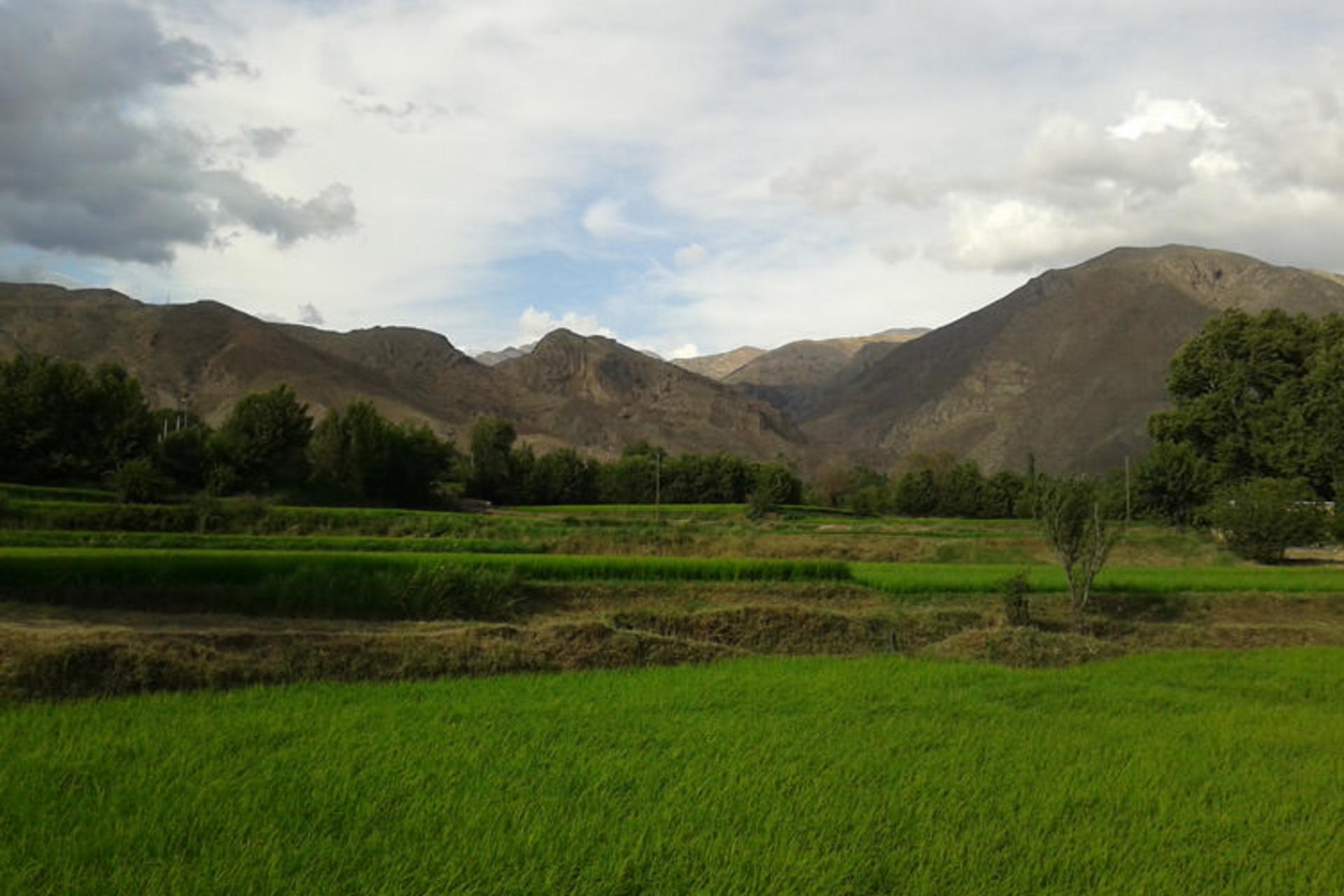
The Caspian coast is a year-round destination, though each season offers a very different experience. Spring, from March to May, brings wildflowers to the Hyrcanian slopes, mild temperatures, and the start of the rice-planting season, when the paddies flood and create mirror-like reflections. Summer, from June to August, is hot and humid on the coast but pleasant in the mountain villages above. This is peak season for domestic tourism, and beaches and hotels fill quickly.
Autumn, from September to November, is arguably the best season. The Hyrcanian forests turn gold and crimson, the weather cools, and the crowds thin. Winter, from December to February, brings rain to the coast and snow to the mountains. Caspian winters are mild compared to the rest of Iran, but the coast can be damp and overcast. The ski resorts above Tehran and in Mazandaran operate through March.
Practical details
Province: Gilan (capital: Rasht) and Mazandaran (capital: Sari)
On the map: OpenStreetMap / Google Maps
Hours, tickets, and road conditions change. Confirm before you travel.
Start your Caspian trip with Mehyar
Whether you are heading to the Hyrcanian forests, exploring the streets of Rasht, or planning a longer journey along Iran's green northern shore, Mehyar helps you move through the country with confidence. Use Mehyar Taxi for door-to-door rides from Tehran to the Caspian coast. Book intercity travel with Mehyar Buses. Top up your Mehyar Wallet before heading north, where remote villages may not accept cards. And if you need connectivity in the forest or along the coast, a Mehyar SIM keeps you covered.
Plan your Caspian adventure at mehyar.app.