
Few countries can match Iran for the sheer density of its historical cities, and fewer still for the way those cities can trip up even the most seasoned traveller. Bojnord, Birjand, Borujerd, Borujen, Bijar, and Brazjan. Say them quickly and they blur into a pleasing tongue-twister. Say them to a booking agent and you might find yourself with the wrong ticket entirely. According to a well-known anecdote from the president of the University of Birjand, more than one traveller intending to visit Birjand in the southeast has arrived in Bojnord in the northeast by mistake.
This guide exists to prevent that outcome. Each of these six cities occupies a distinct corner of Iran, with its own history, climate, language, cuisine, and set of attractions. Understanding what makes them different is the first step toward planning a trip that goes to the right place at the right time.
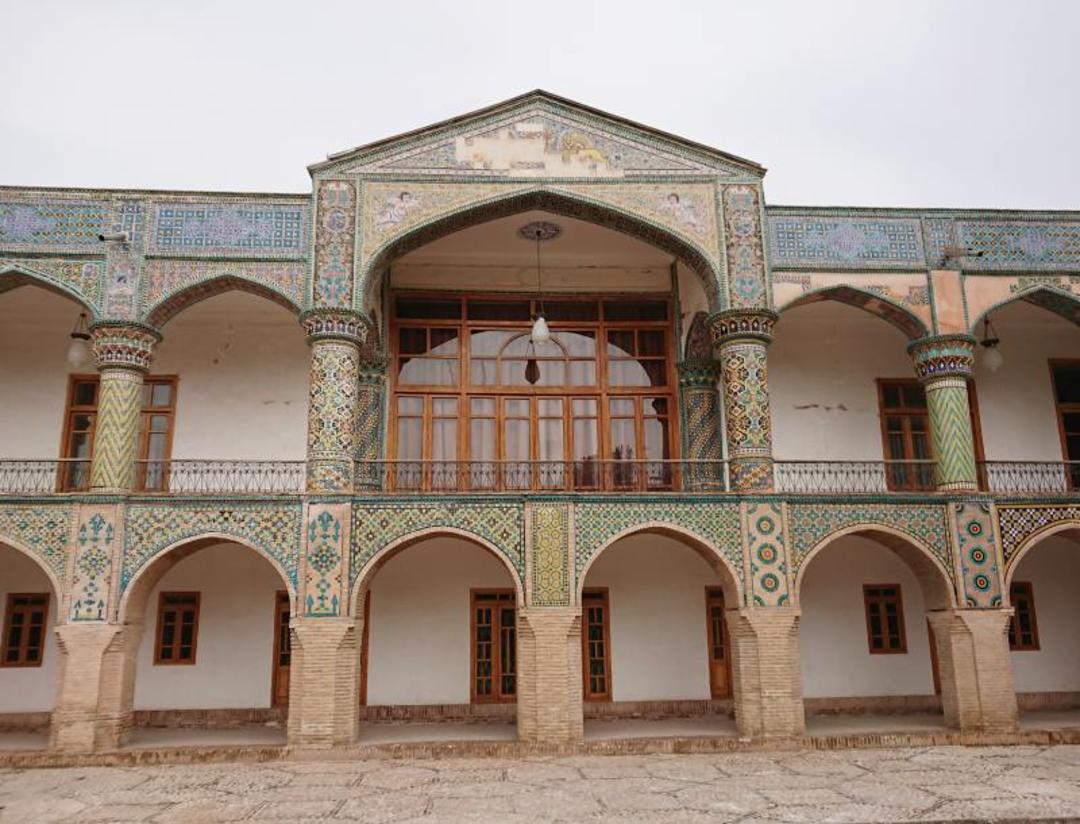
Bojnord: The Land of Bizhan in the Northeast
Bojnord is the capital of North Khorasan Province in northeastern Iran, a region shaped by the Silk Road and the cultural currents of Central Asia. The city covers 36 square kilometres and sits at an elevation of 1,070 metres above sea level, giving it a semi-temperate mountain climate with cold, wet winters and warm, dry summers. It lies 821 kilometres from Tehran, a distance that can be covered by air, bus, or car.
The name Bojnord derives from the Persian "Bizhan-gord," meaning "the land of Bizhan," a reference to the legendary hero of Ferdowsi's Shahnameh. According to the famous tale of Bizhan and Manizheh, this was the place where Manizheh rescued Bizhan from the well and where Bizhan subsequently founded a city. In the local Khorasani dialect, the city is pronounced "Bozhnord."
Ethnically, Bojnord is one of Iran's most diverse mid-sized cities. Kurdish Kurmanj speakers, Farsi-zian or Tats, Turkmens, and Khorasani Turks all call the city home. The result is a cultural mosaic reflected in the local bazaars, music, and especially the cuisine. Souvenirs from Bojnord include nabat (rock candy), gharaghoroot (black Kashk), dried fruits and nuts from the Koleh Dar vineyards, and fresh peaches and apples from the surrounding orchards.
The natural attractions of Bojnord county include the Aladagh mountain range to the southwest and the Kopet Dag range along the northern border with Turkmenistan. A large portion of the county falls within the Atrak River valley, which supports lush green landscapes in spring and early summer thanks to moisture from the Caspian Sea. Archaeological evidence suggests continuous human habitation since the prehistoric era, with settlements dating to the Middle Stone Age discovered along the Atrak. The modern city was founded in 1689 CE by Vali Khan II, a chieftain of the Shadlu tribe.
Birjand: The Desert Jewel of South Khorasan
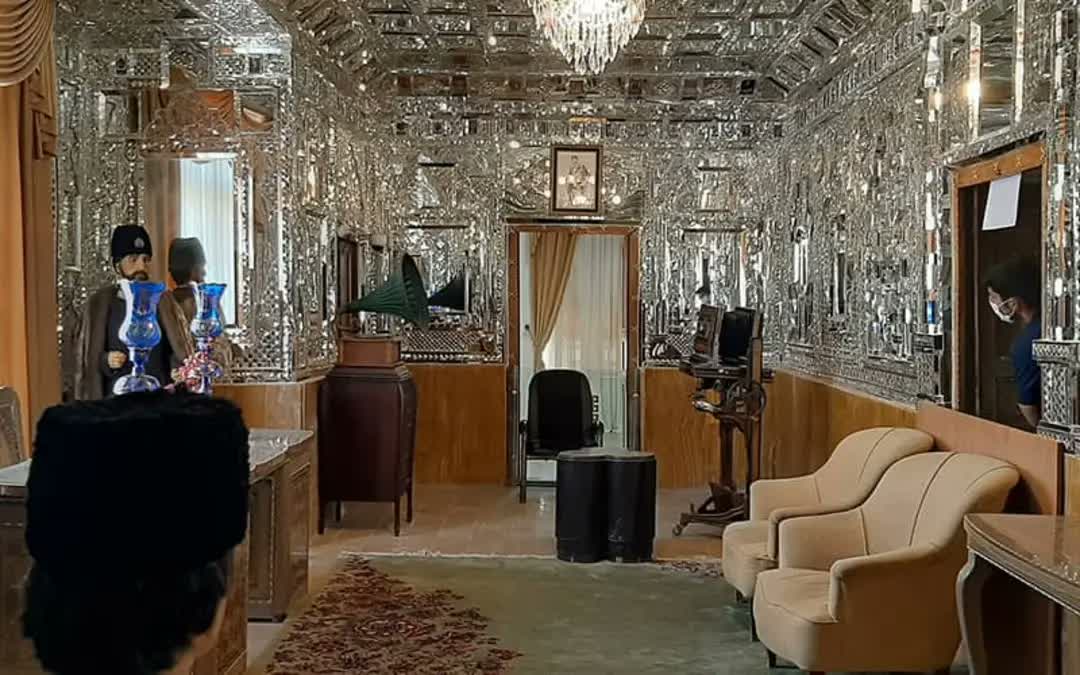
Birjand, the capital of South Khorasan Province, is a world apart from Bojnord despite the similarity of their names. Located in eastern Iran near the Afghan border, Birjand sits at 1,491 metres above sea level and covers 42.7 square kilometres. It is approximately 1,100 kilometres from Tehran, making it one of the more distant provincial capitals from the capital city.
The etymology of Birjand is debated. Some historians connect it to the Shahnameh hero Bizhan, as with Bojnord. Others trace it to the Pahlavi words "bir" (well) and "jand" (city), giving "city of the well." Yet another theory links it to the Arabic conquest period, when the name "Be'rajand" meant "garrison of the armies." A further interpretation renders it as "city of thunder and lightning" in Old Persian. The multiplicity of origin stories reflects the depth of Birjand's history.
Birjand has a desert and semi-desert climate, with an average annual rainfall of just 171 millimetres. Winters are very cold, summers hot and dry, and the city experiences over 48 frost days per year. Despite the aridity, Birjand has a quiet beauty, with historic qanat systems (some of the oldest in Iran), traditional mud-brick architecture, and surrounding landscapes that reward those who look beyond the obvious.
The city is notable as the first in Iran to be equipped with a modern water supply system, established during the Pahlavi era. Historically, Birjand's strategic location on trade routes made it important during the Safavid period, and it later served as a military garrison. After the division of Khorasan Province into three parts in 2004, Birjand became the capital of the newly created South Khorasan Province. Famous souvenirs include jujube fruit (annab), barberry (zereshk), kashk, and local handicrafts such as pottery, jajim weaving, and felt-making.
For travellers, Birjand offers an authentic experience of eastern Iranian life, with its UNESCO-registered heritage sites, historical gardens, and the vast desert landscapes that stretch toward the Afghan border. [Mehyar](/) can arrange transport and accommodation for visitors exploring this remote and rewarding corner of Iran.
Borujerd: The Little Paris of Western Iran
Borujerd, in Lorestan Province, earns its nickname "Little Paris of Iran" through a combination of natural beauty, mild climate, and cultural refinement. It is the second most populous city in Lorestan, with over 230,000 residents, and covers 35 square kilometres. The city sits at an elevation between 1,550 and 1,571 metres, nestled on the Silakhor Plain at the foot of the Zagros Mountains. Its latitude corresponds to many European cities, and the annual average temperature is a pleasant 15 degrees Celsius, with 459 millimetres of rainfall.
The name Borujerd has several proposed origins. Some historians trace it to "Virugard," meaning "built by Viru," an Arsacid prince. A more widely accepted theory connects it to "Piruzgird," the city of Piruz the Sassanian. The Sassanian king Yazdgerd III is said to have fled to this area after his defeat by the Arabs, and his soldiers gathered here, giving the place the name "Barugird" (the place where soldiers gathered). In the local Borujerdi dialect, it is pronounced "Voori Yerd."
Borujerd's climate is cold and mountainous, with snowy winters and mild summers. The city is known for its industrial heritage, particularly textiles and verneshoof (a silver-white alloy used in traditional metalwork). Local handicrafts include fine verneshoof pieces, and souvenirs include halva-shekari, arde-shireh (sesame paste with grape syrup), and traditional nan-tiri biscuits.
The historical Silakhor Plain surrounding Borujerd contains numerous archaeological mounds, including Tappeh Qarq, which has been excavated to five layers and reveals evidence of Copper Age settlement. The city's position on the route from Tehran to southern Iran has made it strategically important since antiquity. During the Safavid period and subsequent eras, Borujerd was administered as an independent county. Today it offers visitors a gateway to the Zagros highlands, with hiking, traditional villages, and a rich Lurish cultural heritage.
Borujen: The Roof of Iran
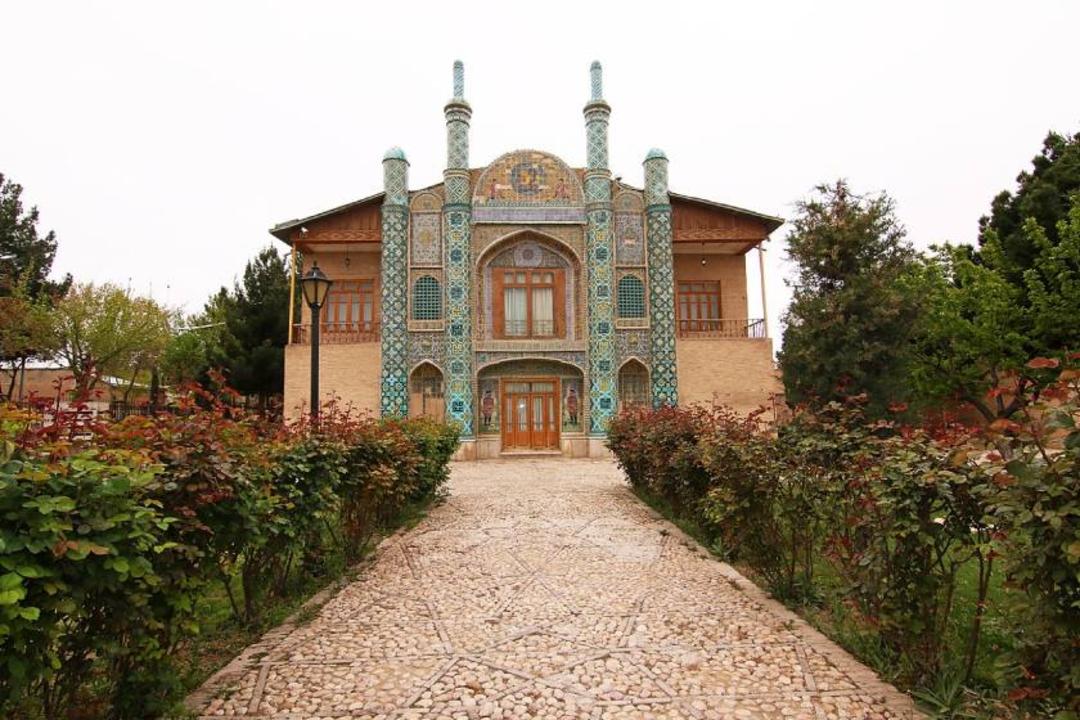
Borujen, in Chaharmahal and Bakhtiari Province, holds a distinction that immediately sets it apart: at 2,197 metres above sea level, it is one of the highest cities in Iran, contributing to the province's nickname "the roof of Iran." With a population of about 71,000, it is the second largest city in the province and sits in a broad plain of over 580 square kilometres at the convergence of Isfahan, Fars, and Chaharmahal and Bakhtiari provinces, 60 kilometres from the provincial capital of Shahrekord and 550 kilometres from Tehran.
The name Borujen means "the place of many towers," a reference to the defensive towers that once surrounded the settlement. Some historians trace the original name to "Orji," combining "or" (land) and "ji" (owner of pure men), dating back at least 2,500 years. Others suggest "Orjeh" meaning "cold land," which fits the climate: Borujen experiences over 122 frost days per year, with winter temperatures dropping to minus 36 degrees Celsius and summer highs of 35 degrees. Annual rainfall is 360 millimetres.
The local language is Farsi with an Organi accent, alongside Bakhtiari Luri and Qashqai Turkish. Agriculture and animal husbandry dominate the local economy. Handicrafts include wool carpets, traditional giveh shoes, felt, and gaz-e Baldaji (a type of nougat). Souvenirs include rock candy, kashk, and the distinctive local cheese known as qara.
Borujen's natural attractions include wetlands, numerous springs, and rich biodiversity thanks to its high elevation. The spring landscape is particularly spectacular, with verdant pastures and wildflowers that have earned the area a reputation as a paradise for nature lovers. [Mehyar](/) can help plan visits to this high-altitude region, where the air is thin and the views are boundless.
Bijar: The Granary of the West
Bijar, in Kurdistan Province, is known as the "granary of the west" for its extensive wheat fields and the silos that store grain from across the region. With a population of over 50,000, it is one of the oldest cities in Iran, with archaeological evidence suggesting habitation as early as the third millennium BCE. The city sits at 1,940 metres above sea level, making it 770 metres higher than Tehran and 425 metres higher than Sanandaj, the provincial capital.
The name Bijar means "willow grove" in Kurdish, referring to the abundant willow trees of the region. The city is surrounded by mountains on three sides, including Mount Negharehkub (2,210 metres) to the northwest, Mount Nes ar (2,350 metres) to the west, and Mount Badamstan to the southwest. The climate is semi-arid, with winter lows reaching minus 38 degrees and summer highs of 41 degrees. Annual rainfall is 334 millimetres, and the city endures over 107 frost days per year.
The local language is Kurdish Sorani with a Grousi accent, alongside Kalhori and Gurani dialects. Bijar's handicrafts include carpets, rugs, jajim, prayer rugs, and felt. Local souvenirs include halva-sohani, nan-shirmal bread, and various pickles.
Historically, Bijar-e Grous was an important economic and agricultural centre of western Iran, with traces of Achaemenid, Mongol, Safavid, Qajar, and even World War I-era presence. In 1937, during the Pahlavi period, Grous was reduced from a semi-independent province to a small county named Bijar-e Grous, comprising seven rural districts and 267 villages. Today Bijar offers visitors a chance to experience Kurdish culture in an authentic mountain setting, with carpet-weaving workshops, ancient mounds, and dramatic mountain scenery.
Brazjan: The City of Elders in the South
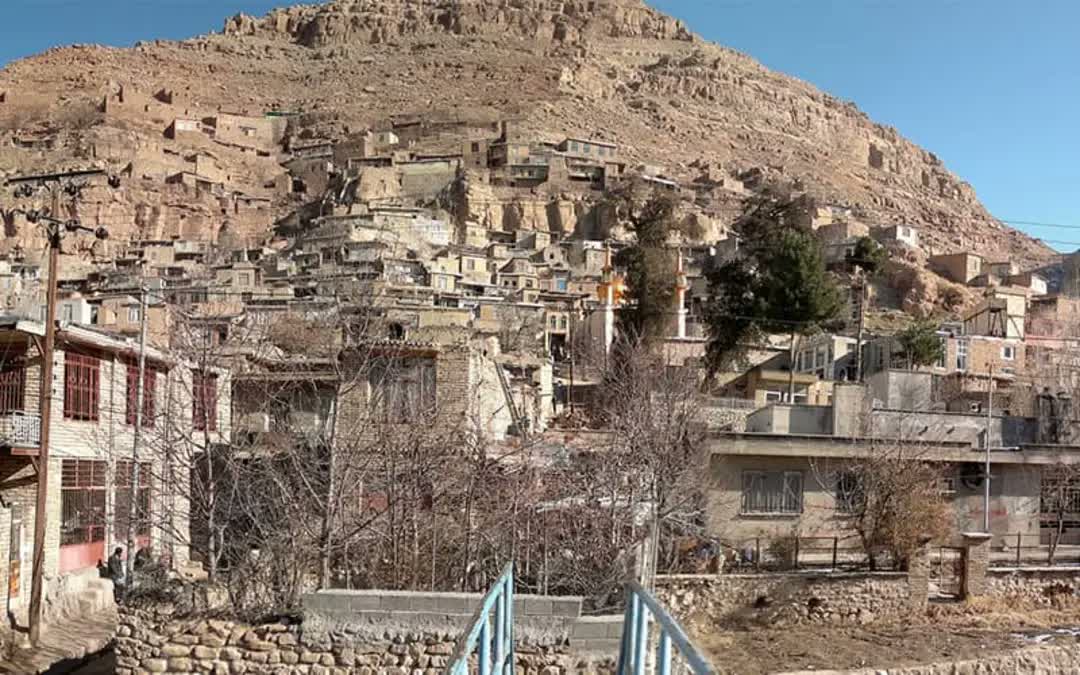
Brazjan, in Bushehr Province, completes the sextet. It is the centre of Dashtestan County and the second largest city in the province, with a population of over 95,000. The city sits at just 80 metres above sea level, 65 kilometres northeast of Bandar Bushehr, and covers 16 square kilometres. Its distance from Tehran is approximately 1,000 kilometres.
The name Brazjan means "city of the elders," derived from "baraz" (elder or noble person) and "jan" (a locative suffix from the Old Persian "gan"). An alternative theory connects it to "Gerazdan," meaning "land of wild boars," a reference to the animals that once inhabited the surrounding areas. Historical names for the city include Ta'avakeh and Barazgan.
Brazjan has a hot and dry climate, with winter temperatures of 4 degrees and summer highs reaching 48 degrees Celsius. In the peak summer months of Tir and Mordad (late June through August), hot winds carry dust from the south. For eight months of the year, however, the climate is pleasant, with autumn and winter offering springlike conditions that are ideal for visiting.
The city's economy is based on agriculture, with wheat and dates as the primary crops. Brazjan boasts some of the densest date palm groves in Iran. The local cuisine reflects the southern Persian tradition, with dishes like ghalieh mahi (fish stew), qalieh meygu (shrimp stew), and various date-based sweets such as ranginak.
Historically, Brazjan was an important centre of Achaemenid civilization, and the remains of Cyrus the Great's winter palace were discovered in the area in 1971. The city's history spans three main periods: pre-Islamic, Islamic to Safavid, and Safavid to the present. The modern city dates back approximately 250 years. Today, Brazjan offers a window into the ancient history of southern Iran, with archaeological sites, date palm landscapes, and the warmth of Bushehri hospitality. [Mehyar](/) can help arrange visits to this historically rich but often overlooked destination.
Planning Your Trip
Each of these six cities offers a distinct experience of Iran, from the Kurdish mountains of Bijar to the tropical date groves of Brazjan, from the Silk Road heritage of Bojnord to the desert beauty of Birjand, and from the Zagros highlands of Borujerd to the cloud-level plains of Borujen. The key to a successful visit is knowing which one you are heading to and what to expect when you arrive.

Whether you are drawn by archaeology, natural beauty, cultural diversity, or simply the satisfaction of arriving at the correct destination, these six cities reward the informed traveller. Let [Mehyar](/) take the guesswork out of your itinerary, with transport, accommodation, and local guidance arranged so you can focus on discovering the real Iran, one distinct city at a time.