
Ayeneh-kari is the intricate Persian art of cutting mirrors into small, precise shapes and arranging them in decorative patterns across walls, ceilings, and architectural niches. In December 2025, UNESCO inscribed Ayeneh-kari on the Intangible Cultural Heritage list, recognizing a craft that has shaped Iranian architecture for centuries. From the reflective halls of Safavid palaces to the luminous shrines of Shiraz, this art form reveals how Iranian artisans turned a simple material into one of the most visually breathtaking decorative traditions in the world. For travelers journeying through Iran, encountering Ayeneh-kari in person is an experience that no photograph can fully prepare you for.

What Is Ayeneh-kari?
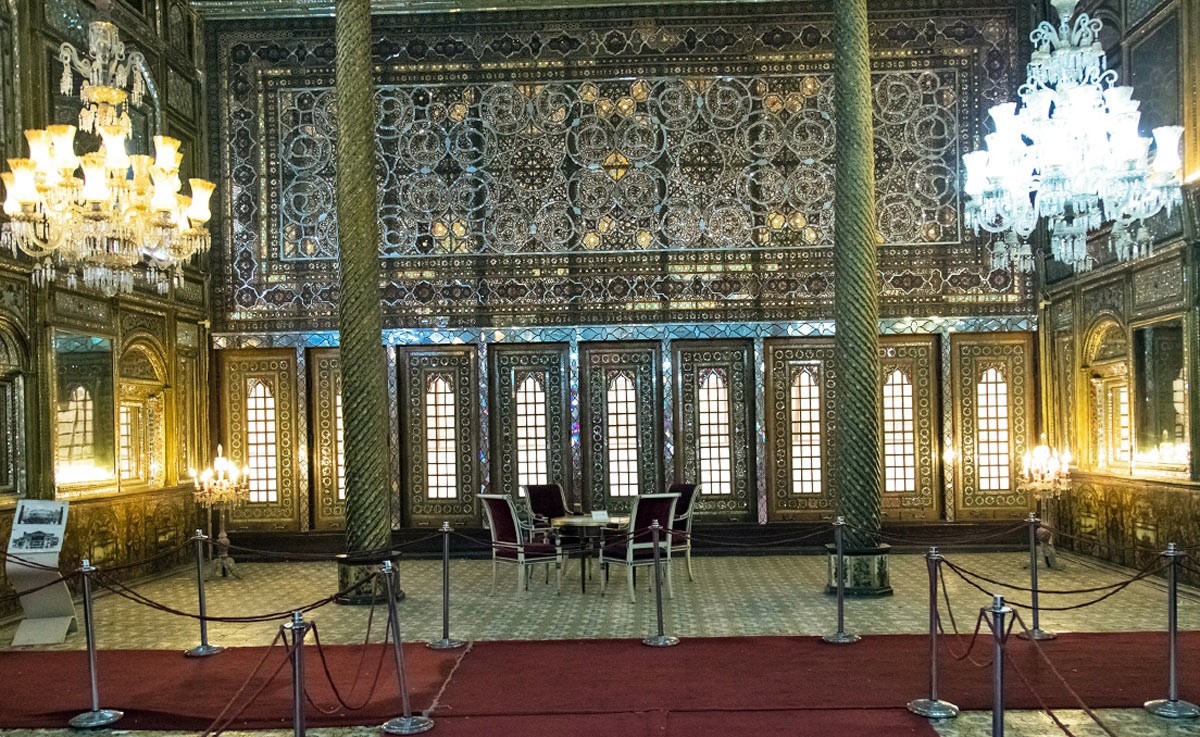
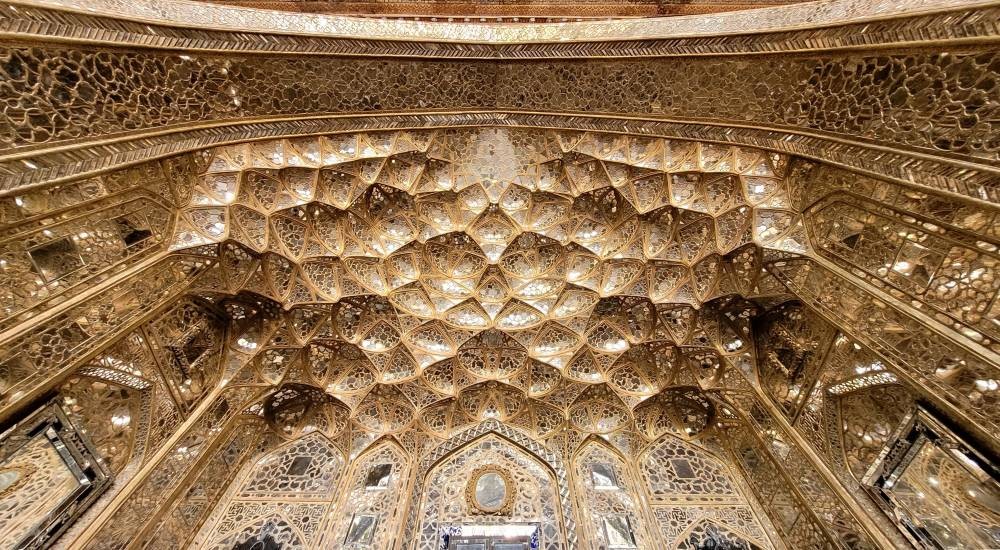
Ayeneh-kari, literally meaning "mirror work," is the practice of cutting mirrors into geometric shapes and embedding them in plaster to create dazzling decorative surfaces. Artisans use triangles, polygons, and curved fragments to cover walls, domes, and niches in patterns that catch and refract light from every angle. As a viewer moves through a room decorated with Ayeneh-kari, the reflections shift and multiply, creating an ever-changing play of brilliance that gives the impression of standing inside a jewel.
The technique expanded during the Safavid period (1501 to 1736), when imported Venetian mirrors became available in greater quantities and encouraged new forms of craftsmanship. By the Qajar era (1789 to 1925), mirror decoration had become central to royal architecture, religious monuments, and elite residences. Sites in Shiraz, Kerman, Isfahan, and Tehran offer clear examples of how the craft evolved across different periods and regional traditions.
The UNESCO Recognition
During its 2025 session, the UNESCO Intangible Cultural Heritage Committee emphasized that Ayeneh-kari is a living heritage practiced through multi-generational workshops and apprenticeship networks. The committee highlighted both the architectural significance of the craft and its social dimension. Communities often gather for restoration projects, and the transmission of skills from master to apprentice remains the primary means by which the tradition survives.
The recognition also reflects the growing interest in sustainable conservation. Mirror work restoration frequently prioritizes the reuse of original materials, reducing waste and preserving historical authenticity. UNESCO's inscription encourages expanded training programs and systematic documentation of the craft, ensuring that the techniques and their cultural context are preserved for future generations.
Techniques Behind the Craft
Creating mirror mosaics requires both precision and creativity. Artisans rely on specialized hand tools to cut mirror fragments cleanly and at specific angles. Each piece must align seamlessly with its surrounding shapes. Plaster provides a flexible base that allows craftsmen to sculpt depth and curvature into the surface, creating three-dimensional patterns that interact with light in complex ways.
The common patterns and motifs used in Ayeneh-kari draw from the broader vocabulary of Iranian visual culture. Geometric structures such as triangles, diamonds, and polygonal grids create visual rhythm across large surfaces. Calligraphic borders use mirror fragments to frame inscriptions or verses. Floral themes inspired by Persian gardens and traditional decorative arts appear frequently, linking the mirror work to the wider aesthetic traditions of carpets, ceramics, stucco, and tilework.
Where to Experience Ayeneh-kari in Iran
The most spectacular examples of Ayeneh-kari can be found in the shrines and palaces of Iran's great cultural cities. In Shiraz, the shrine of Shah Cheragh showcases some of the most elaborate mirror work in the entire country. The interior of the shrine glows with an otherworldly light, as millions of mirror fragments cover every surface, reflecting the illumination from chandeliers and candles into a shimmering cascade of brilliance. Visitors often describe the experience as stepping inside a diamond.

In Tehran, the Golestan Palace complex offers outstanding Qajar-era examples, including halls decorated with dense mirror mosaics that highlight the royal aesthetic of the period. The combination of mirror work with painted ceilings, marble thrones, and European-influenced decorative elements creates an interior language that is uniquely Iranian. The palace complex is a UNESCO World Heritage Site and remains one of the most important architectural treasures in the capital.
In Yazd and Kerman, regional craftsmen developed distinctive interpretations of the craft, reflected in varying densities of pattern and nuanced stylistic choices. These regional variations reveal how Ayeneh-kari spread across Iran, adapting to local influences while retaining its core principles. The Isfahan bazaar and the historic houses of Kashan also contain fine examples, where mirror panels frame doorways and decorate reception rooms.
Cultural Significance Today
Mirror work continues to play a meaningful role in Iran's cultural and architectural identity. Restoration teams preserve historic structures across the country, while contemporary designers adapt mirror techniques for modern interiors. Architects often incorporate the craft to connect new buildings with Iran's architectural heritage, creating spaces that bridge tradition and innovation.
Scholars of Iranian architecture note that light holds symbolic importance in Iranian religious and artistic traditions. Ayeneh-kari amplifies this symbolism, creating luminous spaces that encourage contemplation and admiration. Even outside sacred contexts, the technique conveys meticulous artistry and a deep understanding of how materials interact with their environment. The craft represents a philosophy in which beauty is not merely ornamental but serves to elevate the human spirit and transform the experience of architectural space.
Safeguarding the Craft
UNESCO's inscription encourages expanded training programs and systematic documentation of Ayeneh-kari techniques. Heritage experts stress that ongoing apprenticeships are essential for sustaining the craft, as the skills required to cut, shape, and install mirror fragments at the highest level take years to master. Collaboration between artisans, cultural organizations, and conservation specialists strengthens efforts to preserve both the physical monuments and the living knowledge that created them.
An ethical approach to restoration is vital. Maintaining original surfaces rather than replacing them supports historical continuity and respects traditional craftsmanship. When replacements are necessary, artisans follow the principle of using materials and methods consistent with the original work, ensuring that the integrity of the historical record is preserved.
For travelers interested in experiencing Ayeneh-kari and other Iranian decorative arts, a journey through Isfahan, Shiraz, and Yazd provides the richest overview. Mehyar Buses connect these cultural centers, and Mehyar Taxi makes it easy to move between sites within each city. Combining a visit to the mirror work of Shah Cheragh with the [tilework of Isfahan](/isfahan) and the [gardens of Shiraz](/shiraz-eram-garden) offers a comprehensive look at the decorative traditions that define Iranian architectural beauty.