
Twenty kilometers south of Ardakan, in the quiet desert village of Dam Kaftar, an extraordinary creative project has taken root in the landscape of central Iran. The Dolls Farm, as it is known locally, is the workshop and home display of Khadijeh Khanum, a local woman who has devoted years to crafting handmade dolls from recycled materials. What began as a personal artistic pursuit has grown into one of the most charming and unusual attractions in Yazd Province, drawing visitors who are captivated by the whimsy and warmth of the collection. Each doll in the workshop has its own distinct face, outfit, personality, and name, and together they create a miniature world that reflects both the traditions of desert life and the boundless imagination of their creator.
The Story Behind the Dolls Farm
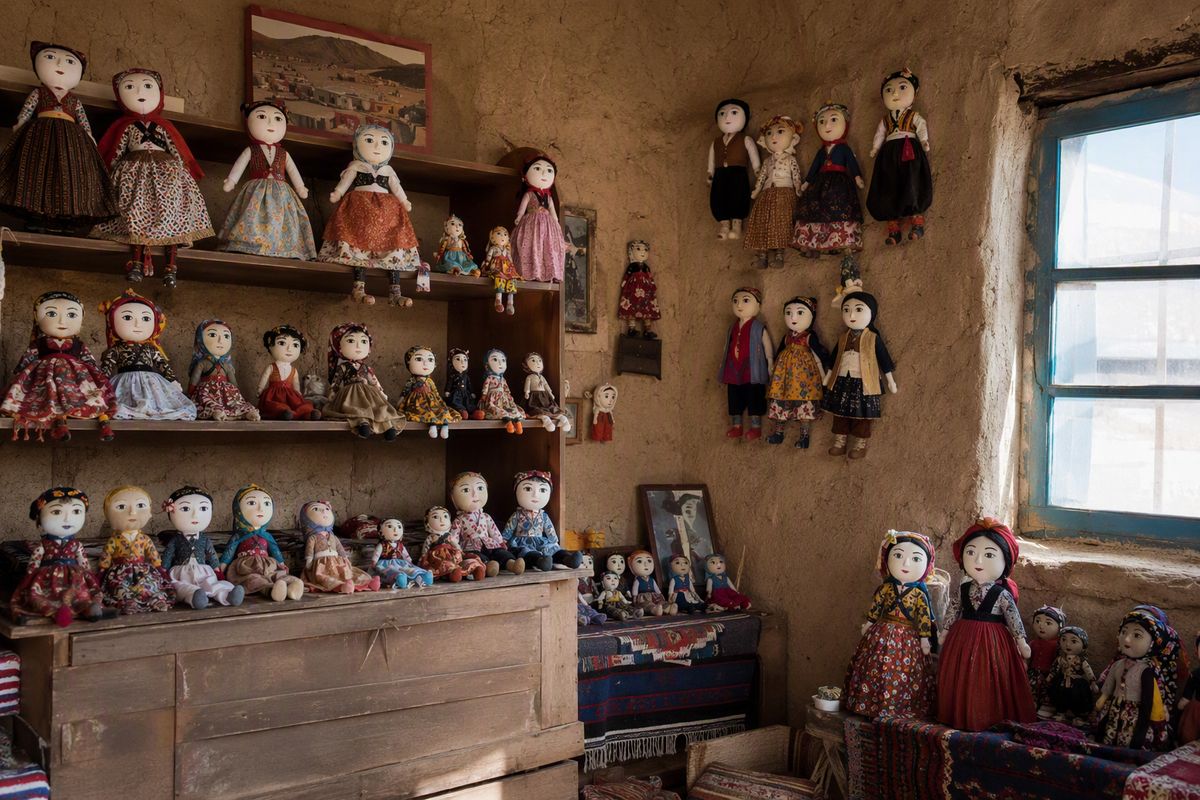
The Dolls Farm is not a conventional museum or gallery. It is a living, growing project shaped by one person's dedication to a simple idea: that beauty and character can emerge from the most humble materials. Khadijeh Khanum began making dolls as a creative outlet, using scraps of fabric, old clothing, and natural fibers sourced from the village and surrounding area. Over time, the collection grew, and each new doll was given a name and a personality. Some dolls represent figures from traditional desert life, such as shepherds, grandmothers, and children playing in the date gardens. Others are purely imaginary characters, drawn from stories, dreams, and the artist's observation of the world around her.
The term "farm" in the name is deliberate. Like a farm, the workshop is a place where things grow and multiply. New dolls appear regularly, each one stitched and assembled entirely by hand. The creative process is unhurried, and visitors who spend time in the workshop can observe the care and attention that goes into every detail, from the choice of fabric colors to the expression on a doll's face. Khadijeh Khanum is known for her warmth and hospitality, and she welcomes conversations with visitors, sharing the stories behind her favorite characters and explaining how she sources her materials.
The use of recycled materials gives the dolls a distinctive quality. The fabrics come from old clothing donated by villagers, from remnants found at local tailors, and from natural fibers such as wool and cotton that are abundant in the Yazd region. The result is a collection that is colorful and eclectic, with each doll bearing the marks of its origins. A doll dressed in fragments of a wedding gown tells a different story from one made from the fabric of a shepherd's coat, and the variety of textures and patterns adds depth to the overall display.
Visiting the Workshop and Collection
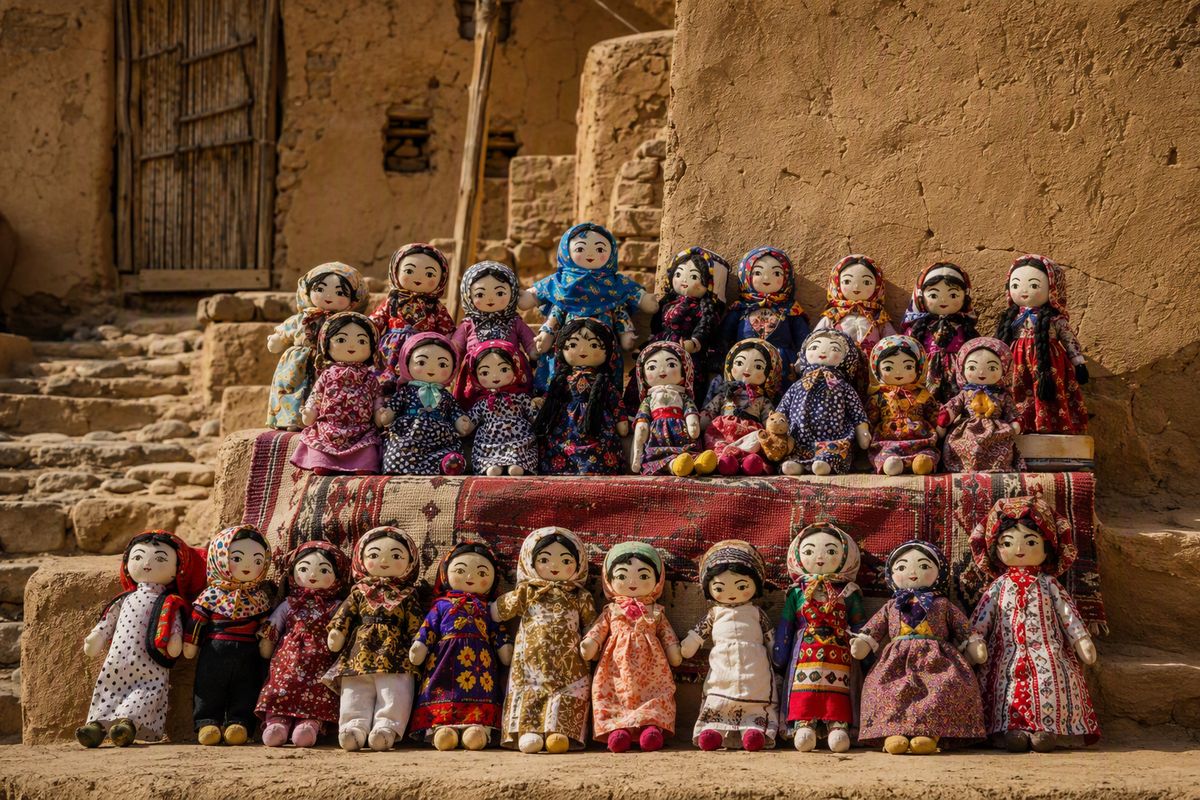
A visit to the Dolls Farm is an intimate experience. The workshop is set within Khadijeh Khanum's home in Dam Kaftar, and the dolls are displayed in various rooms and outdoor areas. Some sit on shelves or hang from walls, while others are arranged in small tableaux that evoke scenes from village life. A group of dolls might represent a family gathering, with elders seated on the ground and children playing nearby. Another arrangement might show a wedding procession, with musicians and dancers in traditional dress.
The scale of the collection is surprising. What started with a handful of dolls has expanded to hundreds of individual characters, each one unique. Walking through the rooms, visitors may recognize figures that seem to echo people they have met or stories they have heard. The dolls communicate emotions and narratives without words, relying on posture, color, and the subtle tilt of a head to convey meaning.
Photography is welcome, and the visual richness of the collection makes it a favorite among travelers who enjoy documenting the unexpected corners of Iran. The natural light in the desert creates beautiful conditions for photography, and the contrast of the dolls' vivid colors against the mud-brick walls and earthen tones of the village provides a striking visual palette.
Dam Kaftar: A Traditional Desert Village
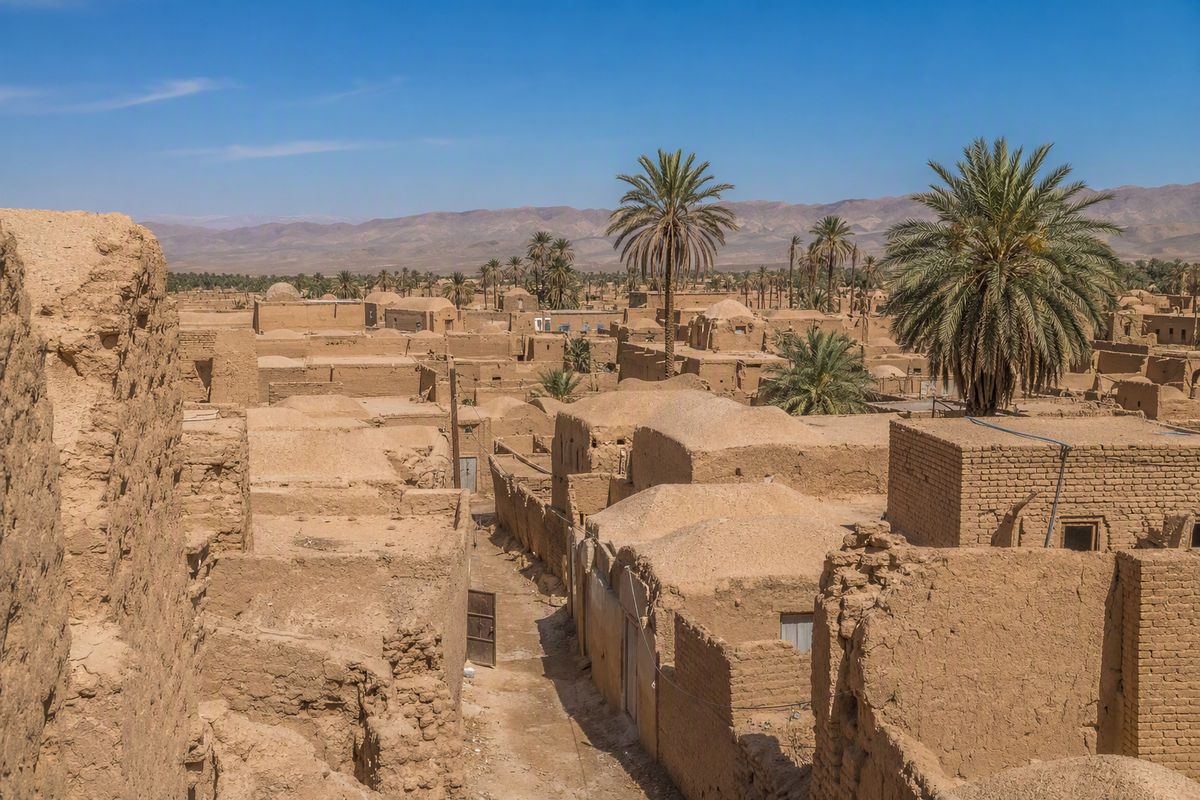
The village of Dam Kaftar itself is worth exploring. Located in the desert countryside south of Ardakan, it retains much of its traditional character. Mud-brick houses line narrow lanes, and the pace of life follows the rhythms of agriculture and animal husbandry that have sustained the community for generations. Date palm groves surround the village, and in spring, the countryside bursts into green as wildflowers bloom after the winter rains.
The village is small and quiet, with few signs of modern development. This simplicity is part of its appeal. Visitors experience a side of rural Iran that is increasingly rare, where daily life continues much as it has for centuries. The people of Dam Kaftar are accustomed to occasional visitors drawn by the Dolls Farm, and they are generally welcoming and curious about the outside world.
A walk through the village takes only a short time, but it offers insights into the material culture of the Yazd desert. The architecture, adapted to extreme temperatures, features thick walls, small windows, and courtyards that provide shade and privacy. Water management, based on the ancient qanat system, remains visible in the channels that carry water from underground sources to the fields and gardens. The nearby date gardens are a testament to the agricultural ingenuity of the region, with date palms providing shade, fruit, and raw materials for a variety of local products.
Connecting the Dolls Farm to Your Ardakan Itinerary
The Dolls Farm fits naturally into an itinerary that includes other Ardakan attractions. The Ardakan Carpet Museum, in the Cherkhab neighborhood of the city, shares the Dolls Farm's commitment to preserving local craft traditions, and a visit to both sites provides a comprehensive view of the creative culture of the region. The Ashkeft Cave, a natural formation in the hills east of Ardakan, adds a geological dimension to the trip, while the old town of Ardakan itself offers the chance to explore qanats, ab-anbars, and the remnants of the city's historical fortifications.
For travelers coming from Yazd, the journey to Dam Kaftar passes through the central desert landscape that defines this part of Iran. The flat, shimmering expanse of the Dasht-e Kavir is broken by occasional clusters of date palms and small villages, creating a sense of vastness and solitude that is characteristic of the region. Understanding this landscape enhances the experience of visiting the Dolls Farm, where the creativity of Khadijeh Khanum can be seen as a response to the spare beauty and resourcefulness demanded by life in the desert.
Practical Information for Your Visit
Getting There
Dam Kaftar is located approximately 20 kilometers south of Ardakan city. A taxi from Ardakan reaches the village in about 25 minutes along a paved road. From Yazd, the journey takes roughly one hour by car. Private transfers can be arranged through hotels or local operators, and the route offers opportunities to stop at scenic viewpoints and other sites of interest along the way.
Opening Hours and Tickets
The Dolls Farm operates on an informal basis, as it is part of Khadijeh Khanum's home. Visitors are generally welcome during daylight hours, though it is advisable to arrange your visit in advance through a local guide or your hotel to ensure that the workshop is open and the host is available. Entry is free or by donation, reflecting the personal and community-oriented nature of the project.
Best Time to Visit
October through April offers the most comfortable weather for visiting Dam Kaftar and the surrounding countryside. The desert around Ardakan becomes extremely hot in summer, with temperatures that can make even short outdoor excursions uncomfortable. Spring visits, particularly in March and April, coincide with the blooming of desert wildflowers and the greening of the date gardens, adding natural beauty to the experience.
Tips for Visitors
Bring small gifts or tokens of appreciation if you wish, as the visit is based on personal hospitality rather than commercial exchange. Purchasing a handmade doll directly from Khadijeh Khanum supports her work and provides a unique souvenir of your time in the Yazd desert. Wear comfortable shoes for walking through the village, and carry water and sun protection during warmer months. The Dolls Farm is best visited as part of a half-day or full-day excursion from Ardakan or Yazd, allowing time to combine it with other attractions in the area.
The Dolls Farm in Ardakan is a reminder that some of the most memorable travel experiences come not from grand monuments or famous museums, but from encounters with individual creativity and the quiet generosity of local communities. Khadijeh Khanum's collection of handmade dolls, growing steadily in the desert village of Dam Kaftar, offers a glimpse into the artistic spirit that persists in the most unexpected places, and a warmth that lingers long after the visit ends.