
Step through the arched entrance of the Hammam-e Aqa Naqi and you enter a world where steam once rose from marble pools and the daily rhythms of Ardabil unfolded behind tiled walls. Today, this magnificently preserved bathhouse serves as the Ardabil Museum of Anthropology, one of the most atmospheric cultural sites in northwestern Iran. Rather than static display cases, the museum uses life-sized wax figures, authentic artifacts, and the evocative architecture of the bath itself to bring the traditions, clothing, and customs of the Azerbaijani-speaking communities of Ardabil province vividly to life.
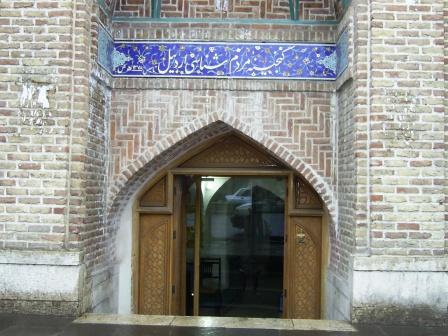
A Bathhouse Transformed: The History of the Building
The story of the museum begins long before its conversion in 1999. The Hammam-e Aqa Naqi, also known as the Zahir al-Islam Bathhouse, dates to the pre-Safavid period, with architectural elements that suggest origins in the Ilkhanid era. The bathhouse was expanded and embellished during the Safavid dynasty, when Ardabil enjoyed special status as the ancestral homeland of the Safavid shahs and a major pilgrimage center owing to the shrine of Sheikh Safi al-Din Ardabili.
Like many traditional Persian baths, Hammam-e Aqa Naqi was organized around two principal chambers. The warm room, or garmkhaneh, was used for steaming and washing, while the cold room, or sardabeh, served as a place to cool down and socialize. The cold pool in this bathhouse stretches an impressive 16 meters in length, a testament to the scale and importance of the building within its neighborhood.
For centuries, the bathhouse functioned as a vital social hub. Men and women attended at separate times, and the baths hosted not only washing but also ceremonies tied to birth, marriage, and religious observance. When modern plumbing reduced the role of public baths in the twentieth century, the building fell into disuse. Recognizing its architectural and cultural value, Iran's Cultural Heritage Organization restored the structure and reopened it in 1999 as the Museum of Anthropology, giving the historic walls a new purpose as a guardian of regional memory.
What to See Inside the Museum
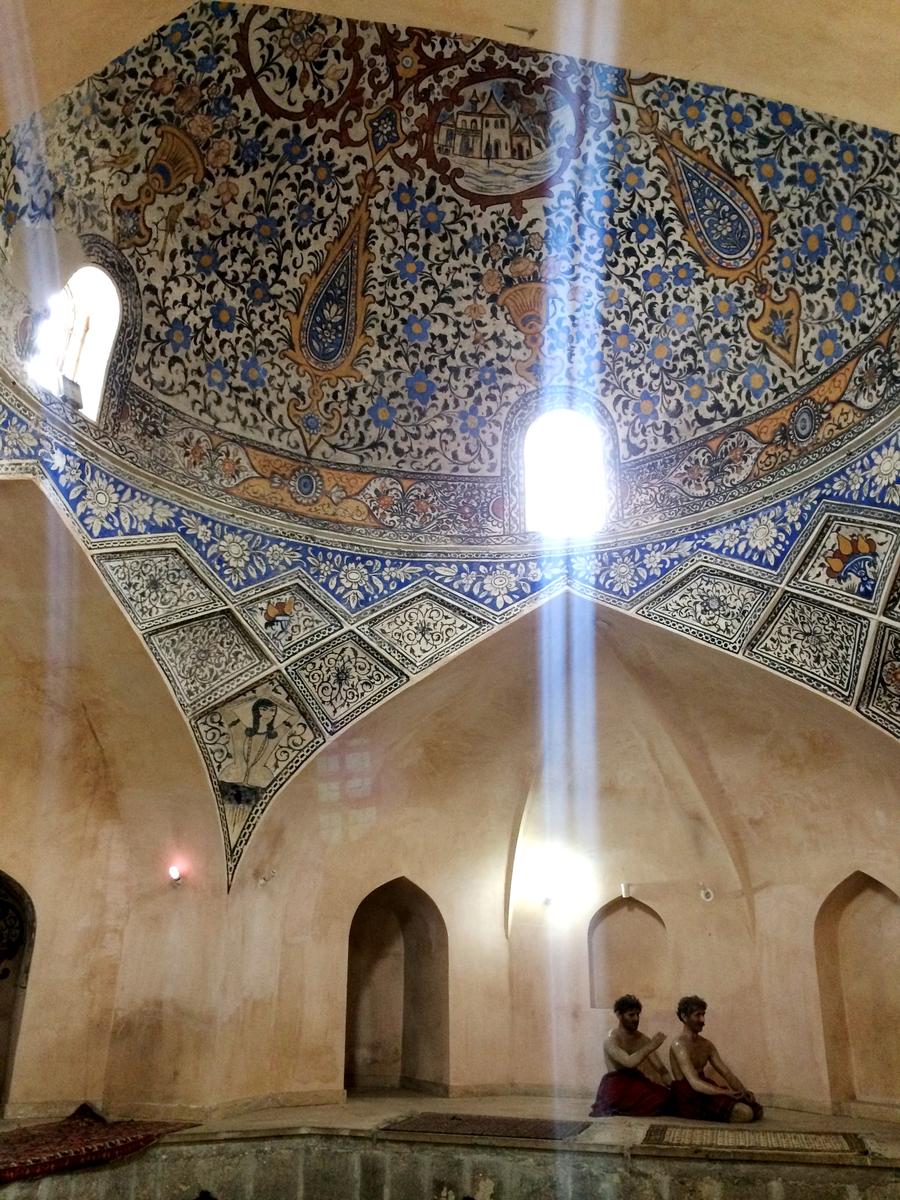
The museum is arranged so that visitors move through the original chambers of the bathhouse, each now hosting carefully crafted dioramas and displays. The wax figures are the highlight. Dressed in authentic regional costume, they recreate scenes from everyday life and ceremonial traditions that have shaped communities across Ardabil province for generations.
In one room, you will find figures depicting a traditional wedding ceremony, with the bride and groom surrounded by musicians playing the sorna and dohol, instruments that remain central to Azerbaijani celebrations. Nearby, another scene captures the ritual of baptism, or naming ceremony, in which an infant is gently placed in a copper basin of water while elders offer blessings. The attention to costume detail is remarkable, from the intricate embroidery on women's dresses to the felt hats and layered woolen garments worn by men in the mountain villages.
Other sections explore the nomadic and pastoral heritage of the region. Displays feature the black tents of the Shahsevan nomads, who migrate seasonally between the lowlands and the high pastures of Mount Sabalan. You will see tools of dairy production, weaving implements, and examples of the flat-woven rugs and colorful kilims that Ardabil is famous for. A separate area is devoted to local agriculture and the famous honey of the Sabalan highlands, long celebrated across Iran.

The architecture of the bathhouse itself deserves as much attention as the exhibits. The brick domes above the warm and cold rooms are pierced with small glass discs that filter daylight into soft beams. The interiors are adorned with plasterwork, tile revetments in blue and turquoise, and carved stone inscriptions. Walking the corridor between the two main halls, you pass through the space where bath attendants once managed the flow of hot water from the furnace below, a system that kept the marble floors warm underfoot through the coldest winters.
Exploring the Neighborhood
The museum sits on Ali Qapu Square in the center of Ardabil, within easy walking distance of several other important sites. The grand Safavid-era complex of Sheikh Safi al-Din Ardabili, a UNESCO World Heritage Site, lies just a short walk to the north. Its soaring dome, intricate tilework, and the celebrated China Room make it an essential complement to the anthropology museum, placing the local traditions on display inside a broader historical narrative.
The bazaar of Ardabil is another nearby attraction. Its covered passages and courtyards sell the same kinds of goods you see represented in the museum: handwoven textiles, copperware, local sweets, and bundles of fragrant herbs. After visiting the museum, a stroll through the bazaar offers a living continuation of the traditions you have just seen reconstructed in wax and stone.
For travelers interested in the natural landscape of the region, the museum provides helpful context for understanding the relationship between Ardabil's communities and their environment. The exhibits on Shahsevan nomadic life, highland agriculture, and mountain pastoralism all point toward the dramatic scenery of Mount Sabalan and the surrounding highlands, which are accessible from Ardabil for trekking, horseback riding, and visits to nomadic camps in summer.
Practical Information for Your Visit
Getting There
Ardabil is connected to Tehran by regular flights, with a journey time of about one hour. Long-distance buses also run frequently between the capital and Ardabil, taking roughly seven to eight hours. The city is well connected to Tabriz, about three hours by road, and to the Caspian Sea coast via the scenic route through the forests of Gilan province.
Within Ardabil, the museum is easy to reach by taxi from any point in the city. The central location means that most hotels are within a ten-minute drive, and the site is accessible on foot from the main commercial streets around Imam Khomeini Boulevard.
Opening Hours and Tickets
The museum is typically open from 9:00 in the morning until 20:00 in the evening, Saturday through Thursday, with reduced hours on Fridays and holidays. Admission is inexpensive, and photography is generally permitted in most areas. Allow approximately one to two hours for a thorough visit, longer if you wish to study the inscriptions and architectural details carefully.
Best Time to Visit
The ideal seasons for visiting Ardabil and its anthropology museum are spring, from April through June, and early autumn, in September and October. During these months the weather in Ardabil is mild and comfortable, and the surrounding countryside is at its most attractive. Summer in Ardabil is pleasantly cool compared to the heat of central Iran, making it a popular escape, though the mountain roads can be crowded on weekends. Winter brings snow and freezing temperatures, but the museum remains open and the city takes on a quiet, atmospheric quality.
Tips for Visitors
Wear comfortable shoes, as the floors of the bathhouse are original stone and marble, sometimes uneven and occasionally slippery. The lighting inside is atmospheric but soft, so visitors who wish to photograph the architectural details may want to bring a lens suitable for low light. A local guide can greatly enhance the experience by explaining the symbolism of the decorative elements and the stories behind the wax figure displays. Guides can often be arranged through your hotel or at the nearby Sheikh Safi complex.
The Ardabil Museum of Anthropology is more than a museum. It is an invitation to slow down, to listen to the echoes of a bathhouse that has witnessed centuries of daily life, and to appreciate the depth and richness of the Azerbaijani culture that continues to shape this corner of Iran. Whether you are drawn by history, architecture, or the human stories preserved in wax and stone, this museum offers one of the most rewarding cultural experiences in the northwest of the country.