
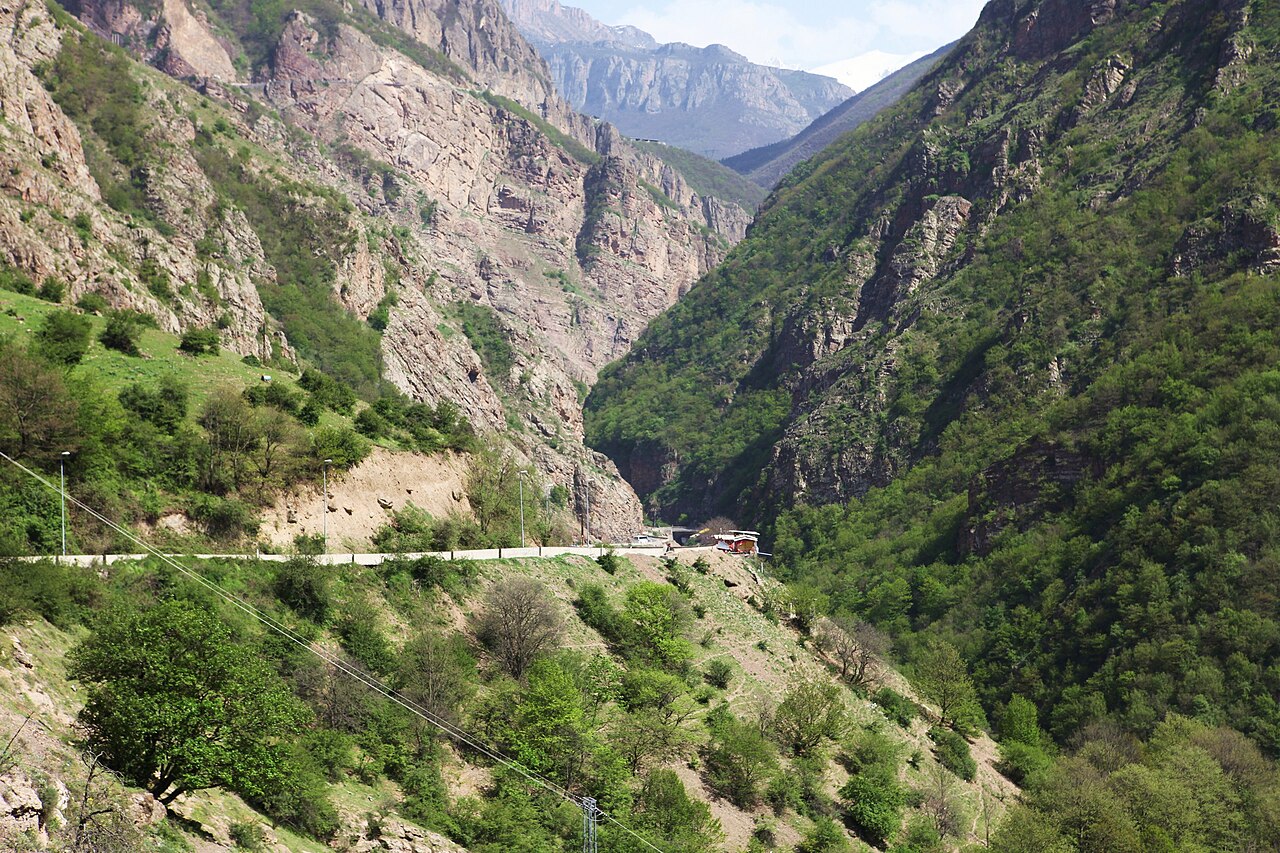
Of all the roads in Iran, none is more beloved than the Chalus Road. Officially known as Road 59, it threads through the Alborz Mountains from Karaj to the Caspian Sea town of Chalus, a distance of roughly 160 kilometres that takes at least three hours to drive because the scenery demands constant stopping. Hairpin bends, deep river gorges, walnut and cherry trees, snow capped peaks, and tiny villages clinging to steep hillsides make this one of the great driving experiences of the Middle East. And about 18 kilometres from Karaj, just as the road begins to bite into the mountains, you will find the village of Arangeh, a quiet and surprisingly beautiful place that serves as a perfect introduction to everything the Chalus Road has to offer.
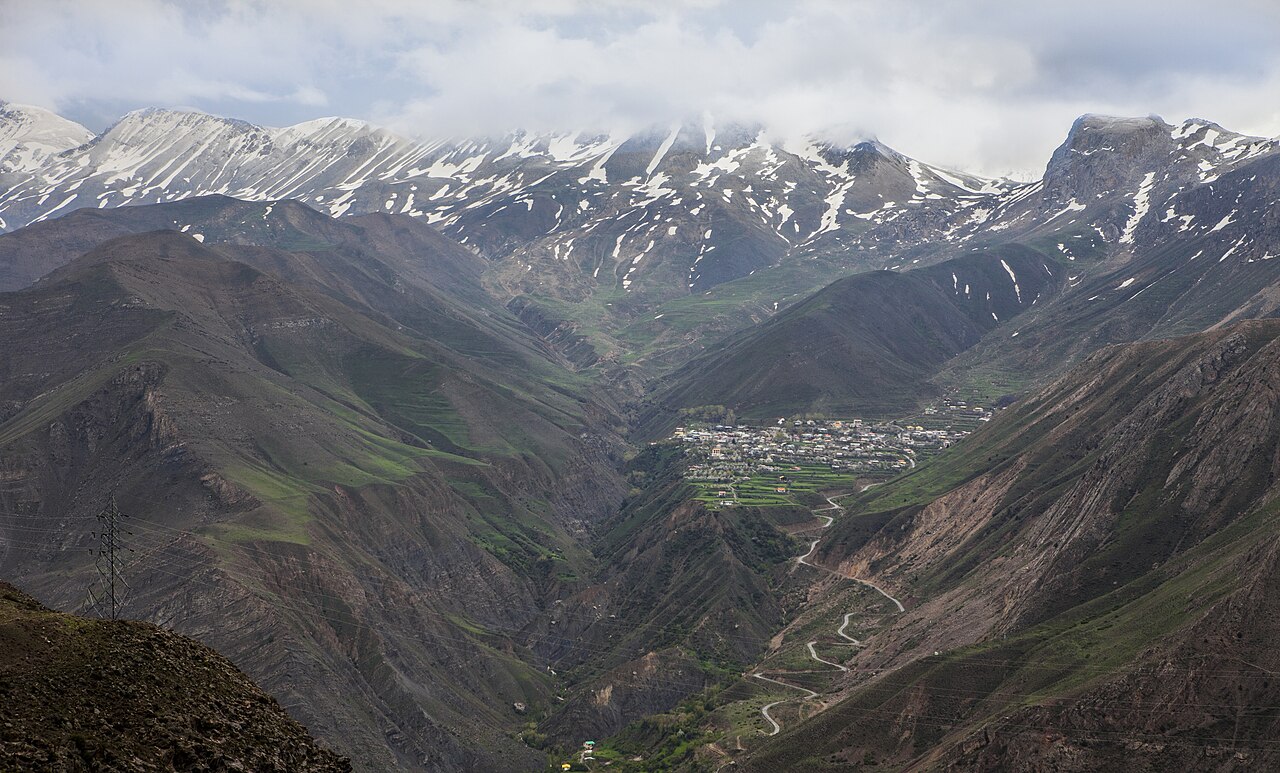
Arangeh is not a large village. The 2016 census counted just 111 people living here, spread across a cluster of stone and brick houses that step up the hillside above the road. But what Arangeh lacks in size it makes up for in setting. The village sits in a narrow valley where the Karaj River cuts through the Alborz range, and the surrounding landscape is a dense green blanket of deciduous forest that turns spectacular shades of gold and orange in autumn. Waterfalls cascade from the cliffs above, mountain air replaces the smog of Tehran, and the pace of life drops to something approaching stillness.
The Village and Its History
Arangeh is one of a chain of eight villages in this section of the Karaj river valley. The area has been inhabited for centuries, and the old cemetery on the hill above the village contains gravestones that speak to a long history of settlement. The Khazeni family, one of the traditional families of the area, has deep roots here, and the village retains the kind of close knit community structure that characterises mountain villages throughout the Alborz.
The architecture is traditional and understated. Stone foundations, thick walls, pitched roofs designed to shed winter snow, and small gardens growing vegetables and fruit trees. There are no hotels or guesthouses in Arangeh itself, though the nearby villages of Kandar and Adaran offer basic accommodation for visitors who want to stay overnight and explore the area at a leisurely pace.
Natural Attractions
The main draw of Arangeh is the nature that surrounds it on every side. The village sits at roughly 1,800 metres above sea level, and the Alborz peaks rise to over 4,000 metres in the distance. The Karaj River runs past, its cold water fed by mountain snowmelt, and the forest cover is dense enough to provide genuine shade even in midsummer.
Haft Cheshmeh Waterfall. About 15 kilometres from Karaj on the Chalus Road, near Arangeh, this waterfall features seven small springs emerging from the rock face and cascading down in a series of gentle falls. The name means "Seven Springs," and the site is accessible by a short walk from the road. It is one of the most photographed spots along the entire route.
Adaran Waterfall. Further up the road, near the village of Adaran, a waterfall drops roughly 90 metres from a cliff into a pool surrounded by dense forest. The hike to reach it is moderate in difficulty and takes about an hour each way. The reward is a spectacular natural feature and a sense of being deep in wilderness, despite being less than two hours from central Tehran.
Mountain hiking trails. The Alborz Mountains around Arangeh are crisscrossed with trails used by shepherds, hunters, and hikers. Routes range from gentle walks along the river to strenuous ascents into the high meadows and rocky ridges. Spring and early summer bring wildflowers, while autumn offers clear skies and comfortable temperatures. Winter hiking is possible but requires proper gear and awareness of avalanche risk.

The Chalus Road Experience
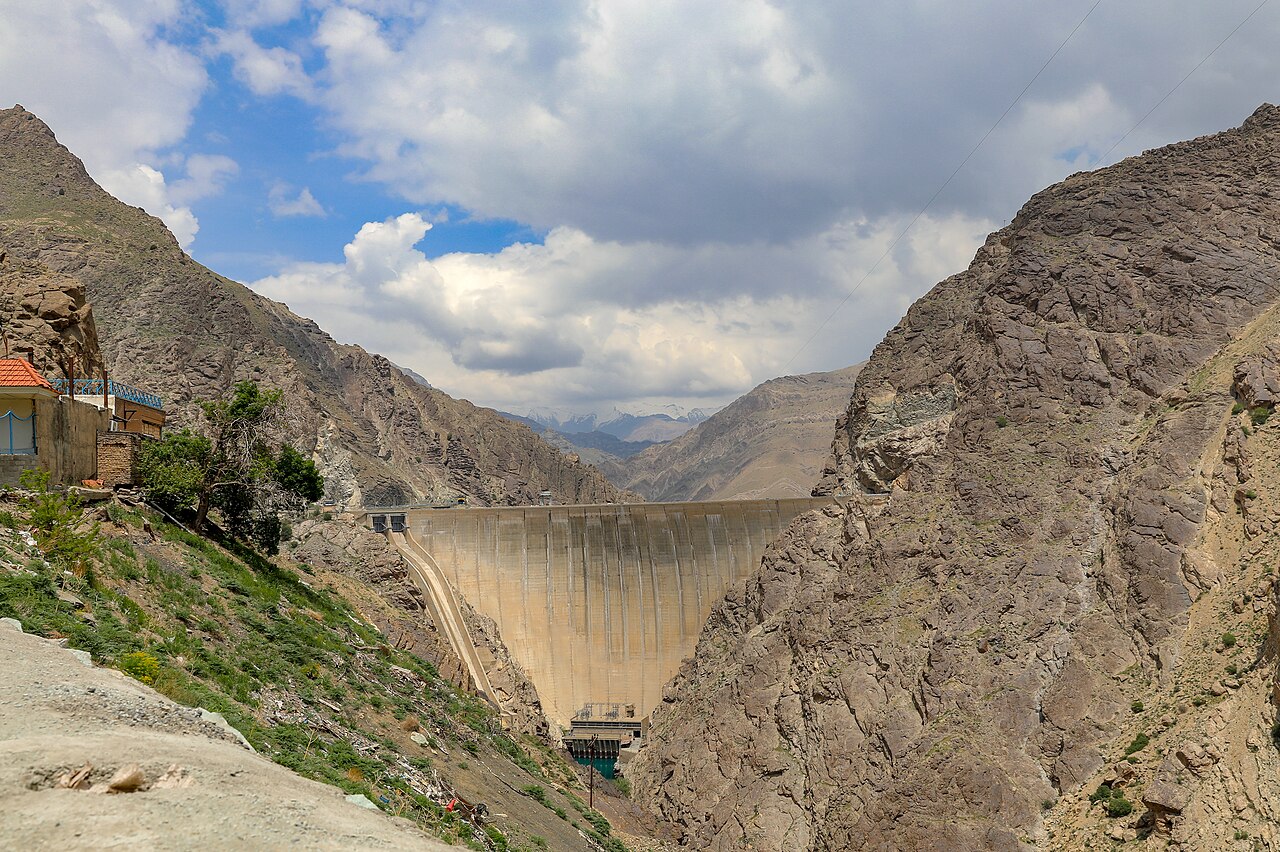
To visit Arangeh is to experience the Chalus Road, and the road itself is an attraction that deserves attention. Built in the early twentieth century and significantly upgraded since, it connects the capital to the Caspian coast through some of the most dramatic mountain scenery in Iran. The engineering is impressive, with tunnels carved through rock, bridges spanning deep gorges, and retaining walls holding the road to the mountainside in places where the slope is nearly vertical.
The best way to experience the road is to drive it slowly, stopping at designated viewpoints and pull offs. Arangeh makes a natural first stop, being close enough to Tehran for a day trip but far enough into the mountains to feel like you have escaped the city. The air here is noticeably cleaner, the temperature several degrees cooler, and the sound of the river and the birds replaces the noise of traffic.
Traffic on the Chalus Road can be heavy on weekends and holidays, when Tehran residents head north to the Caspian coast. During these periods, the road may be restricted to one way at certain times. Check local traffic reports before setting out and try to travel on weekdays if possible.
Practical Information
Getting there. Arangeh is 18 kilometres from Karaj on the Karaj Chalus Road (Road 59). From Tehran, drive to Karaj first, roughly 45 minutes on the freeway, then take the Chalus Road north. The total journey from central Tehran to Arangeh takes about an hour and a half without traffic. Taxis and shared transport operate from Karaj to villages along the road.
Best time to visit. The Chalus Road is accessible year round, but the best times to visit Arangeh are spring, from April to June, when the forests are lush and the waterfalls are at their most powerful from snowmelt, and autumn, from late September to November, when the foliage turns spectacular colours and the air is crisp. Summer is popular but crowded, especially on weekends. Winter brings snow and the road can be icy, though the scenery under a blanket of white is stunning.
What to bring. Comfortable walking shoes are essential if you plan to explore the waterfalls or hiking trails. A jacket is recommended even in summer, as mountain temperatures can drop quickly, especially near waterfalls. Bring water and snacks, as facilities in Arangeh itself are limited.
Accommodation. There are no hotels in Arangeh. The nearest options are in Kandar and Adaran, both within a few kilometres along the road. These offer basic guesthouses and ecolodges. For more comfortable accommodation, Karaj has a range of hotels, or you can return to Tehran the same day.
A Gateway to the Alborz
Arangeh is not a destination that demands a week of your time. A few hours is enough to walk through the village, enjoy the mountain air, visit one of the nearby waterfalls, and soak in the scenery. But that is precisely its value. For travellers based in Tehran, it offers a quick and rewarding escape into the mountains, a chance to breathe clean air and see the Alborz range in all its green and rocky glory, and a first taste of the Chalus Road that can be extended into a full journey to the Caspian coast if the mood takes you.
Iran's natural tourism destinations are many and varied, from the deserts of the central plateau to the forests of Gilan and the beaches of the Persian Gulf. But the Alborz Mountains, and Arangeh in particular, hold a special place in the hearts of Iranians as the nearest wild landscape to the capital, a place where the mountains begin and the city ends, and where the ancient rhythms of nature continue undisturbed just a short drive from the busiest metropolis in the Middle East.